Saskatchewan has secured a significant expansion for the emergency use of two per cent liquid strychnine to control Richardson’s ground squirrels, with provincial officials and municipal leaders calling the move an important step, while noting some areas remain excluded.
Agriculture Minister David Marit said the original emergency use approval from the Pest Management Regulatory Agency, PMRA, relied heavily on crop insurance damage data and species at risk considerations, which resulted in limited initial coverage.
“When it all started and PMRA was looking at it, they wanted to do it as an emergency use and they were using the data from crop insurance where the claims were high on crop damage,” Marit said. “They also wanted to be considerate of what they call the species at risk area that they were concerned about as well.”
Marit said the province pushed back on drawing strict geographic boundaries, noting the realities of pest movement.
“I’m always concerned when you draw boundary lines on issues like this, gophers don’t know boundaries and we know that,” he said. “We made our argument to expand it and thankfully PMRA, along with the federal ministries of Health and Agriculture, really helped us on this as well to get the expansion to the 208 RMs that we have now.”
The expanded approval now covers most of Saskatchewan, excluding portions of the central and northeast regions. Marit said the province hopes the product will be available by early summer.
“I’m hopeful that we’re going to see it in June, but I’m a little hesitant to say whether it’ll be June or July,” he said. “Then we’ve got it for next year as well till the end of 2027.”
Supply will be limited initially. Marit noted that approximately 144,000 bottles have been prepared now, with Saskatchewan and Alberta splitting the total.
“We’ll be working with SARM for the distribution of it to those 208 municipalities,” he said. “Then the RMs will distribute it to ratepayers and we’re waiting for the details on the restrictions from PMRA on how it’s handled and how it’s used.”
Temporary approval to cover two seasons
Marit said the emergency approval will provide producers with access for roughly 18 months, covering both this year and next.
“We’ve got it for 18 months. That’s what we got,” he said. “So we’ll have it for this summer, and then we’ll have it for next year as well."
Marit said the gopher population is already emerging, adding he would have preferred to have the product available earlier in the season.
“I know down in the south where I’m from. I was down south of Assiniboia last Saturday, they’re out in full force,” he said. “It would have been nice to have it for spring in some of these very severe areas, but I’m very thankful we’ve got what we have got.”
Crop and pasture damage mounting
Marit said producers have been dealing with significant losses in recent years, affecting both crops and grazing land.
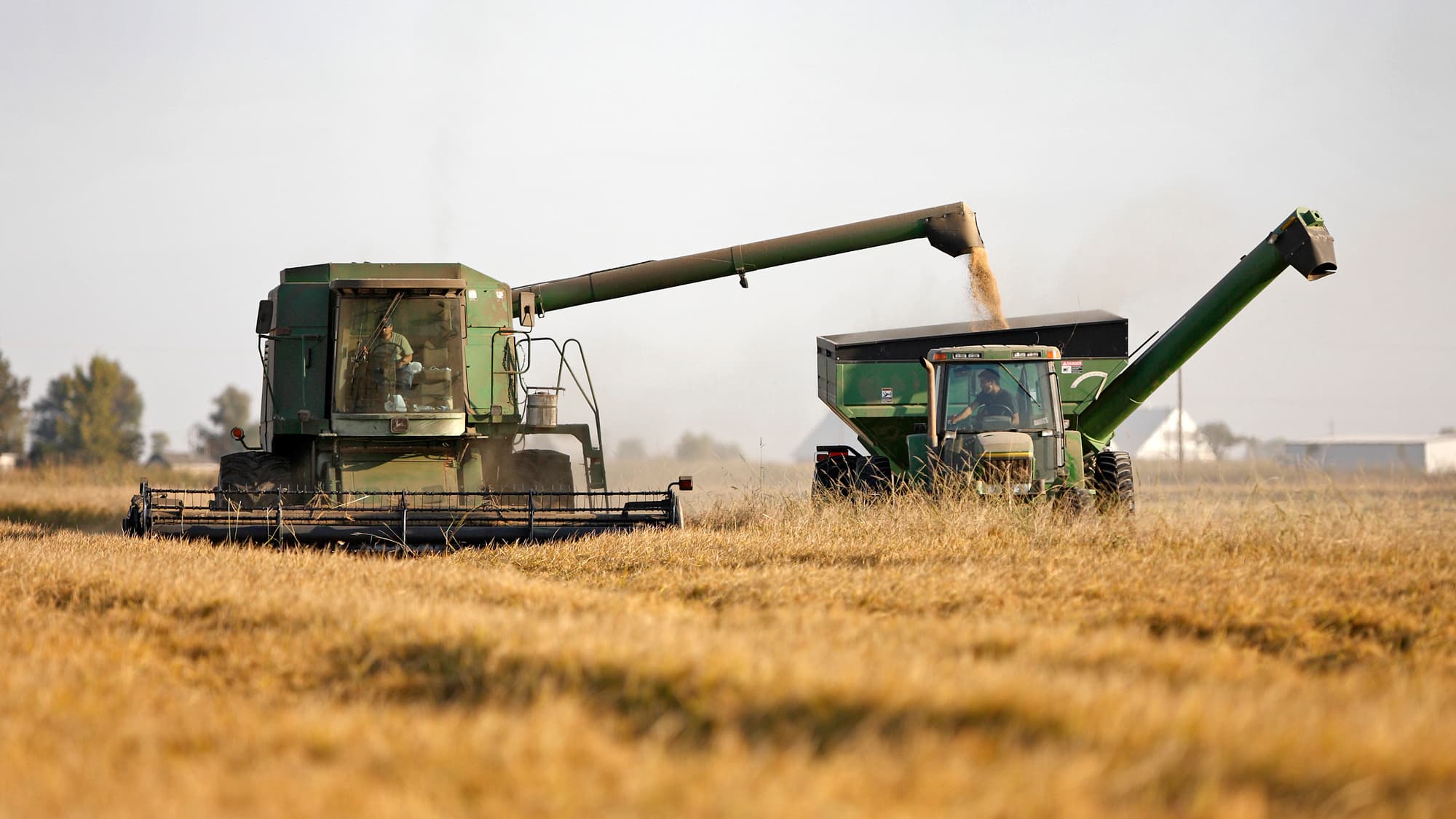
“There has been a lot of damage. I think we’ve all witnessed this. We’ve seen it where they’ve taken entire quarter sections of canola and other crops as well,” he said. “You just can’t keep up to it. But also what they’re doing to hayfields and even the native pasture lands as well too.”
He added that dry conditions can accelerate population growth, making control more difficult.
“Unfortunately, there are rodents that can really expand and it’s always challenging for us,” Marit said. “When there’s drier conditions, that’s when they really thrive as well. We’ve been dealing with them for decades and for years, and we probably always will, but we need the right tools and the right mechanisms to be able to control it.”
Marit said previous research supports strychnine as an effective control option, while emphasizing safe handling.
“The research that SARM did years ago really proved that the real use of strychnine is probably the best use of it,” he said. “There’s ways that we can handle it and we’re doing that. Farmers and ranchers are making sure that they’re doing the right protocols to make sure that everybody is safe, and we just want to ensure that as well.”
Some municipalities still outside coverage
Saskatchewan Association of Rural Municipalities, SARM, president Bill Huber welcomed the expanded coverage but said some municipalities with significant infestations remain outside the designated area.
“The change in the eligible areas now adding more municipalities to it is certainly good news, but there’s still a few municipalities that I think should have been included,” Huber said. “In the south central part of the province, there’s two or three more municipalities that certainly have heavy infestations in the past couple of years that are still not included.”
Huber said those areas run west of Highway 6, including RMs 222 and 223.
“It would have been nice to have had more of them included too, but it’s certainly a big improvement from where we were a week or so ago with none of the west side included,” he said. “They have extended that, and that’s very greatly appreciated.”
He also acknowledged the complexity of balancing crop damage with environmental concerns.
“The way they do it with crop insurance reports and species at risk concerns, I appreciate the effort they do there and the consideration they take into developing these maps,” Huber said. “But I guess sometimes maybe a little consultation with the local municipalities and ratepayers would have certainly helped.”
Huber said SARM is now working with provincial officials to develop a distribution plan once the product arrives.
“We’re still in the early stages of that. There’s extensive work to do, but we have a couple months before any product arrives here in the province. They’re working as we speak to develop a program going forward to help accommodate municipalities and support ratepayers.”
The emergency use approval is temporary, and Huber said SARM will continue advocating for longer term solutions.
“I wish it had been a little longer term,” he said. “Hopefully, with some negotiations and deliberations with government officials in Ottawa in the months ahead, we’ll be able to make some more improvements to this program.”
Huber added the issue ties into broader concerns about pesticide availability and food production.
“We have to be careful what we restrict and eliminate use of, because we’ve got a growing population, not only in Canada but around the world, and food security is something that’s very front and centre that we’re very concerned about,” he said.
Huber is heading to Ottawa at the end of the month for CropLife Canada meetings and has scheduled time with the PMRA, where he plans to raise the issue of remaining municipalities as well as broader herbicide and pesticide regulations.
Richardson Ground Squirrels are already coming out of hibernation. Producers are reminded they can reach out to the Saskatchewan Wildlife Federation (SWF) for assistance in dealing with the problem until they can access 2 per cent strychnine.
Source - https://pembinavalleyonline.com