Farmers who lost their Rabi crops due to untimely hailstorms, rain, and strong winds say compensation is not a foolproof solution to the issue. Instead, the government should develop a comprehensive climate change policy and focus on developing climate-resilient crop varieties, seeds that can withstand excess moisture, resist lodging from strong winds, or mature early enough to escape erratic weather.
Although research bodies are already working in this direction, farmers stress the need for faster development and wider access to such innovations.
Farmer bodies across the country have expressed deep concern over the widespread destruction of standing Rabi crops following a spell of untimely rains and hailstorms that swept through large parts of North India.
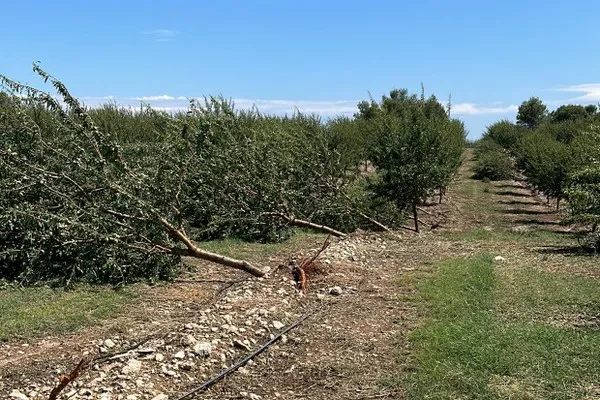
From the fertile plains of Punjab and Haryana to the diverse agricultural landscapes of Uttar Pradesh and Rajasthan, the damage has been both extensive and devastating. Hill states such as Himachal Pradesh and Uttarakhand have also reported significant crop losses, while parts of Madhya Pradesh and Bihar have not been spared.
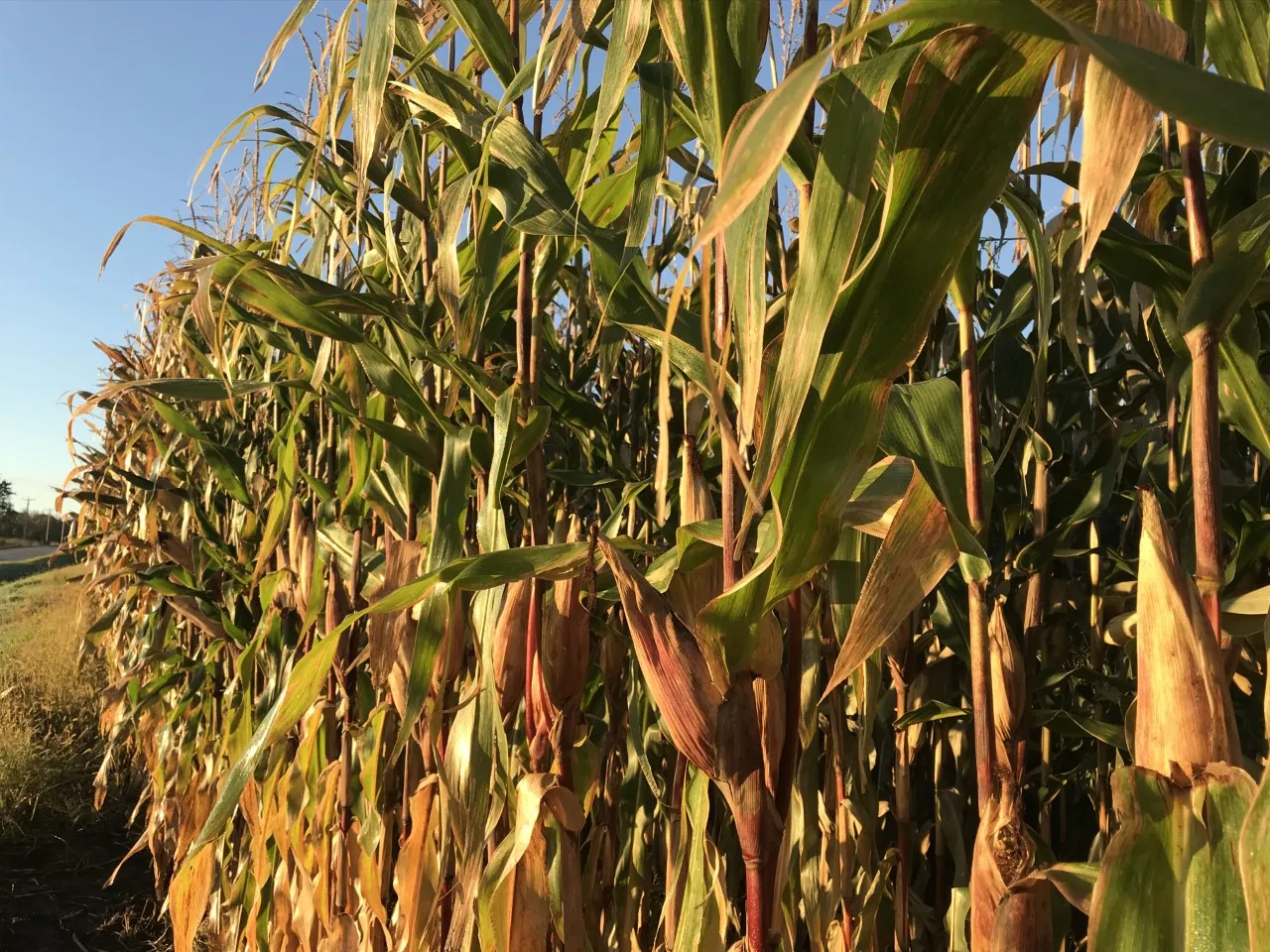
Crops like wheat, gram, and maize, along with vegetables and fruits, have been flattened or severely damaged just ahead of harvest.
Highlighting the urgent need for climate-resilient crop varieties, Dharmendra Malik, a farmer from Uttar Pradesh, points to a pattern farmers can no longer ignore. "The weather pattern has been changing over the last few years. We are now seeing rain and strong winds during March and April, just when Rabi crops are nearing harvest. This is directly affecting production," he added.
For farmers, this is not an isolated experience but a recurring crisis. Malik emphasised that these concerns have been repeatedly raised with authorities. "Farmers have brought up these issues on several occasions. We have been demanding the release of climate-resilient crop seeds that can withstand such conditions and protect us from these losses," he added.
Echoing similar concerns, farmer Ram Narayan Bana highlights how shifting weather patterns are compounding existing challenges in agriculture. "There are already several issues farmers are dealing with, and changing weather patterns are only adding to them," he said, pointing to the growing uncertainty surrounding crop cycles.
For Bana, the solution lies in adapting crops to the new reality. "We are seeking new varieties of seeds that can mature 10–20% earlier," he explained. "If crops are ready sooner, they can escape these untimely rains, adjusting crop duration to outpace erratic weather. As climate variability continues to disrupt traditional farming calendars, such early-maturing varieties could offer farmers a crucial buffer against losses," he added.
On crop loss compensation, Sukhwinder Kaur, a farmer from Punjab, underscored the deepening distress among farmers in Punjab, where extreme weather has become a recurring threat. "For the past three years, farmers here have been dealing with floods and unseasonal rains. Floods damaged crops in 2023 and 2025, and this year, untimely rain has only worsened our situation," she told ETV Bharat.
Beyond crop damage, Kaur pointed to a more structural problem: the inadequacy of compensation, especially for small and marginal farmers. "If we talk about compensation, many farmers who cultivate leased land are always at a loss. We pay around Rs 40,000 for a six-month lease and other farming expenses, but if crops are damaged due to natural reasons, we receive barely Rs 20,000. That gap makes us even more vulnerable," she explained.
Dr Subhash N Pillai from the Indian Agricultural Research Institute (IARI) explained that while the demand for climate-resilient crops is valid, the process of developing them is inherently time-intensive. "Developing new climate-resilient varieties is a continuous effort. Scientists are constantly working to create improved seeds that can benefit farmers under changing conditions," he said.
"The development of a new seed variety involves multiple stages — research, field trials, and rigorous testing — before it can be released for farmers. We are certainly working in response to changing climate patterns, but it will take time," Pillai added.
Kisan Credit Card Applications:
A total of 19.98 crore Kisan Credit Card (KCC) applications have been processed, of which 6.31 crore were through commercial banks, 3.37 crore through regional rural banks, and 1.03 crore through cooperative banks. It reflects the broad institutional participation in the KCC implementation and highlights the central role of cooperative banks in extending agricultural credit, particularly at the grassroots level, the government said recently.
Agricultural Workers
As per the 2011 Census data, there are 26.31 crore agricultural workers and cultivators in the country, and as per the latest available 'All India Report on Agriculture Census 2015-16', there were 2.58 crore small and 10.02 crore marginal operational holdings/farmers reported in India.
Pradhan Mantri Fasal Bima Yojana
As per government data, the Pradhan Mantri Fasal Bima Yojana (PMFBY) continues to be projected as a key pillar of risk management in Indian agriculture. As a flagship scheme of the Central government, it covers the entire crop cycle — from pre-sowing to post-harvest, and even includes losses during storage if caused by notified calamities.
Designed to provide timely financial support, the scheme aims to help farmers cope with uncertainties and prevent them from slipping into cycles of debt. Participation in the scheme has seen a notable rise in recent years. The total number of enrolled farmers increased from 3.17 crore in 2022–23 to 4.19 crore in 2024–25.
Similarly, applications from farmers who have not taken institutional loans have surged dramatically, from just 20 lakh in 2014–15 to 522 lakh in 2024–25.
Source - https://www.etvbharat.com