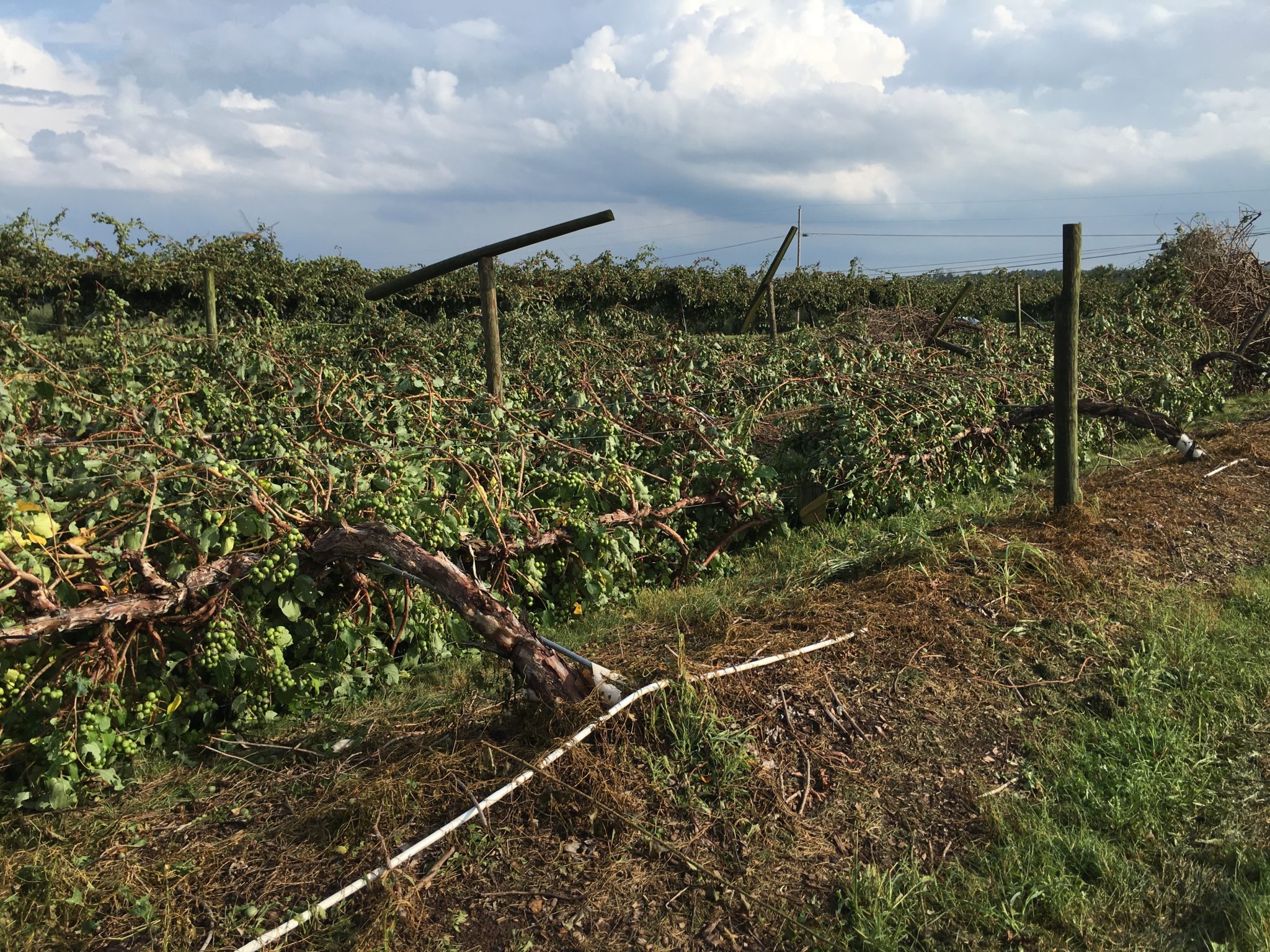
Soil is an important fighter of climate change, but tilling soil could undermine its ability to store carbon and yield crops. No-till farming, a practice of conservation agriculture, contributes to climate solutions and soil health. The United States and China are food superpowers, but both countries are facing severe soil degradation. The two countries could benefit from promoting no-till and exchanging climate-smart farming practices.
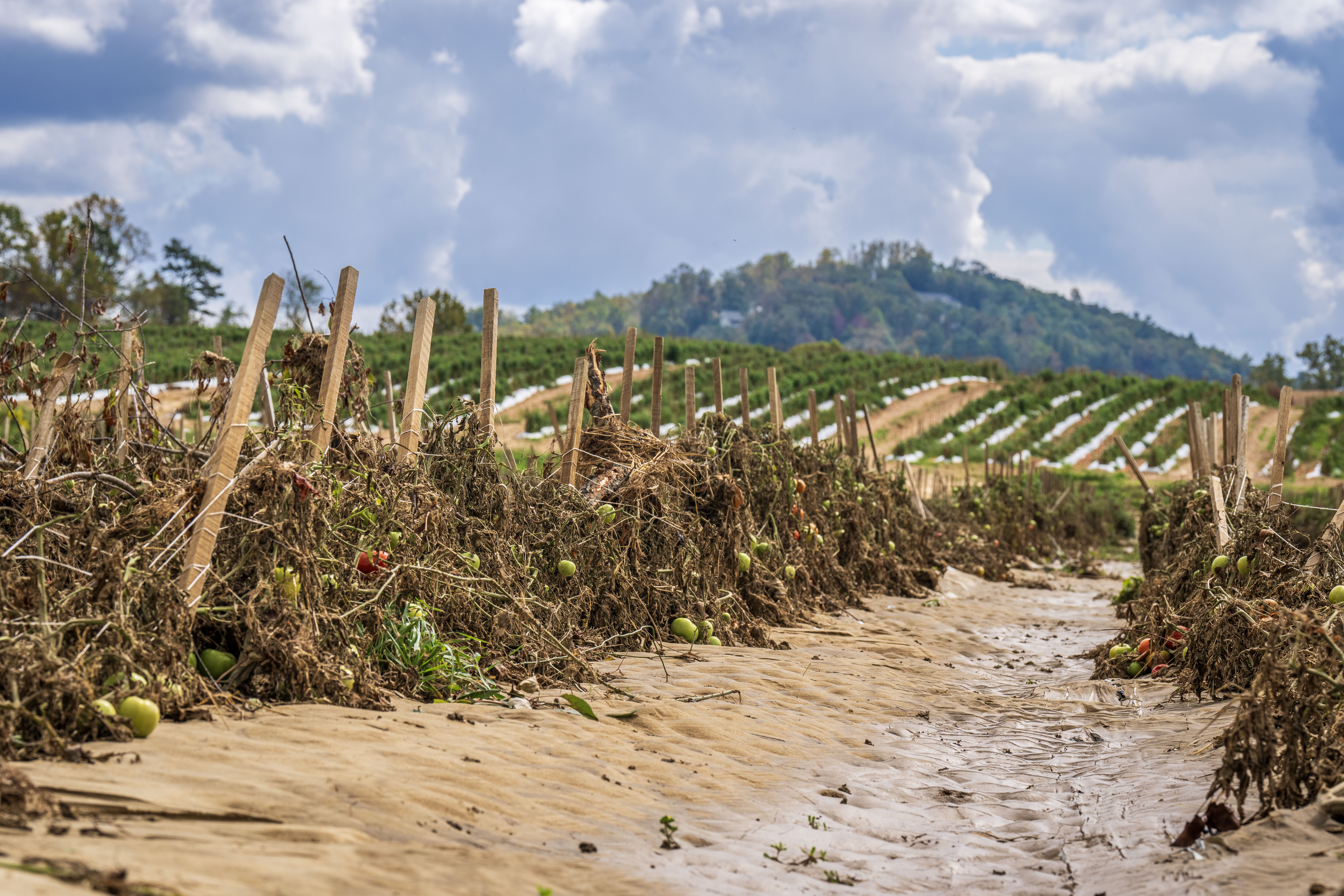
For centuries, farmers around the globe have tilled the soil to prepare for planting. Traditional tilling, however, exposes the bare earth to wind and water, causing erosion and the loss of soil organic carbon, as well as lowering soil quality and crop yields. In the US Corn Belt tilling has degraded approximately 35% of the land– about the size of Montana. In China, erosion from traditional tilling has degraded over 50% of agricultural soils. In the two countries soil erosion and loss of soil fertility is creating annual economic losses of $1.9 billion and $3.7 billion, respectively. Nevertheless, farmers are often hesitant to switch to no-till practices.
Following the recent reopening of US-China climate talks, the USDA Secretary Vilsack met with his counterpart Minister Tang Renjian to renew agricultural collaboration. There are new opportunities for the two food superpowers to share lessons on training and supporting farmers on climate-smart agricultural practices like no-till.
New Farming Practices Sequester Carbon
No-till, crop rotation, and cover crops are the three pillars of conservation agriculture (CA). These practices conserve croplands and rejuvenate degraded soils to maintain crop yields for future generations. CA practices also sequester carbon in the soil to mitigate greenhouse gases lost from tilling or leaving soil bare in the winter.
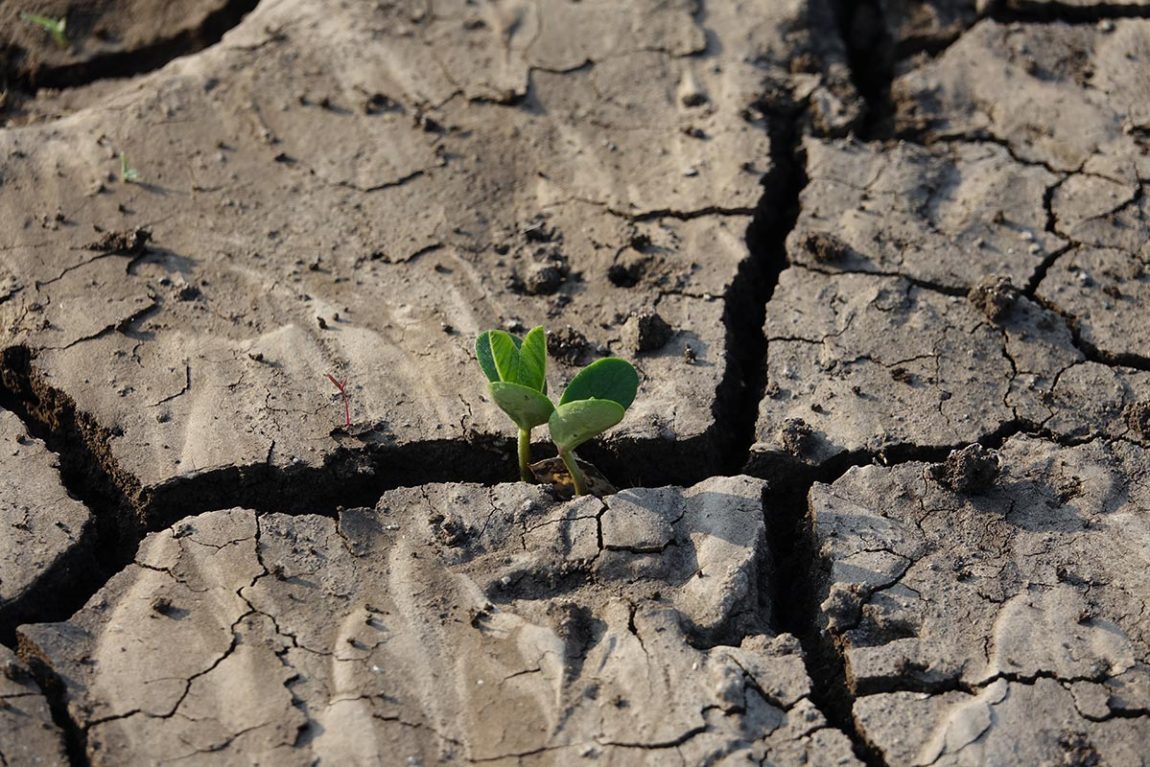
Drought has created many challenges for Chinese and US farmers, especially in 2023 – the hottest year on record. Healthier soils and consistent ground cover improves soil moisture retention, helping farmers adapt to drying climate. Ying Li, Agriculture Director with The Nature Conservancy in China, explained in an interview that no-till also reduces costs and labor. If a Chinese farmer maintains 40 acres with no-till for one season, the money they save can cover their no-till equipment costs for one season.

No-till farming was first developed after sandstorms in the 1930s swept through the US Great Plains, the dust bowl region. The USDA Soil Conservation Service was created in response and promoted the practice. Today, 30% of US farmers have adopted no-till and other CA practices. However, engagement with the remaining 70% is a continual project, says Dr. Robyn Wilson, Associate Professor of Risk Analysis and Decision Science at the Ohio State University. She elaborated in an interview that in the Corn Belt and Great Lakes regions, one third of farmers are already practicing CA. The rest are evenly split between farmers who want to adopt CA and those who have no interest in it.
In China, less than 5% of farmers have adopted CA partly due to nascent government support. Ying Li explained no-till was tried in China in the 2000s, but initial poor harvest yields caused farmers to hesitate in continuing. The China Agricultural University has been a leader in CA research and their researchers have developed equipment and demonstration sites. A conservation tillage promotion area in Bole City in Xinjiang has achieved a 10% increase in maize yield. But now, even a decade later after technological improvements boosted crop yields, Chinese farmers are still slow to change the way they farm. A gap exists between the proven effectiveness and farmer awareness about no-till and CA.
Teaching Farmers a New Way to Farm
When a farmer stops tilling the soil, the fields look messy, noted Ying Li, so their neighbors call them lazy. But not tilling and letting the crop residue protect and nourish the soil is the key to CA. In Oklahoma no-till used to be derided as trash farming, but some have been convinced and seen bigger crop yields. Multiple studies found that CA adoption among farmers in both the United States and China increased with awareness building training on conservation agriculture’s environmental benefits and practices.
In the United States, agricultural technical education has its roots in the land grant university system. OSU soil scientist Dr. Rafiq Islam explained in an interview how Ohio No-Till Council along with state (Soil and Water Conservation District, SWCD) and federal (Natural Resources Conservation Service, NRCS) government agencies, and university agricultural Extension outreach are all vital to train and educate farmers on no-till practices and benefits. This approach works well for early adopters of a new technology, but some farmers may learn best from each other. For example, at the New York Glynwood Center for Regional Food and Farming, researchers run an on-farm apprentice program that trains young farmers in CA. Dr. Wilson and her team emphasize trust as the most foundational element to engaging farmers around conservation. Trust is based on shared values and goals, so it is important to either demonstrate that you share those values or partner with other farmers and other agribusiness professionals who farmers already trust.
Ying Li and her team are working with farmers in three Chinese provinces. They have learned it takes at least three years of teaching to see farmers adopt no-till. During year one, farmers are invited to demonstration farms using conservation practices. In year two, farmers attend meetings and start testing it on their own small plots. By year three, most farmers are either purchasing or using co-op no-till planters on their farms.
Policies to Encourage a No-till Revolution
The central policy challenge to no-till practices lies in ensuring the process is effective, environmentally sustainable, and profitable. In the United States, extension programs are the primary way farmers receive agricultural education. NGOs, crop consultancies, input dealers, or local farm agencies are other sources of information. To incentivize farmers to adopt conservation agriculture, the USDA NRCS provides subsidies to farmers through the Environmental Quality Incentives Program. Carbon markets are emerging as a way for farmers to gain financial benefits from using CA to sequester carbon in the soil.
A recent FAO report highlighted how China has been developing small no-till equipment that is appropriate for small plots. However, the country needs more subsidies and co-ops to share this equipment. The report identified county government-led promotion as the most promising channel to promote adoption of CA. An ideal model is for counties to give subsidies to cooperatives that work with research institutes and machinery companies to set up CA demonstrations.
The United States and China are taking slightly different paths to move from traditional agricultural practices to CA. By collaborating, they can share successful adoption strategies for no-till and as the world’s two food superpowers, serve as a model for other countries.
Source - https://www.newsecuritybeat.org