China bans livestock imports from multiple countries due to disease concerns

27.01.2025 392 views

The import ban affects countries in Africa, Asia, and Europe amid livestock disease concerns.

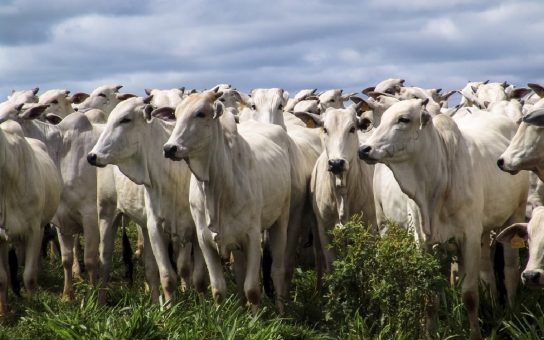
China has banned the import of livestock products from several countries due to concerns over the spread of animal diseases, including foot-and-mouth disease, sheep pox, and goat pox.

The General Administration of Customs announced the ban on January 21, following reports of disease outbreaks from the World Health Organization.

The ban affects a wide range of livestock, including sheep, goats, poultry, and even-toed ungulates, as well as both processed and unprocessed products. The restrictions apply to several countries in Africa, Asia, and Europe, including Ghana, Somalia, Qatar, Congo (DRC), Nigeria, Tanzania, Egypt, Bulgaria, East Timor, and Eritrea.

In addition, China has suspended imports from Palestine, Pakistan, Afghanistan, Nepal, and Bangladesh due to outbreaks of sheep pox and goat pox in those countries.

The latest move also includes a halt on the import of even-toed ungulates and related products from Germany following a foot-and-mouth disease outbreak in that country.

China, the world’s largest meat importer, has taken these actions in an effort to safeguard its domestic agricultural and food industries from potential disease threats.

Foot-and-mouth disease, in particular, can spread rapidly and cause significant damage to livestock herds, posing risks to both animal health and public safety.

The country’s authorities have stated that the bans are essential for protecting China’s food security and maintaining public confidence in its agricultural sector.

These actions are part of ongoing measures to ensure that China’s livestock industry remains free from diseases that could undermine both animal health and the wider economy.

While the bans are not expected to significantly impact China’s food supply in the short term, they will likely disrupt global trade, particularly for countries that are major exporters of livestock products to China.

The country has previously imposed similar restrictions when disease outbreaks have occurred in other regions, and the latest measures underline China’s commitment to maintaining strict biosecurity standards.

The General Administration of Customs noted that it would continue to monitor global disease outbreaks and adjust its import policies accordingly. Experts predict that China will continue to be vigilant in its efforts to prevent any disease from spreading to its own agricultural systems, given the potential economic consequences.


Source - https://tribune.com.pk

26.08.2026

Lithuania declares nationwide emergency after storm causes heavy damage

Lithuania’s government declared a nationwide “extreme situation” Wednesday following a severe weekend storm that caused extensive damage to crops, livestock and agricultural infrastructure.

26.08.2026

Cameroon Sets 2026 Planting Windows to Help Southern Farmers Reduce Crop Losses

Planting too early or too late can cost farmers part of their harvest. Cameroon’s National Observatory on Climate Change, or ONACC, has now set rainfall and planting windows for the second 2026 farming season across the country’s southern regions, giving producers a tool to reduce weather-related crop losses.

26.08.2026

Taiwan - Rains cause agricultural losses of NT$108m

Continuous heavy rains this past week have caused widespread agricultural damage across Taiwan, with nationwide losses of about NT$108 million (US$3.4 million) recorded as of 11am today, the Ministry of Agriculture said.

26.08.2026

USA - Eastern Shore farmers press state for more help with deer crop damage

Some Eastern Shore farmers are trying to make their voices heard about deer crop damage, saying they aren't getting enough help from the state to manage the problem.

26.08.2026

USA - A device that smells plants? How this small patch could help prevent crop loss

The ongoing fallout from the drought is impacting farmers’ crops across our state. Yield loss isn’t anything new, but technology made in our state can help prevent crop loss. 

26.08.2026

Ethiopia secures €4 million EIB climate insurance financing to protect 210,000 smallholder farmers

Ethiopia is set to receive up to €4 million from the European Investment Bank’s development arm, EIB Global, to develop and expand climate-risk insurance for about 210,000 smallholder farmers, as the country seeks to close a persistent gap in agricultural finance and protect rural incomes from droughts, floods and other weather-related shocks.

25.08.2026

Avocado growers in New Zealand assess crop losses after -5°C frost

New Zealand avocado growers are assessing crop losses after temperatures fell to around -5°C on the nights of August 5 and 6. The frost affected orchards in several growing regions, including the Bay of Plenty, as the harvest was building.

25.08.2026

Insurtech Veltha builds AI claims adjuster for workers’ comp and crop insurance

Veltha, a Y Combinator S26 Insurtech startup, is building an AI claims adjuster for regulated insurance markets, starting with workers’ compensation and crop insurance.