A recent EU-funded study, part of the Horizon Programme, showcases efforts to diversify protein sources and reduce the environmental impact of food production. The research focuses on plant-based proteins, legumes, and innovative food products as part of a wider strategy to address the environmental burden of animal farming, which is responsible for a significant portion of global greenhouse gas emissions.
Farm trials show agronomic benefits of legumes
On her organic dairy farm in southeast Ireland, Marianne Mulhall has seen firsthand the benefits of crop rotation involving legumes like peas and beans. This method helps capture nitrogen from the atmosphere, reducing the need for synthetic fertilizers, which have become increasingly expensive. “This is good for farmers, as fertilizer prices have gone through the roof in recent years,” Mulhall explains to Horizon. She is part of an ongoing trial funded by the EU to explore alternative crops that can provide nutritional protein while minimizing environmental impact.
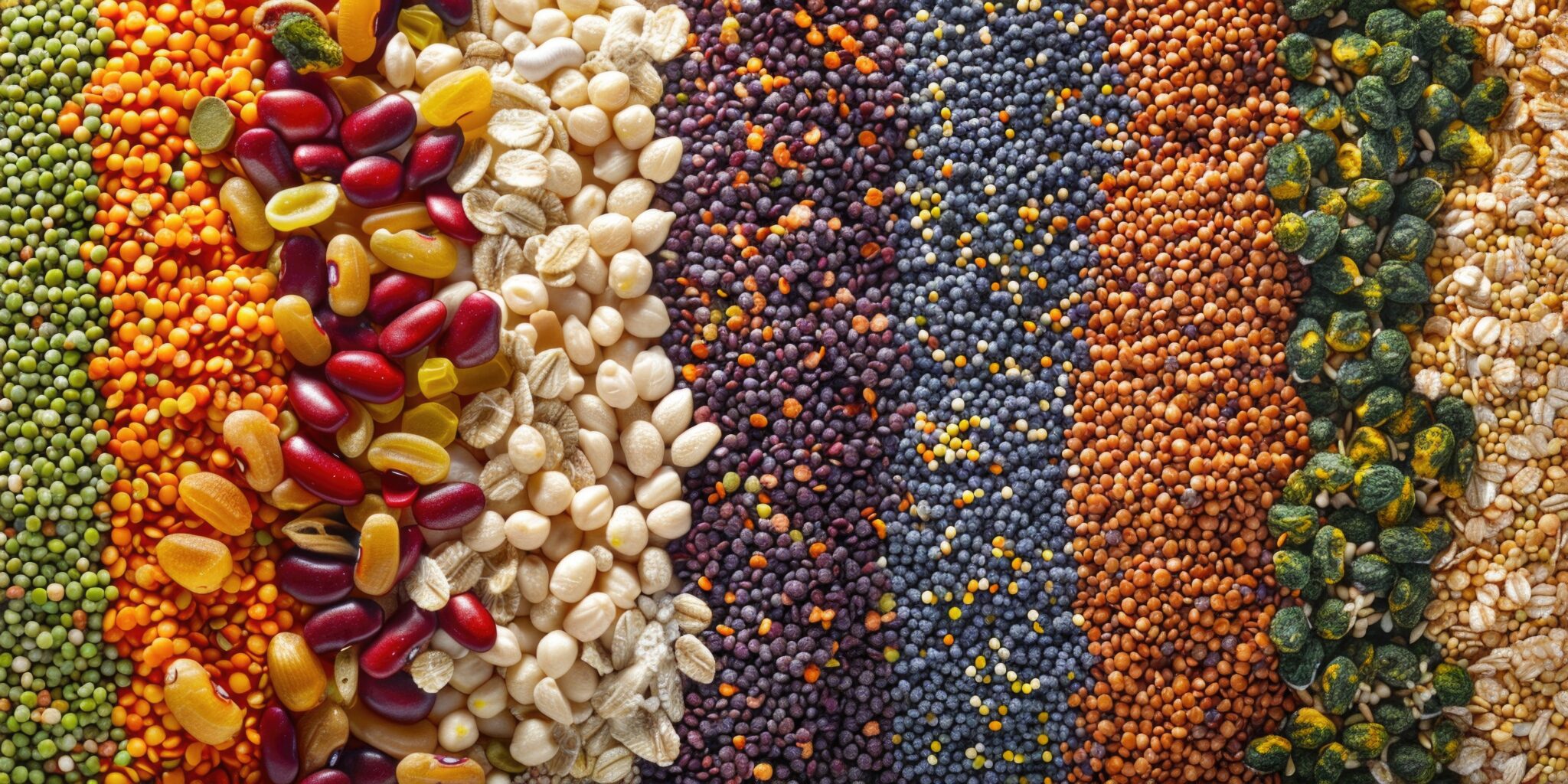
The initiative, SMART PROTEIN, brought together food scientists and experts from nine European countries to explore more sustainable protein sources. Led by Professor Emanuele Zannini at University College Cork, the research focused on legumes such as chickpeas, lentils, and fava beans, as well as quinoa, a grain already cultivated in some European regions. Zannini points out that animal-based protein production is highly carbon-intensive, with poultry, milk, and beef emitting considerably more CO2 per gram of protein than plant-based alternatives.
Adapting crops to climate change
As part of the project, researchers worked with farmers across Belgium, Ireland, Italy, Portugal, and Spain to test how different crops performed in varying climates. One of the challenges was climate change, which has made weather patterns increasingly unpredictable. The researchers also revived older European crop strains, which showed promise due to their genetic diversity and resilience to extreme weather conditions. For instance, fava beans thrived in Ireland’s climate, yielding twice the harvest of those grown in Southern Europe.
Mulhall, who is experimenting with diverse varieties of peas and beans on her farm, sees potential financial benefits for farmers. By growing food crops rather than feed crops, she anticipates a better market price for her produce.
The team also investigated the potential of combining plant proteins with fungi and yeasts, creating new food products like plant-based yogurts, cheeses, and even mock crab meat. “The resulting plant-based foods were a particular success,” says Zannini. This approach is being refined and further developed for wider use, including in meat substitutes and infant formulas.
GIANT LEAPS aims for 2030 shift
The research is continuing under Dr. Paul Vos, who is leading another EU-funded project, GIANT LEAPS, aimed at scaling up alternative proteins. Vos and his team are exploring how to integrate these proteins into mainstream European diets, with the goal of reaching a 50/50 split between animal and plant protein by 2030. “With the least amount of change to a consumer’s diet, we aim to have the largest impact on environmental and health indicators,” Vos explains.
One major challenge identified by the GIANT LEAPS team is the cost of plant-based substitutes, which can be significantly higher than their animal-based counterparts. Survey data from Switzerland found that many consumers are more willing to accept alternatives made from familiar ingredients, such as peas or potatoes, rather than more novel products like cultured meats. Reducing the price gap and improving the taste and nutritional profile of these alternatives will be key to broadening consumer acceptance.
Source - https://vegconomist.com