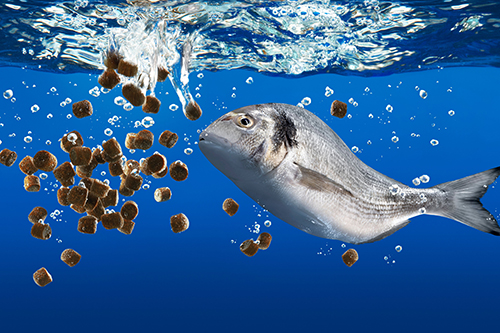
A hike in the cost of feed following the sharp depreciation of the Egyptian pound in the last year has left local fish farmers are under pressure.
The cost of fish feed on the Egyptian market ranged between EGP 25,000 and 28,000, which is roughly equal to $500 to $550. In local currency, the price has nearly doubled during the past year, owing to a rapid pound depreciation, Mazen Al-Sawaf, a researcher and fish farm owner, told local news publication The Independent Arabia.
Aquaculture’s economic importance
Aquaculture accounts for approximately 80% of Egypt’s total fish production, valued at $3.5 billion. Several fish species are commercially produced in the country, including Nile tilapia, which dominates the industry and represents 61.7% of the total farmed fish, and mullet, with a 22% stake in overall production.
Dependence on imported inputs
Egypt remains tightly dependent on the import of fish feed and feedstuff, such as corn and soybeans, Al-Sawaf admitted.
“This fact has made the industry vulnerable to rapid fluctuations of feed costs in the face of the foreign exchange crisis persisting during the last 3 years,” Al-Sawaf stated.
Currency value drops significantly
The Egyptian pound, which was traded at US$30 in March 2024, has lost 40% of its value against hard currency, with the exchange rate reaching US$51 now.
The industry is vulnerable to rapid feed cost fluctuations amid Egypt’s ongoing currency crisis.”
Feed demand still rising
Despite the challenges, the Egyptian fish feed market is set to grow in the coming years.
Under the current forecasts, Egypt’s aquaculture feed market demand will grow from 1.4 to 1.5 million tonnes in 2024 to 2 million tonnes in 2032, USDA said in its recent update on the state of play in Egypt’s aquaculture industry.
Industry feels cost pressure
The US analysts also admit that rising costs hurt the industry.
Since 2024, feed input costs have increased as competition for feed ingredients with the poultry and dairy sectors increased the costs of processed aquafeeds. As a result, many farmers could not afford the high costs and had to use cheaper feed, which led to a decrease in quality, USDA noted.
“To meet the increase in feed required, significant investments in aquaculture feed have taken place with more investments targeting marine species feed,” USDA stated.
Heavy reliance on US Soy
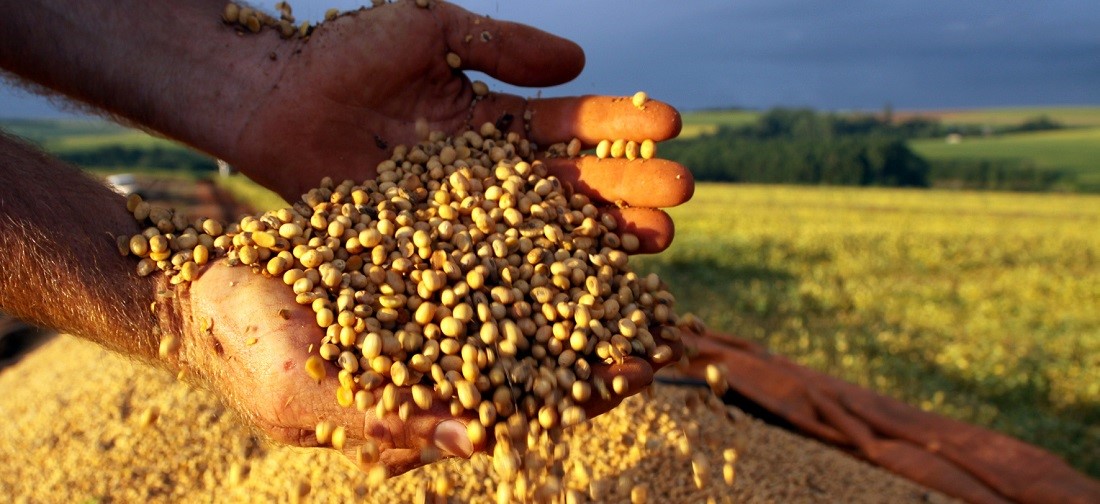
Egypt is primarily relying on US soybeans to meet local demand. From 2019 to 2024, US soybean exports to Egypt accounted for almost 72% of the total beans exported to Egypt. In 2020, Egypt was the third-largest soybean export market for the United States.
Source - www.allaboutfeed.net