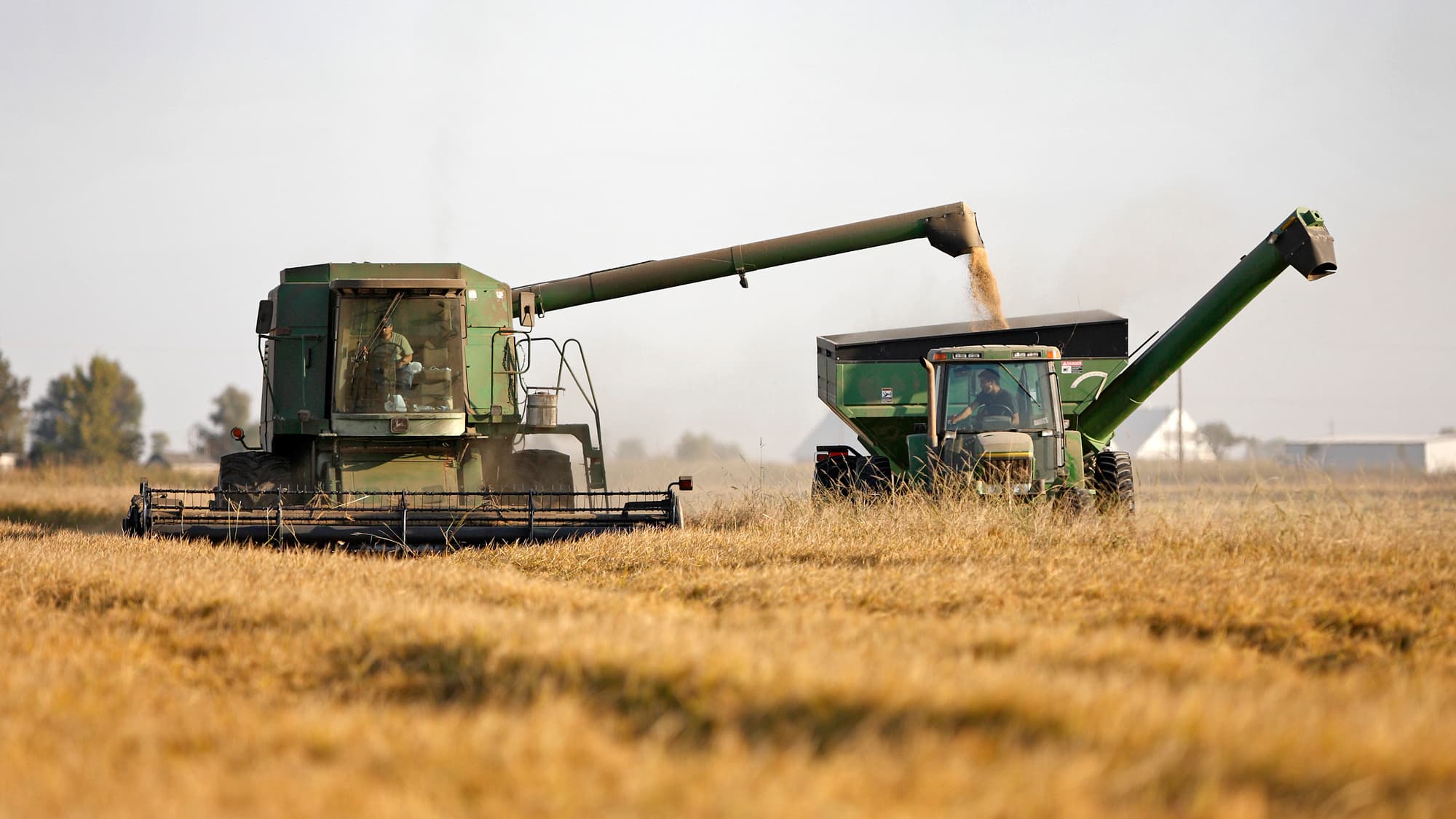
Ghana loses an estimated $3 billion worth of food to post-harvest losses each year, a figure nearly equivalent to the country’s entire annual food import bill, a senior government official has disclosed, as authorities outlined a national plan to build storage and market infrastructure to reverse the trend.
Dr. Peter Boamah Otokunor, Director of Presidential Initiatives on Agriculture and Agribusiness, made the disclosure at the maiden Agricultural Fair organised by the General Agricultural Workers’ Union (GAWU) of the Trades Union Congress in Accra. The event, held under the theme “From Farm to You: Decent Work Today, Food Security Tomorrow,” brought together farmers, agribusiness operators, labour unions and policymakers to examine structural challenges within the sector.
Dr. Otokunor said consultations with farmers across the country consistently reveal the same picture: the capacity and willingness to produce are present, but inadequate storage, weak market linkages and limited access to credit continue to erode gains. He said addressing this requires a fundamental shift in how the private sector engages with agriculture, particularly in financing and managing storage and logistics infrastructure.
At the centre of the government’s response is a proposed one million metric tonne modern storage system, which officials say will reduce post-harvest losses and help stabilise food supply throughout the year. Dr. Otokunor indicated that plans are also underway to establish a national food buffer system and farmer service centres to provide integrated support covering input supply, technical assistance and market access in one location.
He also backed the creation of a Ghana Agriculture Services Authority to improve coordination across the sector, streamline policy delivery and strengthen accountability at the ministerial and district levels, a proposal that GAWU itself has championed for several years.
Agriculture Minister Eric Opoku, whose remarks were delivered on his behalf by Dr. Solomon Gyan Ansah, underscored that improving conditions for farm workers is inseparable from improving productivity. The Minister argued that wages, safety standards and social protection for agricultural workers must be strengthened if the sector is to attract and retain a reliable workforce. He challenged financial institutions and agribusinesses to move beyond conventional engagement models with smallholder farmers, stressing that more targeted financial products and inclusive business arrangements are needed to unlock the productive capacity of small-scale producers.
Research institutions were also urged to close the gap between scientific output and on-farm application, ensuring that advances in seed technology, soil management and crop protection reach the farmers who need them most.
The Food and Agriculture Organisation (FAO) estimates that agriculture provides more than 90 percent of Ghana’s food needs, accounts for 40 percent of export earnings, and employs a significant proportion of the workforce, yet yields for major staple crops remain below regional averages and the sector continues to operate below its productive potential.
Government reaffirmed its commitment to building a more competitive agricultural economy, with officials stressing that reducing import dependence and improving food security will require sustained and coordinated investment from both public and private actors.
Source - https://www.newsghana.com.gh