Holding that citizens cannot be forced to bear losses caused by protected wild animals, the Nagpur Bench of the Bombay High Court has ruled that denying compensation to a farmer merely because parrots were omitted from a government list would breach principles of equality. The court said statutory law prevails over administrative resolutions and warned that leaving farmers uncompensated could provoke them to take harmful steps against wildlife.
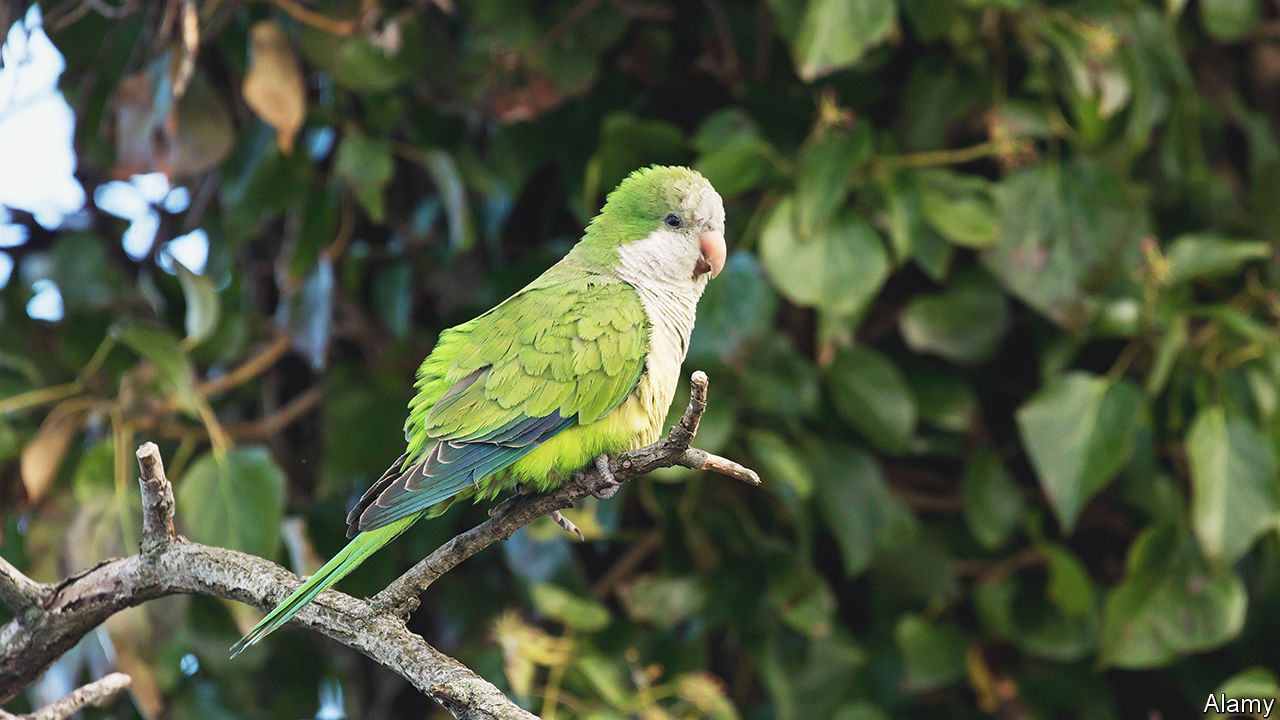
In a significant judgment balancing environmental protection with livelihood rights, the division bench of Justice Urmila Joshi-Phalke and Justice Nivedita Mehta held that parrots are protected wild animals under Schedule II of the Wildlife (Protection) Act, 1972, and cannot be denied coverage under compensation schemes merely because they were omitted from executive notifications.
“It is well settled that a person entitled to compensation under statutory provisions cannot be deprived of it merely because some species are not included in the Government Resolution,” the bench observed.
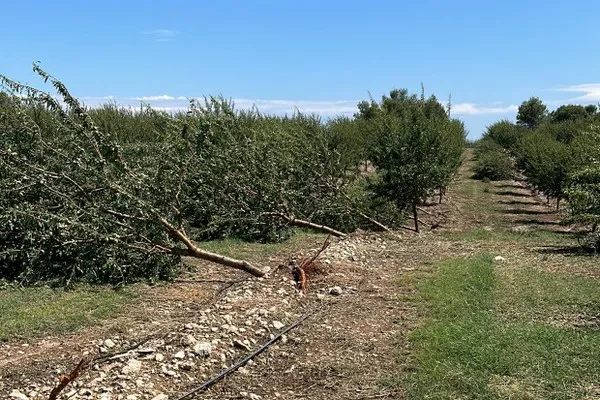
The observations came while allowing a petition filed by Mahadeo Dekate, a 70-year-old farmer from Hingni village of Wardha district, whose pomegranate orchard adjoining the Bore Wildlife Sanctuary was allegedly damaged by flocks of parrots in May 2016.
Dekate had planted 800 Bhagwa variety pomegranate trees on 1.5 acres of land. A spot inspection by agriculture officials found that around 50 to 55 per cent of fruits on sampled trees had been damaged, with no signs of attack by any other animals. Officials concluded the loss was caused by birds like parrots.
However, compensation was refused because parrots were not specifically named in state government resolutions that provide relief for crop damage caused by certain wild animals such as wild boar, deer, monkey, elephant and bison.
The court held that statutory provisions would override government circulars and resolutions. It further said granting compensation for damage caused by some protected species while denying it for others without rational basis would offend Article 14 of the Constitution.
Allowing the petition, the court declared Dekate entitled to compensation at ₹200 per tree for 200 pomegranate trees under the category of “other fruit-bearing trees” in the July 2, 2010 government resolution.
The court observed that the compensation scheme was created to make good losses suffered by farmers whose standing crops and fruit-bearing trees are damaged by wild animals. It said once that object is recognised, it “makes no sense” to compensate for damage caused by only a few species while ignoring losses caused by others.
The bench noted that parrots are protected animals under Schedule II of the Wild Life Act and “merely because the GR does not include birds like parrots, that would not be sufficient to deprive the petitioner from getting compensation.” It further held that the Wild Life Act, being a legislative enactment, would prevail over an administrative circular or resolution.
The court observed that under Section 39 of the Wild Life Act, specified wild animals are treated as the “property of the State”, and parrots are among them. The court said every citizen is expected to act as a protector of such wildlife and, therefore, farmers cannot be made to suffer losses caused by these animals without relief.
The bench warned that otherwise the affected persons may “resort to their own defences” to protect crops and fruit-bearing trees, which could harm wildlife and nature. It was therefore held that government resolutions must be read with the relevant statutory provisions.
Source - https://www.lokmattimes.com