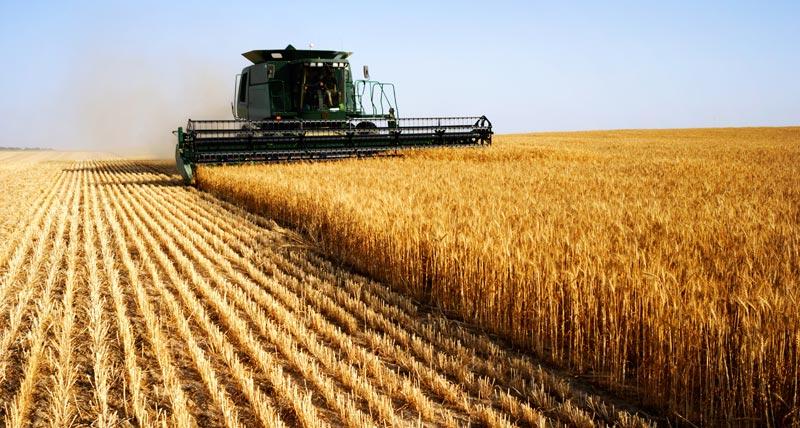
Morocco’s ongoing heatwave is putting increasing pressure on the country’s agricultural sector, with farmers and experts warning that extreme temperatures are damaging crops, accelerating water depletion and raising the risk of lower yields despite improved rainfall earlier this year.
Agriculture professionals say water management has become the sector’s biggest challenge during periods of extreme heat, urging farmers to adopt more efficient irrigation practices to protect crops and conserve groundwater.
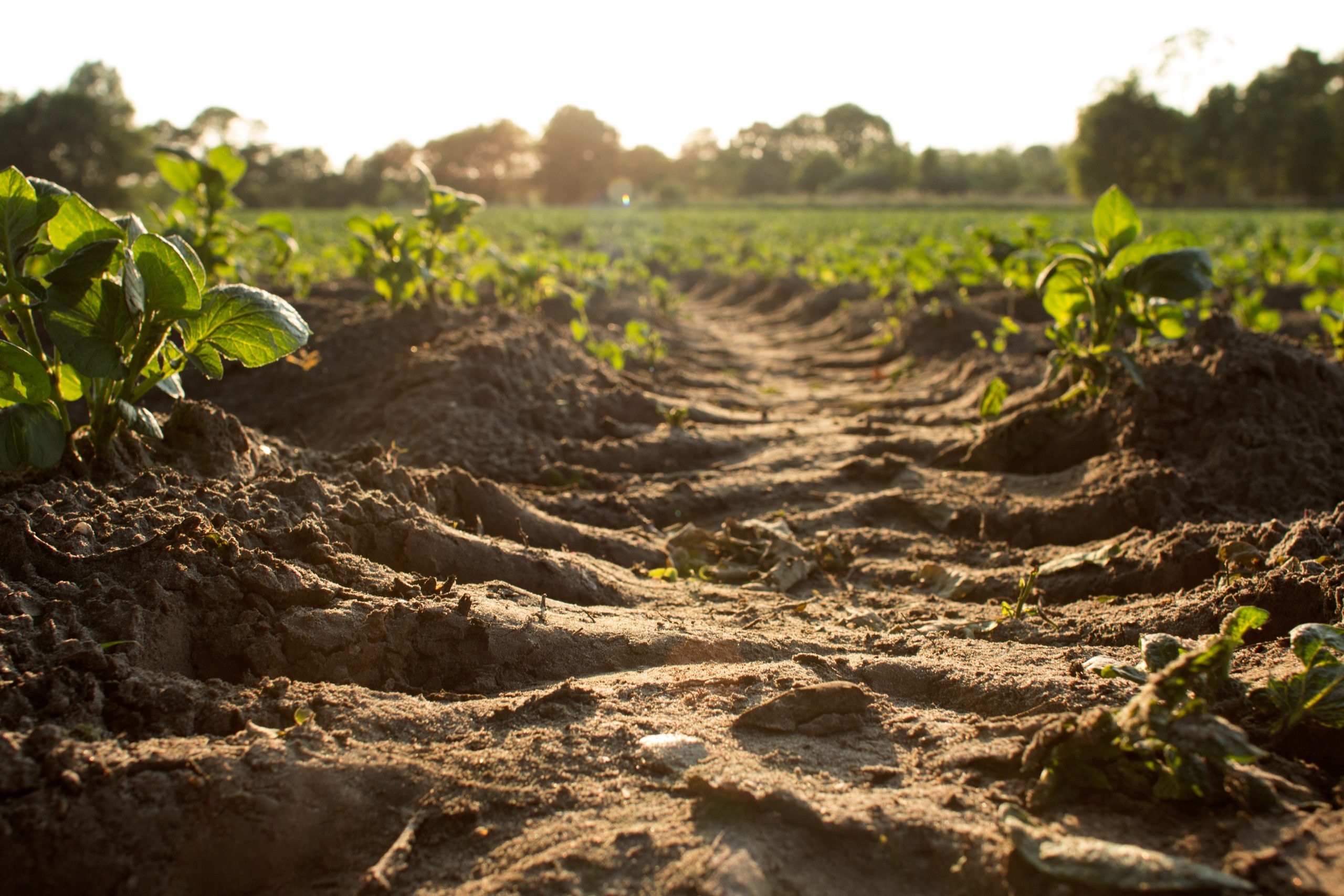
Rachid Belkadi, a farmer in the Saiss Plain, said the potato harvest is nearing the end of its season, with remaining crops still exposed to high temperatures.
He added that onion production, which had initially shown excellent prospects, has recently suffered from the heat, leading to the appearance of a disease locally known as “harriqa” or “lanterno.”
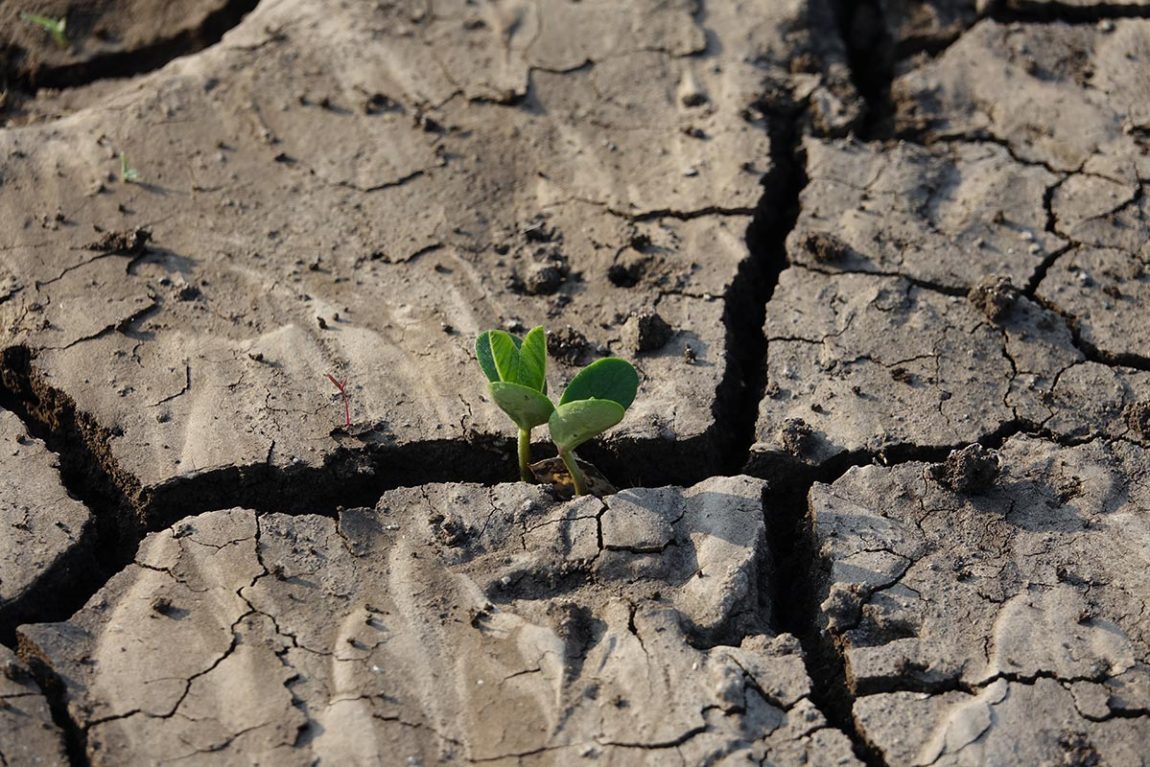
Belkadi also warned that the heat is rapidly depleting groundwater reserves.
“Even when irrigation is carried out day and night, the crops still appear thirsty and wilted because of the extreme temperatures,” he said.
He added that sudden heatwaves can severely damage fruits and vegetables during critical growth stages, citing onions, watermelons and the region’s seasonal fruit crops among those affected.
Belkadi advised farmers to irrigate during cooler periods, such as early morning and evening, while avoiding watering during the hottest hours of the day. However, he noted that exceptionally intense heatwaves can overwhelm even the best farming practices.
Agricultural biotechnology expert Kamal Abrakani said Morocco has benefited from improved rainfall and higher dam levels this year after several years of drought, but warned that heat stress and water stress remain closely linked threats to agriculture.
He said cereal crops have become more vulnerable because some farmers delayed planting, leaving portions of the wheat and barley harvest still standing in fields during the current heatwave.
“The longer these crops remain unharvested, the greater their exposure to extreme temperatures and the higher the risk of fires,” Abrakani said.
Fruit trees have also been weakened after years of cumulative water stress, he added.
“Despite this year’s rainfall, many orchards have not fully recovered,” he said. “Their natural defenses remain weak, making them more vulnerable to pests, fruit drop and lower-quality harvests.”
Abrakani said seasonal crops, including wheat, tomatoes, watermelons and melons, are also being affected by prolonged periods of high temperatures.
He warned that while warm weather can initially stimulate market activity, persistent hot, dry Chergui winds could result in significant losses for farmers and disrupt the balance between supply and demand.
To reduce the impact of future heatwaves, Abrakani called for more efficient irrigation scheduling, the use of natural plant stimulants to improve crop resilience, the adoption of heat-tolerant seed varieties and greater use of digital early-warning systems to help farmers respond proactively to extreme weather conditions.
Source - https://en.hespress.com