Heavy to very heavy rainfall that continued for 48 hours last week triggered floods and landslides, causing an estimated Rs17 billion in losses to Nepal economy, according to the government preliminary report unveiled on Tuesday. Economists, however, say the actual losses could be more than three times the preliminary estimate.
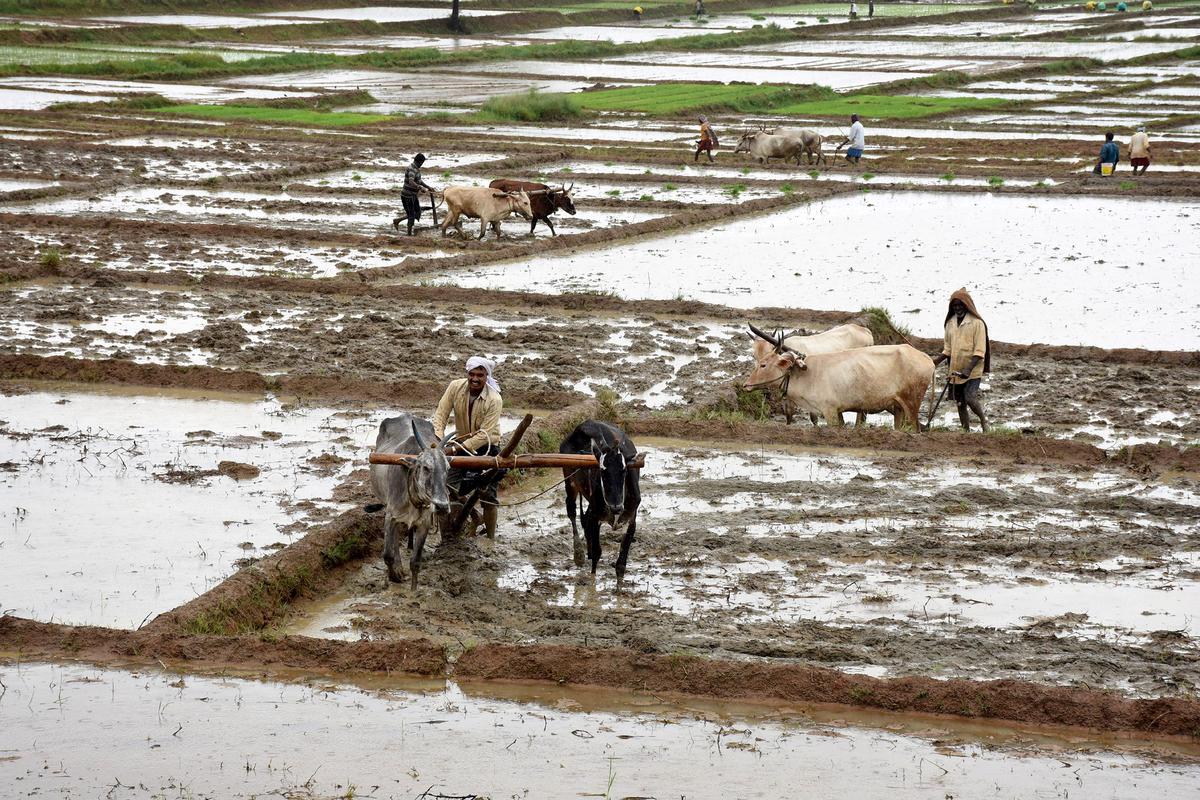
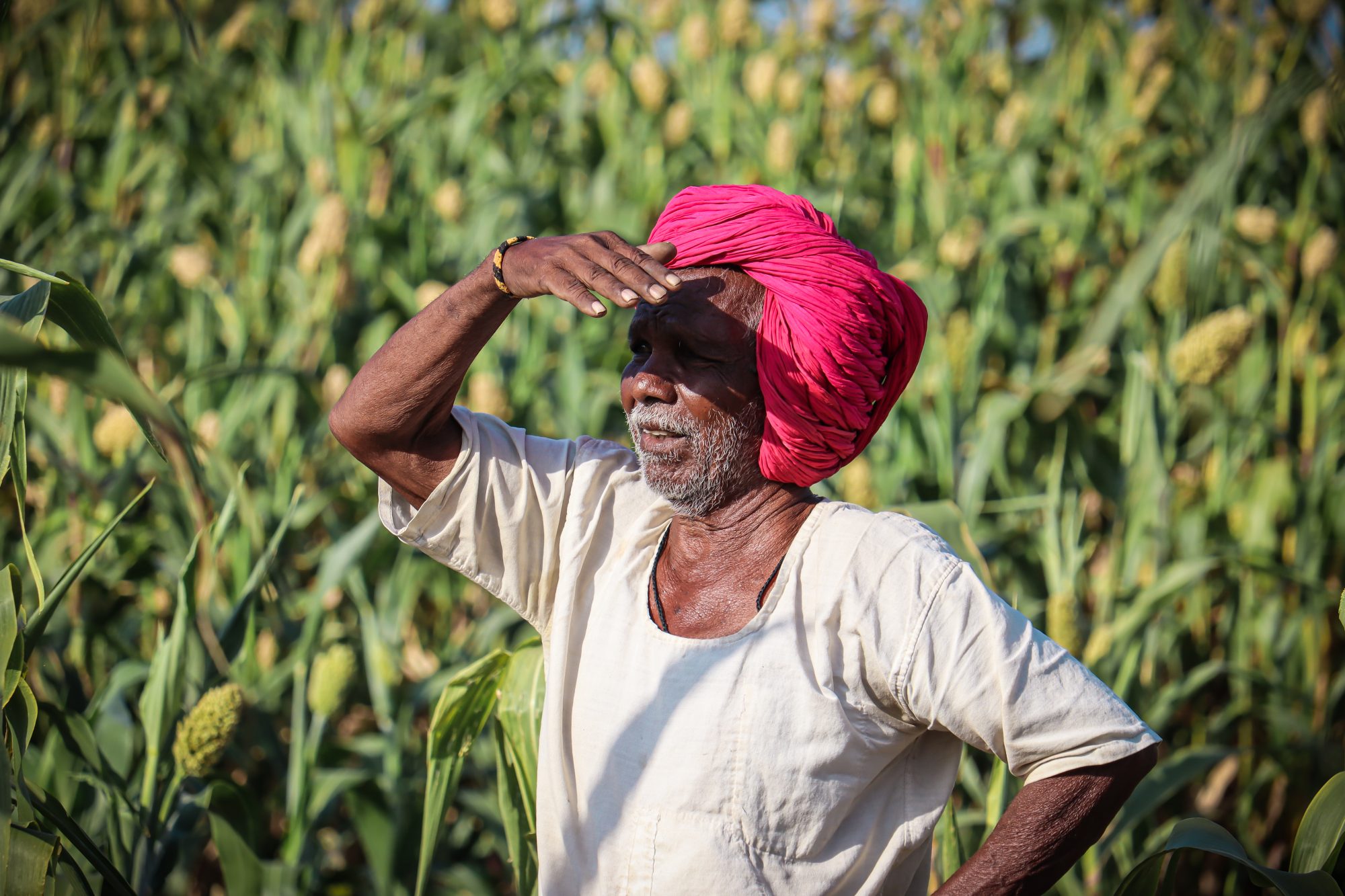
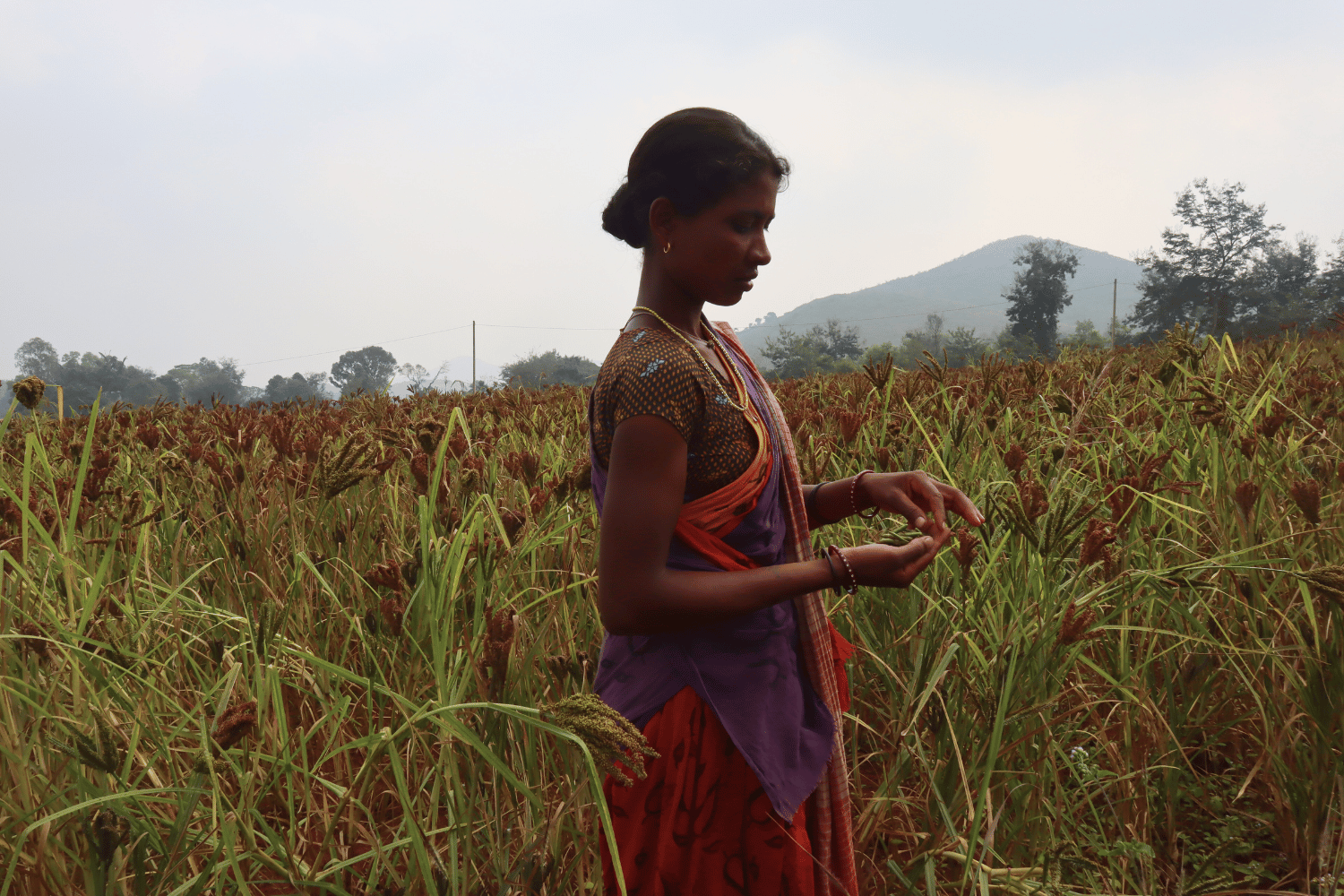
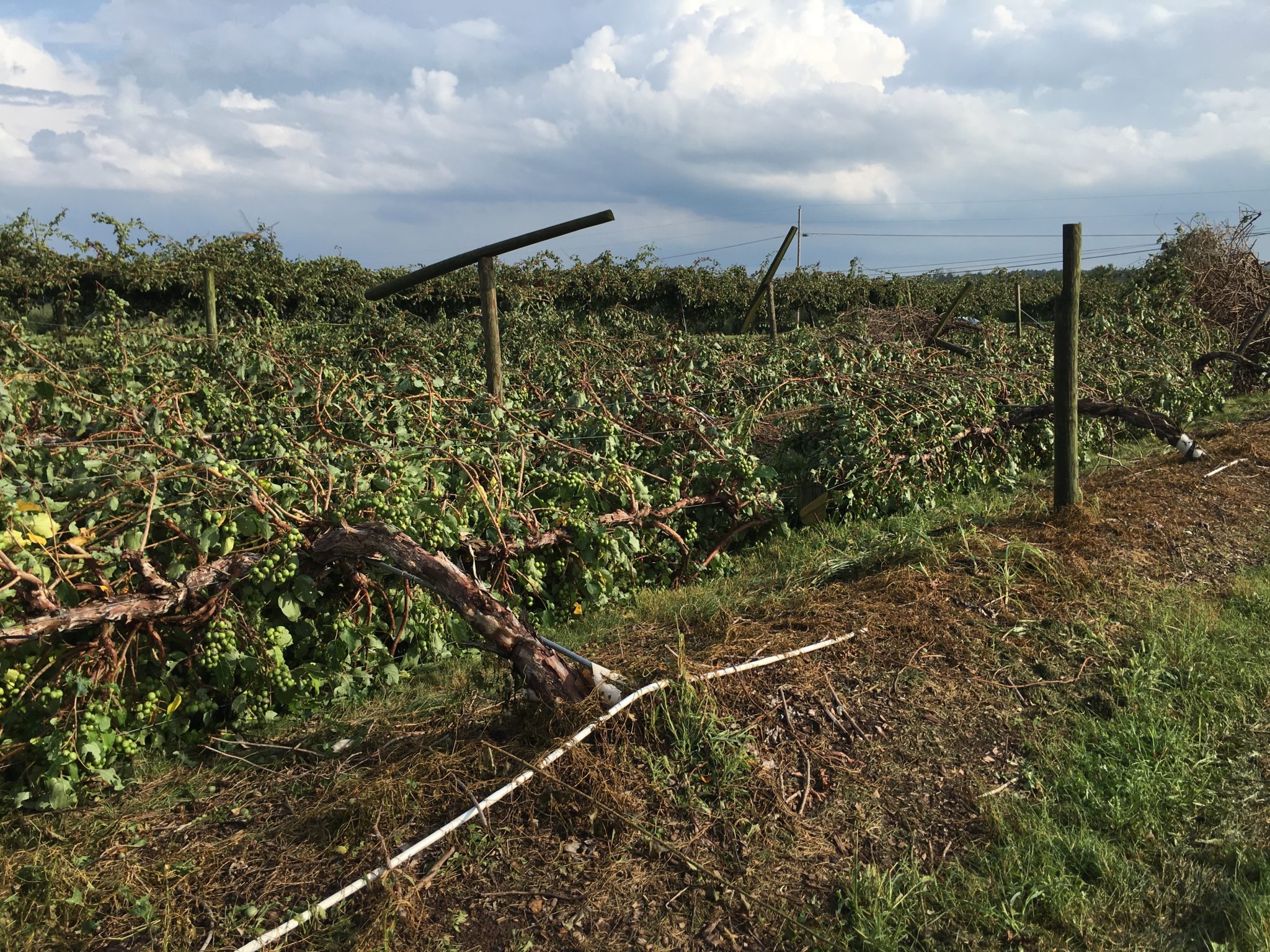
The agriculture sector took the hardest hit, suffering significant damages.
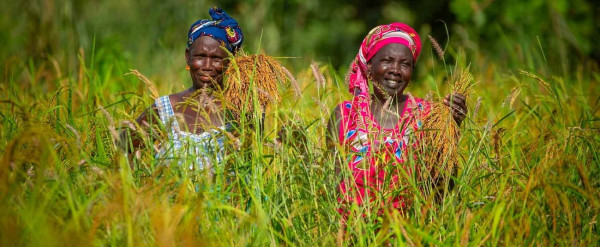
The late-monsoon rainfall flooded and inundated large acreage of crops, with the government projecting an initial loss of Rs6 billion. “This is a preliminary estimate. Losses in the agriculture sector could be staggering,” said an agro-economist at the Department of Agriculture.
“The crop losses will have a significant impact on the economy. It will reduce the economic growth rate, increase food prices, reduce farmers’ income, and the food imports will balloon,” he said. “Higher food prices are especially heavy on low-income households, who already spend much of their income on food.”
Over the past decades, natural disasters have become increasingly frequent and intense, posing significant risks to economic activities.
Nepal’s rain-fed economy has borne the brunt of the monsoon rainfall, which was earlier projected to benefit the country’s ailing agriculture sector.
It, however, turned nasty.
Chief Secretary Eknarayan Aryal told a press conference in Singha Durbar on Tuesday that the agriculture sector, the lifeline of Nepal’s economy, suffered the biggest losses, amounting to Rs6 billion.
This was followed by the energy sector, which suffered a loss of Rs4 billion, water supply Rs3.55 billion, road Rs2.52 billion, and irrigation Rs1 billion.
Aryal said that 21 districts were affected, with Sindhuli, Kavrepalanchok, Sindhupalchok, Dhading and the Kathmandu Valley the hardest hit.
He said the floods and landslides damaged 37 highways, 312 telecom sites, five major transmission lines, and 16 hydropower projects with a combined capacity of 664 MW.
“The destruction was huge. But it’s too early to quantify the exact losses,” said Keshav Acharya, an economist.
“Our rough estimate shows that the September disaster may shave off 1 percent from the national GDP,” he said. This translates to Rs57 billion in losses.
“Key sectors like service and agriculture, drivers of Nepal’s economic growth, have been hit hard,” said Acharya.
“The disaster affected Nepal’s economic hub—the Kathmandu Valley, which accounts for one-fourth of the GDP.”
The government may take months to develop the final loss estimates, but experts say before making tall promises to immediately begin the reconstruction drive, it must first assess the health of its treasury.
“The government is bankrupt,” said Nara Bahadur Thapa, former executive director of the research department of Nepal Rastra Bank.
The government, already in a budget deficit, still owes around Rs40 billion to contractors, Rs13 billion to state-owned commercial banks in interest subsidies, and nearly Rs13 billion to the insurance and health sectors.
According to Thapa, the disaster may cause an economic upheaval if not prudently addressed.
Agriculture and energy output may drop sharply. Now, instead of exporting electricity to India, Nepal has to buy it. The disaster will also affect tourism. People will not travel, and the transport sector will be hit. And when people don’t travel in the festive season, consumption will be hit.
Before the September 28-29 rainfall, the Asian Development Bank projected Nepal’s growth to be 4.9 percent due to a good harvest caused by the regular and strong monsoon, the prospect of energy trade, and improved tourist arrivals.
“The disaster has become a headache for the government. It is facing a budget deficit, and funding reconstruction and providing relief would require a huge sum of money, which the government does not have,” said Thapa.
Aryal, the chief secretary, told the press meeting that the government’s priority would be relief and reconstruction. However, he did not explain how to fund them.
The government said 30,731 security personnel were mobilised for search and rescue.
According to the Armed Police Force, the death toll from the disaster has risen to 238, with 29 people still missing. The report said that the disaster destroyed 1,769 houses and 55 bridges.
Nepal is bearing the brunt of climate change.
According to a recent survey report, climate change has profound impacts on Nepal’s economy, particularly on agriculture, water resources, and biodiversity.
The National Climate Change Survey 2022, released by the National Statistics Office (formerly the Central Bureau of Statistics) paints a stark picture of Nepal's climate change situation and urges urgent intervention for the resource-starved Himalayan nation.
According to the survey, the economic losses in farm and off-farm in the last five years, as reported by households, excluding significant infrastructure damage, amounted to Rs415.44 billion.
At the UN General Assembly in New York, just a few days before the disaster in Nepal unfolded, Nepal’s Prime Minister KP Sharma Oli urged global leaders to take action, including by adequately financing climate adaptation and establishment of a loss and damage fund for vulnerable nations like Nepal.
“None of the global challenges we face today has been imposed by aliens. These are of our own making,” he said. “Through understanding, trust, and cooperation, we can overcome them.”
On Tuesday, back home in Nepal, Oli told the press meeting that the government would compensate farmers for their losses. “We will send teams to different disaster-hit areas to assess losses. We will also provide relief for the people whose houses have been damaged and who are not insured.”
“The government will take short, medium and long-term measures to tackle the problems. Yes, we showed some shortcomings in rescue operations, which will be corrected.”
The government plans to complete the search and rescue work within a few days and distribute the relief through a unified system.
Chief Secretary Aryal informed that the homeless will be allowed to build temporary housing in a place designated by the government.
This year, at the start of the monsoon season, South Asian meteorologists had said that most of the region, including Nepal, would get above-normal monsoon rainfall, which is good for Nepal’s rain-fed agriculture system.
However, experts have said it was also a warning sign. Excess rain can result in disasters and may offset economic gains. “We were not prepared for this kind of situation… for a disaster of this scale,” the prime minister said.
Source - Katmandu Post