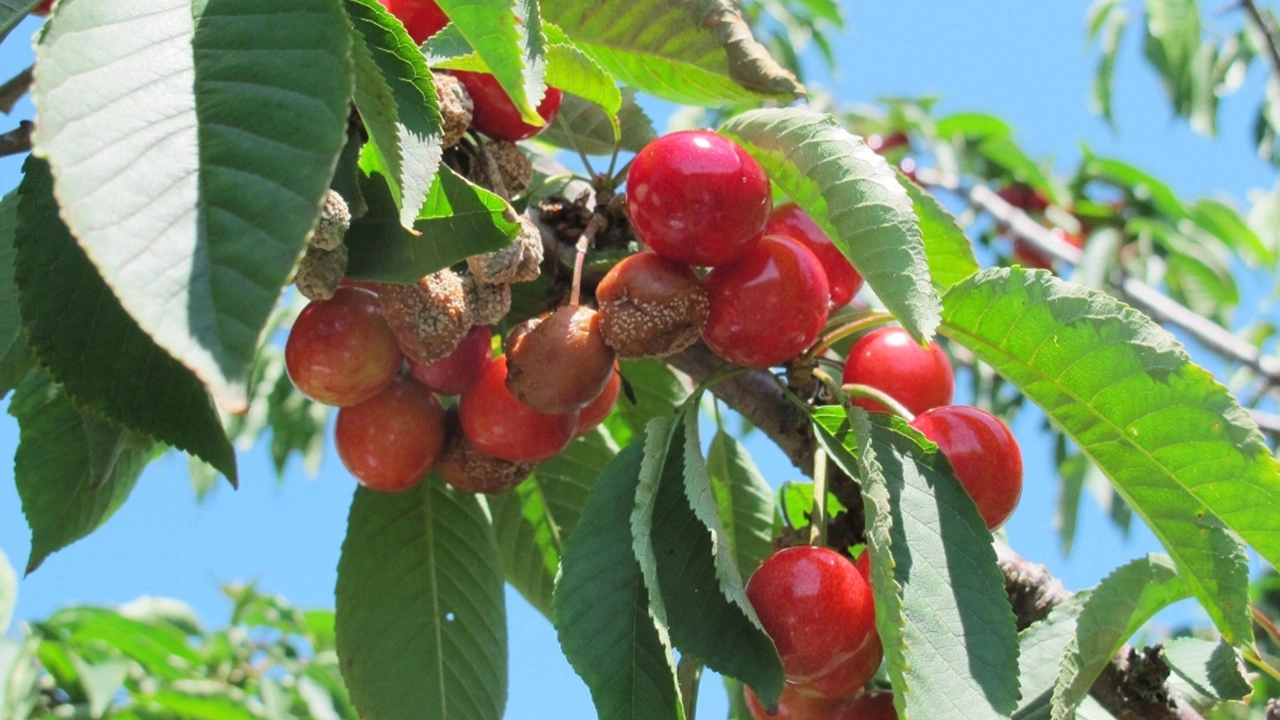
Hungarian cherry growers are bracing for their worst harvest in 25 years after devastating April frosts wiped out nearly 90% of the country's fruit-growing areas, reported Hungary Today.
What happened?
The brutal cold snap brought freezing temperatures below minus 8 degrees Celsius to regions across Hungary, destroying cherry crops despite farmers' best efforts to protect them.
Even modern frost protection methods couldn't combat what experts called "transported frost," a destructive weather pattern that proved nearly impossible to defend against.
The disaster struck in early April just as the growing season was showing promise for a normal harvest. Cherry production areas in Pest, Heves, and Szabolcs-Szatmár-Bereg counties, Hungary's main growing regions, suffered the most damage.
Crop losses of 80% or more are expected across most areas, with only regions around Lake Balaton escaping the worst effects. Hungary's cherry cultivation spans about 2,500 hectares, but 80% to 90% relies on semi-intensive farming systems that leave crops especially vulnerable to weather extremes.
"Overall, Hungarian cherry cultivation, regardless of cultivation methods and frost protection measures, is facing its worst crop failure in 25 years," according to the assessment from the FruitVeB Hungarian Fruit and Vegetable organization.
Why are these April frosts concerning?
The cherry crisis reflects how our overheating planet is creating more unpredictable and extreme weather patterns that threaten food security and farming livelihoods.
While global temperatures rise, the disrupted climate system produces more severe cold snaps, heat waves, and other extreme events.
For Hungarian farmers, this disaster means potential financial ruin after investing in crops and failed protection measures. Many growers struggle with labor shortages and the high costs of upgrading to more resilient farming systems.
You'll likely feel the impact at grocery stores, where cherry supplies will be significantly lower and prices considerably higher this season. Hungary typically harvests between 10,000 and 12,000 tons of cherries in normal years, but this year's yield could match the dismal 5,000-ton harvests seen during the frost disasters several years ago.
What's being done about these April frosts?
Farmers are investing in more advanced frost protection systems and considering shifts to hardier crop varieties that can better withstand temperature swings.
Some growers are exploring greenhouse cultivation and other controlled environment methods that offer more protection from extreme weather.
Source - https://www.yahoo.com