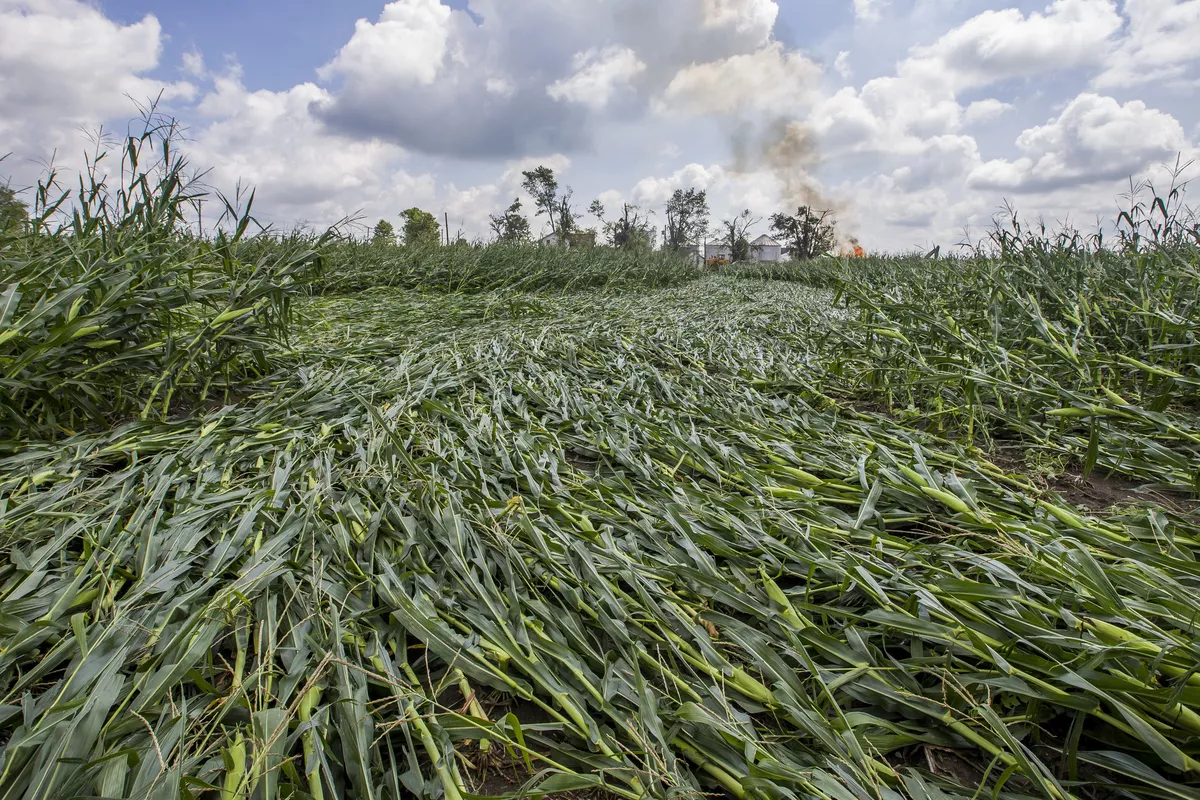
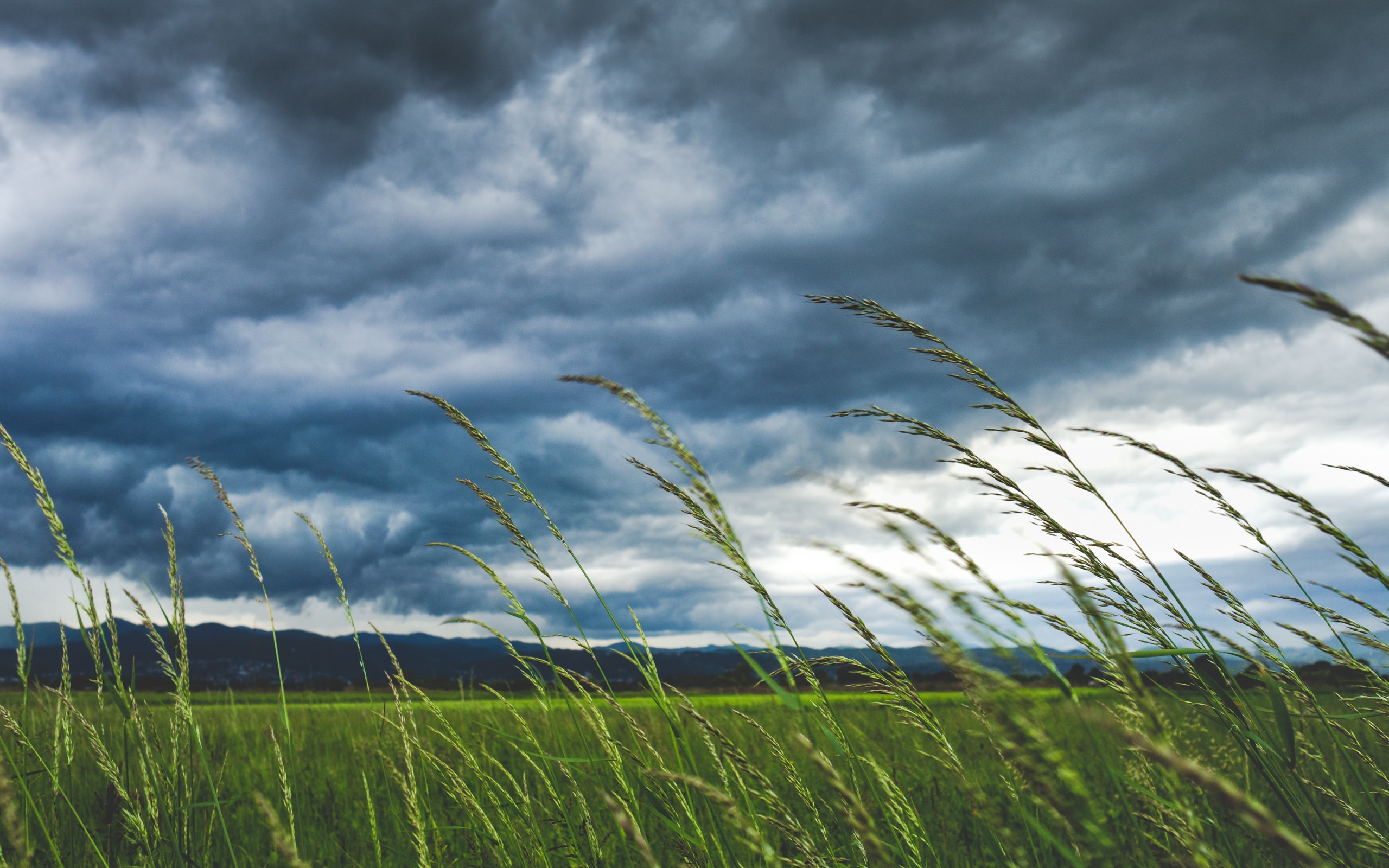
The two most important issues facing humanity in the 21st century are climate change and food insecurity. Heat waves, flash floods, droughts, and cyclones — some of the ongoing effects of climate change — are negatively impacting the lives and livelihoods of Indian farmers.
Smallholder farmers, comprising a majority of them in India, face a host of barriers. From the use of non-scientific practices, high input, and labor costs, lack of good market access, indiscriminate use of pesticides, and more. But in 2023, a new major consideration has emerged — climate. In fact, 63% of smallholder farmers cited climate as their top concern, and 70% experienced crop loss due to variations in weather, according to a recent study by The Rockefeller Foundation.
Adding to these woes are population expansion and dietary changes, which are contributing to an increased demand for food. Farmers are now struggling to meet this demand. Climate change is expected to negatively impact crop productivity leaving India to grapple with the twin goals of raising productivity whilst trying to enhance sustainability and resilience. What’s causing these challenges?
The rainfall conundrum
Rising global temperatures are causing major changes in rainfall patterns in India. With a majority of the farms being rain-fed, following traditional methods of cultivation, and deploying improper irrigation methods, the vagaries in monsoons can have a debilitating effect on agricultural output and the livelihoods of farmers.
According to the World Economic Forum, in August 2023 India witnessed 40% lower rainfall than normal, and became the driest month in India’s agricultural history since 1903. February was officially declared the hottest month since records began in 1901, while in June, Cyclone Biparjoy became the longest-duration cyclonic storm in the northern Indian Ocean since 1977. Extreme weather events not only bear a massive impact on domestic food production but also affect farmers’ livelihoods as exports are naturally curbed to maintain food security.
Increase in pests and crop diseases
Rising global temperatures and unseasonal rainfall are giving rise to new crop diseases. While seed producers change disease-resistant varieties once in eight-ten years, it now requires changes in three to five years.
Newer crop diseases, resistant to most varieties of pesticides and insecticides are contributing to lower yields in India. For instance, tomato growers in the country have been struggling to control new viruses for about a decade now, and production of ginger, capsicum, chilies, and papaya has also been affected due to newer pests and diseases. 54% of farmers in the country cited pests or diseases as one of the major reasons for low yields.
Soil degradation: Its impact on greater yields and health
According to the National Bureau of Soil Survey and Land Use Planning, of the 146.8 million hectares under cultivation in the country, around 30% of the soil in India is degraded. Excessive and imbalanced use of inorganic fertilizers, poor irrigation mechanisms and water management techniques, pesticide overuse, inadequate crop residue, and poor crop cycle planning is contributing to soil degradation in the country, bearing a huge impact on farmers.
The injudicious use of pesticides and insecticides in agriculture has resulted in several associated adverse effects including environmental pollution, ecological imbalances, pesticide residues in food, fruits and vegetables, fodder, soil and water, pest resurgence, human and animal health hazards, destruction of bio-control agents, development of resistance in pests. It’s perhaps why More than half the farmers in the country say their soil fertility has decreased, while 57% of farmers who started using new categories of fertilizers and pesticides in the last 5 years felt their soil had deteriorated since introducing the chemicals.
The use of pesticides has intensified in the last decade. Its marketing and promotion have been done in such a way that a majority of farmers in the country now believe that the only way for a good crop is to use more and more pesticides. As a consequence, pesticide usage is widespread, despite the Union government’s recent ban on over 60 varieties of pesticides and insecticides. Apart from soil degradation, injudicious use of pesticides has a large bearing on health. About 40% of the total registered pesticides in India are categorized as highly hazardous owing to their adverse impact on public health. Poor pesticide management results in exposure of farmers and farm workers and contamination of agri produce, which is also harmful to end consumers. This calls for greater awareness and training among farmers about climate-smart agriculture, and alternative methods of cultivation like residue-free and organic farming that curb soil degradation and ensure the health and safety of farmers and consumers.
The way ahead
Climate change is increasing the dangers farmers face, prompting them to re-evaluate their practices. Farmers are taking a variety of adaptation measures to reduce the negative effects of climate change. However, the lack of awareness and access to information, and slow technology adoption are hindering progress towards a sustainable future. The existing challenges have created a chasm that can only be bridged with a holistic strategy, driven by climate-smart practices. What does this really entail?
Research and development to support farmers
The ongoing challenges call for scientific solutions to combat climate change, leading to agricultural prosperity. The onus is on both governments and agribusinesses to invest in forward-looking tools and solutions to ensure farmers in India are provided with world-class products. These include R&D into climate and disease-resistant seeds and focus on plant pathology. Research into seed health can help achieve plant pathology and result in the development of varieties resistant to pests and diseases, promising higher yields, and reducing reliance on pesticides.
Simultaneously, research into seed health ensures development of pathogen testing protocols are in sync with international standards ensuring farmers have access to newer varieties of seeds. Heading into the future, the focus must shift to hybrids and open-pollinated varieties (OPVs), with a focus on regional preferences, adaptability, disease resistance, yield and shelf life, ensuring changes in climatic conditions don’t hamper agricultural activities.
Assisting farmers in adapting to a new agricultural future
One of the major reasons why farmers in India struggle with changing climatic conditions is because many still follow traditional methods of agriculture. However, with growing access to social media and the internet, many farmers in the country agree that deploying the latest technologies is crucial to sustain a plentiful agricultural future. But the problem lies in implementation.
Governments and the private sector bear a collective responsibility in educating farmers about the latest technologies and sustainable, data-driven methods of cultivation. In a country with a large number of small-holder farmers, deploying field assistants to build awareness is central to ushering the change towards sustainable practices such as residue-free farming.
Data-driven agricultural practices
Agriculture plays a pivotal role in India’s $3.75 trillion economy, with 58% of rural households depending on farming for their livelihoods. With more than half of all cultivated land in India dependent on Monsoon rains, better data collection and the use of AI to analyse it can help overcome the worst effects of events of climate change like August 2023’s low rainfall.
Combining weather forecasts and historic rainfall data with regular soil analysis enables smart farming, arming Indian farmers with the information they need to plant and harvest crops at the most effective time. Such data-driven methods can be used to create micro forecasts, allowing farmers to plan for expected droughts by conserving water.
Climate change is not going away, requiring pivots towards adaptability and sustainability. In order to combat climate change and sustainably boost agricultural output and revenue, a radical reform of the agriculture industry is required. The United Nations’ Sustainable Development Goals aim to end hunger and enhance environmental management; adapting agricultural activities to these changing climatic conditions is that much more important to meet the committed SDG. Concentrated efforts towards this end is crucial now, or India, and the world face a risky future.
Source - https://www.en.krishakjagat.org