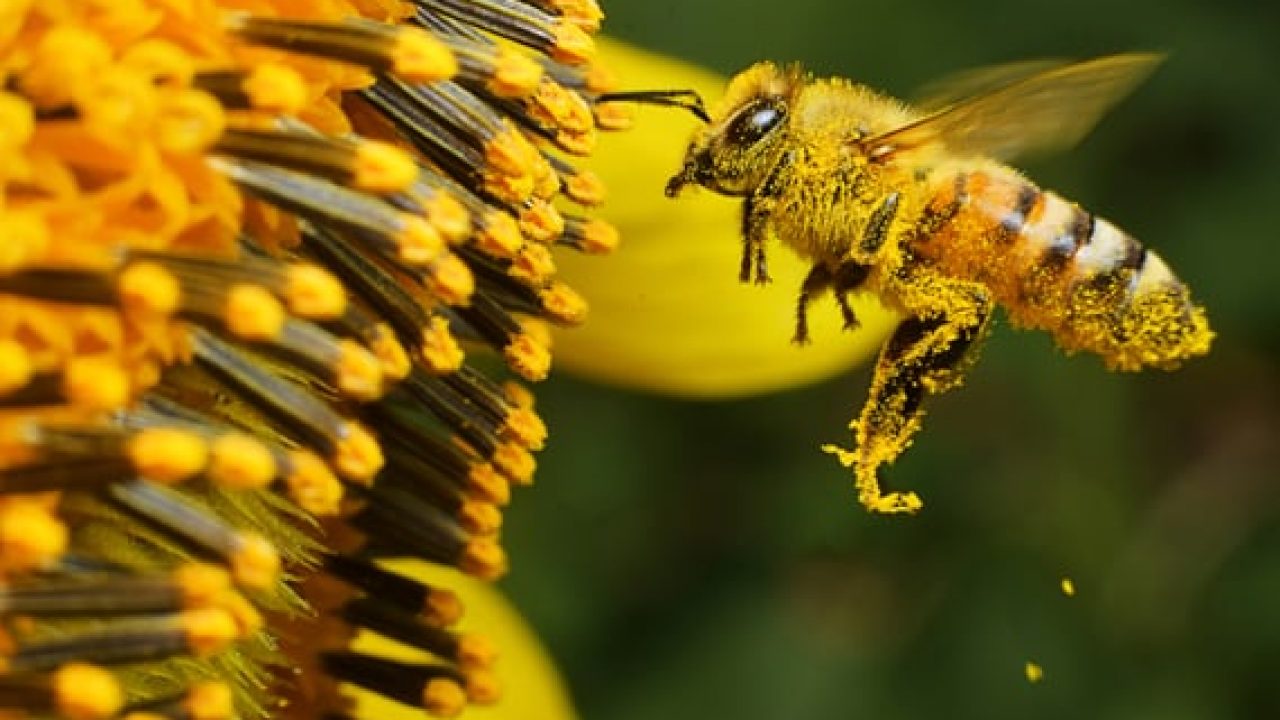
Rich nations must move to protect bees and other pollinators in poor countries to safeguard global food supply and avoid spiralling import costs, a joint Irish-British study says.
Climate change, natural disasters and loose pesticide regulation threaten bees and other pollinating insects in countries relied on for many food crops, scientists say.
They say national pollinator plans are important to prevent loss of bees domestically in rich countries, but poorer producer countries often lack the resources to implement these.
So richer nations must help or risk reductions in food supplies and ingredient shortages that could cost them billions of euro in economic disruption, the say.
Their warnings follow a joint study by scientists from Trinity College Dublin and Reading University.
The findings are published in the journal, People and Nature, and show while producer countries may gain short-term when shortages push up prices, the longer-term effect is bad.
For importing countries, there are immediate, medium-term and long-term losses.
Professor Jane Stout from Trinity’s School of Natural Sciences, who co-authored the report, said it made clear that biodiversity loss in any part of the world had global consequences.
“One of the most important messages coming from our work is that we simply cannot afford to just look after our own pollinators,” she said.
“We must start thinking globally and supporting pollinator conservation efforts in our trading partners, especially those in developing countries that may not have the resources to tackle pollinator conservation that we do.
“If we don’t then we’re risking a lot of people’s livelihoods abroad and even higher inflation back home.”
The researchers based their study on 74 animal-pollinated crops and trade data from 140 countries, working out the impact of pollinator loss on producer countries and the countries they export to.
“What we see is a fairly consistent pattern,” Dr Tom Breeze of Reading University said. “The countries which suffer the biggest economic losses because of rising prices are large, well-developed economies that import a lot of pollinated crops.”
Ireland imports the majority of its fruit and vegetables and all its specialised crops such as cocoa and coffee.
Source - https://www.independent.ie