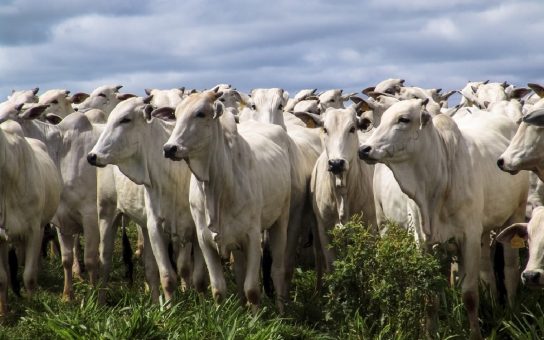
President William Ruto says more than 245,000 pastoralists have benefited from livestock insurance and savings incentives under a government programme designed to protect herds from drought-related losses.
The programme, known as the De-risking, Inclusion and Value Enhancement of Pastoral Economies (DRIVE), has so far covered more than 3.3 million animals, according to figures Ruto presented during his State of the Nation Address on Wednesday.
“For pastoral communities, livestock insurance is protecting household assets against drought,” Ruto told Parliament.
Livestock is a critical source of income and livelihood for families in Kenya’s arid and semi-arid areas, where prolonged dry spells often leave herders struggling to find pasture and water for their animals.
Drought can wipe out entire herds, depriving families of food, income and assets they depend on for trade. Such losses also make it difficult for pastoralists to rebuild their livelihoods even after the rains return.
The DRIVE programme seeks to cushion pastoralists against these losses by providing livestock insurance, savings facilities and access to other financial services. It also aims to link pastoralist communities to livestock markets and strengthen their participation in the livestock value chain.
Unlike emergency assistance that may arrive after animals have died, the insurance is designed to provide financial support when drought conditions reach specified thresholds. The payments can help pastoralists purchase fodder and water to keep their remaining animals alive.
According to the State Department for Livestock Development, the project uses index-based livestock insurance, which monitors pasture conditions to determine when compensation should be paid.
The programme is being implemented in 21 arid and semi-arid counties, including Mandera, Wajir, Garissa, Turkana, Marsabit, Isiolo and Samburu. It is supported by the World Bank and implemented by the government in partnership with ZEP-RE and the Kenya Development Corporation.
When the programme was launched, the then Principal Secretary for Livestock Development, Jonathan Mueke, said its focus was to ensure pastoralists received financial support before drought caused extensive livestock losses.
“We need to focus on pre-arranged financing that supports pastoralists at the onset of drought,” Mueke said in 2023.
DRIVE builds on the Kenya Livestock Insurance Programme, which was introduced to help pastoral households manage losses caused by drought. However, it has a broader approach, combining livestock insurance and savings with efforts to improve access to financial services and markets.
The latest figures announced by Ruto indicate the programme's reach in terms of beneficiaries and animals covered. However, his address did not disclose the total amount paid out in insurance claims or explain how the benefits have been distributed across the 21 participating counties.
Source - https://eastleighvoice.co.ke