Latvia declares nationwide 'state of emergency' over extreme farming conditions

07.08.2025 326 views

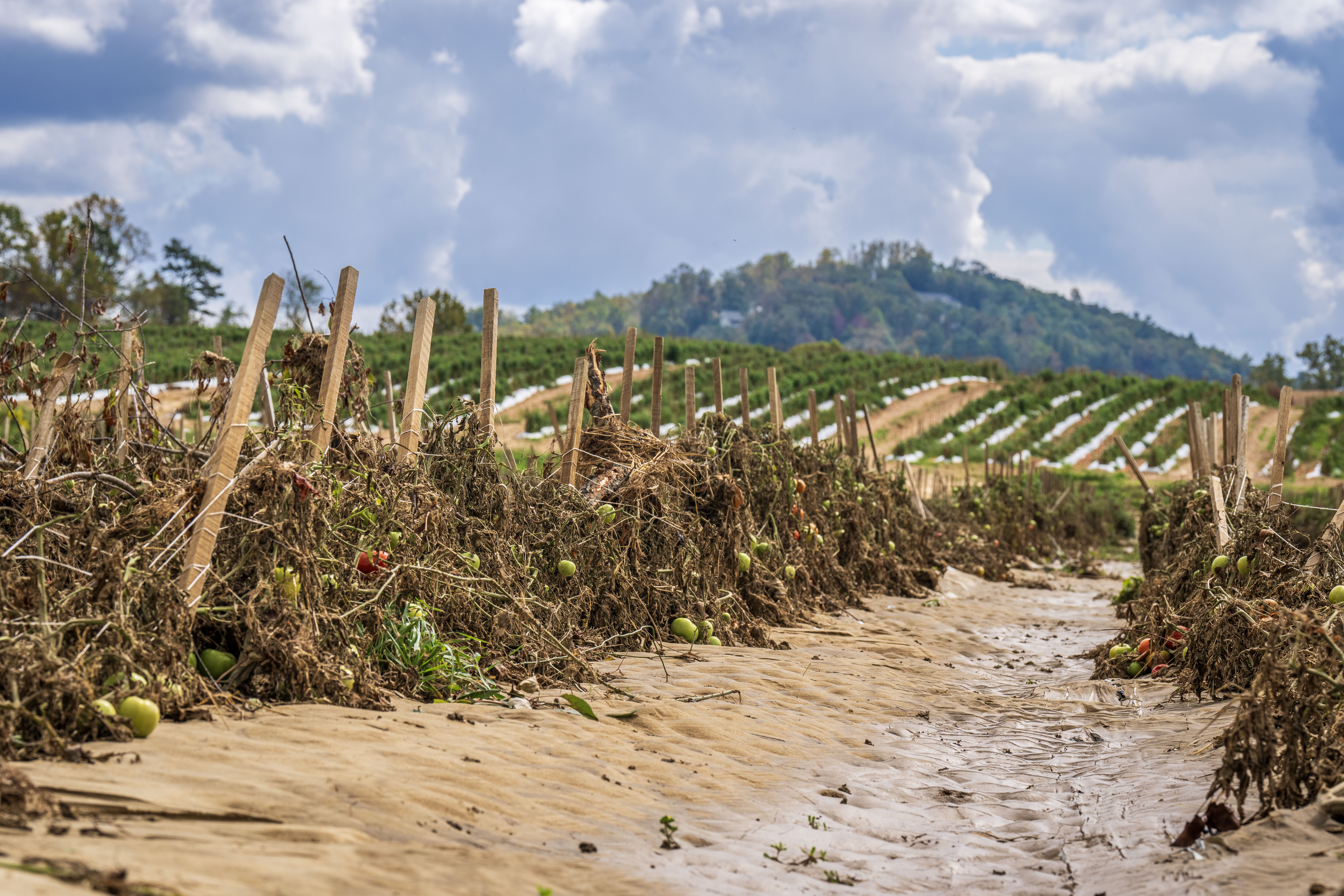
The Latvian Cabinet has decided to implement an agricultural emergency across the country, lasting until November 2025, in response to damage caused by persistent rainfall, frost, and flooding in recent months, LSM.lv reported on August 6.

While other European nations have been battling extreme heat and drought, Latvia has faced the opposite – relentless downpours are the primary threat, damaging crop yields and causing a spike in prices for locally produced goods in some instances due to poor returns.

As previously reported bybne IntelliNews, amid the budgetary crunch – the result of the rapidly steepening defence budget – the government has asked ministries to come up with budget cuts to meet the shortfall.

Though the declaration may sound dramatic, it is procedural mainly – designed to fast-track financial assistance for the sector.

Prime Minister Evika Silina commented: 'It is important to support farmers in the current situation, when the rains have severely affected a large part of the countryside, the harvest has been damaged, and farmers are suffering losses.'

'We have decided in the government to declare a state of emergency. We will ease the requirements and thus mitigate the consequences to help the industry recover,' Silina said.

This measure grants the State Revenue Service leeway to avoid sanctioning farmers unable to meet tax obligations due to weather-related disruptions in 2025.

Agriculture Minister Armands Krauze described the situation as a “real crisis” and called for the European Commission to provide emergency support to Latvian farmers.

Latvian banks and other lenders will be allowed to offer relief such as pausing loan repayments, altering repayment terms, or adjusting interest obligations – all without penalties – under the framework of the emergency status.

This emergency declaration comes after several consecutive years of severe weather losses, exacerbating financial pressures on Latvia’s small agricultural sector.


Source - https://www.msn.com

30.09.2026

Spain - Fruit supplier targets 30-45% growth with year-round supply strategy

Senda Fruits is heading into another edition of Fruit Attraction with a clear objective: to expand its market presence and aim to meet the needs of its customers all year round. 

30.09.2026

Corn Stocks Shock U.S. Market as USDA Finds 2.1 Billion Bushels in Storage

USDA found 2.095 billion bushels of old-crop corn in storage, far above trade expectations and adding new pressure to U.S. grain markets.

30.09.2026

Namibia - Small-stock insurance could cost N$45m per region

The government is considering insurance options for livestock and crop farmers, but the Ministry of Agriculture, Fisheries, Water and Land Reform says the cost of providing cover across the country could be high.

30.09.2026

USA - Farm Aid Faces a Critical Delay as Growers Confront Rising Costs and Mounting Debt

Congress is weighing another $11.1 billion in farm aid, but payments may slip into 2027 as producers face rising debt, diesel costs and tighter margins.

30.09.2026

Nigerian tomato processor secures US$2.5 million AgriFI investment

EDFI Management Company (EDFI MC), through the European Union-funded Agriculture Financing Initiative (AgriFI), has signed a USD 2.5 million convertible-note investment in Tomato Jos Inc., a vertically integrated tomato farming and processing business in northern Nigeria.

30.09.2026

Gene-edited non-browning bananas move closer to UK market

Gene-edited bananas designed to resist browning after peeling and slicing have moved closer to commercialisation in the UK after receiving precision-bred status in England.

29.09.2026

USA - 2,000 new reefers added alongside new transport routes

Great White Fleet Corporation (GWF), an ocean carrier specializing in temperature-controlled logistics, has announced a commercial expansion across its Pan-American and European trade networks. 

29.09.2026

UK - Rain delays grain harvest in northern Scotland and raises crop loss risks

Persistent September rains have significantly disrupted grain harvesting in northern Scotland. The most difficult situation is in Orkney and Caithness, where large areas of crops remain unharvested.