This op-ed discusses ways to limit loss and damage through various means, including increased climate finance and Anticipatory Action.
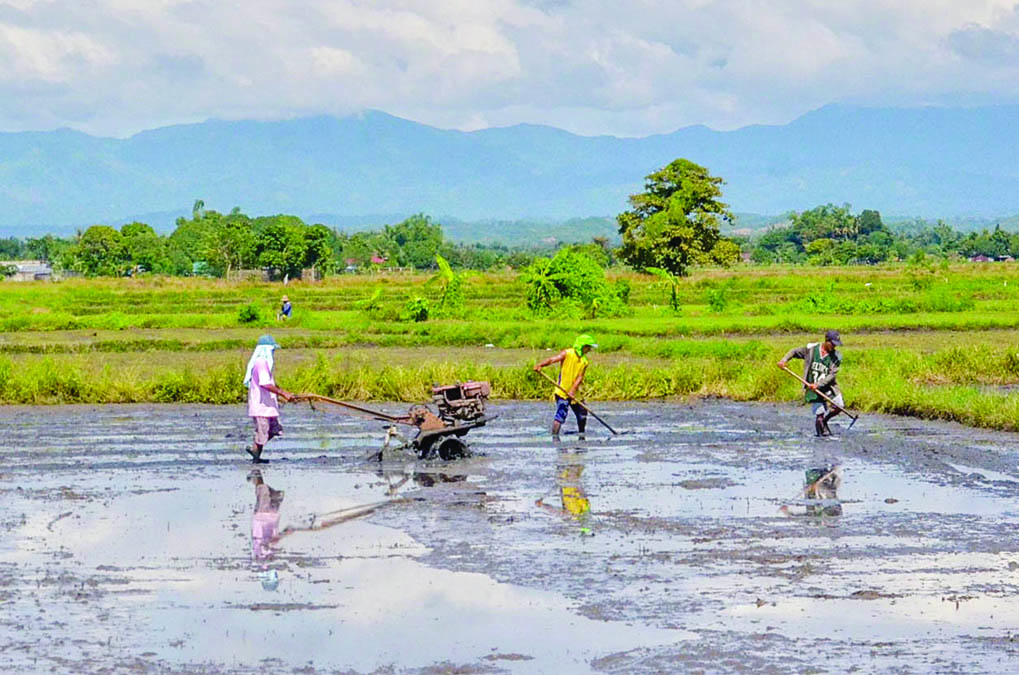
Growing up on a small rice farm in China in the 1960’s, my family was keenly aware that any single adverse weather event could wipe out a year’s worth of effort.
The climate and weather patterns are something a farmer feels in his bones, but changes in these patterns and the extremity of events have, in recent years, shocked rural communities. We never imagined seasons might alter at the pace and scale we see today, bringing losses and damage that undermine years of hard-won rural development.
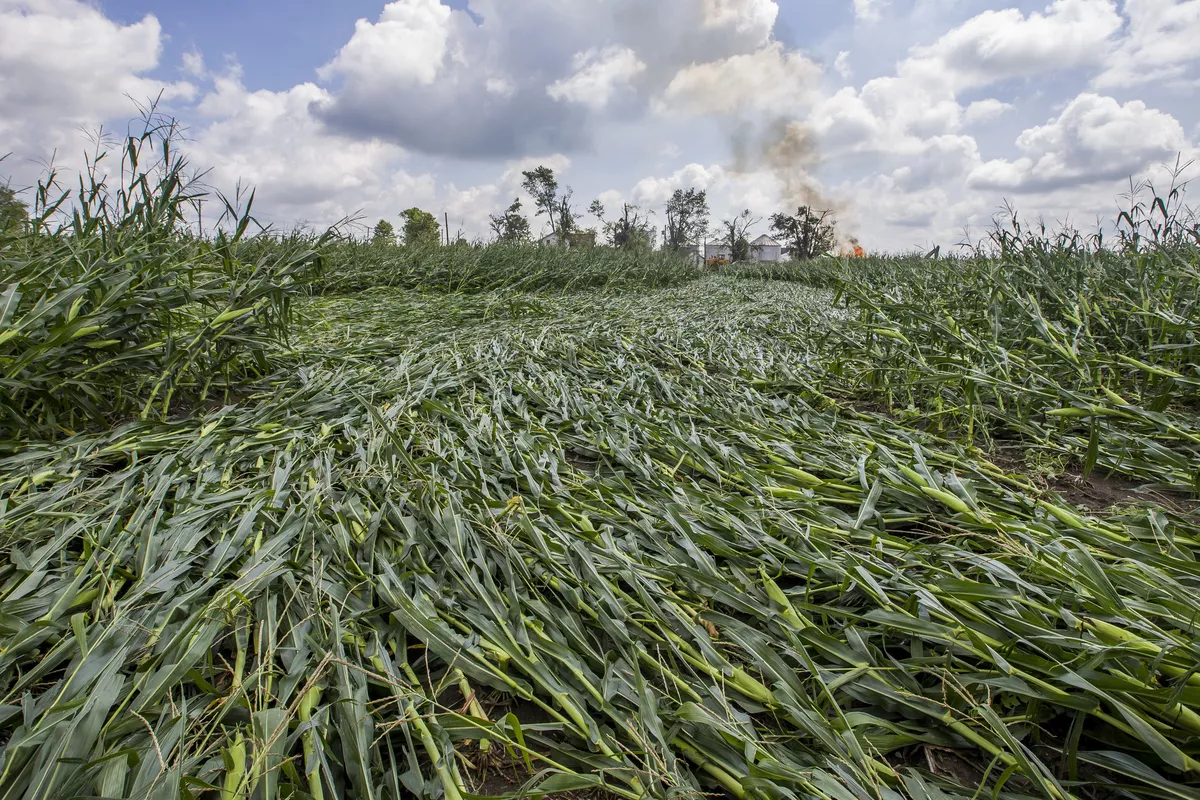
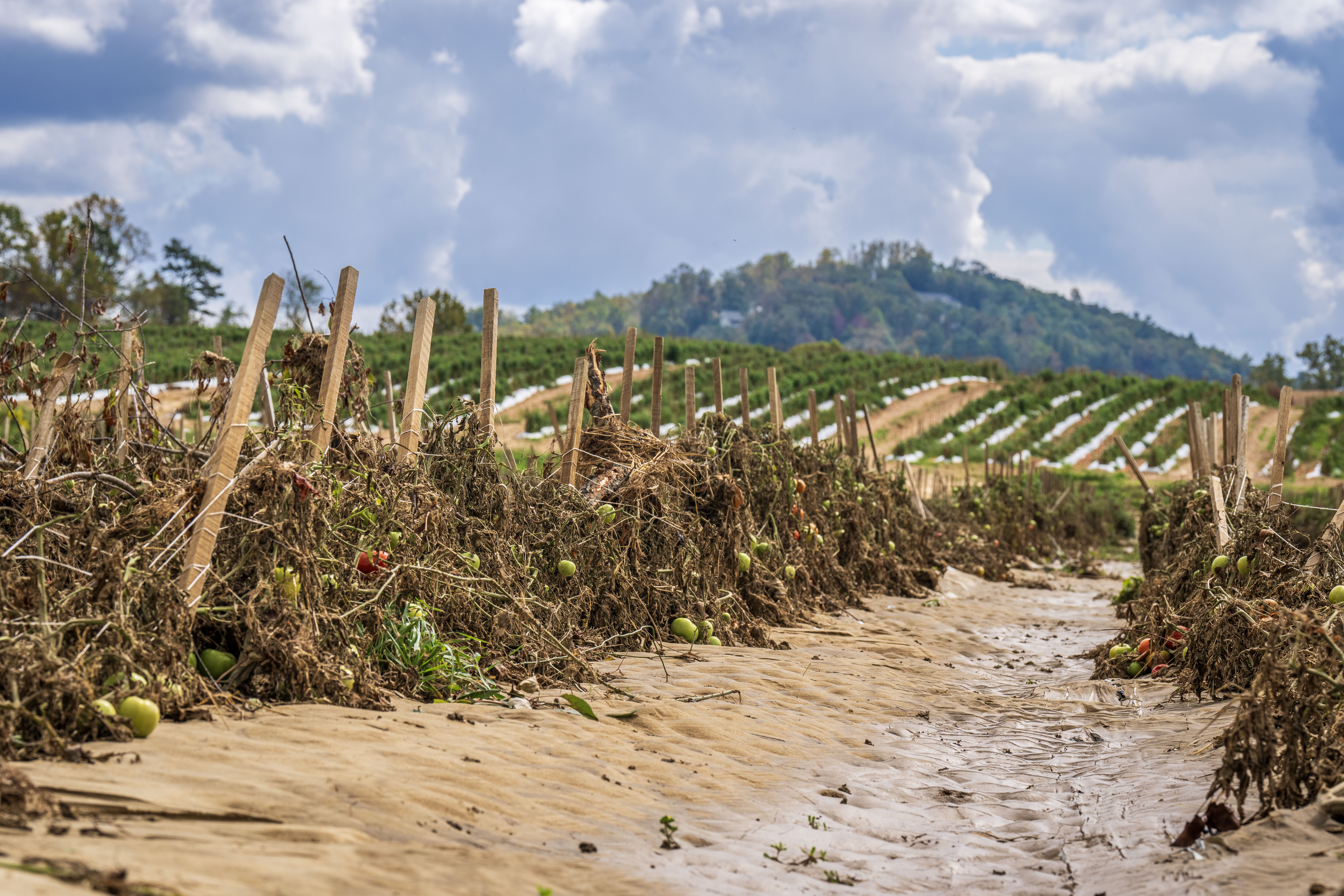
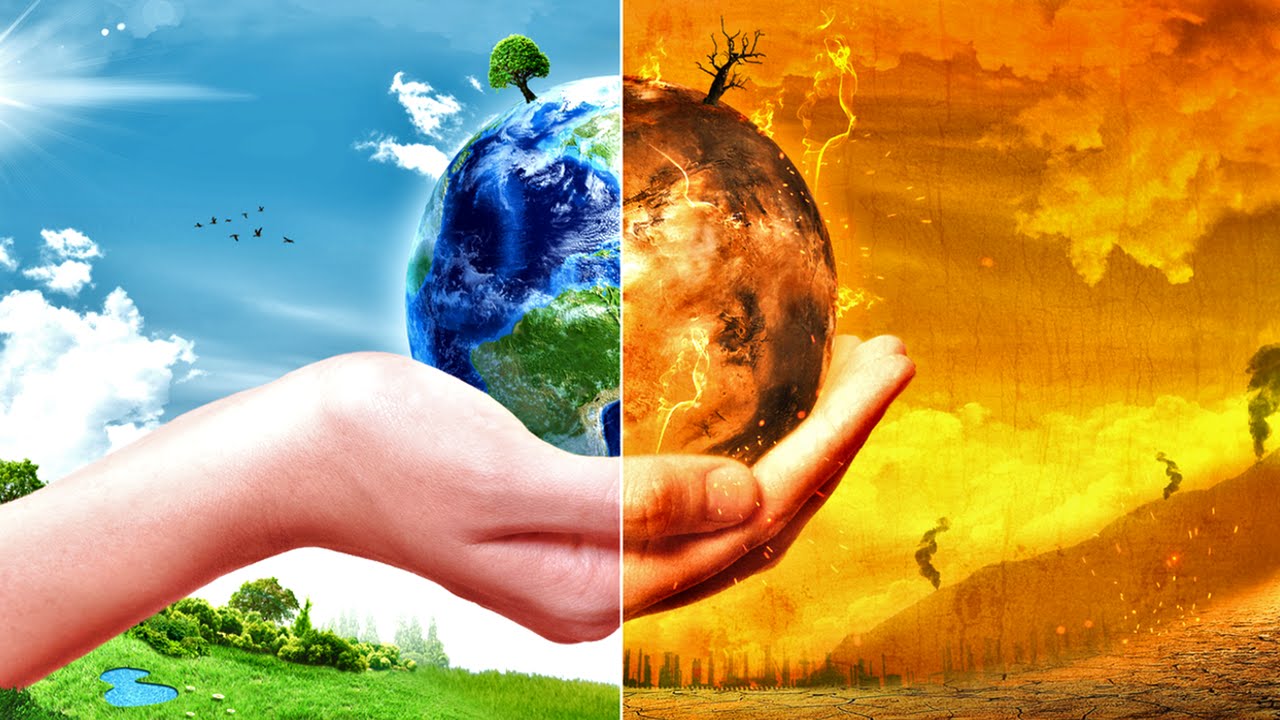
The changing climate has become a food and agriculture crisis. Small-scale farmers are increasingly at the mercy of climate-induced disasters and extreme events. Given the total reliance on weather patterns and natural resources for healthy yields and produce, the agrifood sector is on the frontline of the climate crisis.
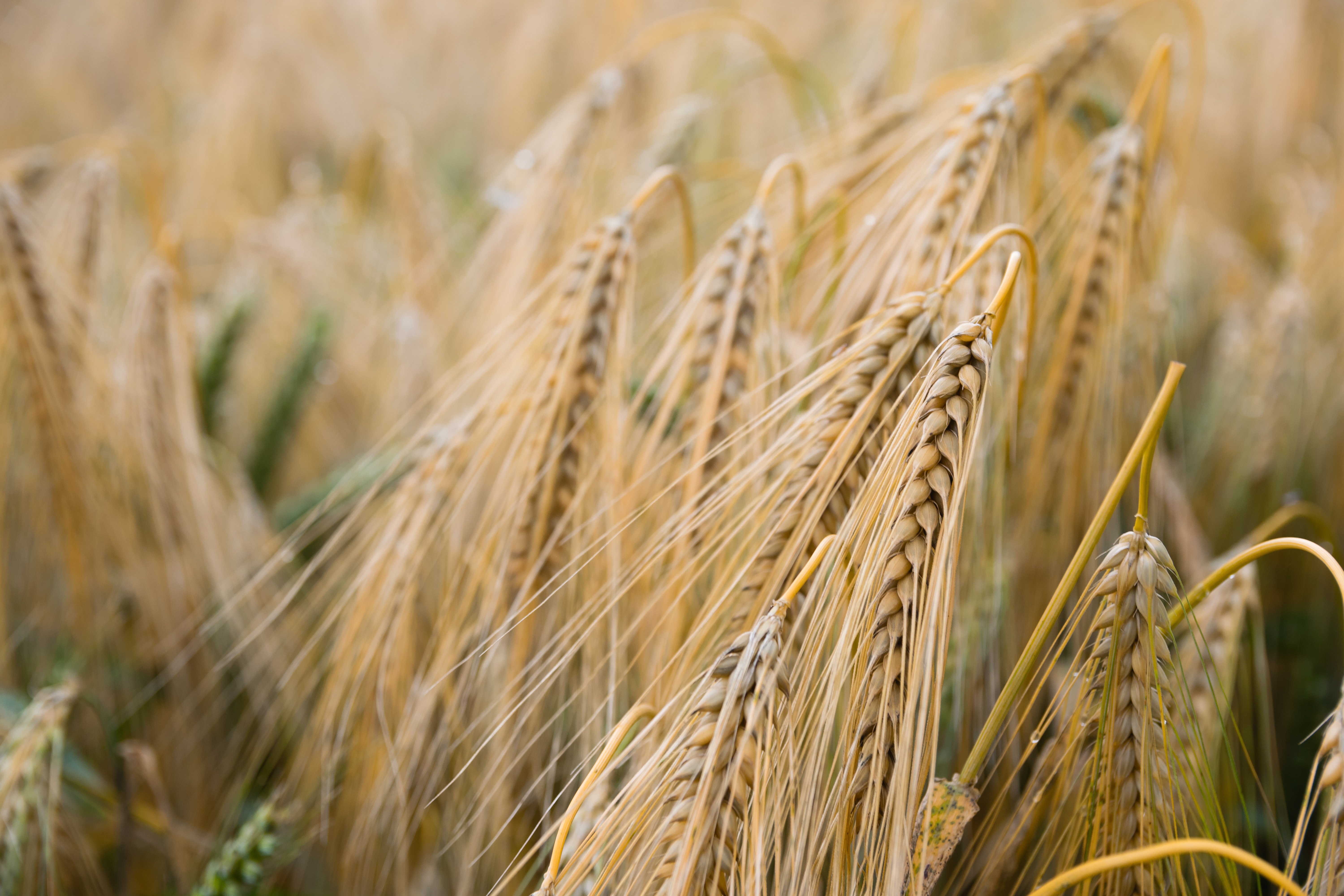
Climate change is affecting our capacity to produce food, altering the availability, accessibility, and affordability of food, as well as the quality of water, soil, and biodiversity, increasing the frequency and intensity of extreme weather events, and shifting the patterns of pests and diseases. These impacts increase food insecurity, reducing crop yields, livestock productivity, and the potential of fisheries and aquaculture as food producers.
Over the last 30 years, an estimated USD 3.8 trillion worth of crops and livestock production has been lost due to climate and other disaster events, corresponding to an average loss of USD 123 billion per year, or 5 percent of annual global agricultural GDP. These disaster events have also been increasing, from around one hundred per year in the 1970’s to a current average of four hundred per year.
As agriculture, including crop and livestock production, forestry, fisheries, and aquaculture, is one of the main economic activities in developing countries, the implications are profound.
Farmers are resilient and have for centuries adapted to changes in their environments. They are the best investment in building resilience and adapting to climate change. But what they are experiencing today goes beyond their ability to adapt. Support in dealing with both the economic and non-economic losses and damage caused by extreme and slow onset events is becoming a lifeline for farming communities and countries.
Getting the loss and damage funding up and running and, most important of all, distributing finance for loss and damage will be a litmus test for success at the United Nations COP28 climate summit.
Our latest report on Loss and Damage in Agrifood Systems, which will be launched at COP28, reveals that over a third of countries’ climate commitments or Nationally Determined Contributions (NDCs) explicitly refer to loss and damage. For those countries referring to loss and damage, agriculture is overall found to be the single most impacted sector.
FAO is committed to supporting countries to assess the extent and magnitude of loss and damage caused by the impacts of the climate crisis on the agrifood sectors; mobilizing adequate and predictable financial resources to support the implementation of loss and damage actions in the sector; assessing climate risks; reducing loss and damage in agriculture; and developing new technologies and practices that can reduce the exposure and vulnerability of food producers and consumers to climate risks, such as drought-tolerant crops, water-efficient irrigation systems, early warning systems, crop insurance and social protection schemes.
The climate and food crises are inseparable. Investing in agrifood systems solutions to climate change will bring big rewards for people and the planet. But not even the most resilient farmers can adapt to all the effects of the climate crisis. Small-scale farmers and agriculture-dependent developing countries must be at the forefront of our collective efforts to address the consequent loss and damage.
* The writer is the Director-General of the UN Food and Agriculture Organization (FAO)
Source - https://english.ahram.org.eg