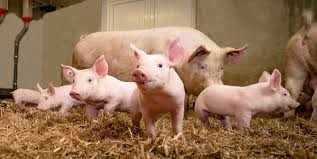
New feed mitigant aims to protect pigs from disease challenges

10.06.2025 371 views

FeedARMOR demonstrated effectiveness in mitigating common feed-borne pathogens including PRRS, PED and SVA.

A new opportunity for swine producers to protect pigs against key swine diseases has arrived with the launch of FeedARMOR. Through the low inclusion and safe components, it offers the industry a strong option. This next-generation, dry feed mitigant offers producers, nutritionists and veterinarians a research-validated solution to help reduce the risk of viral disease transmission through contaminated feed. This powerful protection helps strengthen the overall biosecurity program and preserve pig health.

In a new research study conducted by Scott Dee, FeedARMOR demonstrated effectiveness in mitigating common feed-borne pathogens including porcine reproductive and respiratory syndrome virus, porcine epidemic diarrhea virus, and Seneca Valley virus A. This broad-spectrum performance supports FeedARMOR’s critical role in comprehensive feed hygiene and animal health strategies.

“Biosecurity is a key part of managing pigs, and controlling pathogens in feed is a key part of such a biosecurity program,” says Fredrik Sandberg, senior director of research and development with McNess. “FeedARMOR offers a unique alternative to help producers control viruses present in feed and protect the health of their herd.”

FeedARMOR utilizes proprietary and patent-pending technology to ensure the safety of feed consumed for sows and pigs. The low inclusion dry formula is easier to implement, store, handle and apply—promoting worker safety in the feed mill. With a low inclusion rate, FeedARMOR is also very cost effective at less than $5 per ton allowing for further investment into air and water bio-security measures.


Source - https://www.nationalhogfarmer.com

01.10.2026

India - Kitchen budget in Mumbai takes a hit as veggie prices rise amid crop loss, low supply

Vegetable prices in Mumbai have risen sharply after Ganeshotsav and with the onset of Pitrupaksha, as erratic monsoon conditions, crop damage and lower arrivals tightened supplies, said traders. 

01.10.2026

Togo Plans Pilot Agricultural Insurance Scheme for Young Farmers and Entrepreneurs

Togo’s PAJEC entrepreneurship program plans to launch a pilot agricultural insurance scheme. The government has issued a call for expressions of interest to select a provider to design and roll out the scheme.

01.10.2026

India - Soybean prices recover as crop damage offsets pressure from rising arrivals

Indias soybean prices recovered sharply w-o-w on 30 September 2026 despite a rapid increase in new-crop arrivals, as concerns over crop damage and lower production estimates have offset pressure from increased supplies. 

01.10.2026

USA - Fruit growers face Nov. 20 crop insurance deadline

Northeast fruit growers have until Nov. 20 to purchase or update crop insurance for the 2027 crop year, according to Crop Growers, a crop insurance provider owned by Farm Credit East.

01.10.2026

IFPA releases statement on largest Cyclospora outbreak in U.S. history

The International Fresh Produce Association (IFPA) has called for greater collaboration between industry and public health authorities as the United States experiences what it describes as the largest Cyclospora outbreak on record.

01.10.2026

Ukraine introduces new rules for GM crops and produce

Ukraine's new law regulating genetically modified organisms (GMOs) and GMO products comes into force on September 16, introducing clearer requirements for the registration, cultivation, traceability, and labelling of GM crops.

30.09.2026

Spain - Fruit supplier targets 30-45% growth with year-round supply strategy

Senda Fruits is heading into another edition of Fruit Attraction with a clear objective: to expand its market presence and aim to meet the needs of its customers all year round. 

30.09.2026

Corn Stocks Shock U.S. Market as USDA Finds 2.1 Billion Bushels in Storage

USDA found 2.095 billion bushels of old-crop corn in storage, far above trade expectations and adding new pressure to U.S. grain markets.