Pakistan - Dates farmers suffer Rs2 billion loss

05.08.2022 1507 views

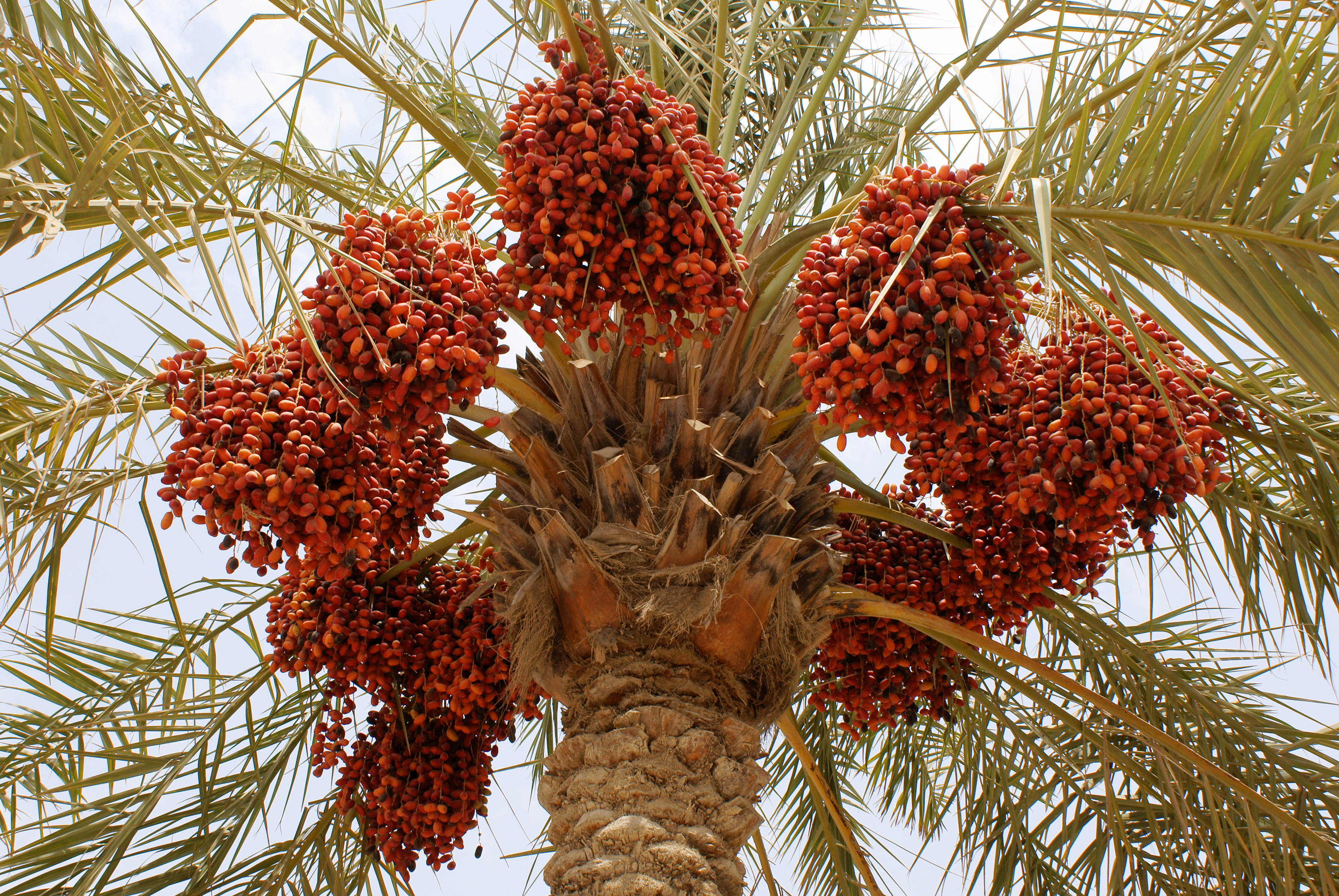
Like human settlements and infrastructure, torrential rains in Balochistan’s Mekran belt have severally affected the date fruits too, causing an estimated Rs2 billion loss to farmers. Local residents told The Express Tribune that heavy rains destroyed dates in Panjgur, Turbat and other parts of the Makran.

“We have suffered huge financial losses because of rains and floods,” Muhammad Jan, a local farmer and dealer said.

The dates season was about to start when floods and heavy rainfall started in the area. “We were expecting a bumper dates crop this year and were ready for harvest but floods destroyed everything,” Muhammad Jan said. 

The varieties destroyed by torrential rains include Moonzawati, the most popular dates of Panjgur and Rabyee, a delicate yet delicious date of Panjgur. Flooding and rains inflicted huge financial losses on local growers and farmers in the province.

As per the statistics shared by the Provincial Disaster Management Authority (PDMA), floods have destroyed standing crops on more than 200,000 acres of land in various parts of Balochistan.

The financial losses of date farmers in Mekran is estimated at Rs2 billion, Shabir Ahmed Mengal, the Commissioner of Mekran Division told The Express Tribune. The provincial government has ordered all deputy commissioners of the flood-hit districts to assess the damages and submit a comprehensive report to the government. Floods have also destroyed grapes orchards in Pishin, Killa Abdullah and other districts of the province.

Heavy rainfall has destroyed grapes, tomatoes and other fruits and vegetables in Pishin, Killa Abdullah, Killa Saifullah, Barkhan, Kohlu, Khuzdar and other districts of Balochistan.

“Government should announce a special package for the farmers and growers of Balochistan,” Abdul Rehman Bazai, the central leader of Growers Action Committee (GAC) Balochistan demanded. Bazai noted that farmers suffered huge financial losses because of recent floods and rains in the province and they should be compensated.

Source - https://tribune.com.pk

14.06.2026

Zurich Australia partners with Crop Risk Underwriting

Zurich Australia has partnered with Crop Risk Underwriting (CRU), a specialist crop insurance underwriting agency and part of the 360 Group of Companies, to provide crop insurance in Australia from June 1, 2026.

14.06.2026

Fiji - Crop cover push: Scheme to help farmers recover faster, says Tunabuna

Over the past 10 years, natural disasters have wreaked havoc through farmlands costing Government more than $700million.

14.06.2026

Canada - Tornado warnings and hail put southeast Saskatchewan insurers on alert

A severe weather outbreak across 29 rural municipalities is set to drive a wave of home, auto and crop insurance claims.

14.06.2026

India - Maharashtra storms damage 18,121 hectares of bananas

Unseasonal rainfall, strong winds, and hailstorms have affected crops across more than 61,000 hectares in 27 districts of Maharashtra, India, with banana plantations accounting for a large share of the reported losses. 

14.06.2026

Colombia passes law to track cattle and keep deforestation-linked beef out of supply chains

Colombia has enacted a landmark law requiring the cattle industry to trace livestock and prove beef supply chains are free from deforestation, a measure environmental groups say makes it the first tropical forest country to adopt such a nationwide framework.

14.06.2026

Syngenta eyes deeper market expansion as Bangladesh agriculture embraces digital transformation

Company strengthens support for farmers through digital advisory platforms, crop insurance, mechanisation services, and climate-resilient agriculture initiatives.

04.06.2026

India - Delhi raises crop damage compensation after 10 years by over 50% to Rs 75,000 per hectare

In a major relief for farmers, the Delhi government has increased compensation for crop loss caused by rain and hailstorms from Rs 20,000 per acre to Rs 75,000 per hectare.

04.06.2026

Why Tech-Driven Agro-Insurance Has Stumbled in Ethiopia

For decades, Ethiopia’s agricultural sector has remained trapped in a dangerous paradox.