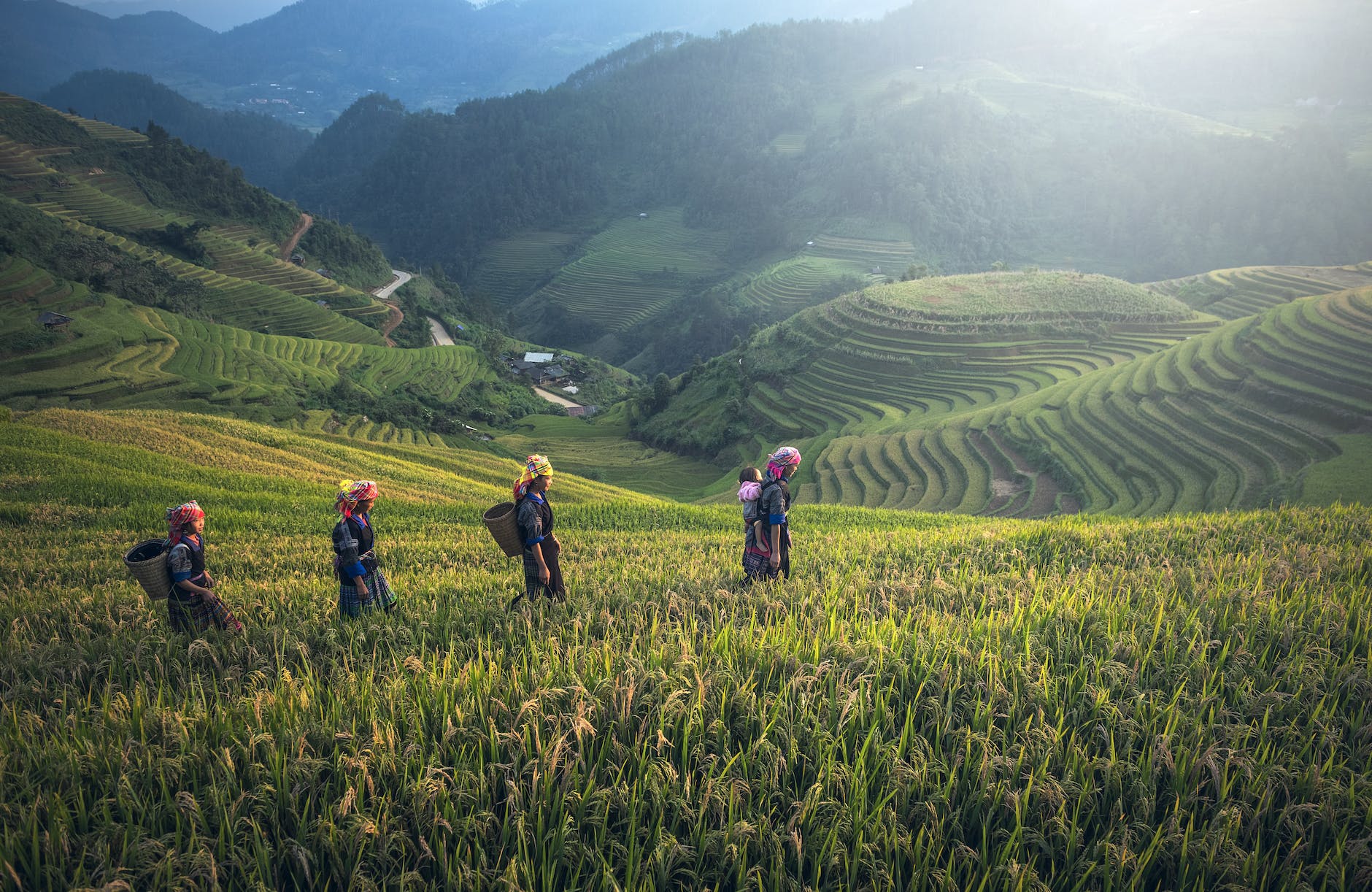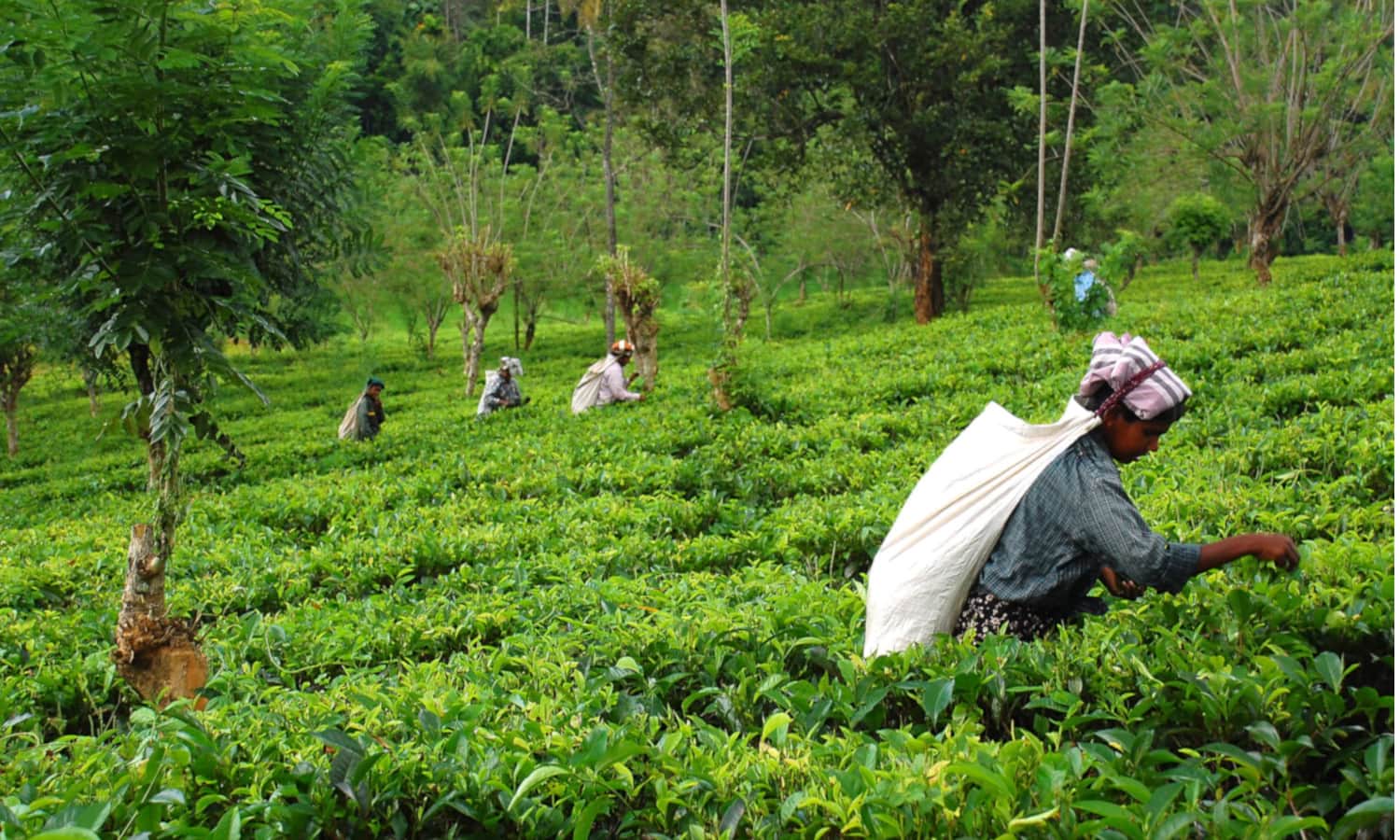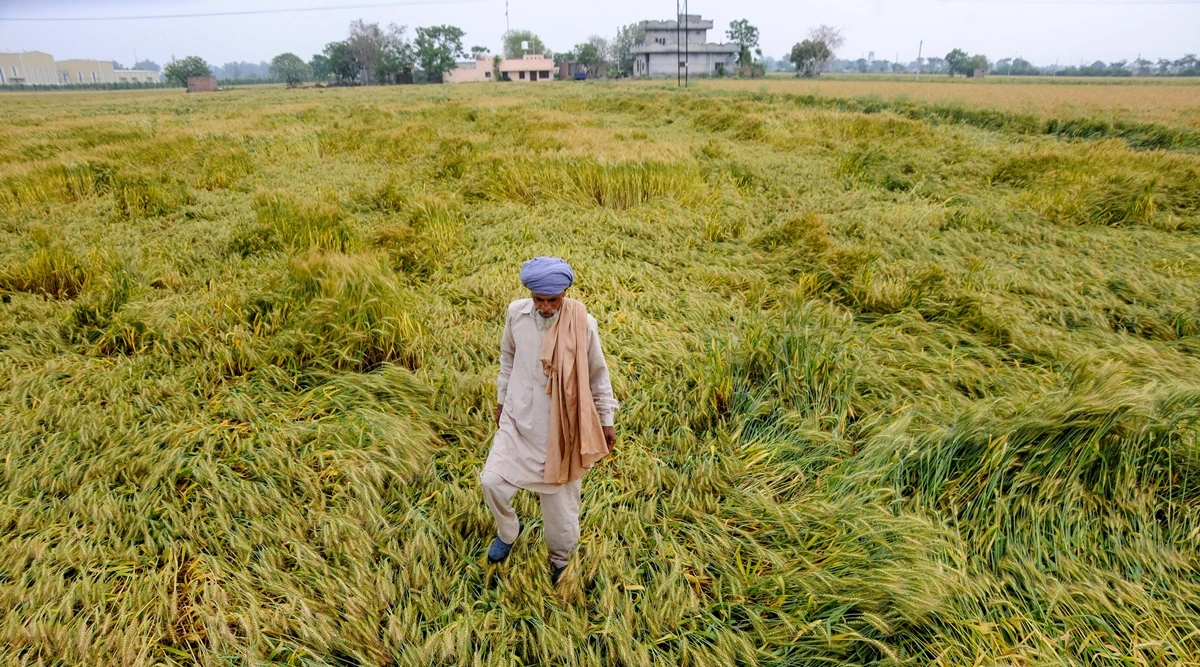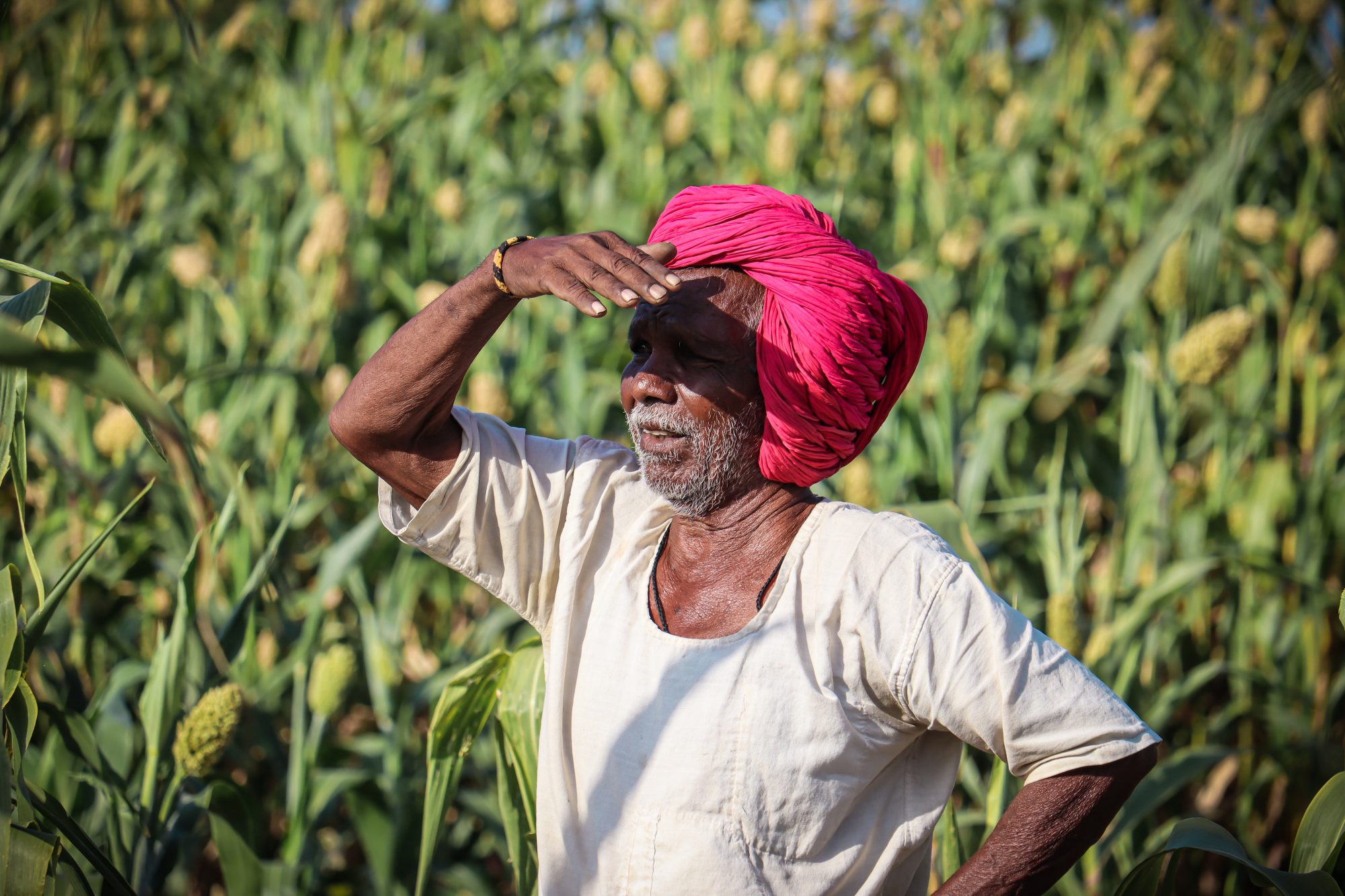
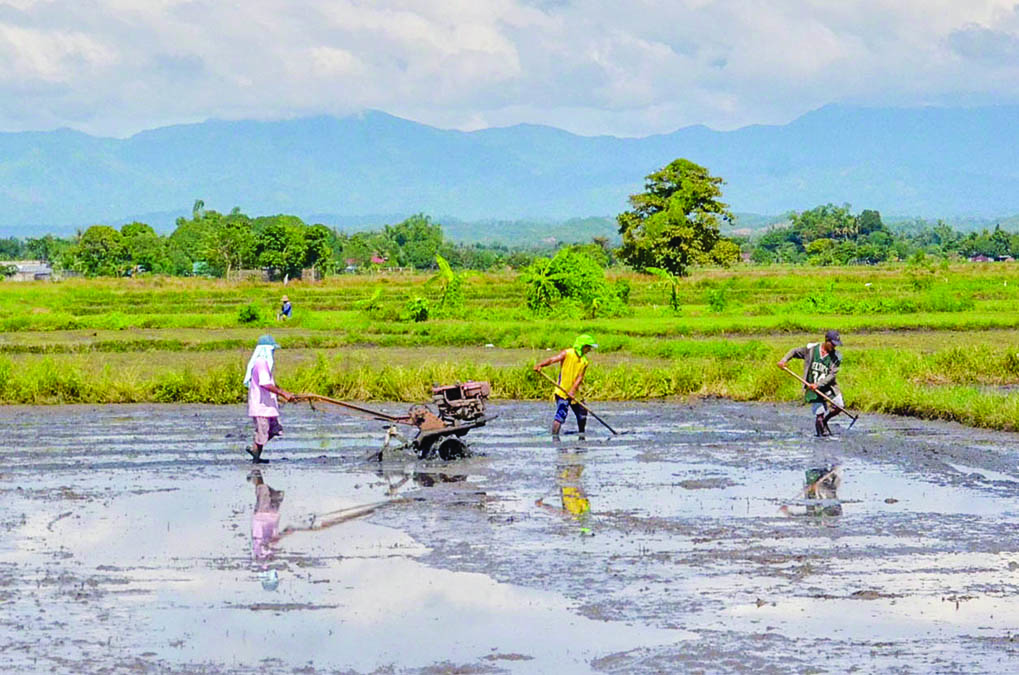
Farmers and fisherfolk play a vital role in sustaining the country’s food supply, but increasingly unpredictable weather conditions continue to threaten their livelihoods, agricultural production, and household income.
With climate-related threats, including the looming Super El Niño, posing greater risks to the agricultural sector, access to financial protection has become increasingly important in helping food producers recover from losses and sustain their operations.
In Ilocos Sur, the Philippine Crop Insurance Corporation (PCIC)-Provincial Extension Office (PEO) continues to provide a financial safety net through government-subsidized insurance programs, encouraging farmers and fisherfolk to secure their livelihoods against potential agricultural losses.
During the “Ammuentayo” (Let Us Know) radio program of the Philippine Information Agency (PIA)-Ilocos Sur, Mercury Pascua, provincial extension office supervisor of PCIC-Ilocos Sur, assured agricultural workers that the agency continues to accept insurance applications, provided their crops have not yet sustained damage.
“With this Super El Niño, there is no difference in how our office operates. We are still accepting insurance applications as long as their crops are not yet damaged,” Pascua said.
Through the Registry System for Basic Sectors in Agriculture (RSBSA) of the Department of Agriculture (DA), qualified beneficiaries can access the Government Premium Subsidy, which covers their insurance premiums and helps reduce the financial burden of protecting their agricultural investments.
Pascua said funds remain available under the program until December 31, 2026, or until the allocated budget is fully utilized.
As of September 30, 2026, a total of 21,214 farmers in Ilocos Sur have been insured, benefiting from P33.940 million in government premium subsidies.
For September 2026 alone, PCIC allocated P75.136 million for the entire province.
Of this amount, around P60 million to P65 million had been utilized as of October, leaving funds available for qualified applicants.
The insurance program covers six major agricultural lines: rice, corn, high-value crops such as fruits and vegetables, livestock, fisheries, and non-crop agricultural assets, including fishing boats and machinery.
Optional regular life insurance plans are also available for farmers seeking additional personal protection.
To make enrollment more accessible, applicants must be registered farmers under the RSBSA and provide their reference number, a duly accomplished application form corresponding to the agricultural commodity to be insured, and a photocopy of a valid identification card.
Those awaiting official RSBSA registration may also submit temporary certifications issued by their respective municipal agriculture offices.
PCIC has likewise adopted digital tools to improve the efficiency of its field verification and claims assessment processes.
Inspectors now use tablet computers during farm visits to document and evaluate damaged agricultural areas.
This digital approach helps facilitate claims processing, with approved indemnity payments released through online banking applications or local remittance centers.
To ensure fair and transparent compensation, PCIC evaluates losses according to the extent of damage, crop growth stage, and applicable production costs.
“To be honest, we have three categories for loss. For zero to 10 percent loss, there is no payment, while 11 to 89 percent is paid as partial loss and 90 to 100 percent is considered a total loss,” Pascua explained.
The agency follows a Corporate Service Response Time benchmark of 20 days for the release of claims payments, helping affected agricultural workers receive financial assistance within the prescribed service period.
For farmers who are not yet registered under the RSBSA or those who cannot access government-subsidized coverage once funds are exhausted, PCIC also offers regular insurance programs with affordable premium rates.
“If the funds are exhausted, there is still another way. They can pay the premium rate, which is not that expensive,” Pascua said.
Under the regular insurance program, a one-hectare rice or corn crop valued at P25,000 requires a 10-percent premium amounting to P2,500.
High-value crops carry a five-percent premium based on a P50,000-per-hectare baseline, while livestock raisers may insure large animals, such as cows and carabaos, for up to P20,000 each.
Beyond financial protection, Pascua emphasized the importance of adopting climate-resilient agricultural practices to minimize potential losses, particularly amid the threat of El Niño.
“My advice to farmers, especially now with the threat of Super El Niño, is to visit their municipal agricultural office first for advice on planting drought-resilient rice varieties with better water-absorbing roots. After that, you can get insured at our office for better protection against disasters,” she advised.
The availability of agricultural insurance, alongside appropriate farming practices and government support, can help reduce the vulnerability of farmers and fisherfolk to climate-related hazards.
These interventions also contribute to sustaining agricultural production and protecting the country’s food supply.
Farmers and fisherfolk interested in applying for coverage or submitting advance claim documents may visit their nearest municipal agriculture offices or the PCIC-PEO in Vigan City.
Source - https://pia.gov.ph