Philippines - Region 6 farmers, fisherfolk told to report calamity losses for faster insurance claims

09.06.2025 427 views

The state-owned Philippine Crop Insurance Corporation (PCIC) is urging farmers and fisherfolk across Western Visayas to immediately report damage to crops or fisheries caused by natural calamities to their Municipal Agriculture Office (MAO) to claim indemnity faster.

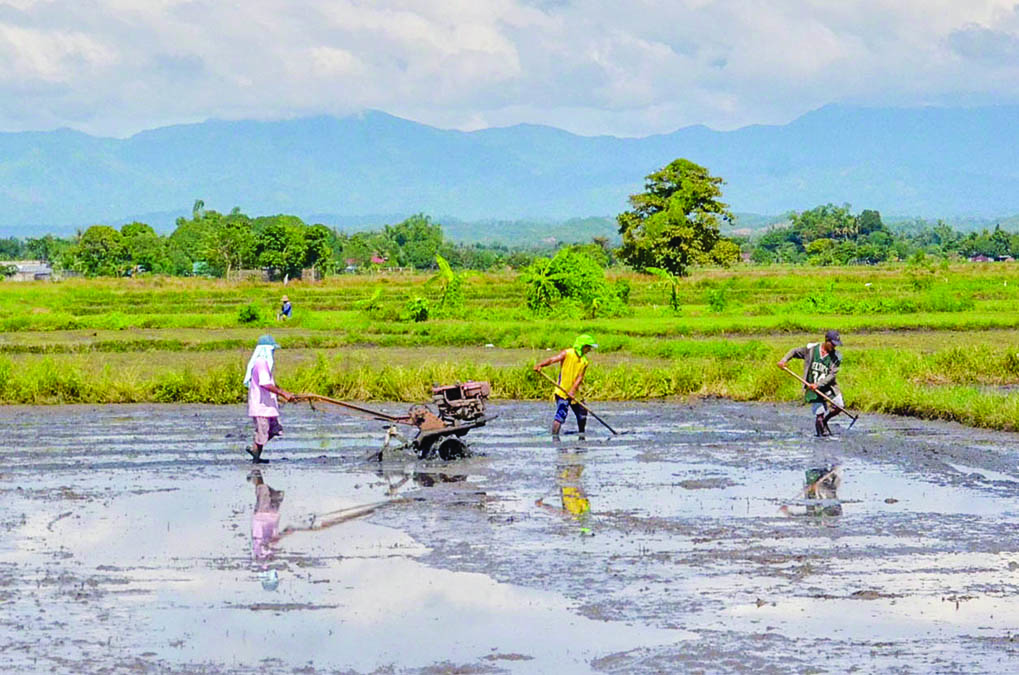
This renewed call from PCIC comes as farmers begin land preparation for rice planting with the onset of the rainy season this June.

Calamities covered under the crop insurance program include typhoons, floods, droughts, pest infestations, and other disasters that result in the destruction of livelihood, particularly rice farms and fishponds.

Glen Carbon, chief of the Claims and Adjustment Division of PCIC Region 6, emphasized the importance of early reporting.

“Farmers and fisherfolk must immediately report to the MAO, which will assist them in submitting a damage report to our Provincial Extension Office and Regional Office,” said Carbon.

Upon reporting to the MAO, affected individuals will be provided with a form requiring information such as name, address, date of planting, total area cultivated, and estimated input costs.

Photos of the damaged area must also be attached. PCIC will then conduct an on-site inspection to validate the reported losses.

Carbon assured that validation will be expedited.

“If the damage covers a large area, we deploy more personnel to inspect and speed up the process,” he added.

Processing time for claims typically ranges from 20 days to one month.

However, to be eligible for claims, farmers and fisherfolk must first be registered in the Registry System for Basic Sectors in Agriculture (RSBA) by visiting their local MAO and filling out a registration form. Registration with PCIC is free.

Registered farmers and fisherfolk may receive up to P20,000 in indemnity per calamity, depending on the extent of the damage verified during the inspection.

The indemnity is meant to help recover expenses incurred on farm inputs, such as seeds, fertilizers, pesticides, insecticides, and labor.


Source - https://www.panaynews.net

08.11.2026

Tanzania Secures $997,000 AfDB Grant to Expand Climate Insurance for Farmers

The project, titled “Bridging the Agricultural Risk Protection Gap to Scale Climate Smart Insurance,” is expected to benefit 300,000 farmers across 15 regions of Tanzania.

08.11.2026

India - Pune’s Crop Insurance Test Begins as Drought Cuts Kharif Yields

Pune’s crop insurance system is now facing a significant test after crop-cutting experiments recorded a 20-22% decline in soybean productivity and a 15% fall in maize production during a drought-affected kharif season. 

08.11.2026

Australia - Severe weather thwarts Victorian farmers ahead of bumper harvest

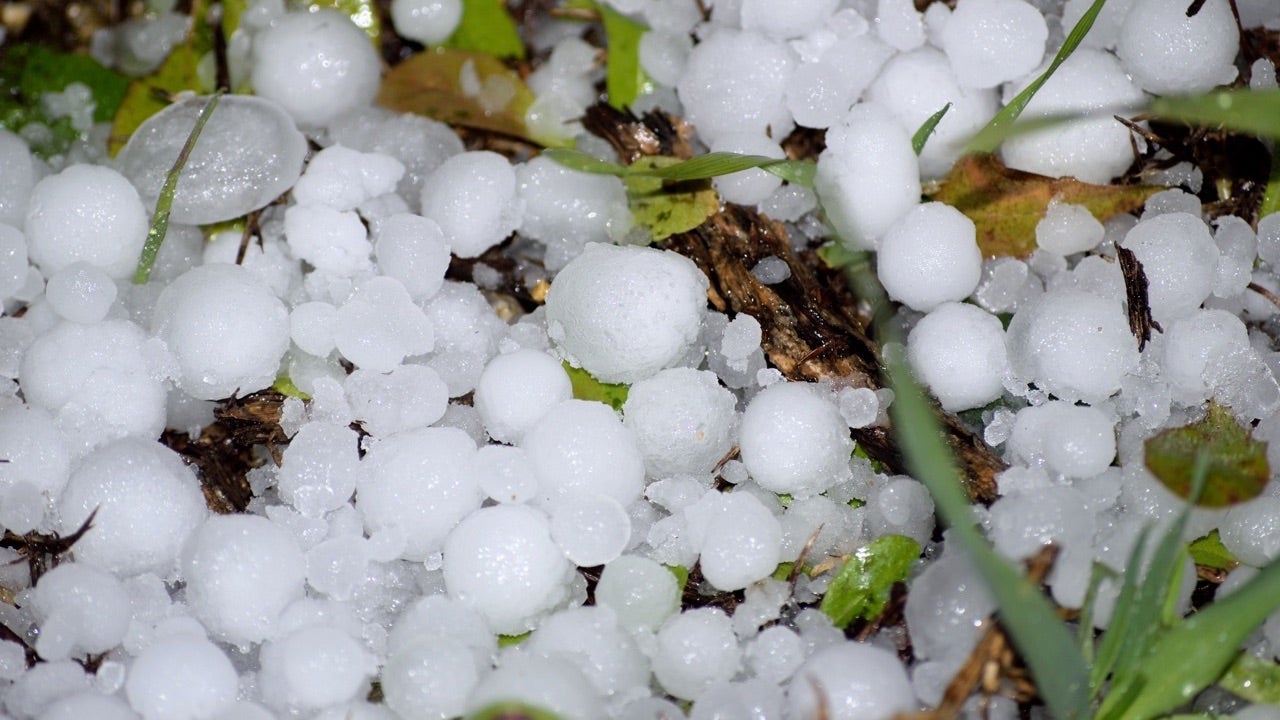
A hailstorm that smashed parts of Victoria's Mallee this week has devastated thousands of hectares of wheat, barley, lentils, canola and other cereal crops.

08.11.2026

Sudan fuel shortages damage crops in El Gezira as food prices soar, bakeries strike in North Kordofan

Fuel shortages and soaring production costs are damaging agricultural crops in Sudan’s El Gezira state, while rising food and transport prices are placing further pressure on household budgets.

08.11.2026

USA - Farm Banks Warn $140 Billion in Government Aid Is Masking Financial Risks

Agricultural lenders warn that $140 billion in emergency farm aid since 2018 may be masking financial risks as producers face rising costs.

08.11.2026

India - Yogi Government Doubles Disaster Death Compensation; Farm Aid Up by a Quarter

The Chief Minister’s Office says the revised norms will reach more than 10 lakh farmers, with higher payouts for crops, cattle, silk, homes and schools.

05.11.2026

Sudan asks insurance companies to fund winter agricultural season

The Sudanese government has urged insurance companies to use deposit surpluses and investments to finance the 2026-2027 winter agricultural season.

05.11.2026

Canada - Saskatchewan harvest now 99% complete: crop report

Harvest has wrapped up across Saskatchewan, with 99 per cent complete and only a few acres of later-seeded crops remaining in the field. Despite the challenges experienced this year, crop yields were consistent with 10-year averages and while many crops graded in the top-quality categories, some downgrading did occur due to late-season rain and pest activity.