The uptake of the National Agriculture Insurance Scheme is performing poorly with less than 20 percent farmers subscribed within the determined insurance scope, Ildephonse Musafiri, Minister of Agriculture and Animal Resources, said.
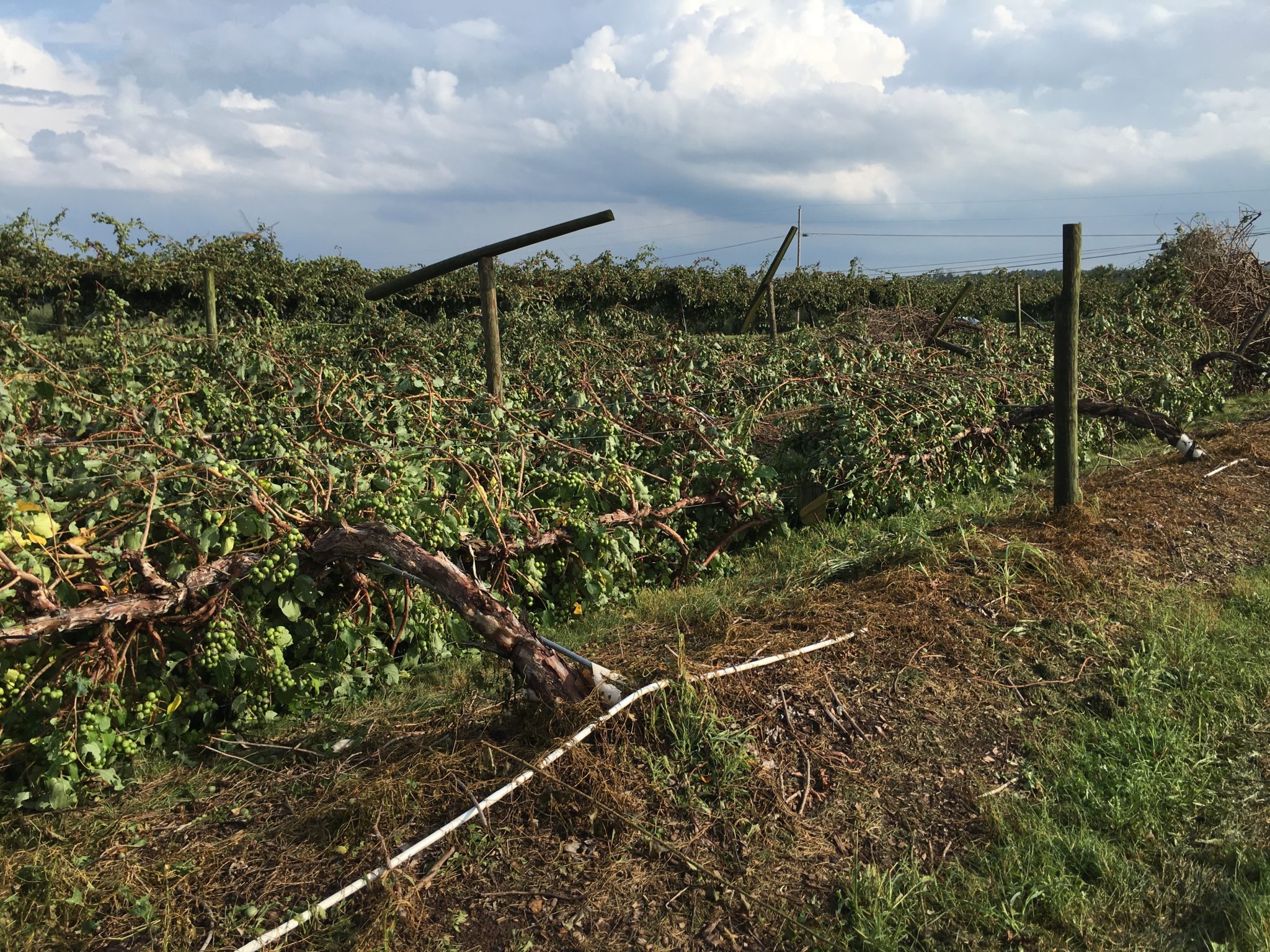
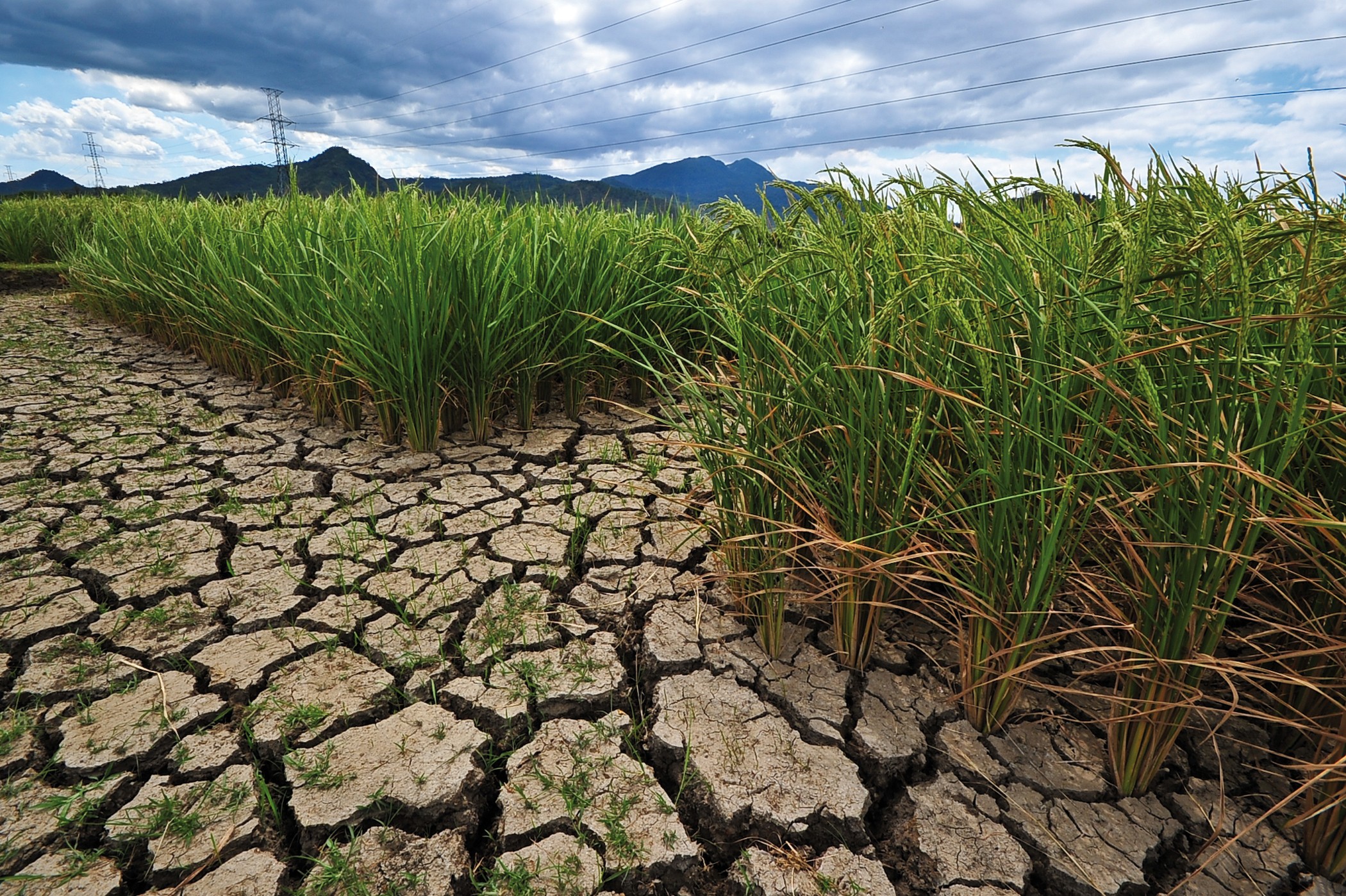
Launched in 2019, the scheme was considered as a milestone for the country’s agriculture sector as it aims to cushion farmers against losses stemming from disasters such as floods or drought.
It is subsidised at 40 per cent by the government at around Rwf25 billion, and was introduced to enable farmers to easily access funding from financial institutions and ensure the flow of credit to the agricultural sector.
However, unlike livestock insurance which covers the entire value of the cow and pays a farmer all the money their cow is worth in case of death from disease or unpredictable natural disasters, crop insurance covers the investment alone.
The insured crops include rice, maize, potatoes, pepper, french beans, soybean, beans and cassava. The livestock include dairy cows, pigs and poultry. Fish farming was also added in 2023.
The determination of insurance premiums to be paid by the farmer factors in the cost of inputs – including seeds, fertilisers, pesticides or fungicides to be used, and the labour.
Despite agriculture being a major sector of Rwanda’s economy, it is the most underserved by financial institutions given the risk associated with it, a gap that can be deemed to be closed by the insurance sector.
ALSO READ: Govt to inject Rwf25bn in agriculture insurance
Musafiri commended insurance firms like BK Insurance, Old Mutual, and Sonarwa for being onboard in this scheme, but emphasised that the speed of implementation depends on how they honor their promises to farmers when it comes to compensation.
“The biggest issue for farmers is compensation,” he said, adding that for instance, they are made to go through a lot of processes and asked unnecessary questions when there is death of livestock, and end up disappointed in the scheme.
“I would like to call upon our partners as we embark on this journey of ensuring agriculture. Let's help our farmers to adopt this product and some together to solve these issues, and I believe the performance will be better in coming two or three years,” Musafiri added.
Alex Bahizi, CEO of BK General Insurance, said that low uptake is mainly due to the lack of adequate awareness around insurance offerings and procedures, something the sector members allocated a budget to conduct public sensitisation.
He explained that they receive and process a lot of claims, of which some don’t necessary have grounds to be compensated based on what insurance contracts entail – for instance while someone may claim compensation of a dead cow, they might not get it because it wasn’t justified by a licensed veterinarian.
BK Insurance disbursed around Rwf2 billion in insurance compensation in a period of two years, according to Bahizi.
He indicated that they are willing to provide insurance coverage to other crops and livestock as long as they come to agreement with farmers, although this would raise the premium prices.
Based on the current stability of the insurance sector, John Rwangombwa, the Governor of theNational Bank of Rwanda (NBR) emphasised the need for innovative products that address the needs of people across economic sectors.
Source - New Times Rwanda