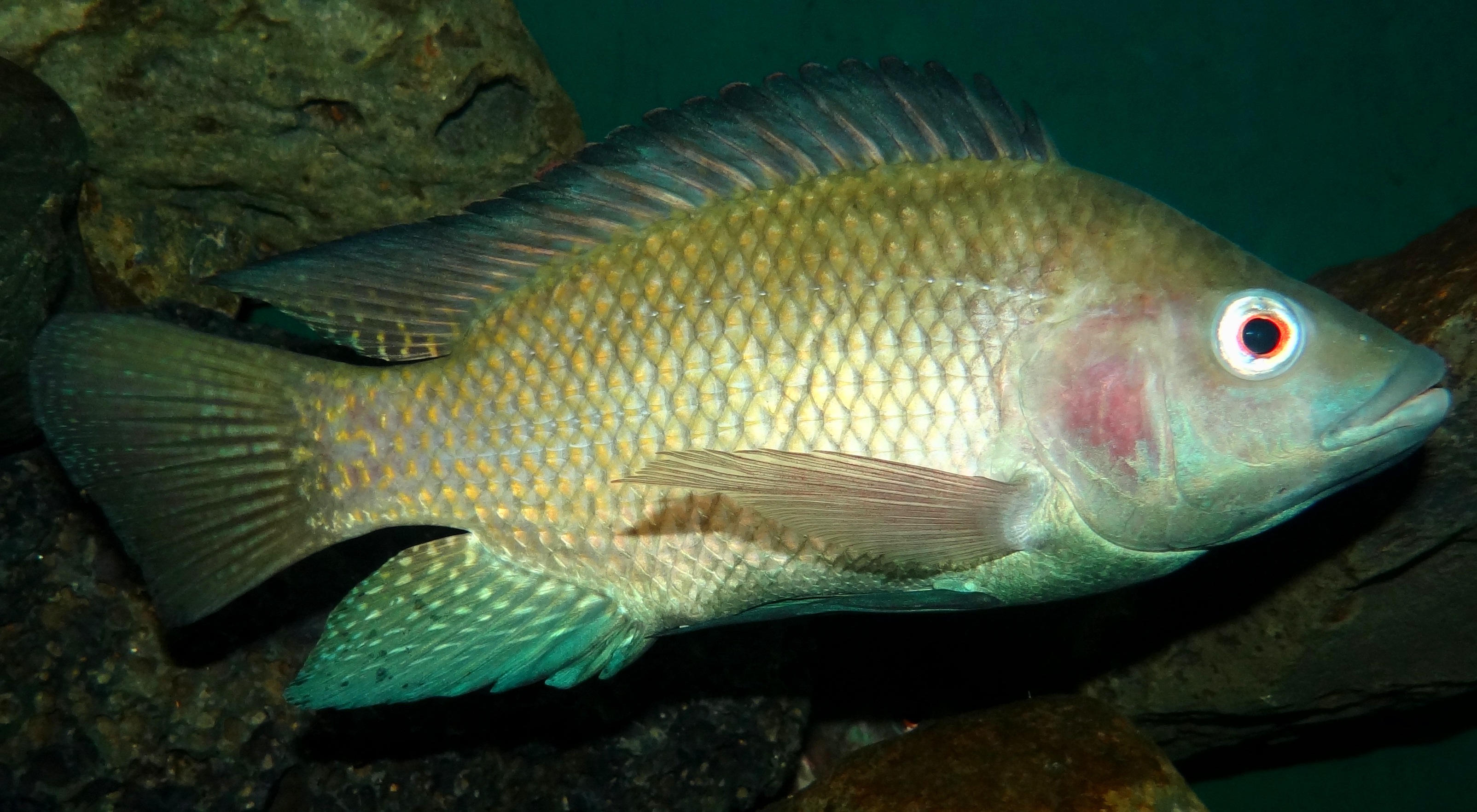
In a bid to boost demand for local produce, efforts are being made in Singapore to breed bigger marine tilapia fish that have better chances of survival.
These initiatives are part of the Singapore Aquaculture Plan, which looks to enhance and optimise the production of seafood by the domestic aquaculture sector, according to the Singapore Food Agency (SFA).
Accredited farms may buy these young fish - also known as fingerlings - from a centre dedicated for this purpose.
They will cost up to 50 cents each, the same price as those fingerlings imported from Malaysia and Indonesia.
ENSURING QUALITY FISH
A constant supply of good quality baby fish from the National Broodstock Centre (NBC) is expected to help local farms scale up production, said the Singapore Agro-Food Enterprises Federation (SAFEF).
The NBC for marine tilapia was established by the SFA and SAFEF to help bolster food security by supplying local farms with genetically superior eggs and fingerlings with higher rates of survival.
These farms have been facing difficulties due to inconsistencies in the parentage and quality of fingerlings which they import on their own, said SAFEF’s CEO Ken Cheong.
"Farms always look for trusted and also consistent fingerlings. They need to know that the parentage of the fingerlings that they get are good parents. Because with good parents, the fish will grow to the correct size,” he said.
“So the challenge is a lot of the time, if they have to import the fingerlings, they have no idea what the parents are and where they come from,” added Mr Cheong.
He said the SAFEF is also looking at how to improve the growth and survival rate of these tilapia fish.
Mr Cheong added that the improved quality of tilapia fish will help local farms turn a profit more easily, by ensuring consistent supply of fish that meets the minimum size of 1kg.
Under the initiative, such fish take about seven months to grow, as compared to the usual growth period of 10 months.
“A reduction of one month in the growth cycle is a 12 per cent increase in revenue,” said Mr Cheong.
Singapore Agri-Food Innovation Lab’s director William Chen noted that apart from the resilience of the fish stock, other factors like water quality and cost of fish feed can impact the sustainability and growth of local fish farms.
Professor Chen added that water quality needs to be monitored to ensure the fish do not get sick, and pollution prevention measures should be implemented.
He said the cost of fish feed also makes up 50 to 70 per cent of a typical fish farm’s operating costs.
This means that any effort to improve tilapia survival rates is a welcome move to bolster Singapore’s local agriculture sector, added Prof Chen.
CONSISTENT QUALITY OF FISH
SAFEF’s efforts will allow dining establishments, hotels and banquet providers a steady supply of these tilapia fish after they achieve a consistent weight of 1kg.
Five local farms are already producing about 600kg of tilapia a week, and they are prepared to farm five times that volume if needed, said Mr Cheong, who added that the number of farms may increase if there is demand.
Diners at one seafood restaurant in Singapore will be able to try out this new tilapia fish, also marketed as The Straits Fish, starting from June this year.
KEK Seafood said the tilapia bred by the SAFEF and its partner farms is more suitable for cooking due to its consistent size and weight.
The restaurant intends to make it a part of their signature Assam curry dish.
The seafood restaurant’s managing director Paul Liew said the local fish that it is currently using are “a little bit too small for us to use”, especially when served for diners to share.
Freshness and pricing were other important reasons for partnering with SAFEF to offer this fish on the menu, said Mr Liew.
"Price point is very important. And with all the agencies working together, we managed to talk to the farmers and get it at the right price, which is very reasonable for us to use,” he added.
“And also having access to fresh seafood inland in Singapore, I think that's what most chefs would love to have.”
FUTURE OF LOCAL AQUACULTURE
Prof Chen, who is also director of the Food Science and Technology programme at Nanyang Technological University, said that consumers today have greater awareness of fish grown in Singapore.
Freshness is one advantage of eating such domestic fish, he said, adding that the nutritional profile of the fish could also be enhanced by modulating the ingredients of fish feed.
He said that it is encouraging to see restaurants ordering more locally produced fish for their businesses, and it serves as a sign of a growing ecosystem that can support local agricultural efforts.
“I think … hawker centres or even schools and other organisations like the SAF (Singapore Armed Forces) probably can also help to support (the) local agriculture industry,” he added.
Source - https://www.channelnewsasia.com