South Africa’s agricultural sector has various institutions, organizations and committees that all play specific roles in supporting the sector’s growth and sustainability. One of the vital committees housed at the Department of Agriculture, Land Reform and Rural Development is the Crop Estimates Committee. This Committee benefits on skills from government, academia, and the private sector. Its main task is to provide production forecasts for winter and summer grains and oilseed. These data are crucial to understanding the country’s food security conditions and often influence the market prices of grains and oilseeds in season. For each season, the Crop Estimates Committee typically releases about ten reports. From the fourth monthly report, there is generally some certainty about the expected crop.
We are now at the end of the 2023/24 summer grains and oilseed season. This comprises white maize, yellow maize, sunflower seed, soybeans, groundnuts, sorghum and dry beans.
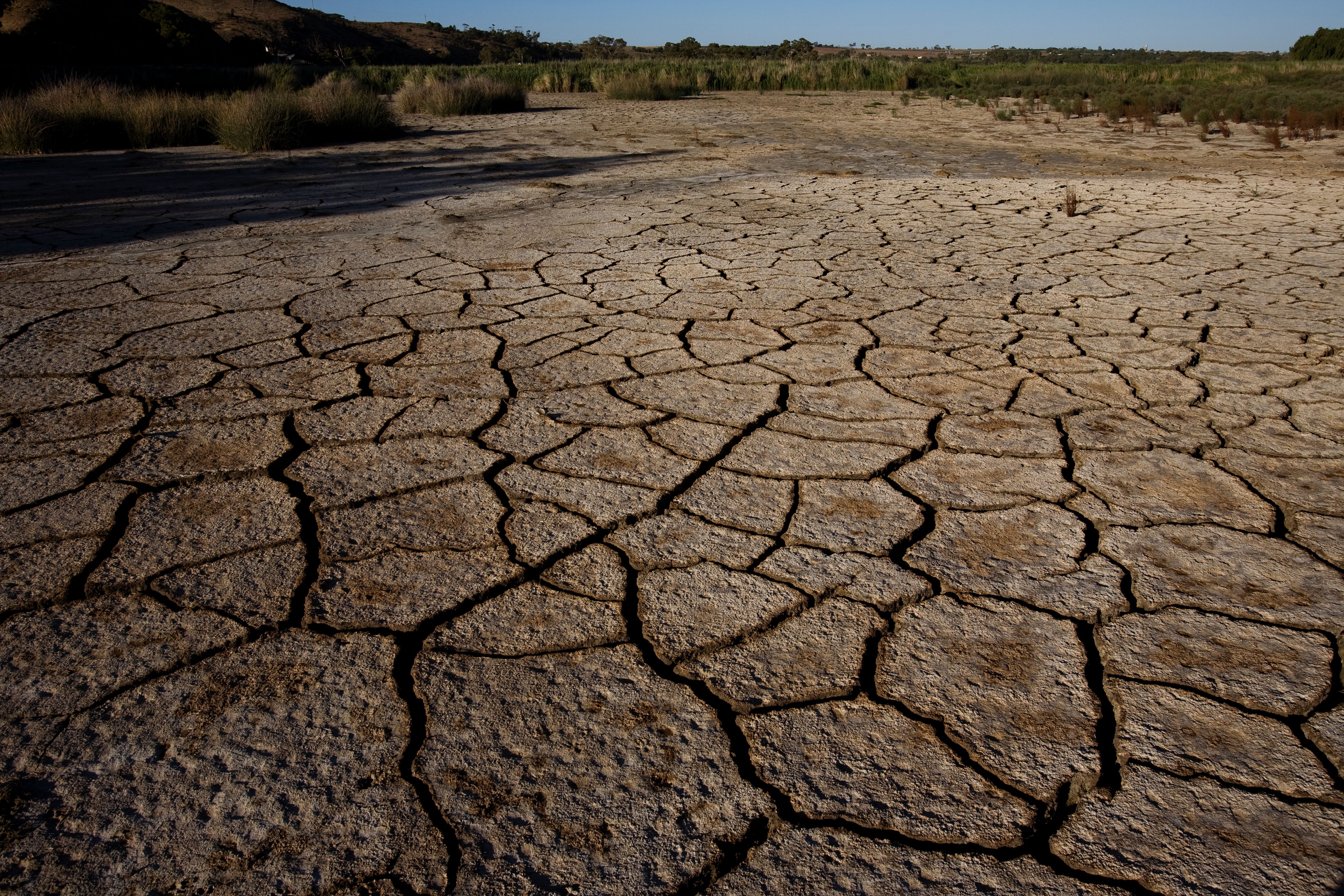
On June 27, the Crop Estimates Committee released its fifth production estimate for the summer grains and oilseed season. The current data is more reliable and unlikely to change much in the coming weeks. In the fifth release, the Committee lifted the 2023/24 summer grains and oilseed harvest by 0,6% from the May 2024 report to 16,0 million tonnes. Still, this is down 20% year-on-year, reflecting the severe impact of the mid-summer drought.
The monthly slight upward adjustment of the summer grains and oilseed harvest size is mainly because of the notable uptick in the yellow maize production estimate, while other crops remained roughly unchanged from last month.
If we zoom into the main crops, white and yellow maize harvest could be 6,3 million tonnes (up 0,1% month-on-month) and 7,1 million tonnes (up 1,3% month-on-month). These revisions place the total maize production estimate at 13,4 million tonnes (up 0,7% month-on-month).
When viewed annually, white maize harvest is down 26%, with yellow maize down 10% from the 2022/23 season. The disparity in the crop decline is due to regions where each crop variety is planted, with white maize predominantly in the western areas of South Africa while yellow maize is in the east.
Moreover, yellow maize is typically planted a month earlier than white maize. Rainfall impacts These regions and timeframes differently, ultimately affecting the expected harvest sizes. The expected harvest of 13,4 million tonnes is down 18% from the 2022/23 season.
I am optimistic that this harvest may materialize and meet South Africa’s annual maize consumption of roughly 12,00 million tonnes, leaving the country with roughly 1,4 million tonnes for exports (there is also support from the carryover stocks from the previous season). About 840 000 tonnes will likely be white maize, with 600 000 tonnes likely to be yellow maize. Still, the estimated exports of 1,4 million tonnes are down notably from 3,4 million tonnes in the previous season.
With that said, maize prices will likely remain elevated for some time because of potentially tighter supplies later in the season and into the first quarter of 2025. Admittedly, in recent weeks, white and yellow maize prices have moderated from the levels we saw last month because of the relatively stronger domestic currency and the harvest pressure, amongst other factors. Still, white maize prices are over 30% higher than the levels we saw a year ago. The white maize spot price closed at R5 185 per tonne on June 27, 2024. Meanwhile, the yellow maize prices currently are down roughly 4% from a year ago. The yellow maize spot price was at R3 825 per tonne.
Yellow maize prices have not increased much, as the supply risk could be manageable through imports. There are ample yellow maize supplies in the world. This also explains the decline in the yellow maize prices compared with the surge in white maize prices, which is scarce in the world market and primarily produced in Southern Africa and Mexico.
Regarding oilseeds, the 2023/24 soybean harvest was unchanged from last month to 1,7 million tonnes (down 36% y/y). Moreover, the sunflower seed harvest estimate was unchanged from last month at 649 250 tonnes (down 10% y/y). This annual decline results from poor yields.
Overall, these data illustrate the scale of damage caused by the mid-summer drought to the South African summer grains and oilseed harvest.
Still, from a consumer perspective, South Africa is not in a crisis regarding supplies of grains and oilseed. With that said, there are upside risks to white maize prices, especially considering the potentially ample demand from the Southern Africa region later in the year and into the first quarter of 2025 when their domestic supplies are depleted.
Source - https://wandilesihlobo.com