A recent High Court judgment highlights the vital role of crop insurance and the importance of clear policy terms and precise documentation of verbal agreements, to avoid disputes.
Kobus Janse van Rensburg, Santam Agri head of sales and distribution, says the domestic agriculture sector is more exposed to the systemic risk of climate change than any other sector.
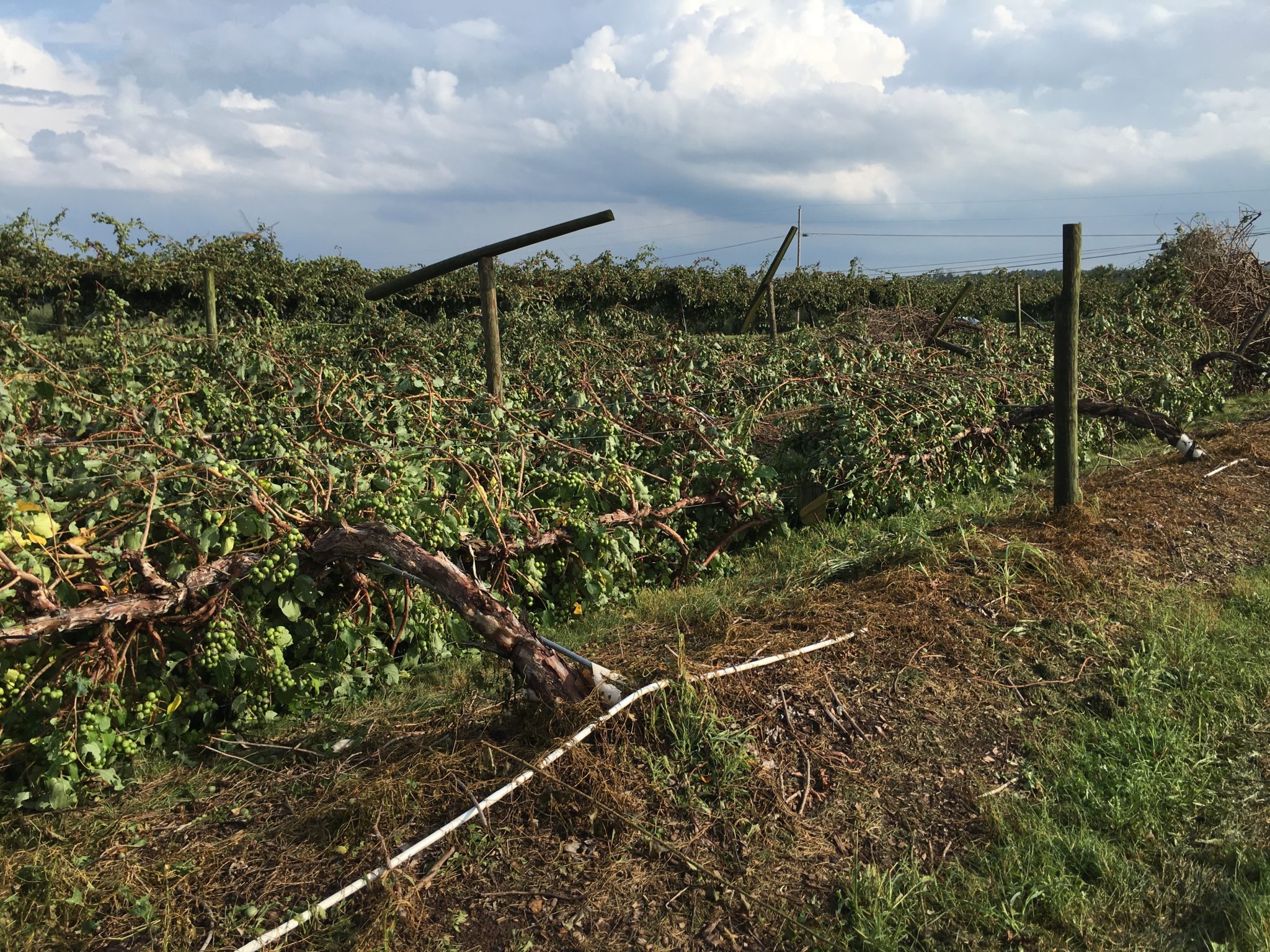
“Hail, fire, frost, and environmental perils like pests can devastate crops and result in total or partial yield losses, translating into huge financial detriment to the farmer.”
Farm debt in South Africa increased sharply to above R200 billion. This translates to an increase of 6% since 2019. Janse van Rensburg explains that farmers usually borrow capital to purchase seed, fertilisers, equipment, and labour during the production season. This loan is usually settled with money generated from a successful harvest.
He adds that while this debt is purported to be well balanced in relation to the value of agricultural assets, the financial pressure faced by farmers is immense.
“Crop insurance curtails these pressures by offering farmers financial protection against yield losses. Without this much-needed risk-based product, many farmers will not settle their loans and will be prone to liquidation and/or be forced out of farming altogether, which will be a huge setback to their livelihoods and country’s food security.”
This could well have been the case for a pecan nut farmer in the Northern Cape, whose crops at Nuwejaarskraal farm in Prieska were damaged by two hailstorms. The first hailstorm took place in November 2020, shortly after the insurance policy was concluded in October 2020, and the second hailstorm followed not long thereafter in March 2021.
The farmer sued the insurer for more than R9.6 million.
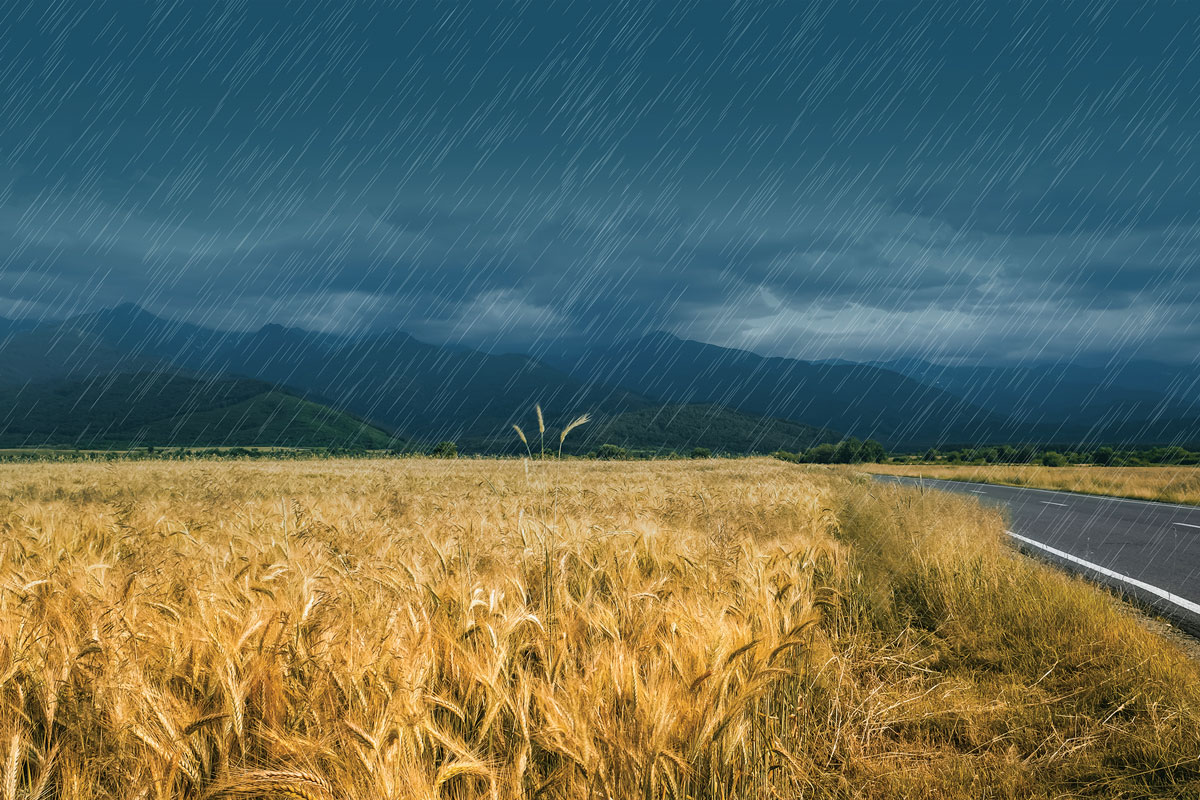
When a hailstorm damages crops, an insurer is expected to pay out according to the policy. But in this instance, the crops were washed away by heavy rain before they could be assessed, throwing a spanner in the works.
Ina Iyer, a director in the Norten Rose Fulbright’s litigation insurance team in Johannesburg, analysed the judgment delivered in NJK Boerdery CC vs Safire Insurance Company CC.
Providing a summary of the case, Iyer explains that the farmer had taken out an agri insurance policy that covered his pecan nut crop against the risk of hail damage. However, the policy did not specify how damage would be assessed in the event of a claim. The farmer claimed that the assessment procedure was explained to him by his broker and confirmed by the insurer’s technical manager during a call, and that it included a “wash away clause”. This clause provided that if the hail-damaged nuts were dislodged and washed away by rain, making it impossible to link them to specific trees, the assessment would be postponed to a week before harvesting, when the remaining nuts would be shaken and weighed.
The insurer disputed this allegation and relied on its own hail assessment procedure document, which post-dated the commencement of the policy and the first hailstorm. The insurer’s document did not provide for a wash away clause. Instead, it required the assessor to count the hail-damaged nuts that fell from the trees over several weeks and calculate the percentage of damage based on the insured yield. According to this method, the farmer’s damage was much lower than what he claimed, and the insurer offered to pay him R580 200.
The court had to decide which assessment procedure formed part of the insurance agreement. The judge found in favour of the farmer because, among other things:
- The insurance policy did not contain a definition of the assessment procedure, and therefore it was not the exclusive memorial of the policy. The judge was allowed to look at the surrounding circumstances and the negotiations of the parties to determine their intention.
- The farmer proved that the assessment procedure as explained by his broker and confirmed by the insurer’s regional manager was an integral and material term of the agreement, and that he paid a higher premium and agreed to a 20% excess for this specific cover.
- The insurer’s hail assessment procedure document did not form part of the policy and was not available when the policy commenced. The insurer’s witnesses also conceded that previous versions of the document could have included a washaway clause.
- The insurer’s employees did not correct or object to the use of the washaway clause when it was referred to in training on the product provided to brokers.
- The insurer had applied the washaway clause in other claims.
- The policy included a term that allowed the assessor to postpone the final assessment of any damaged fruit to such a time when the damage could be accurately determined, which supported the farmer’s version.
The court ordered the insurer to pay the farmer the full amount claimed, plus interest and costs.
Iyer says this case illustrates the importance of clear and consistent policy terms, and of ensuring that any oral agreements or representations are properly recorded and incorporated into the written contract to avoid later disputes.
“Policies seldom include a ‘whole agreement’ clause. It also shows that the courts will look at the context and the conduct of the parties to interpret ambiguous or incomplete contracts, and that the insurer bears the risk of any uncertainty or inconsistency in its policy documents,” says Iyer.
Source - https://www.moonstone.co.za