South Africa’s agricultural industry is underpinned by over 2 million smallholder farms – each playing a vital role in sustaining local food security and supporting rural economies.
Given the prevailing socioeconomic conditions and the lingering cost-of-living crisis (especially in rural South Africa), agriculture is often a lifeline for rural communities. For many, these farms are not just productive land – they are homes, family legacies, and primary sources of income. Additionally, majority of small-scale farms are women-led, as the men or husbands often leave their homes to seek work opportunities outside of the agricultural sector.
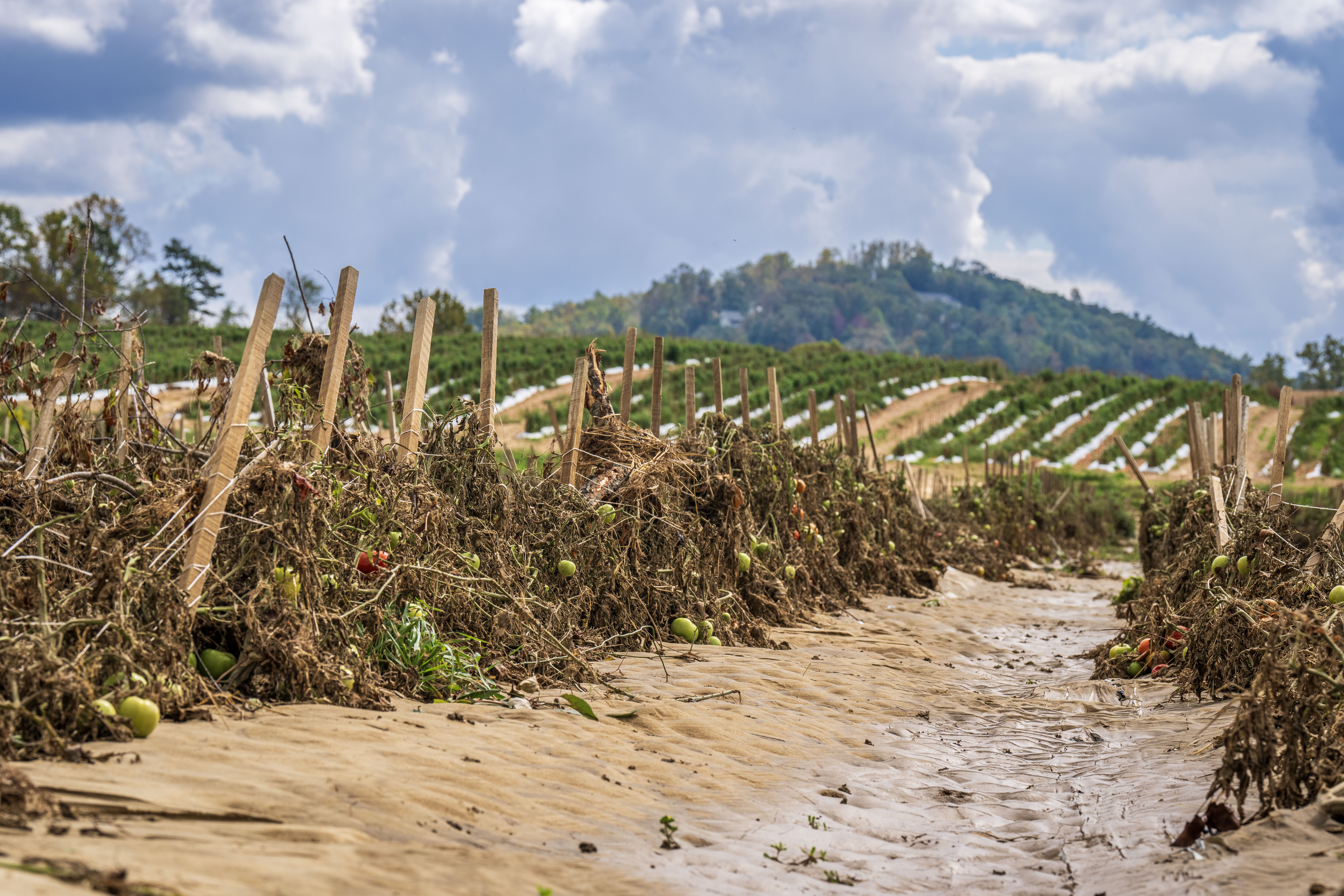
Yet this critical sector remains highly vulnerable. The country’s smallholder farmers are facing mounting threats from drought, floods, pest outbreaks, and theft, with limited protection against the financial shocks that follow these disasters.
Without tailored insurance, consistent support and risk-mitigation tools, a single event can strip families of both shelter and income. This is why the agricultural industry, insurers, and broader stakeholders must continue developing solutions that safeguard these farmers and strengthen the resilience of South Africa’s rural economy.”
Sustainability of smallholder farmers is the biggest challenge
The leading barrier to a sustainable future for smallholder farms is climate change. In many areas, the average yield on crops is far below what is possible. While roughly 65% of smallholder farmers are just managing to survive, about 25% are unsustainable. There are however, approximately 10% who have the potential to compete with the best farmers in the region. The important consideration is whether they can be consistently competitive over several years.
The unfortunate reality is that while a farm may be there today, the following year it could be completely gone because last year’s crop was suboptimal or was completely lost. Access to insurance is therefore critical.
Yet, ISF Advisors estimates that globally less than 20% of smallholder farmers currently have agricultural insurance coverage, and this decreases to less than 3% in sub-Saharan Africa.
Traditional insurance premiums are designed to cover key cost components such as loss adjustment and administrative expenses. However, premiums from smallholder farmers, often below R5,000 are insufficient to meet these financial requirements. To increase accessibility, Santam explored aggregating multiple farmers under a single policy, aiming to achieve economies of scale and make the offering commercially viable. Another strategy involved writing policies for farmers located near clusters of existing insured clients, based on the assumption that, in the event of hail damage, assessment costs could be shared. Despite these efforts, the approaches have not delivered the desired outcomes, highlighting the need for more tailored and innovative insurance solutions for smallholder farmers.
Designing practical insurance farmers need now not later
The regulatory authority recently granted Santam a licence to offer parametric insurance (also known as Weather Index Insurance) in the agricultural sector. It is the first and only parametric licence issued in South Africa.
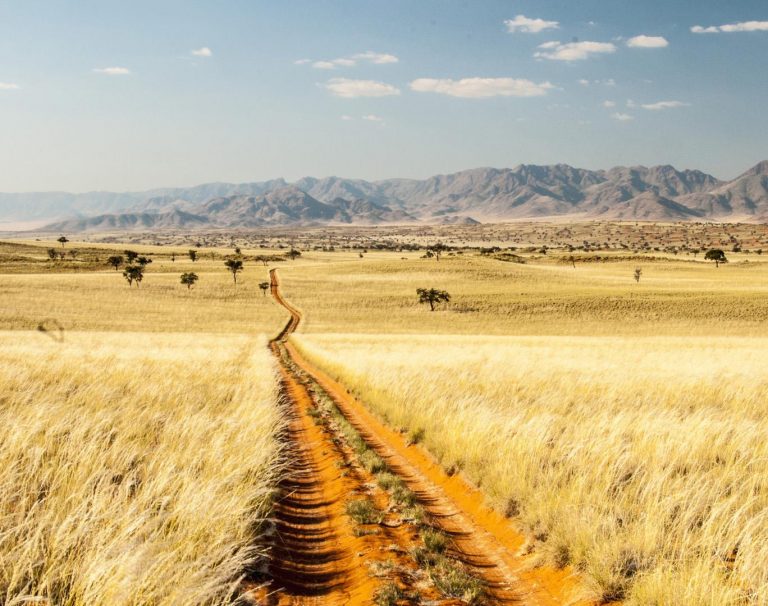
Weather Index Insurance offers an ultimate solution as the model sets predefined weather and climate triggers customised by region. For example, rainfall can be used as a proxy indicator for drought in index-based insurance products. A predefined threshold is set, and if rainfall falls below this level, payouts are triggered to compensate for drought conditions. On the contrary, if rainfall exceeds a certain upper limit, payouts may also be made to cover losses from excess rainfall or flooding. The specific thresholds and payout conditions depend on the design of the insurance product.
The World Bank has been pivotal in driving the development of index-based insurance programs in Africa. They achieved this through the establishment of funding initiatives, supporting pilot programs, and product development. Since then, it is exciting to see how many countries have started adopting it because they realised smallholders were not catered for within traditional insurance frameworks. In other parts of the world, including some African countries, where parametric solutions have successfully been implemented, governments and or various other donors subsidise (full premium or partially) these insurance programmes by paying farmers’ premiums to help improve food security.
We are excited about introducing it to South Africa and have already begun onboarding farmers on it and are currently getting policies in place for the initial rollout phase. We are hopeful that it will eventually lead to a viable solution for the sector and in particular smallholder and new era farmers.
Learning from how Africa weathers the climate
In Africa, smallholder farmers have always been the backbone of food production, as the reliance on that small piece of land breeds perseverance against the odds.
Regardless of their size and location, South Africans must recognise the integral role smallholder farmers play in the country’s food security. Their sustainability will be driven by amongst other things, tailored insurance solutions. We should learn from our African counterparts, adopt more weather index insurance programs, and, above all, drive sustainability of smallholder contexts.
Source - https://cbn.co.za