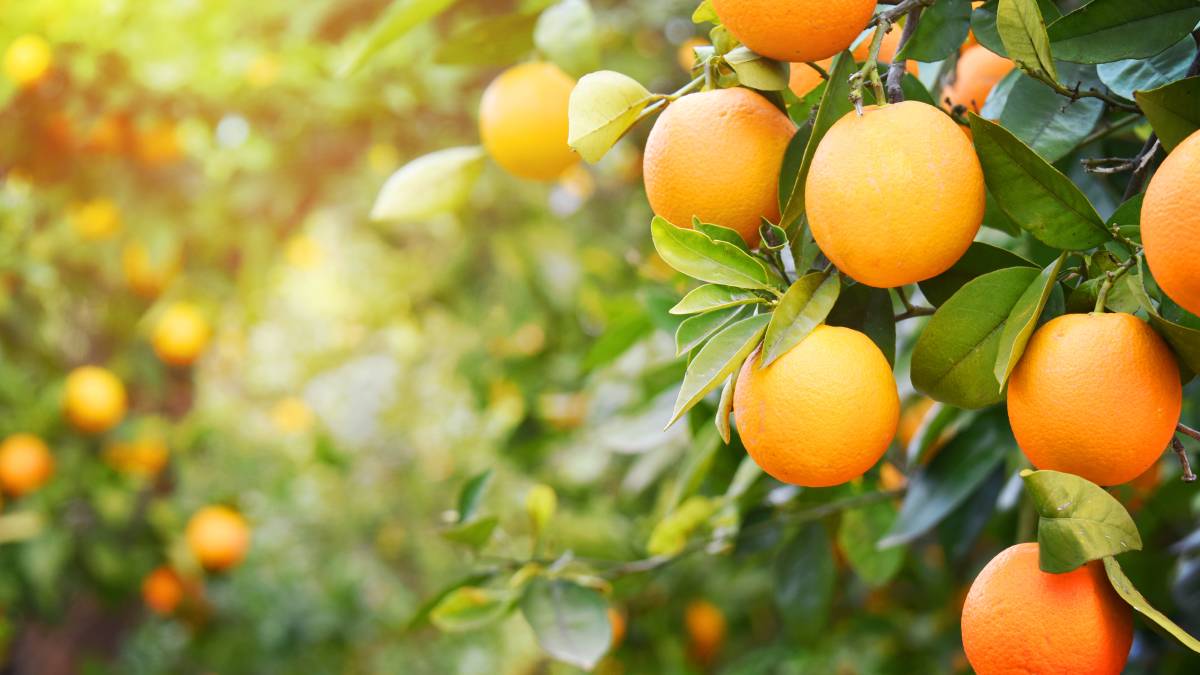
"It's a real disaster," summarized Antonio Barrera, a citrus grower who manages a family farm of one hundred hectares in the municipality of Cantillana (Seville) and two leased farms, where he grows different orange, mandarin, and grapefruit varieties. "After a whole year of work, complying with strict regulations and facing the crazy rise in energy, fuel, and phytosanitary product costs, we are unable to sell our fruit and we have to let it rot on the ground."
This year, producers have been affected by the lack of demand and a delay in harvesting caused by the slow marketing. In addition, the fruit has ripened in the trees more quickly because of the high temperatures, so it ends up falling to the ground.
"To top it off, we have to spend money on treating that fallen fruit, thinking about the next harvest. There are pests that attack the ripe fruit -like ceratitis or fruit fly- and these insects will stay there until the next year or they could attack other nearby varieties," he stated. "This is the worst campaign in years," he added.
"We normally finish the harvest in June, but this year we'll end it between mid-June and the beginning of July." Producers are still uncertain as to where they'll sell this fruit or at what prices. According to the latest report from the Observatory of Prices and Markets of the Junta de Andalucía, warehouses find it difficult to close operations.
According to the Andalusian agency, the price of oranges is 63.2% cheaper than the average for 2016-2021. "The fruit is being sold at prices that do not even cover production costs. The varieties we sold at 0.45 euro per kilo in the fields in other years are being paid at 0.12 euro per kilo this year," Antonio Barrera stated.
"The problem is that the price drop only takes place in the fields, as the prices paid by consumers are practically the same as last year," denounced Ricardo Serra, a citrus grower and president of Asaja Sevilla. Thus, while farmers are being paid 0.10 to 0.12 euro per kilo of oranges in the fields, this same fruit can cost 1 to 2 euro in the store or supermarket, depending on the establishment, which means they are up to 200% more expensive.
The losses are huge. According to a balance made by the Union de Uniones organization, "In the 2021-2022 campaign, Andalusian citrus producers have experienced a 24% decrease in gross income over the previous campaign, which amounts to a decrease of 174 million euro."
Source - https://www.freshplaza.com