Spain - There aren't too many avocado trees, it just doesn't rain

29.11.2023 925 views

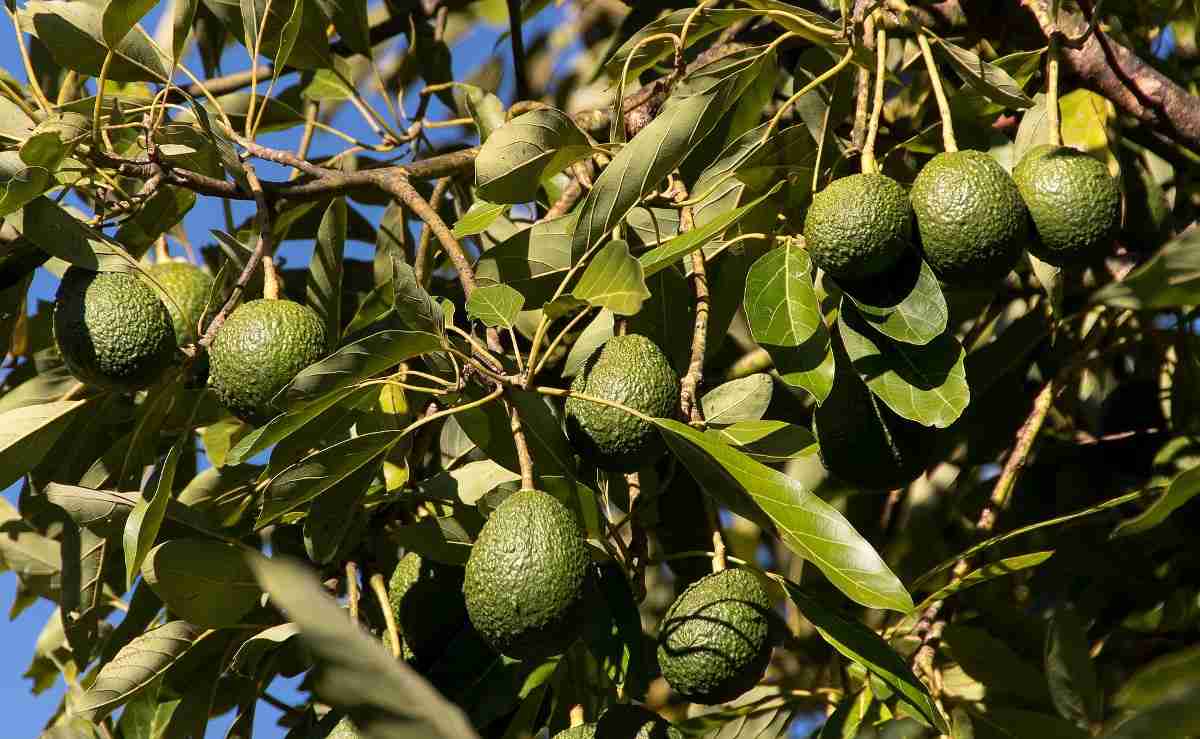
The Hass avocado harvest will begin soon in Andalusia and the Valencian Community, but their situations are very different. Avocado producers in Malaga, which concentrates 40.1% of the total avocado area in Spain, are concerned about the drought, which has forced the approval of restrictions that have led the field to a very delicate situation. The dam of La Viñuela, the reservoir that irrigates the Axarquía, is the most affected by the drought and it's only at 7.6% of its capacity, which means it can't be used for irrigation. "If it doesn't rain, we could lose a very important part of the production," stated Benjamin Faulí, head of tropical fruits at ASAJA Malaga.

Meanwhile, the Valencian Community -the region with the second largest area devoted to avocado production in Spain with 2,310 hectares- hasn't had any water issues, stated Celestino Recatalá, the president of ASOPROA (association of avocado producers of Valencia).

It's worth noting that, from 2011 to 2020, the area devoted to avocado cultivation increased by 50.1% in Spain as its consumption grew by more than 1,000% to reach an average of 1.5 kg per person per year. The expansion of the crop, however, is geographically limited by the climate because it is a tropical fruit.

Spain, in fact, only covers 10% of the European demand for avocado and more and more people want to produce avocado. "Our competition has doubled in the last five years," Recatalá added. "The constant improvement and professionalization of the entire network and the industry in general is essential in order to cover the largest possible audience."

Avocado production in the Valencian Community has increased by 250 hectares per year in the last two years. "All new avocado areas are alternatives to citrus, which is irrigated and has the same water needs: 5,500 cubic meters of water per hectare per year," Recatalá said.

Is there a bubble in the avocado sector? Many might wonder after seeing this figure. Faulí, from Malaga, replies: "There aren't too many trees, it just doesn't rain."

Source - https://www.freshplaza.com

02.09.2026

Philippines - Bayambang declares state of calamity over P31-M agricultural losses

The municipal council of Bayambang has placed the town under a state of calamity after Tropical Storms “Luis” and “Maymay” and the enhanced southwest monsoon, or habagat, caused more than P31 million in agricultural losses.

02.09.2026

USA - Lynndyl farmers assess crop losses after 100 mph winds and hail

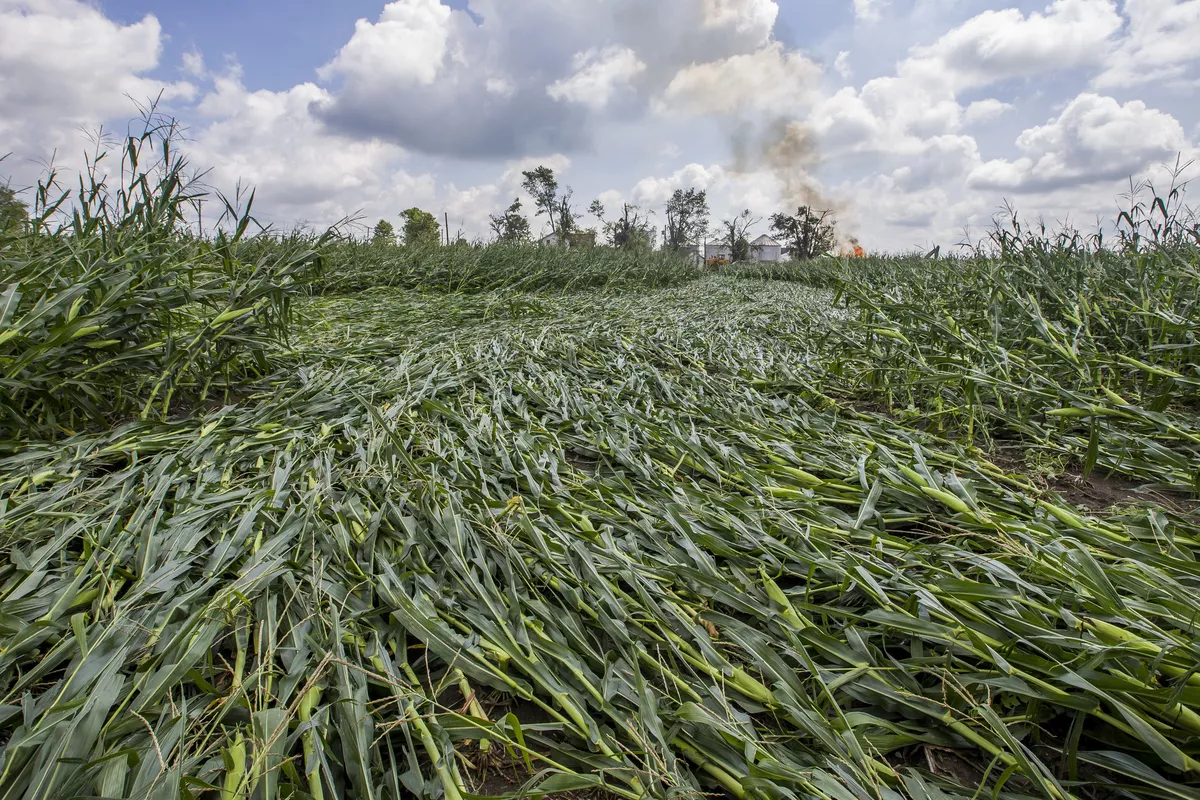
Farmers in and around Lynndyl are beginning to assess severe losses after a powerful weekend storm ripped through fields with destructive winds and hail just as some crops were nearing harvest.

02.09.2026

USA - New Insurance for Breeding Heifers

New LRP Coverage Aims to Reduce the Risk of Retaining Heifers for Breeding.

02.09.2026

Corn's $6 Surprise Could Change the Profit Math for U.S. Farmers

Corn may already be worth more than the board suggests as farm payments and incentives add about 52¢ per bushel to producer revenue.

02.09.2026

Philippines - Iloilo turns over P10M for farm, fishery insurance

The Iloilo provincial government has turned over P10 million to the state-owned Philippine Crop Insurance Corp. (PCIC) to expand insurance protection for farmers and fisherfolk vulnerable to losses from El Niño, La Niña, typhoons, pest infestations and other calamities.

02.09.2026

India - AP sees 1,263% rise in non-loanee crop insurance

The State witnessed a remarkable 1,263% jump in non-loanee farmer registrations, with their participation rising from 2 lakh in the previous Kharif season to 25.26 lakh farmers this year.

01.09.2026

South Africa - Grain SA calls for affordable crop insurance as dry weather threatens Swartland wheat

Severe rainfall shortages threatening the Swartland wheat crop have highlighted the need for government support to make crop insurance affordable for dryland producers.

01.09.2026

USA - Florida farms face nation’s highest disaster loss rate

Natural disasters destroy billions of dollars in U.S. agricultural production each year. From drought and wildfires in the West to hail in the Midwest and hurricanes in the Southeast, farms lose an average of $5.1 billion in crops and livestock annually, according to the Federal Emergency Management Agency.