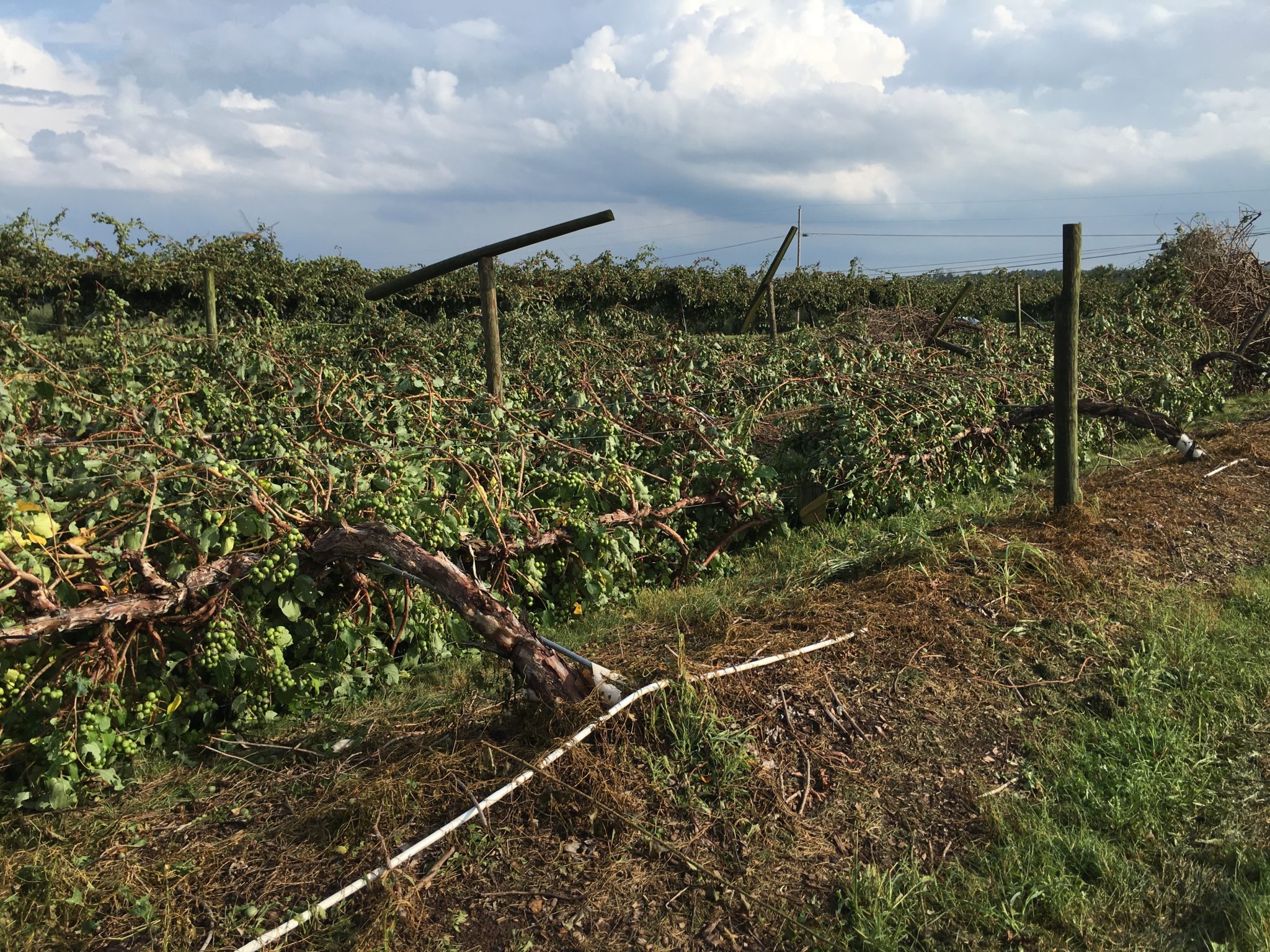
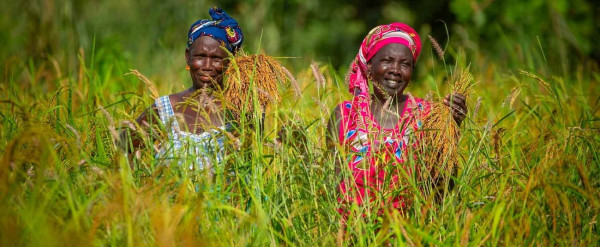
Somalia has been affected by severe weather patterns for years, trapped in a cycle between drought and extreme flooding that continues to devastate communities. The country recently faced its worst drought in 40 years, affecting nearly half of its 19 million population and displacing over 1 million people. The drought caused severe water shortages that resulted in widespread food insecurity.
Thousands of farmers lost crops and their sources of income, and their livestock perished due to a lack of water and loss of vegetation. Many communities also found themselves in conflict with neighbouring groups, competing for scarce resources like water and land.
In response to the crisis, the International Organization for Migration (IOM) launched the Degaan Bile project in August 2022. The project’s name, which means "enhancing nature” in Somali, reflects its aim of addressing the climate-conflict cycle and climate-related displacement through interventions focused on regenerative farming practices. In promoting sustainable agriculture, Degaan Bile also aims to foster peace and stability among affected communities.
So far, over 300 farmers have received training in cooperative management, conflict resolution, natural resource management, and more. These techniques emphasized restoring degraded farmland through innovative approaches, including water capture strategies, improved land management, crop diversification and enhanced soil health practices. One such method, the half-moon technique, improves water retention in the soil, helping to boost crop yields and enabling farmers to better adapt to the harsh realities of climate change.
Ahmed Diriye, a farmer from Mataban in Hirshabelle State, was severely affected by the drought.
“Previously, we were farming without any knowledge or skill, and we were greatly affected by water scarcity,” he explained. “Due to the drought, we were not able to support our families with the little crop yield; sometimes there was none.”
Thanks to the training, Ahmed and other farmers are now better equipped to adapt their farming practices to the ever-changing climate. “We have genuinely benefited a lot,” he added. “Now we have knowledge of various water catchment systems, resource management, soil nutrients and the appropriate farming seasons for crops.”
To further promote climate-smart agriculture, IOM has worked with farmers in Hirshabelle and Galmudug states to install new drip irrigation systems and rehabilitate water reservoirs. These measures ensure a more efficient use of water for farming, even during droughts.
Another training participant, Hersi Farah, explained how the new drip irrigation set up on his farm has become a lifeline and improved his crop yields.
“The drip irrigation systems installed in our farms are helping us conserve water by not using too much or too little, but by using the precise amount needed for our crops. It's tremendous progress for us and will allow us to overcome our past challenges,” said the farmer from Qofey, in Hirshabelle State.
Not far away from Hersi’s farm, Ahmed Abshir grows lemons and mangoes. During the last drought, livestock made their way into his farm in search of water and damaged his crops and two of his berkads, water reservoirs used in arid areas to collect rainwater during the wet season.
With support from IOM, Ahmed Abshir built a fence around his farm and repaired his damaged berkads. He’s now able to store water during the rainy season for irrigation during dry seasons, protecting his livelihood from the impacts of drought. Providing fencing not only protects crops but also serves as a conflict mitigation measure, reducing tensions between farmers and pastoralists caused when stray livestock damage neighbouring farmlands.
“The impacts of the drought were very devastating to our community. But we are rebuilding our lives and protecting our livelihoods,” he shared. “My berkads are now filled with water, and our future is looking brighter than ever."
The Degaan Bile project, funded by the European Union Foreign Policy Instrument (EU-FPI), was first piloted in Somalia’s Galmudug State and then expanded to Hirshabelle after its initial success. The project brings together IOM, local authorities, and climate-displaced communities to develop strategies for adapting to the changing climate and its challenges.
As a result, climate-affected communities are now playing crucial roles in combating climate change and integrating natural resource management to foster peace around shared resources. In four districts across Galmudug and Hirshabelle, 31 cooperatives have been formed to promote knowledge sharing, collaboration, and natural resource management. More than 1,800 trees have been planted, protecting the soil from erosion and wind damage and helping mitigate the effects of climate change.
Ubah Isse Siyad, a community leader and advocate for environmental stability, works hard to inspire her community to participate in tree-planting efforts.
“The drought really affected our lives. Tree planting is a tangible way to combat climate change and ensure a sustainable future for our children. We're proud to be part of this project,” she explained.
In addition to these efforts, climate-affected communities in Galmudug and Hirshabelle, with IOM’s support, have raised USD 50,000 to provide further aid to farmers suffering from the drought. The project has also established a resource management committee, made up of clan elders, farmers, and pastoralists. This committee fosters dialogue on how to respond to the impact of climate change on livelihoods and security.
The Degaan Bile project is testament to the power of collaboration, innovation, and community empowerment in the face of climate change. By equipping farmers with the knowledge and tools to adapt to a changing environment, IOM is not only mitigating the immediate impacts of environmental hazards but also building a more resilient and sustainable future for Somalia's communities.
Source - https://reliefweb.int