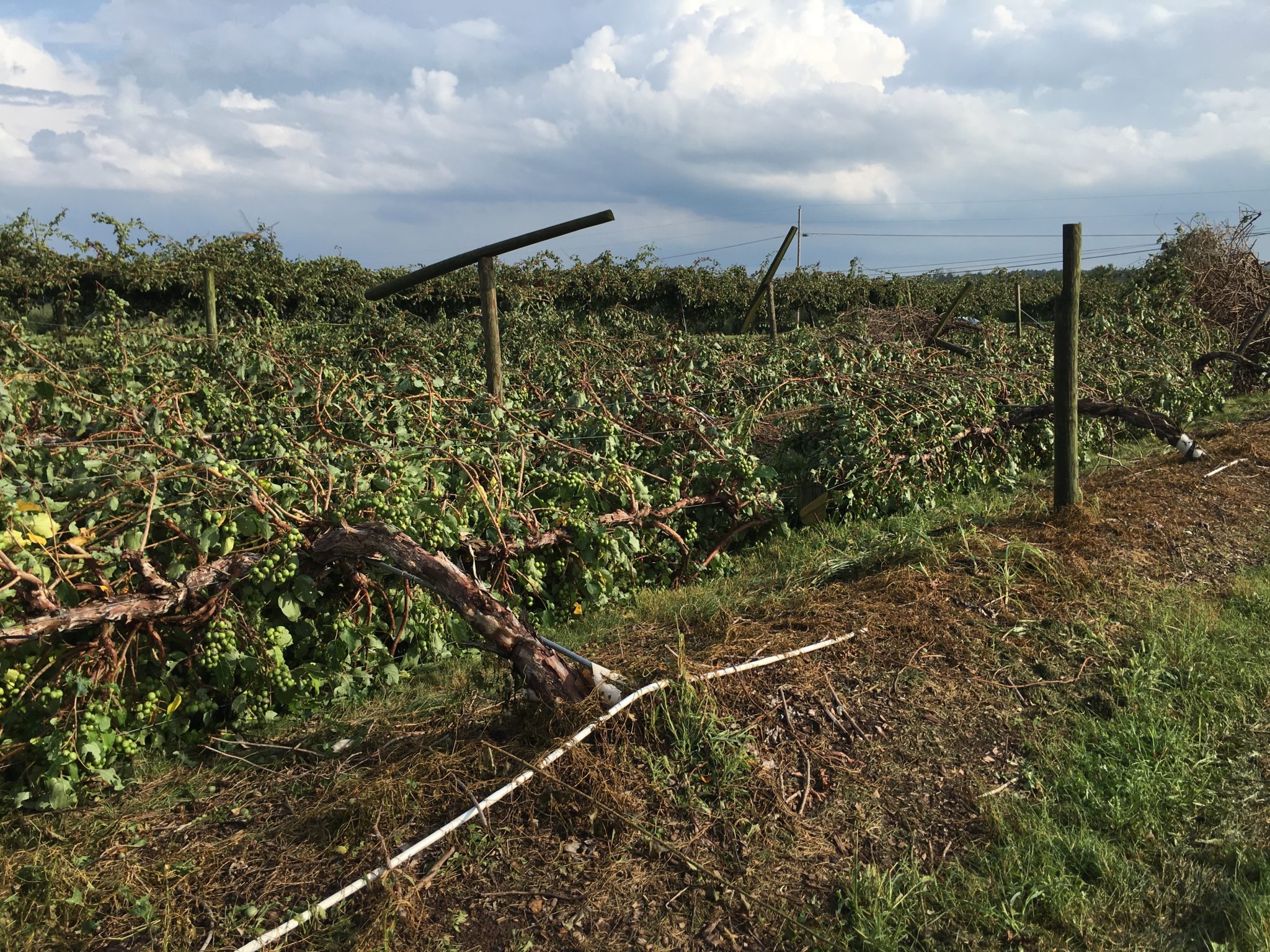
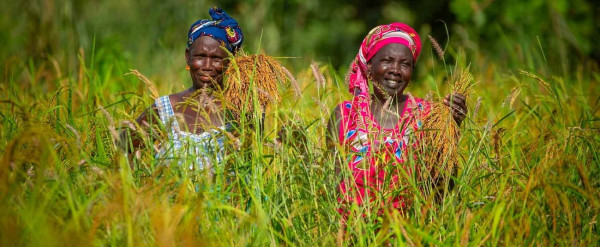
Amid the dry conditions, farmers in the Commonwealth have finally been seeing sprinkles of rain.
ABC13 went out to two farms in Bedford County to see if this has helped crops bounce back.
Even with the rain, unfortunately, Bedford County Farmer Don Gardner's corn crops were not able to grow properly and wouldn't be able to produce any ears.
“Normally at this stage, the corn would be up here around 8, 8 1/2 foot tall," Gardner said.
This loss will cost Gardner around $100,000.
The rain will help the corn not to die, so Gardner will be able to still harvest the stalks for feed, but because the crop will not include ears, vital nutrients will be missing.
To supplement this, these nutrients will have to be added to the cow's feed.
"Since the corn will not have an ear on it, the heat has damaged the pollination and the dry weather kept the ears from forming. We will have to buy a lot of corn and soy bean-type products to supplement," Gardner said.
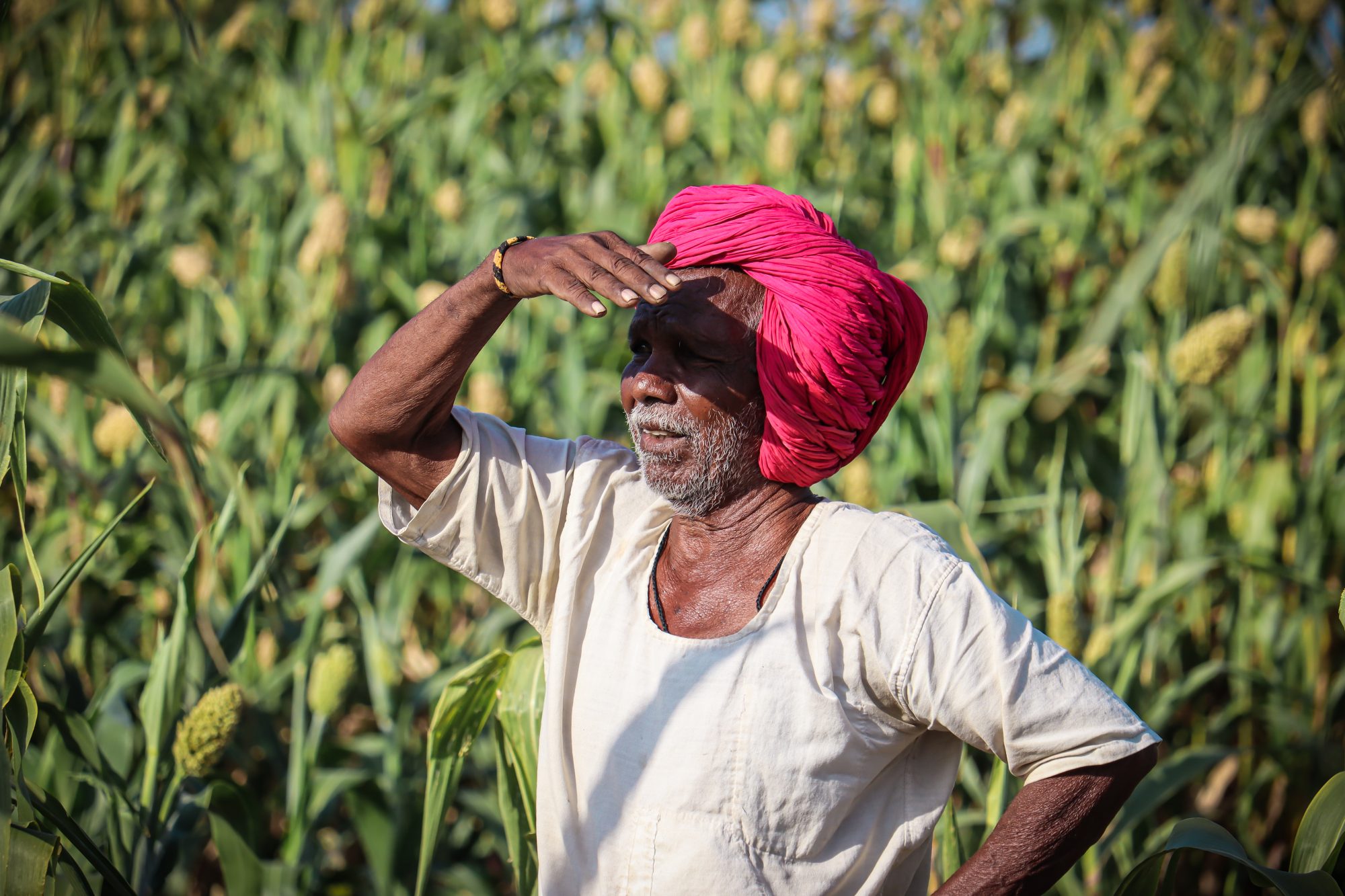
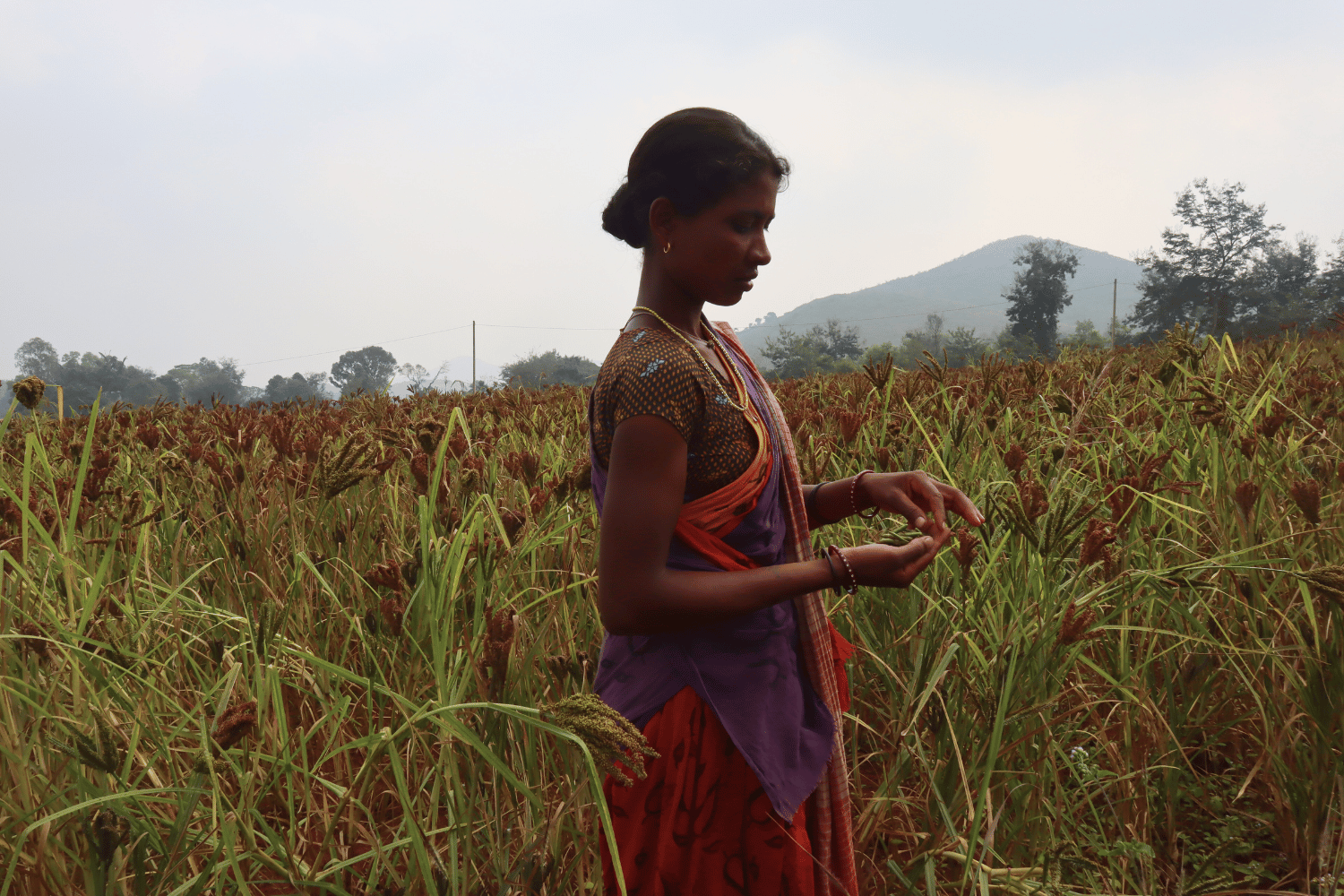
Thankfully, he does have a backup crop of sorghum, which is more resistant to the elements.
"Sorghum has the ability to go dormant when it runs out of water or gets too hot and so instead of just burning up like the corn does, you notice that the leaves are still green," Gardner said.
Farmer Steve McFadden said because of the drought he has had to change how he feeds his cows.
“We usually start feeding the hay that we produce in about October or so. This year because of the drought, and the pastures are dried up we have had to start feeding hay now," Mcfadden said.
The good news is the rain is helping the grass to start growing again, giving the cows more food than before.
However, if McFadden has to continue to feed hay at this rate, he will have to sell some of his calves to offset his losses.
"We would probably have to get rid of all the calf crop just to keep the cows," Mcfadden said.
The fight against Mother Nature is not over.
The Bedford County Cooperative Extension is aware of these issues.
They are pushing for possible government help to aid with these farmers' losses.
“The process to try to have these localities designated as a disaster area, and if we are successful in doing that, it may provide some financial assistance," Scott Baker, the agricultural extension agent said.
Baker said the biggest loss is to the farmers themselves, these issues won't have much of an impact on the prices of our food.
For the farmers, crop insurance is also an option to help with losses.
Source - https://wset.com