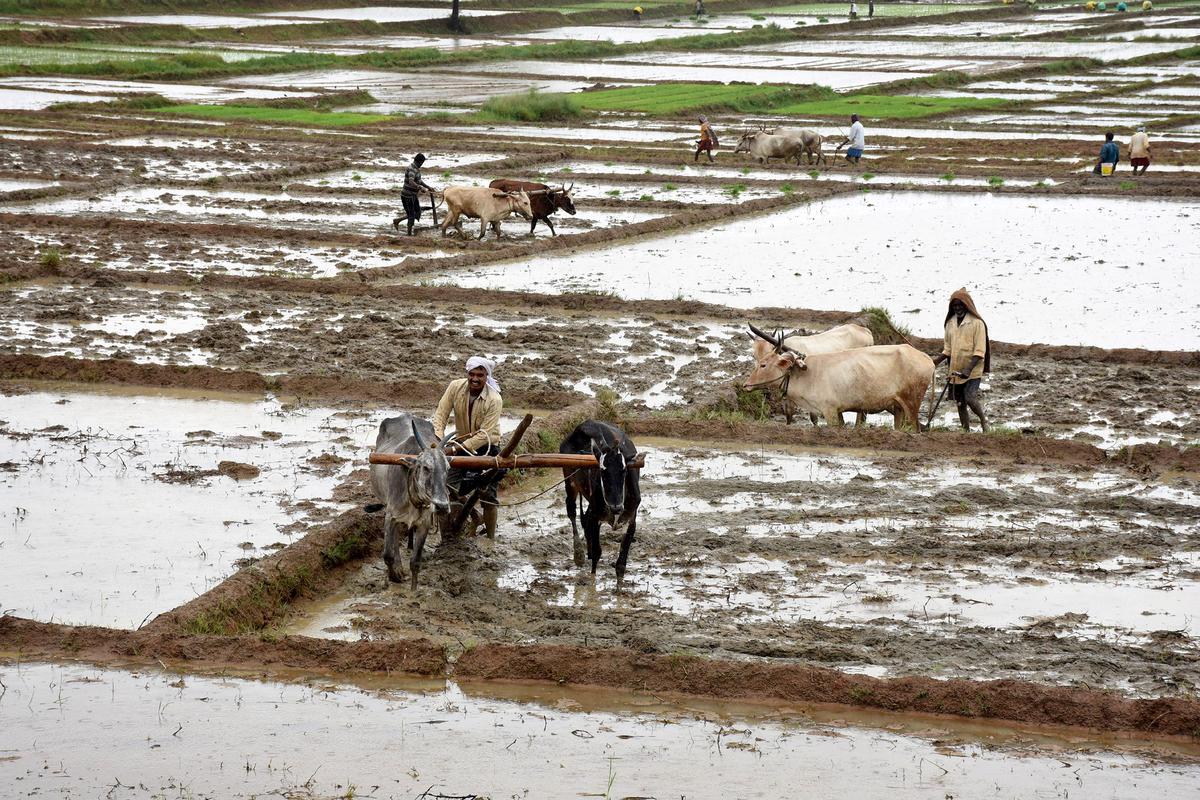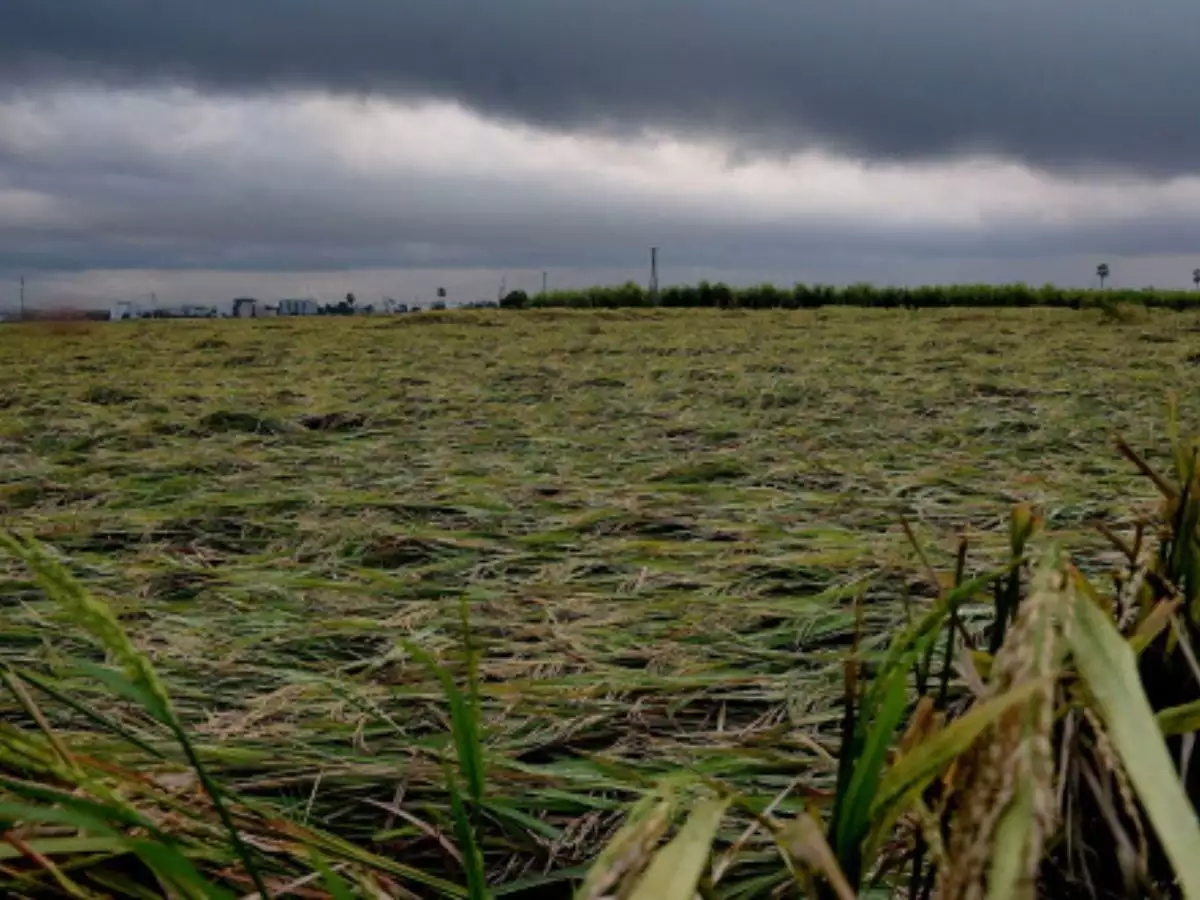
As parts of the region have experienced heavy rainfall and flooding throughout this spring and summer, many agricultural producers are now faced with making management decisions for the viability of their operations.
The U.S. Department of Agriculture’s Risk Management Agency oversees the federal crop insurance program that supports the nation’s farmers and ranchers in difficult times. Federal crop insurance and other USDA programs provide a safety net that helps keep agricultural producers in business in times of hardship.
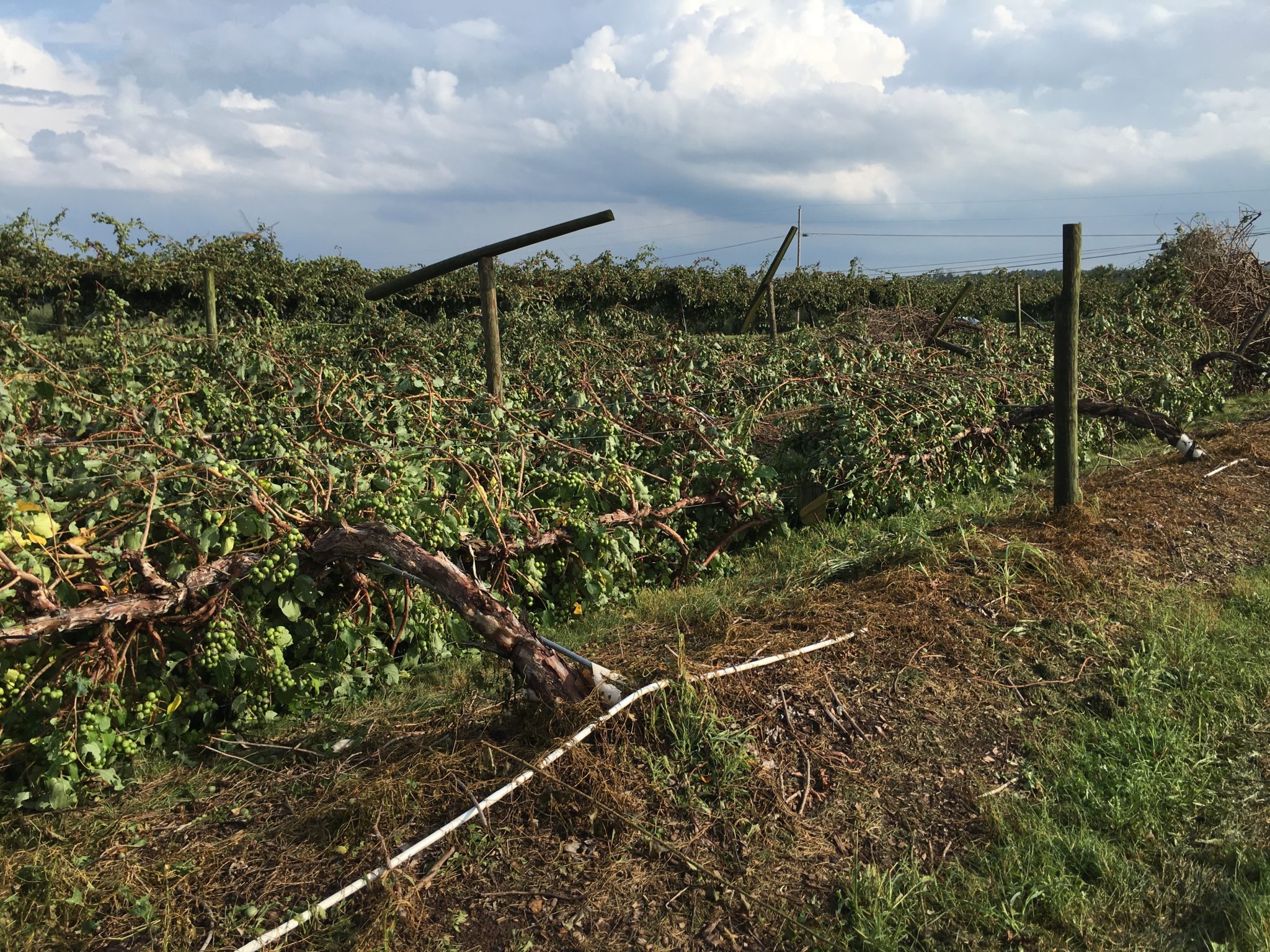
According to the Risk Management Agency, if a producer purchases federal crop insurance and their crop is impacted by a natural disaster such as a hurricane, flood, drought or hail, there are certain steps that must be taken to ensure a claim is processed accurately and efficiently and any potential indemnities are paid in a timely manner.
Prior to a disaster, it is advised for producers to review their policy annually and verify information contained in their summary of coverage which includes information specific to each producer such as the amount of insurance selected, the number of acres insured, and any elected options or endorsements.
Each year, producers should also be ensuring all farm records, including production records, are in order and secured. It is also important for producers to have the correct contact information for their crop insurance agent and crop insurance company/approved insurance provider.
David Squires, a crop insurance sales agent for Precision Risk Management in Volga, South Dakota, said having the ability to contact your crop insurance agent and communicate what your farm is experiencing is key, especially in times of loss or disaster.
“Over communicate with your agent,” Squires said. “That allows them to keep in touch with the claims team and get notice of losses turned in timely so that the claims team can get out there and serve that farmer in whatever capacity it is within the policy.”
Precision Risk Management is headquartered in Sioux Falls, South Dakota, and offers crop insurance directly to farmers across the country. Squires primarily works with producers based throughout the Midwest.
Squires feels that every year in agriculture comes with its own set of challenges and this year has been no exception.
“This year, with all the rain we've had, we've had areas really impacted by the excess water, and we did have some prevented planning as well,” Squires said. “In recent weeks, it's just wreaked havoc in certain areas, and there's a lot of concerned farmers of what that's done to their crop and how they manage that.”
Prevented planning offers producers protection on an insured crop for the acres that they could not get planted. To qualify, producers must be prevented from planting by an insured cause of loss that is general to the surrounding area and that prevents other producers from planting acreage with similar characteristics.
Final planting dates and late planting periods vary by crop and by area. The prevented planting first decision dates for corn were May 25 for North Dakota and South Dakota and May 31 for Iowa and Minnesota. The first decision dates for soybeans were June 10 for North Dakota, South Dakota and Minnesota and June 15 for Iowa.
With over 10 million policy choices, it can get quite confusing for a producer. Squires said the goal of a crop insurance agent is to help them understand and best utilize their policy.
“When a grower gets affected by the excess rain — in these situations that we've seen in a lot of areas, crops just completely wiped out — we communicate well with our growers and help them navigate their crop insurance policy,” he said.
In cases of natural disaster or loss, the first step a producer can take is to contact their agent. The Risk Management Agency advises products to file a notice of loss or damage within 72 hours of discovery and follow up in writing within 15 days. After initial notice, a crop insurance provider will then arrange for a loss adjuster to inspect the crop and determine whether a yield or crop value falls below an insurance guarantee.
Squires said if a producer is still within the window to replant a crop, it is then up to them if they want to replant, switch to another crop or destroy the crop, as long as the acres have been released.
“There's a lot of things the Risk Management Agency allows us to do to help them move forward; they have a policy depending on unit structure,” Squires said. “We see how production comes in. There's times where it's just completely wiped out so there's no production there. Our claims team will come in and communicate with the crop insurance company to get all the paperwork in line so they can go to another crop if that's something they want to do.”
With the deadline for filing crop acreage reports approaching on July 15, Squires advises producers to thoroughly review everything to ensure accuracy, especially with the large volume of claims this year.
"We've had a lot of data come in and we're overlaying maps to get those acres accurate and get those preventive planning claims paid, but get them in there and really review your schedule of insurance after you get that from your agent. Make sure all those acres are right, because there's going to be a lot of areas this year that could be claims triggered, and we just want to make sure those are accurate,” Squires said. “Make sure everything looks good and communicate any discrepancies or anything you find out of line with your agent.”
Source - https://www.agweek.com