North Carolina’s crops, including corn, tobacco, soybeans, and cotton, have suffered significant damage due to an ongoing drought. For only the second time since 2000 that North Carolina has seen an increase in drought classification for more than 50% of the state in one week.
According to the North Carolina Drought Management Advisory Council (DMAC), 57 counties were classified as moderately dry and 42 as abnormally dry. According to the North Carolina Department of Environmental Quality (DEQ), all or part of 99 out of North Carolina’s 100 counties were classified as moderately dry or abnormally dry, with high temperatures and low precipitation.
“On June 2, only 3% of corn was rated as being in poor condition,” Corey Davis, assistant state climatologist for the State Climate Office of North Carolina at North Carolina State University, told the Carolina Journal in an email. “By June 16 — when we were in the middle of a two-week stretch with no measurable rainfall — that was up to 13% in poor condition and an additional 10% in very poor condition.”
According to the crop and condition report from the USDA for the week ending June 30th, 34% of the corn crop was rated ‘poor’ or ‘very poor.’ Only half of those numbers were fair (15%) or good (16%). Several other crops are struggling, but sweet potatoes seem to be weathering the dry period better, reportedly at 2% ‘excellent’:
Cotton: 50% fair, 32% good, 12% poor, 6% very poor
Hay: 11% fair, 40% good, 43% poor, 6% very poor.
Pasture: 28% fair, 22% good, 42% poor, 8% very poor
Peanuts: 35% fair, 40% good, 13% poor, 12% very poor
Soybeans: 47% fair, 23% good, 19% poor, 11% very poor
Sweet potatoes: 50% fair, 36% good, 10% poor, 2% very poor
Flue-cured tobacco: 45% fair, 20% good, 25% poor, and 10% very poor.
Davis noted the significant change in the condition of the crops between the beginning of June and the end of June when the percentage of corn rated as ‘poor’ jumped by about 30%. He pointed out that this speaks to the hot and dry climate and the sensitivity of the corn crop to moisture levels during the peak growing season.
While corn is the primary crop impacted by the drought, it is not the only crop.
” …getting back into a wetter pattern soon is pretty critical to slow or stop the degradations,” continued Davis. “And some of those crops are also going through development phases that are sensitive to a lack of moisture now.”
This year’s drought intensified as the peak growing season for these cash crops began, worsening the impact on farmers.
“As North Carolina enters a crucial period of the growing season for most crops, drought is now affecting about half of the state,” Dr. Jeffrey Dorfman, Hugh C. Kiger Distinguished Professor of Agricultural and Resource Economics Department of Agricultural and Resource Economics at North Carolina State University, told the Carolina Journal in an interview. “Crop conditions have been impacted for virtually all crops that do not have sufficient irrigation, with the most impacted being hay, corn, sorghum, and tobacco. Cotton, sweet potatoes, soybeans, and even peanuts (which are quite drought tolerant) are also feeling the effects. This extended hot, dry weather will impact both quality and yield and could easily result in farmers losing several hundred million dollars in sales. Farmers will also face bills for extra energy to run irrigation systems in an attempt to avoid further drought damage. Altogether, unless rain starts catching up immediately, we can likely expect farm income to be down by several percent in North Carolina this year due to the dry and hot weather.”
Right now, 99 of North Carolina’s 100 counties are in some stage of drought.
“You add heat to that, and it makes it pretty critical,” Agriculture Commissioner Steve Troxler told the Carolina Journal in an email. “A lot of the corn is beyond help because corn is not a water-wise crop that can sit and wait for rain. It’s got to have water at a particular time, especially around tasseling and pollination, and we are beyond that now. I wouldn’t expect a lot of rebound with corn, but most of our other crops can stand some dry weather. Right now, there is no way to tell about crop losses, it’s just too early. This is exactly the reason we need a federal Farm Bill to help mitigate the risks farmers take.”
According to the latest data from drought.gov, 42.3% of North Carolina is D0 (abnormally dry), and 56.5% is D1 (moderate drought).
“The hot and dry conditions resulted in a rapid degradation of conditions statewide,” said Klaus Albertin, chair of the DMAC, in a press release. “The lack of rainfall has been made worse by the warm weather and low humidity. We have already seen impacts to stream flows and reservoirs. The late spring and early summer are critical in the growing season, and impacts to agriculture have already been seen.”
According to Davis, the best resolution to a drought is a hurricane. However, too much rain can be equally damaging to crops.
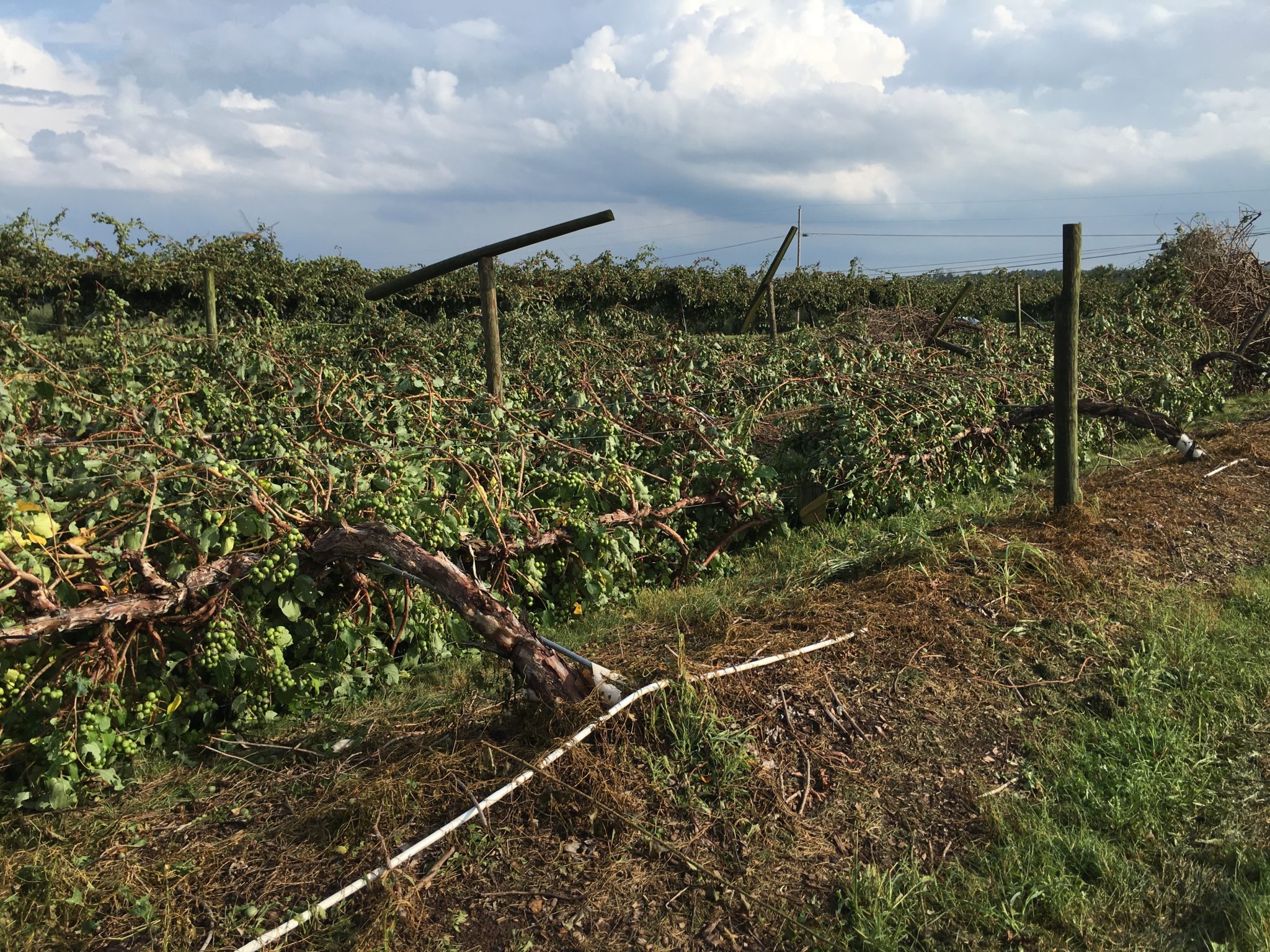
“I have always said that the best cure for a drought is a good hurricane, and seeing how active the Atlantic is already, that seems like the most likely way this drought will end,” said Davis. “Of course, those carry their own set of potential problems for farmers. Too much rain from those storms can cause flooding and crop damage or loss, and high winds can knock down corn stalks or other plants later in the growing season.”
Source - https://www.carolinajournal.com