If you eat, then you are into agriculture and food security. A critical part of keeping us all eating is insuring farmers. Crop insurance is a crucial element in the agricultural framework of the United States, designed to safeguard farmers against the unpredictability of weather and market fluctuations. As the impacts of climate change intensify, the traditional model of crop insurance faces scrutiny. Critics argue that it needs to better address sustainability in agriculture and fails to support urban farming initiatives.
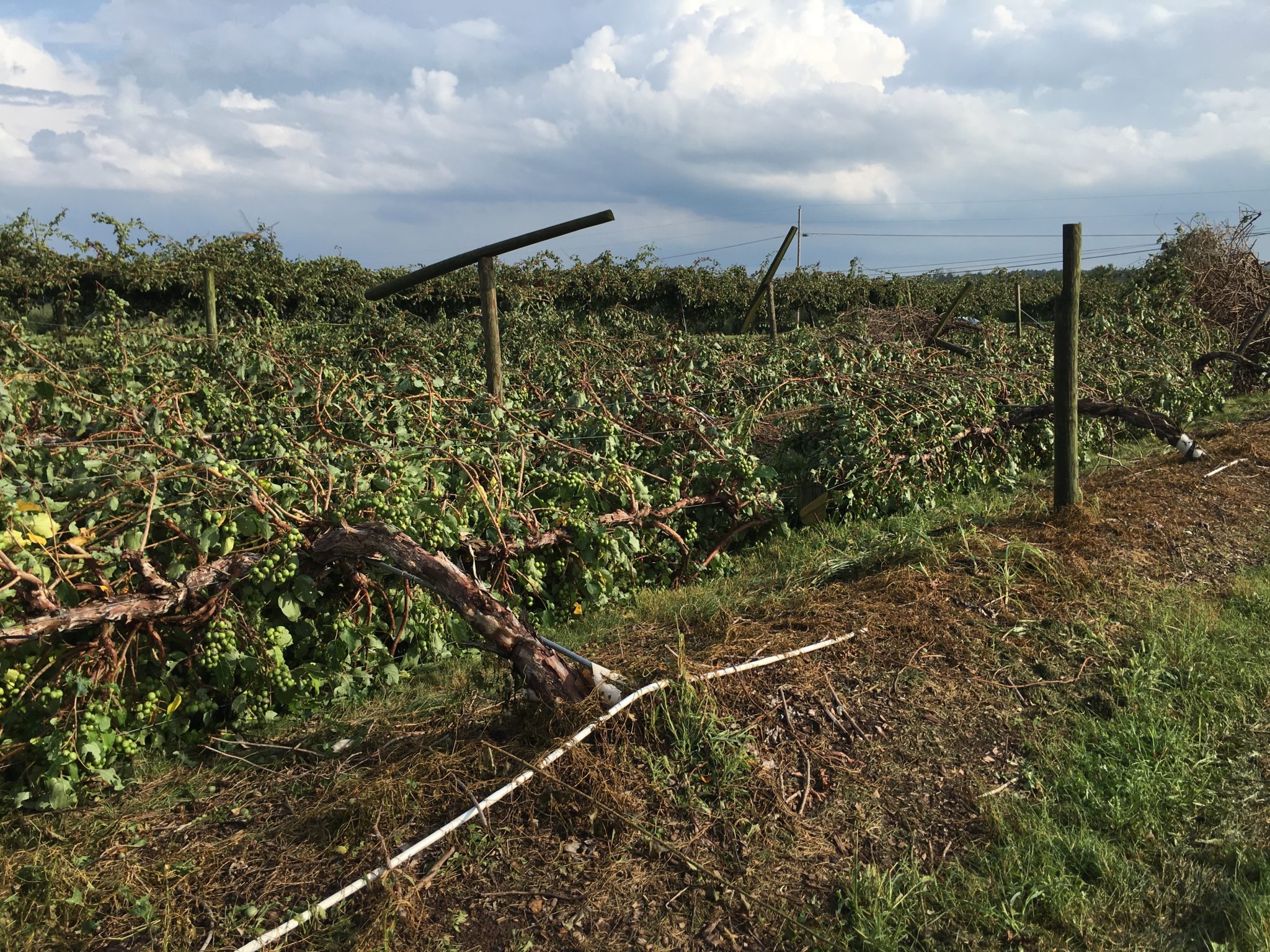
At its core, the Federal Crop Insurance Program serves as a safety net for farmers, covering losses due to natural disasters such as droughts, floods, and hurricanes, as well as revenue losses from drops in market prices. According to the Congressional Research Service, the program provided about $115 billion in total coverage for crops in 2020 alone. Crop insurance payouts in 2022 and 2023 were the second and third highest, respectively, in the past 30 years. The U.S. Department of Agriculture paid farmers over $16 billion because bad weather like droughts and heat waves destroyed their crops.
“It’s something we’re all kind of dealing with. Last year was difficult, especially with the drought. This year we’ve had large downpours. We’re still in a drought, but the rain is coming all at once. (The crops) will flood easily. Or they don’t grow because they’re waterlogged.” explains Iriel Edwards, a first-generation farmer from Louisiana. The importance of the program and what it means for farmers, and the national food supply, is even more critical in an age of climate-driven disasters.
The way the system is structured not only makes payouts expensive but stops farmers from changing to sustainable practices that could contribute to climate change mitigation. Reports from Civil Eats and other analyses explain that the “good farming practices” rules farmers have to follow to be insured, don’t include organic farming or regenerative practices that improve soil health and increase biodiversity. That also includes work like planting drought-resistant crops or using certain water-saving techniques. What was intended to be a safety net is trapping farmers into using conventional methods, which can be more harmful to the environment.
The financial setup of federally subsidized crop insurance lacks both economic and environmental justification. The subsidies encourage overplanting and the cultivation of marginal or risk-prone lands, potentially leading to increased environmental degradation. Additionally, a study highlighted by Stanford University indicates that climate change has already exacerbated crop insurance losses by $27 billion over 27 years, underscoring the need for a system that better addresses the challenges posed by a warming planet.
The current crop insurance model also does little to encourage risk reduction strategies that could mitigate the effects of climate change. More resilient agricultural practices, such as diversified cropping systems or improved water management, are often not adequately supported under the existing policy framework. This misalignment suggests a need for policy adjustments that not only protect farmers financially but also promote sustainability.
Urban farms, which are becoming increasingly important in providing fresh food in city environments, find themselves entirely excluded from the benefits of crop insurance. These agricultural operations face their own set of challenges, such as limited space, soil contamination, and water access issues, yet have no federal insurance support comparable to their rural counterparts. There is an added equity issue. Most urban farms are in urban and BIPOC communities. Excluding urban farms means layering onto other historic exclusions in these communities. This gap highlights a significant oversight in agricultural policy, as urban farming could contribute greatly to sustainable urban development and food security. Officials at the USDA say they are working to update the definitions and policy concerning urban farms.
To address these issues, policy reforms could recalibrate the crop insurance framework to better support sustainable practices across all types of agriculture, including urban settings. Proposals include creating incentives for farmers implementing sustainable farming techniques or expanding coverage to include urban agricultural projects. Integrating climate resilience into the insurance calculations could help align financial incentives with environmental sustainability goals.
While crop insurance is a fundamental aspect of agricultural policy in the United States, its current structure presents challenges for sustainability. The program's focus on traditional farming methods and its exclusion of urban agriculture call for thoughtful reform. By redesigning crop insurance to support innovative and environmentally friendly farming practices, policymakers could foster a more resilient agricultural sector in the face of climate change and beneficial for all farming communities. This shift is not just necessary for environmental health but also for the long-term viability of the nation’s food supply chains.
Source - forbes.com