Crops and livestock across the state continue to take a beating as California farmers work to reduce impacts of a lingering heat wave that has increased their costs and jeopardized production.
With prolonged triple-digit temperatures pummeling the state’s key agricultural regions—topping 110 degrees in some areas—farmers are irrigating fields more frequently, deploying misters and fans to cool livestock, and shortening daytime work for agricultural employees or working after sundown.
Merced County dairy farmer Bob Borba said milk production could drop 15% to 20% when there are consecutive days of high heat as cows eat less. Hot weather also reduces cow fertility and breeding, throwing off the dairy’s calving schedule. Cows that calve in sweltering conditions will be more stressed, he added.
“Dairy cows have a hard time with heat,” Borba said.
Even so, dairy farms have come a long way in the past 20 years in how they protect their animals from extreme weather and keep them more comfortable during heat waves.
The barns themselves have changed, with open corrals under roofs to provide shade from the sun. They’re also equipped with fans and misters or soakers that spray cows regularly with water to cool them off.
What’s more, dairy nutritionists typically change the herd’s diet to a ration with more calories and fiber to compensate for the animals’ reduced feed intake during sustained high-heat events, said Rubia Branco Lopes, University of California Cooperative Extension dairy advisor for Tulare and Kern counties.
Keeping the cow’s diet high in fiber is important, she said, as it reduces the risk of ruminal acidosis, or grain overload, which could lead to increased risk of lameness and mastitis.
Heat stress also affects the cow’s immune system because the animal is doing all she can to reduce her body temperature, increasing stress. This will decrease her fertility, she said.
While keeping shade and water on the animals remains important, Branco Lopes said shading water troughs and feed bunks will encourage them to drink and eat. Dairy farmers should also check the nozzles on sprinklers or misters to ensure they’re working properly, she said.
“It’s little things, but in the end, they’re important,” Branco Lopes said.
Borba said even though improved health and farm conditions have allowed dairy cows to better handle extreme heat, there will still be some mortality. His concern, he said, is with the state’s limited rendering capacity to keep up with livestock carcasses.
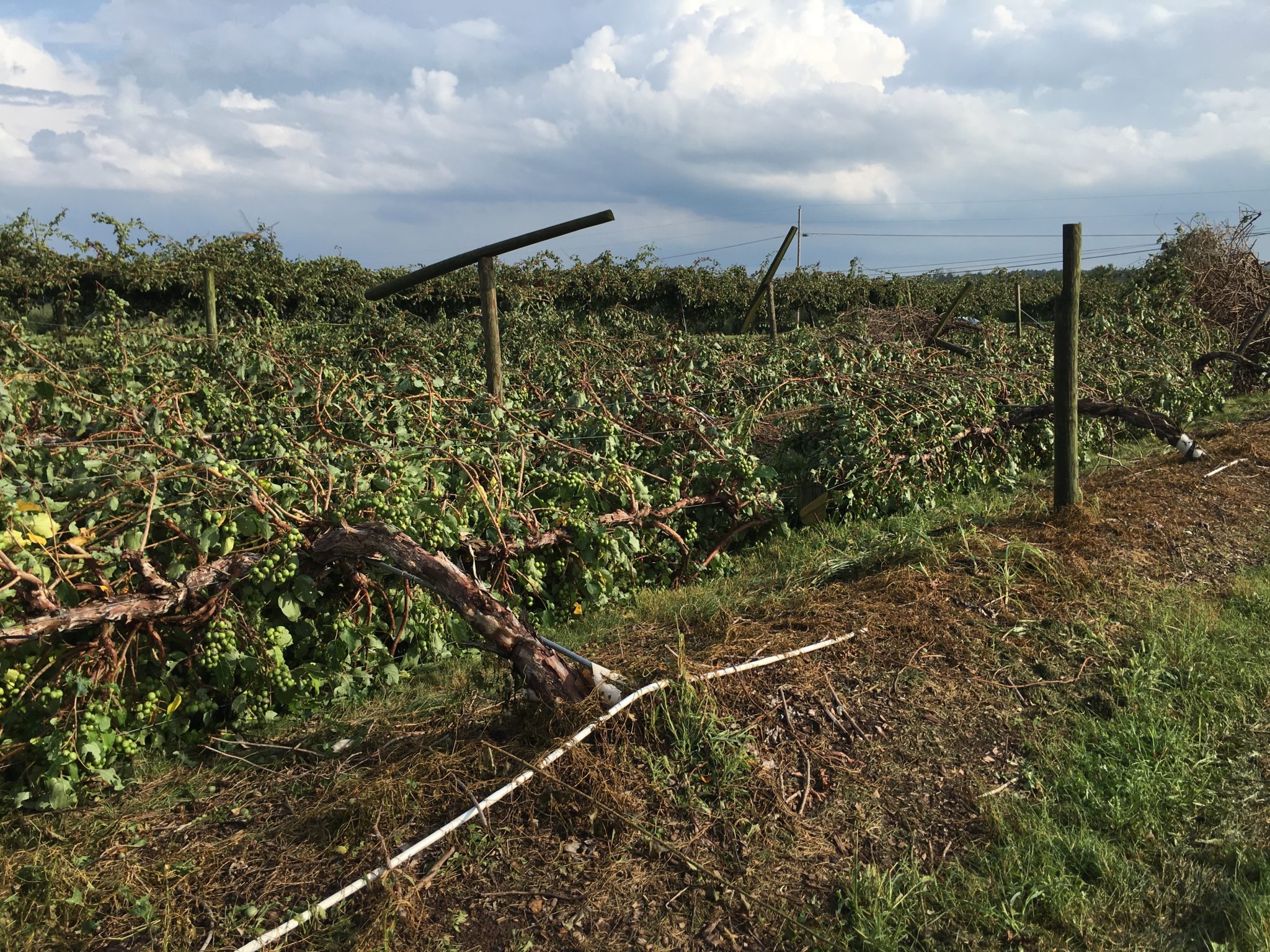
Persistent, scorching temperatures can put crops such as table grapes at risk. At Mirabella Farms in Fresno County, grower Philippe Markarian said he was working to prevent damage to the fruit. But he said he anticipates some crop loss.
“The vines will be under a significant amount of stress,” he said.
Last week, most of the varieties Markarian grows were going into veraison, when the grapes begin changing color and ripening. With high-enough heat, the berries will cook on the vine, especially if they’re in direct sunlight, making the fruit unsalable.
Markarian said he was increasing irrigation to help the vines weather the heat. He was also experimenting for the first time with applying a polymer coating designed to prevent vine stress by mitigating transpiration, helping the plants regulate their internal temperatures.
He typically begins picking Flame Seedless—the first variety to come off each year—around July 10-14, but heat stress on the plant will delay harvest, he said.
Other permanent crops such as walnuts may also sustain damage from the heat. With triple-digit temperatures continuing, Stanislaus County grower Jake Wenger said there is always concern the nuts will get sunburn. Walnuts exposed to direct sunlight may turn black as the heat cooks the kernels inside the shells.
To prevent sun and heat damage, he said he applies a white clay film on the foliage and nuts, particularly trees on the edge of orchards and at the tops of canopies that receive the most direct sun. Even with these measures, he said he expects some sunburn damage.
In a crop progress report this month for Blue Diamond Growers, Mel Machado, vice president of member relations for the cooperative, said almond growers are increasing the frequency and volume of irrigation.
Fresno County farmer Donny Rollin, who grows almonds and pistachios, said he’s doing his best to keep his trees well hydrated. Because he irrigates in sets, he said, the challenge is timing his watering rotation around orchards so that all his trees are adequately irrigated.
For Dave Vierra, who grows fresh-market fruits and vegetables in Yolo County, the growing season is still early enough that the heat won’t be too detrimental to his crops. He said he expects “minimal loss” on his watermelon, which might get a bit sunburned. His sweet corn will fare OK, he said, as will his tomatoes, which are still on the green side, with the plant’s huge canopy to protect the fruit from sunburn.
With high heat, there is concern of increased pest pressure, especially mites, worms and moths, all of which he’s monitoring for in his corn crop, he said.
Perhaps his biggest heat-related impact so far is on sales, especially at farmers markets, which have seen attendance drop. To maintain his presence, he said he continues to participate in all his usual markets. His on-farm fruit stand also remains open, he said, though sales have not been as severely impacted as at farmers markets. He credited the installation of shade and misters at his fruit stand for keeping customers and employees comfortable.
One bright spot has been watermelon sales, which he said benefited from the heat. Sweet corn and watermelon are typically big sellers during the summer, but he said sales of sweet corn have been sluggish due to higher prices at the retail level.
“It’s an interesting landscape at the moment, to say the least,” Vierra said.
With harvest crews working fewer hours due to the heat, he said there’s more spoilage in the field. Sweet corn is picked at night, with crews typically done by 9 a.m., he said.
Trying to keep crops cool through the heat will add to his costs, Vierra said, noting the increased energy used for cold storage and other cooling equipment. Because they are running full throttle, he said, they tend to need repair.
“We rarely get out of a heat wave like this without some sort of equipment failure,” he said.
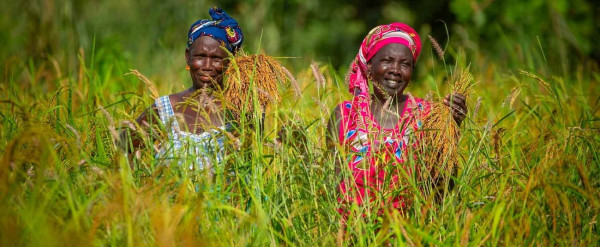
Excessive heat can also cause yield losses for field crops such as rice, especially during flowering, as the heat can hurt the pollen. But Luis Espino, UCCE rice farm advisor for Butte and Glenn counties, said the rice plant has not yet reached that vulnerable stage.
In the past, panicle blanking, or empty kernels on the rice panicle, was more common due to nighttime temperatures dropping below 55 degrees for consecutive days in mid-July, causing the flowers to not fertilize. But in recent years, high daytime heat tended to be the more likely culprit for blanking.
“It just desiccates the pollen,” Espino said. “The flowers open, and that pollen just it cooks.”
Source - https://www.westsideconnect.com