The Pennsylvania Game Commission took action to further address crop damage issues during its quarterly meeting on April 11.
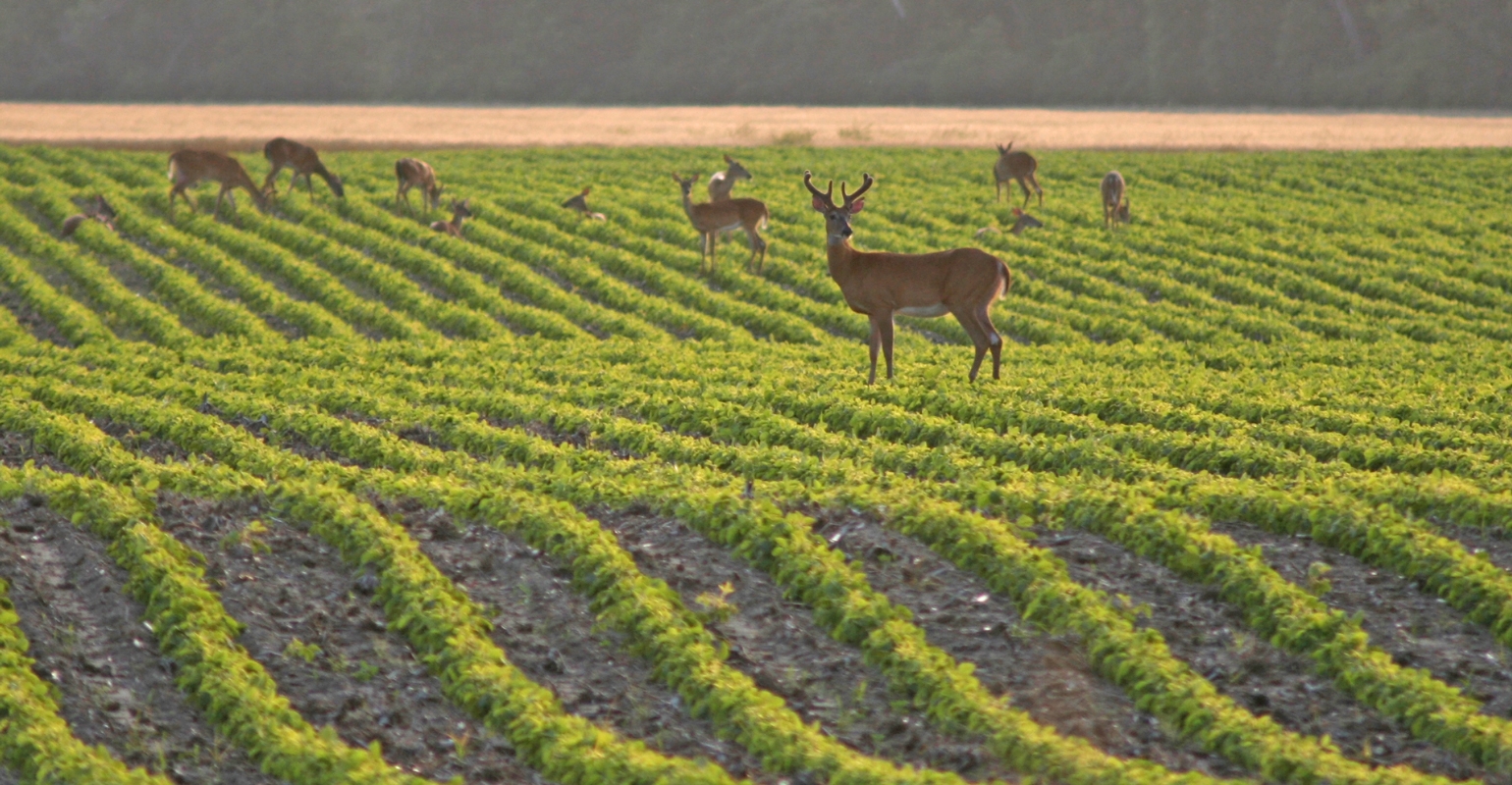
Several motions passed that extend special seasons for areas with a high deer population, allow additional firearms to be used during those seasons and expand a program that links farmers with certified hunters.
Among the changes are the inclusion of firearms to be used throughout the Ag Tag season, which runs from Aug. 1 to April 15 the following year.
Also known as the Agricultural Deer Control Program, Ag Tag enables landowners to enlist the aid of hunters in removing deer from agricultural lands. Only antlerless deer may be taken with Ag Tags.
Previously, during overlaps with other deer seasons, Ag Tag hunters were limited to using the sporting arms approved for those seasons. When only archery season was open, for instance, an Ag Tag hunter needed to use lawful archery gear.
With the change, Ag Tag hunters can use any device authorized for hunting deer in the regular firearms deer season. Landowners still maintain authority to restrict the use of any devices and methods on their own lands.
During the staff presentation portion of the two-day meeting, David Stainbrook, the agency’s deer biologist, updated the board on the current Ag Tag harvest.
Compared to the 2024-2025 season, the number of properties enrolled in the Ag Tag program increased this year to 2,797. Last season there were 1,157 properties enrolled.
The Ag Tag harvest has also gone up, even as the season is currently ongoing. This season, so far, the reported antlerless harvest for Ag Tag is 3,962, compared to 1,157 last season.
“A harvest of around 4,000 antlerless deer is about 1% of our total antlerless deer harvest statewide,” Stainbrook said. “Although these aren’t large numbers, they are important at the small scale that they’re used.”
The board also attempted to extend the Ag Tag season by moving the start date to July 1, but the motion was tabled to give staff more time to evaluate the proposal.
The board also moved ahead on plans to expand the agency’s Certified Hunter Program, which connects hunters and landowners as a means of addressing crop-damage concerns.
The Certified Hunter Program launched last year in the Southwest Region and is expected to expand statewide.
For hunters, the program provides an opportunity to access productive hunting grounds and harvest antlerless deer to help landowners meet deer-management goals on their properties. Participating landowners retain full control of their properties while connecting with hunters that have met the program’s qualifications, which include firearms proficiency.
The regulations adopted by the board establish eligibility for participants and other program parameters.
Certified hunters will need to have held a hunting license in at least four of the past five years and pass a specialized course before being accepted into the program. Annual background checks will be required, and any applicant convicted of recent Game and Wildlife Code violations or other crimes will be ineligible for a permit. Certified hunters also will be required to report their deer harvests electronically within 24 hours, unless out of service.
The Certified Hunter Program falls within the Agricultural Deer Control Program. Dr. Matthew Schnupp, director of the Game Commission’s Bureau of Wildlife Management, said expanding the Certified Hunter Program statewide could increase the effectiveness of the Ag Tag program. He added the pilot version of the Certified Hunter Program in the southwest has been successful.
“Getting involved with producers is key. We don’t know where Ag Tag is going to go with the roll out of the Certified Hunter Program,” Schnupp said.
Source - https://www.lancasterfarming.com