USA - Helene shuts poultry plants and twists cotton crops

01.10.2024 506 views

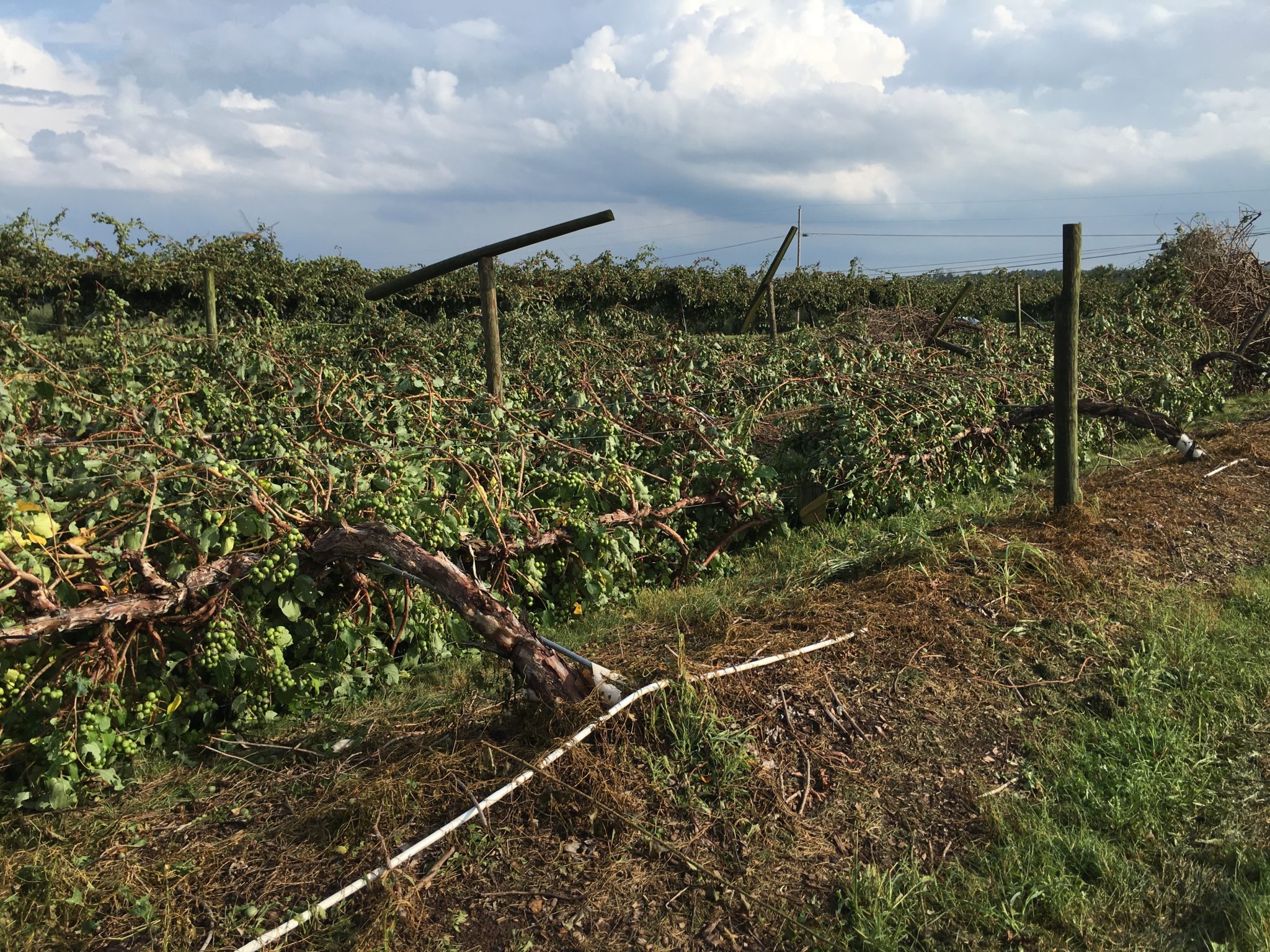
Hurricane Helene shut at least two poultry plants in Georgia and North Carolina and twisted cotton crops in South Carolina in blows to U.S. food and fiber production, company and agriculture officials said on Monday. More than 100 deaths across a half-dozen states have been attributed to the powerful storm that slammed into Florida's Big Bend region

Wayne-Sanderson Farms, the nation's third largest poultry producer, closed a Moultrie, Georgia, processing plant due to a loss of electrical power from downed transmission lines, company spokesman Frank Singleton said.

The complex processes 1.3 million chickens weekly and its timeline for resuming operations depends on Georgia Power crews restoring power, Singleton said. The company is providing fuel deliveries to local farms that also lost power, he said.

In South Carolina, many poultry operations are running on backup generators, said Eva Moore, spokesperson for the South Carolina Department of Agriculture. The state's cotton crops took a big hit, she added.

"Open bolls have been knocked around, and plants are twisted," Moore said. "This will make for a complicated harvest and may affect the grades of the cotton."

Concerns over potential crop damage in key growing areas boosted ICE cotton futures.

In North Carolina, Smithfield Foods, the world's largest pork processor, said transportation for its hog production operations was strained but the company did not suffer material disruptions.

A chicken plant near Morganton, North Carolina, is down, said Bob Ford, executive director of the North Carolina Poultry Federation. Still, the poultry industry was generally lucky because feed mills are operating and floods largely did not affect farms, he said.

Source - Reuters

27.08.2026

Crop Insurance Add-Ons Surge as U.S. Farmers Expand Subsidized Coverage Nationwide

U.S. farmers sharply expanded area add-on crop insurance in 2026 after federal subsidies rose to 80%, reshaping coverage and federal costs.

27.08.2026

China grain imports in focus as crop damage hits key producing regions

Extreme heat, heavy rain and flooding across key Chinese farming regions are putting global grain and cotton exporters on alert, as markets assess whether crop damage could increase China’s import needs.

27.08.2026

Philippines - Benguet crop loss worst in Cordillera

The strong monsoon rains that have been pouring in the Cordillera region for nearly three weeks now have cost vegetable-producing Benguet province up to P446.55 million in farm losses, according to data consolidated by the Regional Development Council on Wednesday.

27.08.2026

USA - Bear damage costs Benzie County farmer at least $40,000 across 1,100 acres of corn

Corn growers around northern Michigan are getting a really good look at how this year's crop is shaping up before harvest, but one of them in Benzie County is getting to see a lot more than that.

27.08.2026

India - Shivraj Singh Chouhan reviews summer moong procurement and crop insurance in Madhya Pradesh

Union Minister for Agriculture and Farmers Welfare Shivraj Singh Chouhan on Thursday conducted a virtual review meeting with the Agriculture and Horticulture Ministers of Madhya Pradesh at Krishi Bhawan, New Delhi.

27.08.2026

India - Demand to withdraw farmer ID mandate for crop procurement

The Andhra Pradesh Koulu Rythu Sangham (AP Tenant Farmers’ Association) has demanded that the State government immediately withdraw its decision to make Farmer ID (Unique Farmer Number) mandatory for selling crops at government procurement centres, stating that the move would severely affect tenant farmers. 

26.08.2026

Lithuania declares nationwide emergency after storm causes heavy damage

Lithuania’s government declared a nationwide “extreme situation” Wednesday following a severe weekend storm that caused extensive damage to crops, livestock and agricultural infrastructure.

26.08.2026

Cameroon Sets 2026 Planting Windows to Help Southern Farmers Reduce Crop Losses

Planting too early or too late can cost farmers part of their harvest. Cameroon’s National Observatory on Climate Change, or ONACC, has now set rainfall and planting windows for the second 2026 farming season across the country’s southern regions, giving producers a tool to reduce weather-related crop losses.