Agriculture sustains our very existence. Despite the misconception that large farms feed the world, it’s small-holding farmers who predominantly nourish us, while consistently outperforming their larger counterparts in yields and ecological sustainability.
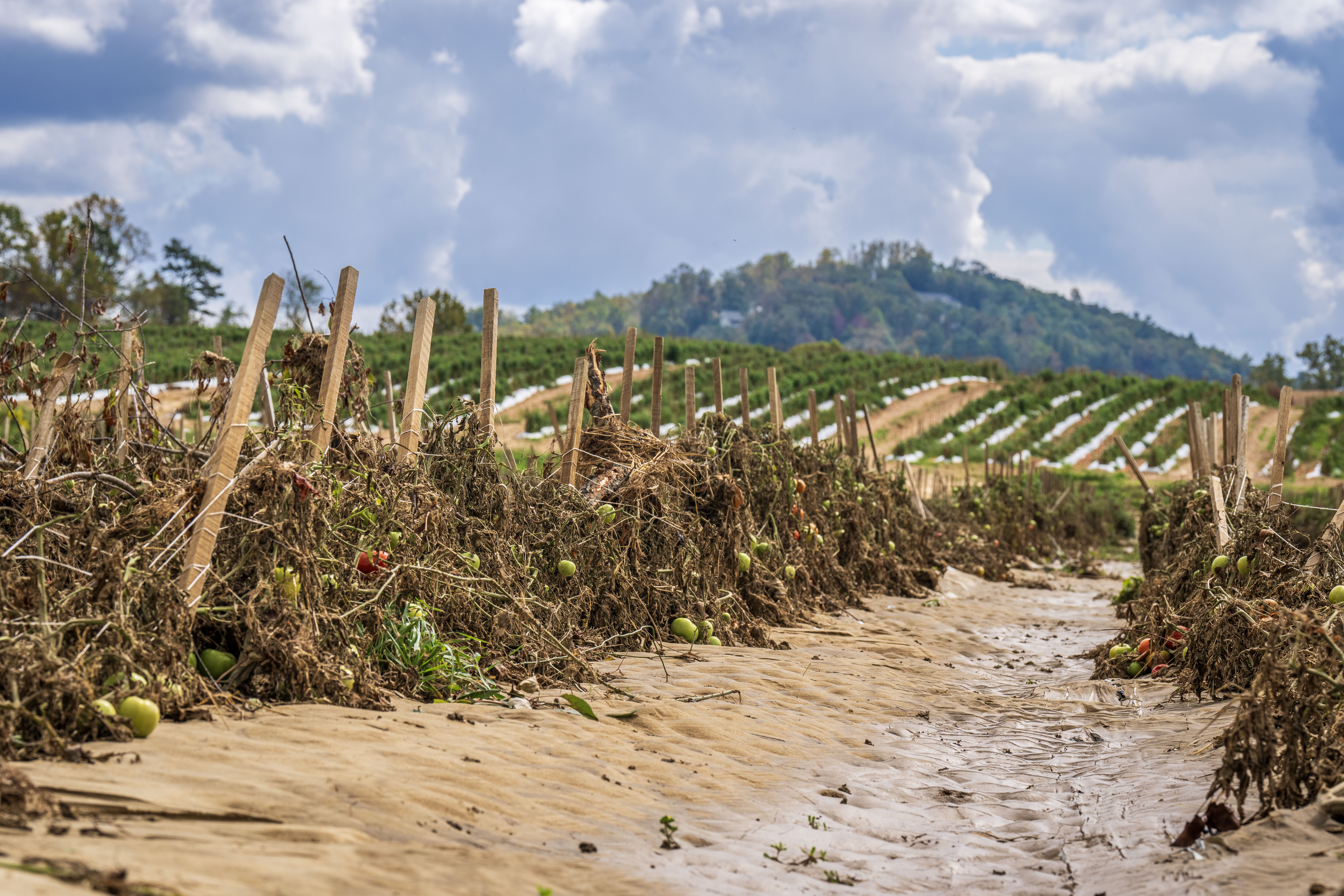
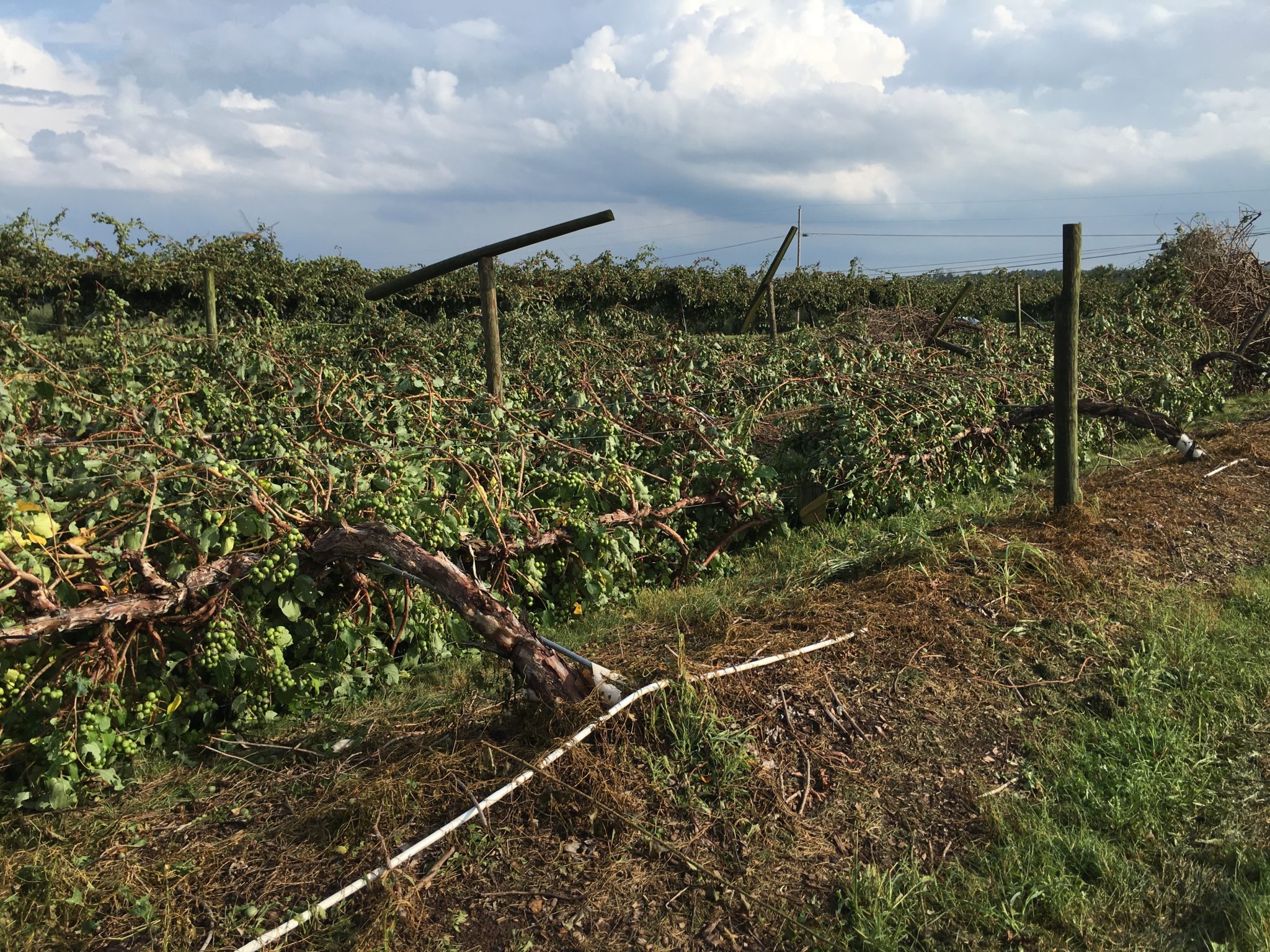
Yet, these vital stewards face the brunt of extreme weather and unchecked competition from corporate giants, endangering our food security. Meanwhile, the state’s approach to supporting the New Hampshire agricultural sectors is largely entrenched in a regulatory mindset missing critical opportunities to spur innovation, growth, and adaption to climate resiliency for our local farms.
The recently launched New Hampshire Crop Loss Program offers $8 million to farmers with over $30,000 in gross revenues who suffered over 30 percent crop losses last year.
However, about 80 percent of New Hampshire farms gross under $25,000 per year, rendering them ineligible and excluding the majority of farmers from assistance. Small farms and beginning farmers are especially marginalized, compounded by the recent discontinuation of the state’s organic certification program.
This approach echoes the relief programs deployed by the state during the COVID era. The Crop Relief program, funded by leftover American Recovery and Investment Act Funds (ARPA) is funded months behind other states’ aid programs. The state’s agricultural sector received far fewer ARPA funds than other New England states.
The flaw here is that many of the nearly 4,000 New Hampshire farms that filed Schedule F tax forms with the IRS (for agricultural revenue) are indeed working very hard at farming for a living. They are persevering in a corrupt industrialized system that is rigged against their success due to the unfair competitive edge of unchecked consolidation afforded to corporations. The stringent eligibility rules lay bare the outdated values and attitudes driving agricultural policy and programs in New Hampshire.
The Northeast Organic Farming Association of New Hampshire supports and values the critical role that small-scale operations play in ensuring the vibrancy of rural landscapes and the availability of fresh, nutritious food for local communities. Exclusionary eligibility criteria for relief programs hinder the resilience of these farms against climate change.
Small farms are essential for local food production and climate resilience goals, requiring support and incentives to thrive. In the case of organic farming, these farms represent a vital bulwark against the proliferation of toxic chemicals known to cause a variety of diseases, while also serving as stewards of biodiversity and soil health – key factors in promoting climate resilience.
While other states empower food producers with robust public programs, New Hampshire’s anemic support for agriculture stunts the viability of our farms.
New Hampshire’s elected leaders and state officials must shift from a regulatory mindset to actively championing agricultural development programs fostering growth and climate resilience. Public support for community-owned infrastructure investments and expanding climate resilience grant programs are crucial catalysts for the economic growth of our agricultural sector.
Before dismissing public funding for agriculture, it’s worth noting that, as author Maria Mazzucato points out, “Every major technological change in recent years traces most of its funding back to the government.” This includes innovations such as Google’s search engine, smartphone components, and Tesla’s battery components, all of which were spurred by government investment.
Neighboring states’ leadership has recognized agriculture’s economic and environmental impact, including Vermont’s Department of Agriculture suite of grant offerings and Maine’s “Real Maine” promotion program. Farther afield, Pennsylvania has prioritized the growth of organic agriculture due to its role in mitigating climate resilience, while Colorado’s pioneering “STAR” program raises the sustainability bar for the state’s agricultural programs.
As the Granite State’s food systems planning process progresses, the time is now for bold investments that cultivate a diverse and thriving agricultural sector resilient to climate change. Expanding climate resilience grant programs such as the NOFA NH Organic Transition Fund or the New Hampshire Association of Conservation Districts Climate Resilience grants would be a start.
The state Department of Agriculture needs additional resources and voices to effectively support the growth and innovation of the sector and effectively administer programs. More than ever, New Hampshire officials should be pursuing authentic, meaningful, and inclusive stakeholder engagement, including collaboration with the organic and small-holding and underserved farming community, as well as the largest conventional farms.
As severe weather rocks the nation’s food supply, the path forward for the Granite State is blazingly clear: either invest in cultivating a robust, sustainable agricultural economy – or be left behind.
It’s time for bold investments that cultivate a diverse and thriving agricultural sector resilient to climate change.
Source - https://newhampshirebulletin.com