USA - Northern California study aims to protect livestock from mountain lions

19.01.2025 399 views

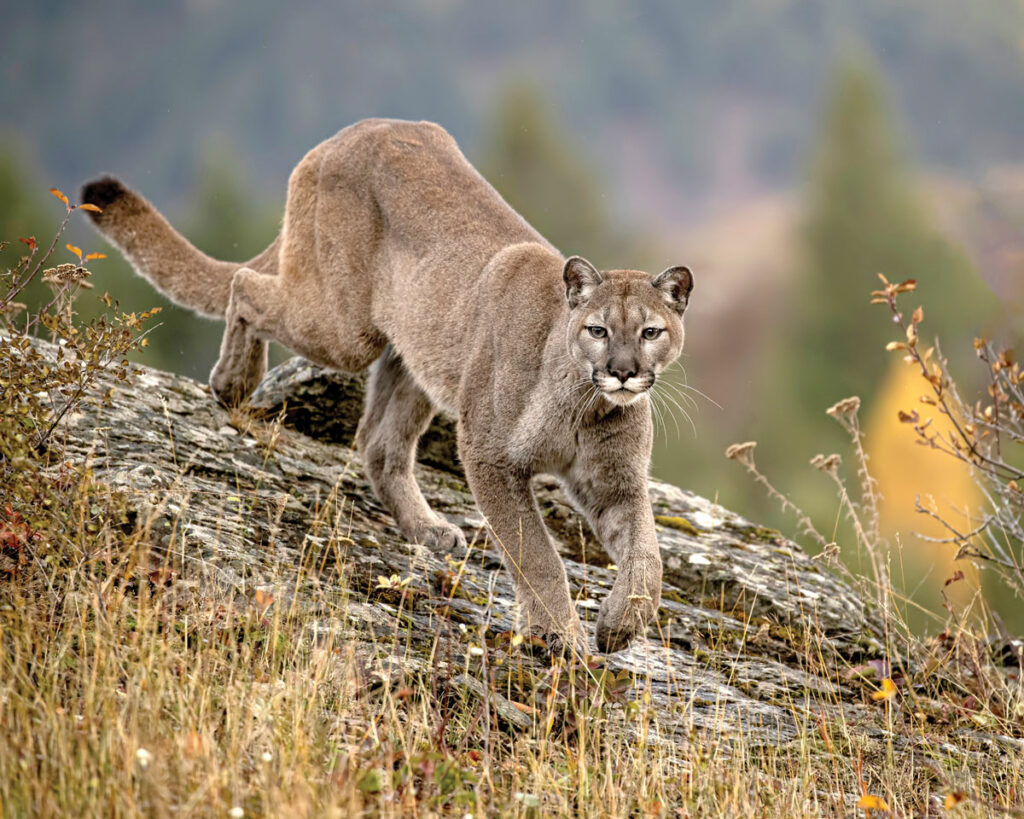
Mountain lion concerns continue in Placer County, forcing one man to sell off his herd following a recent attack on his sheep. But a new study aims to give ranchers like him some hope. 

The pasture next to Ryan Krauss's home in Loomis, once filled with sheep, is now empty after a series of coyote attacks and, most recently, the loss of one of his sheep, killed by a mountain lion. 

"You know, you don't forget that when you see it, and for us, our sheep are our livelihood," Krauss said. 

Dr. Julie Young, an associate professor at Utah State University, is leading a study looking into non-lethal ways to keep livestock safe. 

"Our aim is to help livestock owners," Dr. Young said. 

The study focuses on six counties in Northern California with the highest number of permit requests to kill cougars. Those counties include El Dorado, Calaveras, Amador, Nevada, Placer, and Sierra. 

"This is such a hotspot that we really want to get in there and help solve this problem," Dr. Young said. 

Their goal is to work with up to 90 ranchers and livestock owners, implementing one of four different hazing techniques including turbo fladry, which are colorful flags that have been shown to keep predators away with hotwire fencing; opaque fencing to keep livestock hidden; flashing lights and sounds triggered by motion sensors; and hounds to haze the cats if they've already killed an animal. 

All of these techniques have been successful against bears and wolves but have never been studied against mountain lions. 

"We hope that they change their behavior where they will no longer kill livestock but go away and eat wild things like what they should be eating," Dr. Young said. 

Researchers will use cameras to track which techniques are working and which aren't. 


Source - https://www.cbsnews.com

01.10.2026

India - Kitchen budget in Mumbai takes a hit as veggie prices rise amid crop loss, low supply

Vegetable prices in Mumbai have risen sharply after Ganeshotsav and with the onset of Pitrupaksha, as erratic monsoon conditions, crop damage and lower arrivals tightened supplies, said traders. 

01.10.2026

Togo Plans Pilot Agricultural Insurance Scheme for Young Farmers and Entrepreneurs

Togo’s PAJEC entrepreneurship program plans to launch a pilot agricultural insurance scheme. The government has issued a call for expressions of interest to select a provider to design and roll out the scheme.

01.10.2026

India - Soybean prices recover as crop damage offsets pressure from rising arrivals

Indias soybean prices recovered sharply w-o-w on 30 September 2026 despite a rapid increase in new-crop arrivals, as concerns over crop damage and lower production estimates have offset pressure from increased supplies. 

01.10.2026

USA - Fruit growers face Nov. 20 crop insurance deadline

Northeast fruit growers have until Nov. 20 to purchase or update crop insurance for the 2027 crop year, according to Crop Growers, a crop insurance provider owned by Farm Credit East.

01.10.2026

IFPA releases statement on largest Cyclospora outbreak in U.S. history

The International Fresh Produce Association (IFPA) has called for greater collaboration between industry and public health authorities as the United States experiences what it describes as the largest Cyclospora outbreak on record.

01.10.2026

Ukraine introduces new rules for GM crops and produce

Ukraine's new law regulating genetically modified organisms (GMOs) and GMO products comes into force on September 16, introducing clearer requirements for the registration, cultivation, traceability, and labelling of GM crops.

30.09.2026

Spain - Fruit supplier targets 30-45% growth with year-round supply strategy

Senda Fruits is heading into another edition of Fruit Attraction with a clear objective: to expand its market presence and aim to meet the needs of its customers all year round. 

30.09.2026

Corn Stocks Shock U.S. Market as USDA Finds 2.1 Billion Bushels in Storage

USDA found 2.095 billion bushels of old-crop corn in storage, far above trade expectations and adding new pressure to U.S. grain markets.