USA - UF develops AI tool for crop damage detection

10.07.2025 381 views

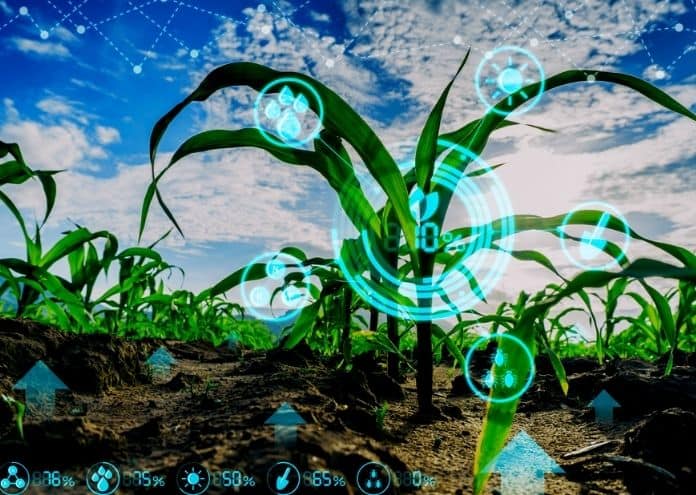
University of Florida's Institute of Food and Agricultural Sciences is spearheading a project under AI scientist Nikolaos Tziolas to enhance agricultural insights using a conversational AI platform. Supported by a $297,000 grant from the U.S. Department of Agriculture National Institute of Food and Agriculture, this venture integrates satellite imagery with an accessible, chat-based interface.

The web platform, aimed for smartphone and computer use, provides non-expert users such as farmers and Extension agents with intuitive access to satellite data, assisting in identifying flooded areas and evaluating crop health variations pre- and post-storm events. According to Tziolas, the system is akin to ChatGPT for agriculture, where users can engage with an "AI assistant" familiar with farm management concerns.

Through this AI interface, users can pose questions like, "How much of my farm is flooded?" or "How did my crops do, compared to last year?" receiving tailored responses with maps and quantitative data. This functionality offers a marked shift from traditional post-storm assessments that require physical inspections or costly drone usage.

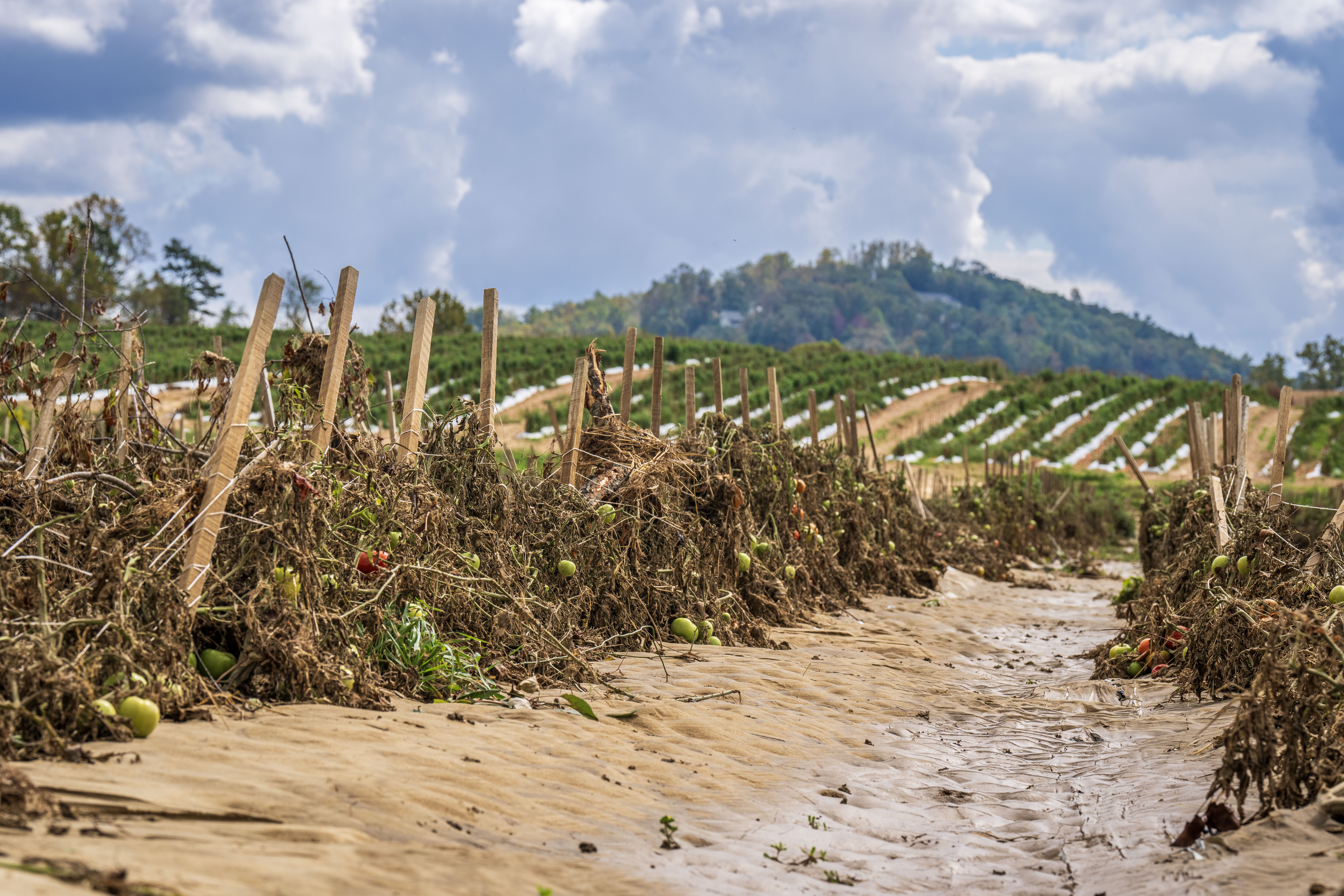
Extreme weather events like hurricanes significantly impact agricultural systems, exemplified by last year's Hurricane Milton in Florida, which caused damages ranging from $190.4 million to $642.7 million. Tziolas notes that the existing damage evaluation methods are often inefficient, costly, and slow, presenting a challenge during time-sensitive scenarios.

The project aims to circumvent these limitations by leveraging AI to enable efficient crop damage assessment and recovery monitoring. By offering actionable intelligence, the platform aspires to assist users in optimizing operations, minimizing costs, and enhancing resilience to future weather challenges. Tziolas emphasizes, "Traditional methods for assessing such damage are often slow, complex, and expensive, limiting their effectiveness in time-sensitive disaster response efforts."


Source - https://www.freshplaza.com

30.09.2026

Spain - Fruit supplier targets 30-45% growth with year-round supply strategy

Senda Fruits is heading into another edition of Fruit Attraction with a clear objective: to expand its market presence and aim to meet the needs of its customers all year round. 

30.09.2026

Corn Stocks Shock U.S. Market as USDA Finds 2.1 Billion Bushels in Storage

USDA found 2.095 billion bushels of old-crop corn in storage, far above trade expectations and adding new pressure to U.S. grain markets.

30.09.2026

Namibia - Small-stock insurance could cost N$45m per region

The government is considering insurance options for livestock and crop farmers, but the Ministry of Agriculture, Fisheries, Water and Land Reform says the cost of providing cover across the country could be high.

30.09.2026

USA - Farm Aid Faces a Critical Delay as Growers Confront Rising Costs and Mounting Debt

Congress is weighing another $11.1 billion in farm aid, but payments may slip into 2027 as producers face rising debt, diesel costs and tighter margins.

30.09.2026

Nigerian tomato processor secures US$2.5 million AgriFI investment

EDFI Management Company (EDFI MC), through the European Union-funded Agriculture Financing Initiative (AgriFI), has signed a USD 2.5 million convertible-note investment in Tomato Jos Inc., a vertically integrated tomato farming and processing business in northern Nigeria.

30.09.2026

Gene-edited non-browning bananas move closer to UK market

Gene-edited bananas designed to resist browning after peeling and slicing have moved closer to commercialisation in the UK after receiving precision-bred status in England.

29.09.2026

USA - 2,000 new reefers added alongside new transport routes

Great White Fleet Corporation (GWF), an ocean carrier specializing in temperature-controlled logistics, has announced a commercial expansion across its Pan-American and European trade networks. 

29.09.2026

UK - Rain delays grain harvest in northern Scotland and raises crop loss risks

Persistent September rains have significantly disrupted grain harvesting in northern Scotland. The most difficult situation is in Orkney and Caithness, where large areas of crops remain unharvested.