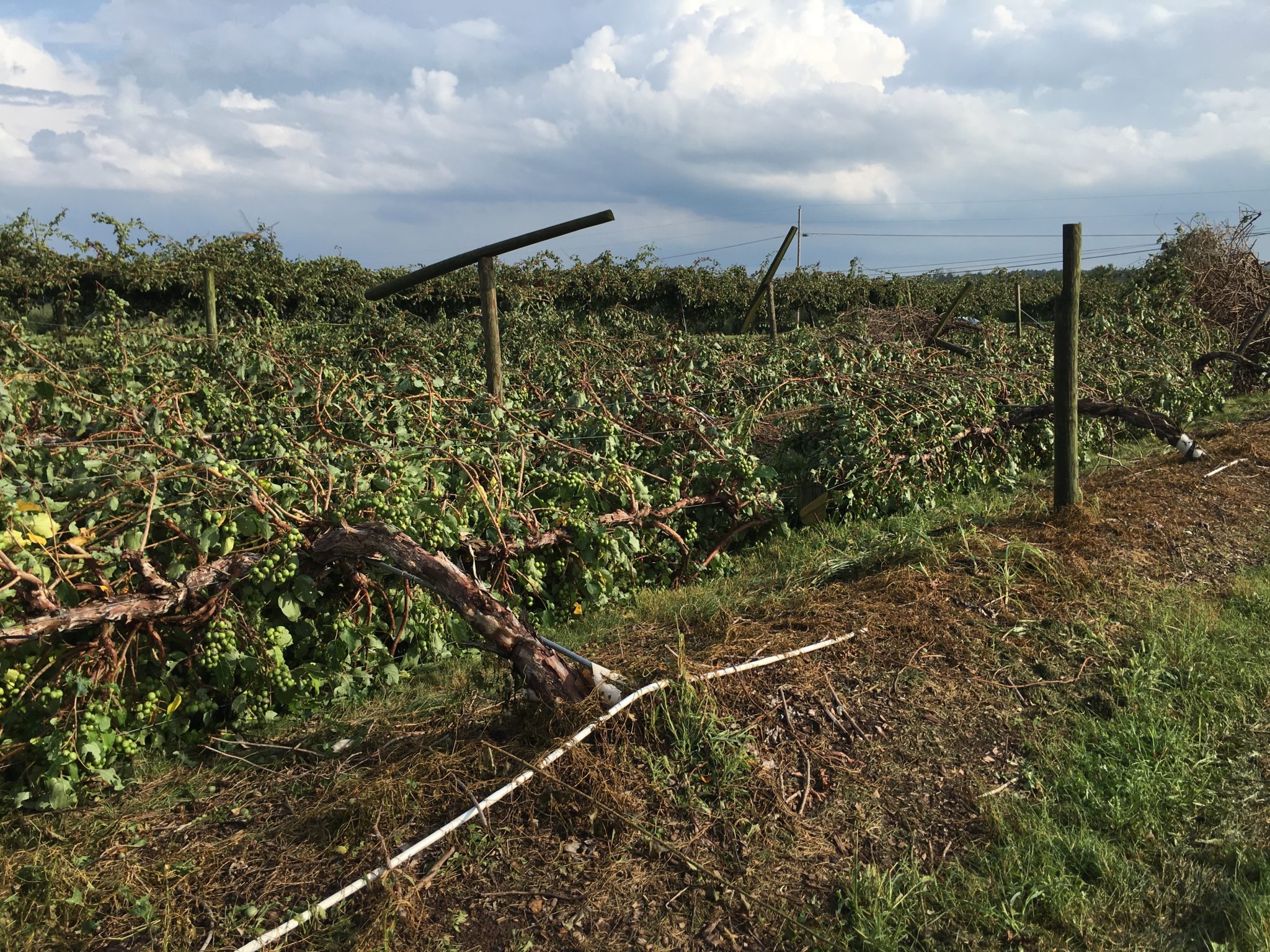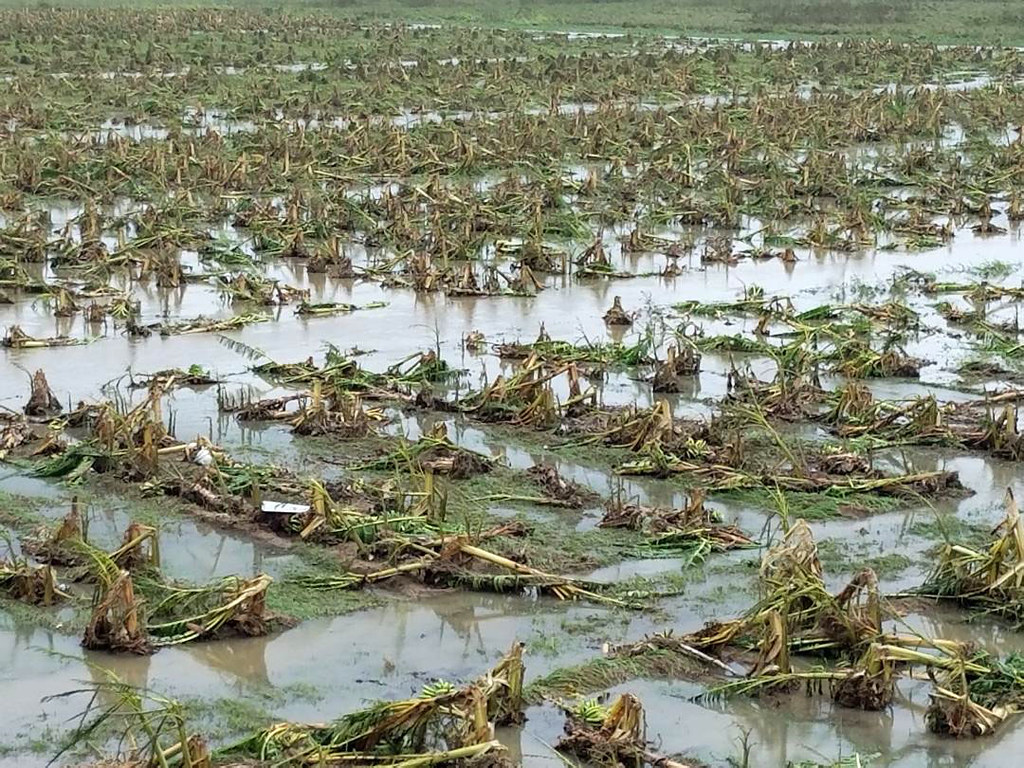
In the aftermath of Hurricane Helene, which devastated communities, homes, farms and businesses across parts of the Southeast, the U.S. Department of Agriculture (USDA) has deployed staff to assist with response and recovery efforts. USDA is also putting in place contingency plans and program flexibilities to ensure farmers, and foresters and communities are able to get the support they need. USDA is sharing information today to help impacted people learn about resources that may be available to them.
On Thursday, Agriculture Secretary Tom Vilsack and Farm Service Agency Administrator Zach Ducheneaux traveled to Florida and Georgia with President Biden to assess damage and meet with farmers and residents in the wake of the storm. In remarks, Secretary Vilsack highlighted that USDA is taking measures like extending program signup opportunities and using waivers and emergency procedures to expedite recovery efforts on America's working lands. The department has also deployed 190 staff, including many from the U.S. Forest Service, to assist with response efforts, to include the removal of debris from roads.
Leaders with USDA's Farm Service Agency (FSA), Natural Resources Conservation Service (NRCS), and Risk Management Agency (RMA) will hold a virtual briefing on Monday, Oct. 7 at 11 a.m. EDT for agricultural producers and stakeholders to share information on disaster assistance programs for agricultural operations. Visit farmers.gov/hurricane for details on how to join.
Through the Farm and Ranch Stress Assistance Network, USDA also partners with several organizations to offer mental health resources. Anyone in need of extra support in light of stressful circumstances is encouraged to contact the Southern Ag Exchange Network Farmer Support Hotline at 888-381-7243, which is available 24/7.
Expediting Crop Insurance Payments
USDA estimates there are more than 38,000 crop insurance policies, covering more than 4.8 million acres, in place in the affected areas. USDA has instructed crop insurance companies to expedite loss adjustments that are necessary to make payments, and we expect payments to be made within 30 days. If you have Federal crop insurance, contact your crop insurance agent as soon as crop or livestock losses are apparent.
Documenting and Reporting Losses
USDA reminds producers to document damages and losses, including gathering farm records, herd inventory, receipts and pictures of damages or losses. USDA advises livestock producers to document livestock numbers by taking time and date-stamped video or pictures of injury or loss, to the extent possible. USDA asks producers to report crop, livestock and farm infrastructure losses to FSA at your local USDA Service Center. Producers can call the FSA Hotline for assistance if their local Service Center is currently closed.
Flexibilities for Disaster Assistance Programs
In addition to RMA's Federal crop insurance flexibilities, FSA has added flexibilities to several programs. A full list of FSA disaster assistance programs is available on the Hurricane webpage on farmers.gov.
To help expedite assistance through the Emergency Conservation Program (ECP) and Emergency Forest Restoration Program (EFRP), FSA has taken the following measures:
Extended ECP and EFRP signup that begins Oct. 15, 2024, and runs through June 1, 2025, in states affected by Hurricane Helene.
Executed Emergency Response (ER-850) authorization of emergency National Environmental Policy Act (NEPA) circumstances to expedite FSA approval of practices involving surface debris removal, fence restoration and non-ground disturbing activities.
Waiver of onsite inspection requirement for non-engineering practices for ECP and EFRP.
Waiver of requirement for producers to obtain prior approval to conduct surface debris removal, fence repair and hazard tree removal to support critical disaster recovery efforts. Producers should contact FSA for any questions on allowable activities.
Additionally, the Livestock Indemnity Program (LIP) provides benefits to livestock owners and contract growers for livestock deaths in excess of normal mortality caused by eligible loss conditions including eligible adverse weather. FSA has issued guidance to FSA County Committees and local staff to exercise maximum flexibility in determining acceptable loss documentation and to ensure LIP applications are acted on timely.
Through the Emergency Assistance for Livestock, Honeybees, and Farm-Raised Fish Program (ELAP), FSA provides assistance to owners of livestock, and producers of honeybees and farm-raised fish for feed and death losses due to an eligible natural disaster event. FSA is providing assistance to help cover above normal costs to transport livestock to feed and/or transport feed/forage to livestock in hurricane-impacted states, and assistance to help cover above normal costs to haul water to livestock in hurricane-impacted states.
The Tree Assistance Program (TAP) provides financial cost-share assistance to qualifying orchardists and nursery tree growers to replant or, where applicable, rehabilitate eligible trees, bushes and vines lost by natural disasters. FSA has extended assistance to trees, bushes and vines that have not died but are no longer capable of production (not economically viable). This assistance program complements the Noninsured Crop Disaster Assistance Program (NAP) or federal crop insurance coverage, which covers the crop but not the plants or trees in all cases.
Under NAP, FSA has waived the 72-hour notification requirement on hand-harvested crops, extended deadline to file a Notice of Loss, and provided flexibility for FSA staff to perform loss adjustment activities and/or waive field inspections in cases where the cause of loss can be verified through other means.
For producers with Marketing Assistance Loans (MAL), FSA is providing additional time for producers to deliver commodities to a buyer to repay MALs with sale proceeds and postponing MAL foreclosure letters applicable to losses or damages due to hurricanes for up to 90 calendar days.
USDA's Natural Resources Conservation Service (NRCS) also offers recovery options for producers through the Environmental Quality Incentives Program (EQIP) and for communities through the Emergency Watershed Protection Program (EWP). Learn more on the NRCS Disaster Recovery webpage.
Nutrition Assistance
USDA's Food and Nutrition Service, at states' request, has already issued flexibilities and waivers for its many nutrition programs in Florida, Georgia, Kentucky, Ohio, North Carolina, South Carolina, Tennessee, Virginia, and West Virginia, in order to help emergency meal providers reach more people quickly. USDA is ready to issue additional flexibilities upon request. More information on those recovery and assistance efforts can be found on the FNS Disaster Assistance webpage.
Source - https://www.hortidaily.com