Natural disasters are an inevitable part of our planet’s ecosystem, but the extent of their impact often hinges on the preparedness and response capabilities of local governance structures.
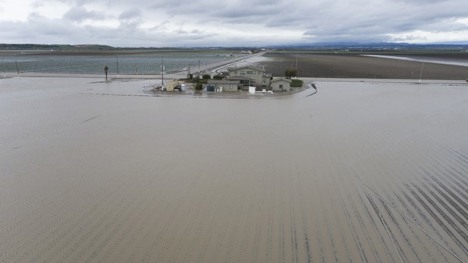
Agago district serves as a stark example of how poor governance exacerbates the effects of natural disasters, particularly in the face of increasing heavy rainfall that endangers agricultural viability and critical infrastructure. The recent incidents of flooding, culminating in the blockage of roads leading to essential services like hospitals and schools, expose the district's vulnerabilities and highlight the urgent need for improved governance to protect the populace.
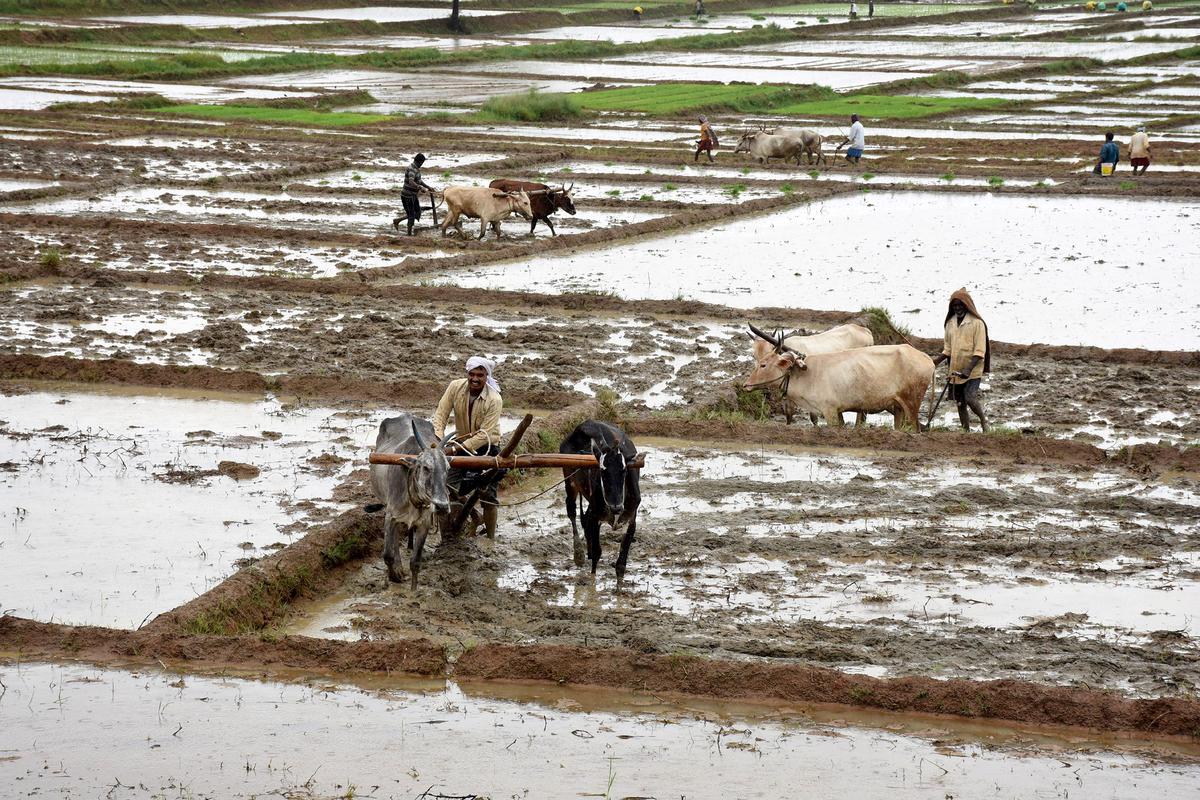
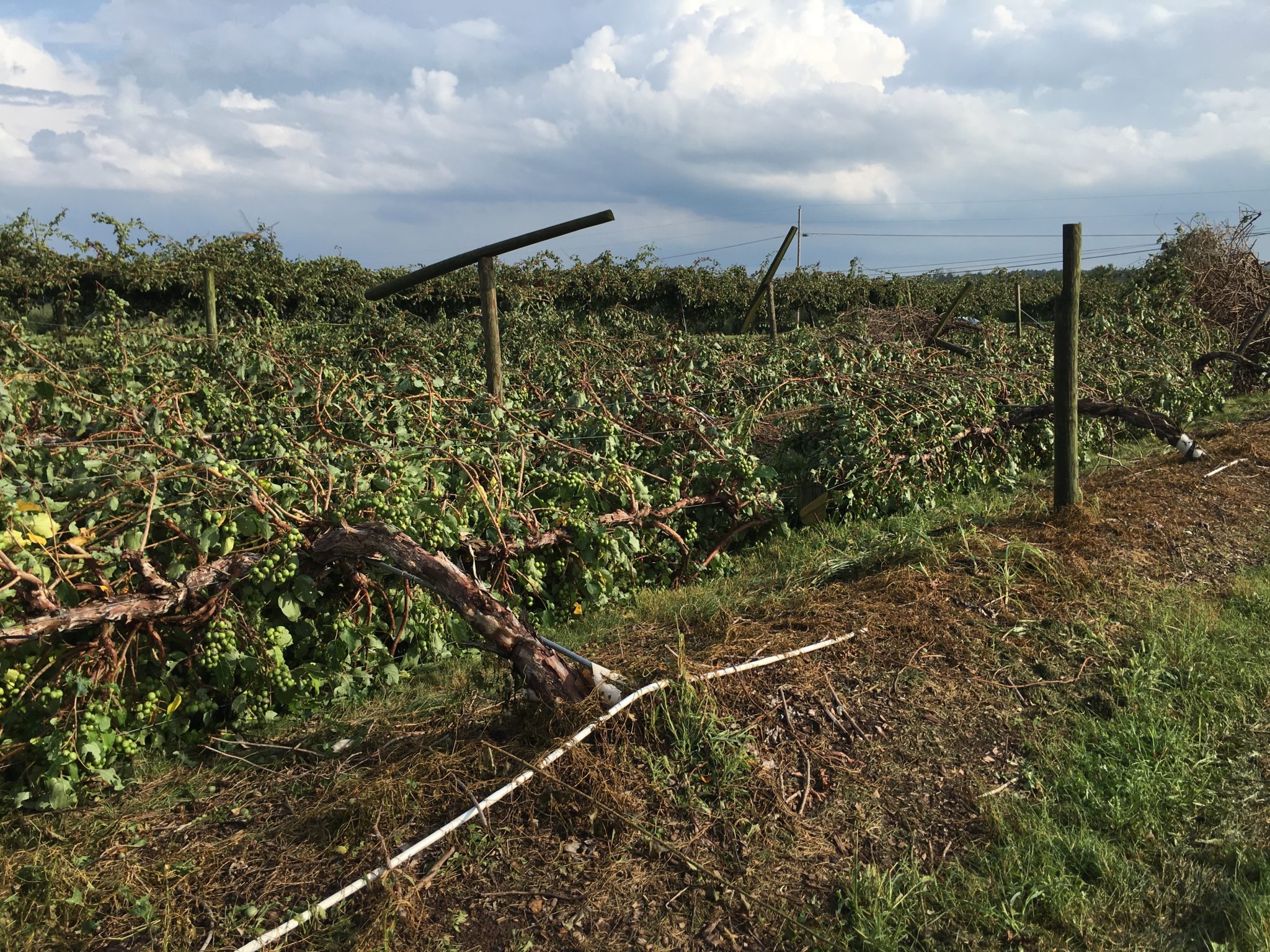
The consequences of natural disasters in Agago district highlight a multifaceted issue. First and foremost, the agricultural sector, which forms the backbone of the local economy, is severely compromised by extreme weather events. High-intensity rainfall leads to crop damage and soil erosion, which disrupt food supply chains and diminish farmers’ livelihoods.
In a region where many residents rely entirely on subsistence farming, such events can trigger a cycle of poverty and nutritional insecurity. The lack of effective governance—seen in the absence of proactive measures to bolster agricultural resilience—significantly heightens the risk faced by these communities.
Additionally, the state of road infrastructure in Agago has become increasingly precarious due to persistent rainfall. Recent heavy downpours have resulted in the cutting off of crucial routes, including those that provide access to healthcare facilities. This dire situation is further complicated by an inadequate emergency response from both the government and local leadership. When roads become impassable, the most affected are often those who require immediate medical attention, leading to preventable loss of life. Thus, the central question arises: why hasn’t proactive governance led to sufficient disaster preparedness and response mechanisms?
The argument for improved governance grows stronger when considering the lack of investment in infrastructural development despite the district being an NRM stronghold for years. This dichotomy reveals a troubling disconnect between the political commitment to public welfare and the on-the-ground realities faced by residents during subsequent crises.
The absence of proper infrastructure has left the people of Agago at the mercy of nature’s unpredictability, as there seems to be a glaring oversight in prioritizing community needs over political gains. Moreover, the explosion of civil society organizations and grassroots movements such as Rise Up Acholi (RUA), emphasizes the increasing role of citizen engagement in governance.
Local populations deserve a voice in the decision-making processes that affect their lives, particularly concerning disaster management and infrastructural investments. Enhancing community participation in governance can lead to more effective solutions tailored to the unique challenges faced by Agago. It is pertinent for the local leaders to advocate for their constituencies by demanding that resources are allocated effectively and that there is accountability in addressing the consequences of natural disasters in the district.
Source - https://observer.ug