Despite government initiatives to pilot agricultural insurance over a decade ago, the majority of farmers remain uninsured. With huge lost in the wake of Typhoon Yagi, the need for agricultural insurance as a safety net for farmers has never been clearer.

The aquaculture cage farming area in Quang Ninh was devastated by the storm. Photo: Pham Cong
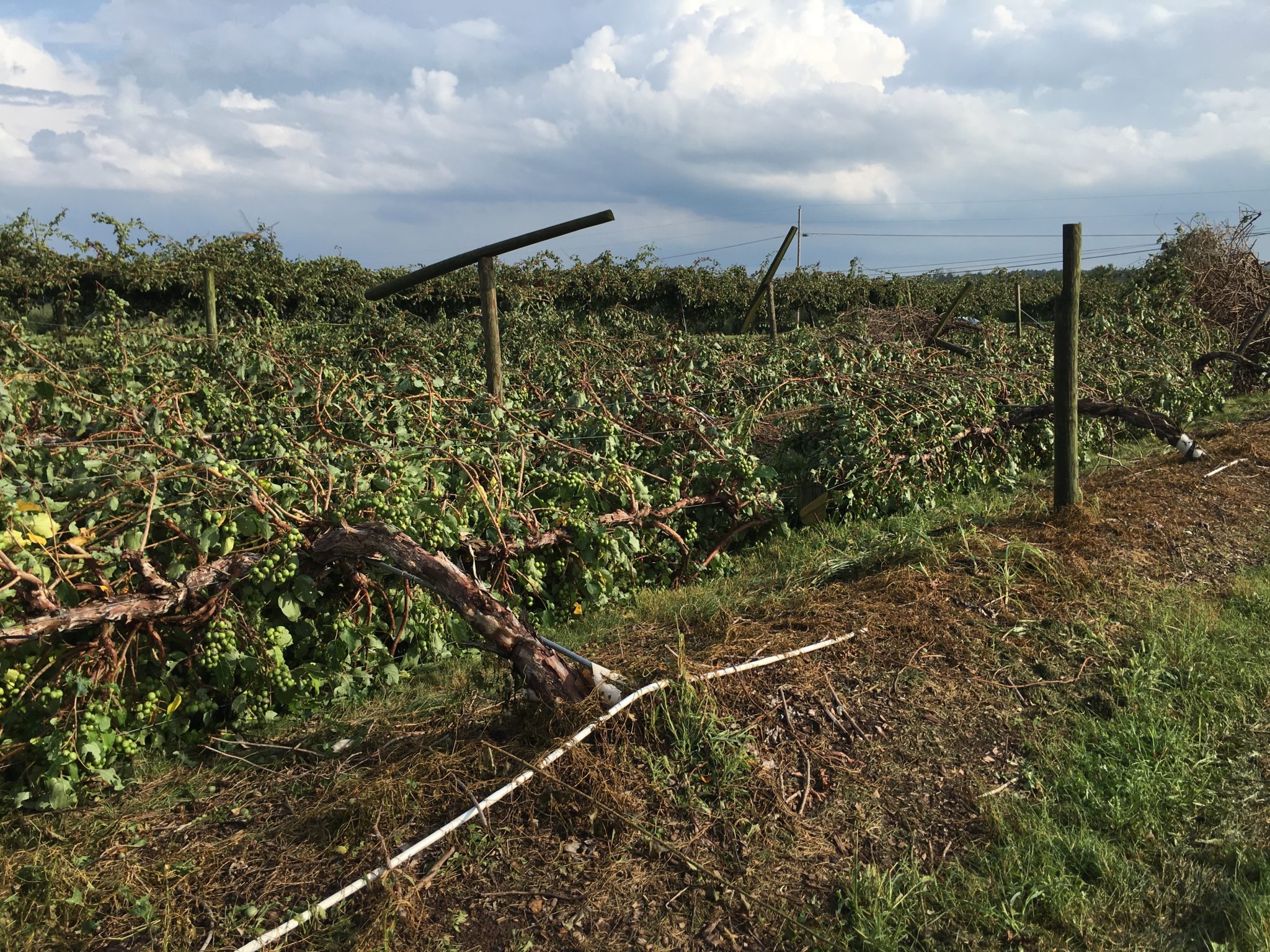
Agriculture took a massive hit from Typhoon Yagi (Storm No. 3), leaving thousands of farmers across northern provinces, from Quang Ninh to Nghe An, facing devastating losses.
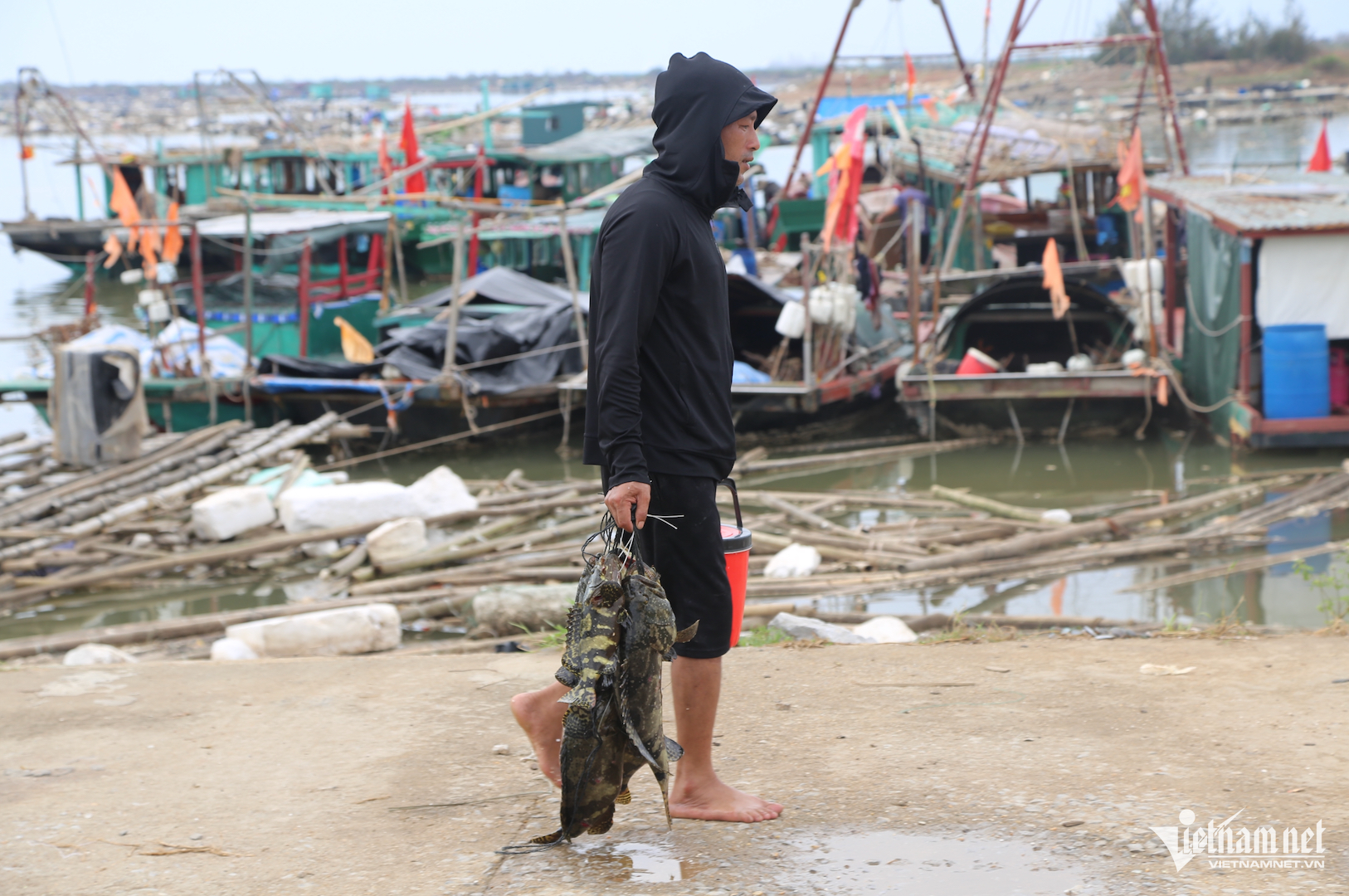
Reports from these provinces show that approximately 23,595 hectares of aquaculture farms were damaged, with 4,592 fish cages destroyed. The estimated initial damage to aquaculture alone reached more than 2,500 billion VND.
Cao Tuong Huy, Chairman of Quang Ninh People's Committee, revealed that economic losses in the province amounted to 24.2 trillion VND, leaving many residents and businesses bankrupt.
Particularly affected were those in the agriculture, forestry, and fisheries sectors, with aquaculture cages washed away and crops completely destroyed. Many borrowers in these industries now face the inability to repay their loans.
By the end of September 18, reports from the Ministry of Agriculture and Rural Development (MARD) indicated that Typhoon No. 3 and its aftermath led to the deaths of 22,808 livestock and more than 3 million poultry.
The five hardest-hit provinces were Hai Phong, Quang Ninh, Yen Bai, Hanoi, and Thai Nguyen.
The lack of agricultural insurance amid disasters
In Hai Phong, Nguyen Thi Dung, Director of the State Bank of Vietnam's Hai Phong branch, shared that 13,181 customers were impacted, with total outstanding loans amounting to 27.1 trillion VND, accounting for 11.5% of the city's total debt. Of this, 12,200 customers in the agriculture and fisheries sectors held 1.56 trillion VND in loans.
Lao Cai province faced similar struggles, with Director Do Quang Huy of the State Bank's Lao Cai branch reporting that 6,160 hectares of rice, corn, fruit trees, medicinal plants, and aquaculture were damaged.
This included 45,000 banana trees, 400,000 cinnamon trees, and 353 hectares of aquaculture. Additionally, 3,050 tons of commercial fish and over 43,000 livestock were lost.
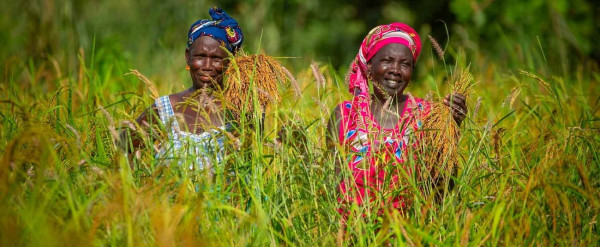
With such significant damage to the agriculture sector, the issue of agricultural insurance has resurfaced. For more than 10 years, the government has been promoting agricultural insurance, yet farmers still find themselves vulnerable after every natural disaster, often unfamiliar with the concept of insurance.
Nguyen Van Dat, a farmer from Hai Duong, has worked in agriculture for over 10 years. He invested heavily in 2 hectares of vegetables and 4 hectares of fruit trees in Chi Linh and Kinh Mon districts, but his entire investment was wiped out, totaling losses of about 600 million VND.
"I never thought something like this could happen," he said sadly. Dat admitted he had never considered agricultural insurance, nor had he heard much about it.
Despite the government’s encouragement, few insurance companies offer agricultural insurance products. According to Ngo Trung Dung, Vice President and General Secretary of the Insurance Association, the government has tasked 4-5 insurance companies with providing these products, including Agribank Insurance (ABIC), Bao Viet Insurance, and Bao Minh Insurance.
Even ABIC, with 95% of its customer base made up of farmers, only expects to pay out 150 billion VND in compensation after Typhoon No. 3. This small figure reflects the low level of participation in agricultural insurance.
"The government encourages agricultural insurance because it directly affects farmers' investments in crops and livestock. However, most farmers don’t think about insurance until disaster strikes, when it's already too late," said Dung.
Why is agricultural insurance overlooked?
Professor Dr. Nguyen Van Dinh, former Head of the Insurance Department at the National Economics University, explained that many farmers work on a small scale, making agricultural insurance less attractive to them.
For large-scale operations, such as fish farming, where investments can reach billions of VND, a natural disaster or disease outbreak can leave farmers with nothing.
In 2013, the government introduced Decree 100, piloting agricultural insurance in 21 provinces. The insurance covered rice, livestock, poultry, and aquaculture. However, the program did not achieve the desired results, and neither businesses nor farmers have shown much interest in agricultural insurance since.
Dinh identified four main reasons for this: limited public awareness, lack of interest from insurance companies due to low premiums, challenges in risk management, and the small scale of agricultural production.
Additionally, the high level of moral hazard in agricultural insurance makes it difficult to implement effectively.
Dung agreed, pointing out that it is difficult for companies to manage risks. For example, insurers cannot accurately measure the number of fish or shrimp in a pond, relying on whatever the customer reports.
In a similar situation, Dung recalled a story about fishing boat insurance. Some fishermen would swap out expensive parts of their boats and deliberately sink them, then claim insurance payouts. With no one to supervise out at sea, this kind of fraud is hard to detect.
Professor Dinh emphasized that insurance provides peace of mind, likening it to a handrail on a staircase: "Climbing stairs with a handrail is always safer."
He cited the example of health insurance, where people pay small premiums yearly, but only realize its importance when they need expensive medical treatment.
Source - vietnamnet.vn