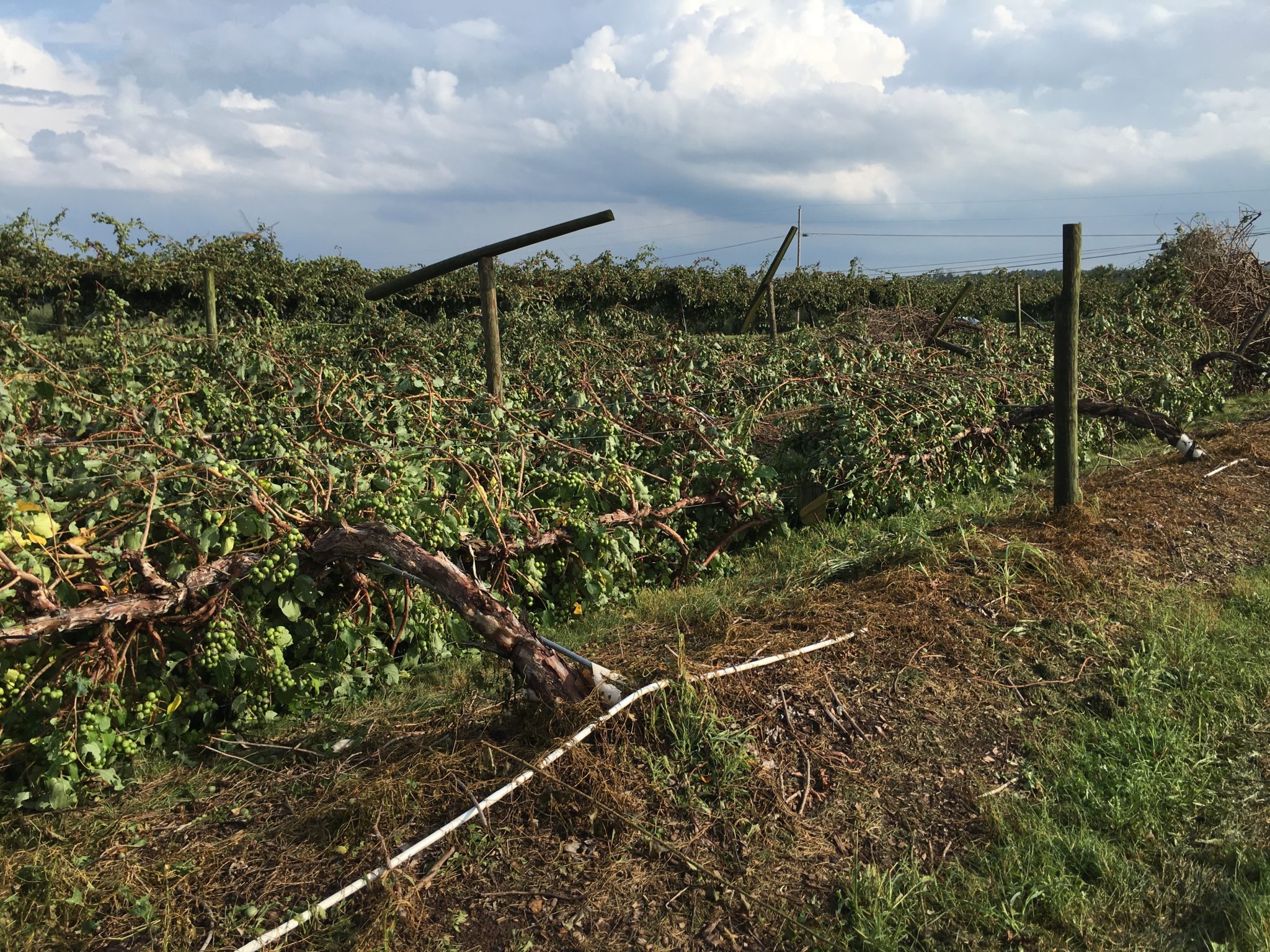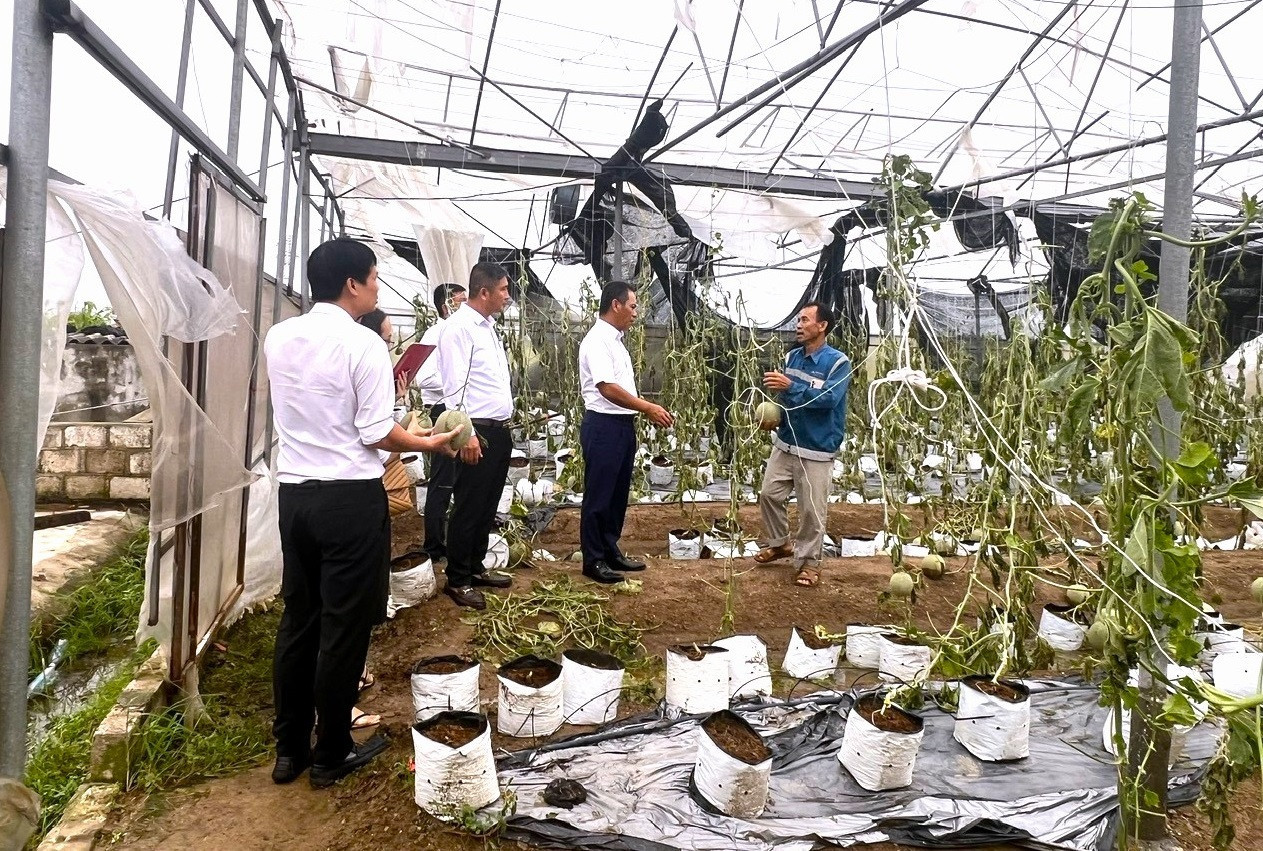
Typhoon Yagi caused significant economic damage in Vietnam, particularly to agricultural production. In light of the increasing risks posed by natural disasters, how has agricultural insurance developed in recent times?
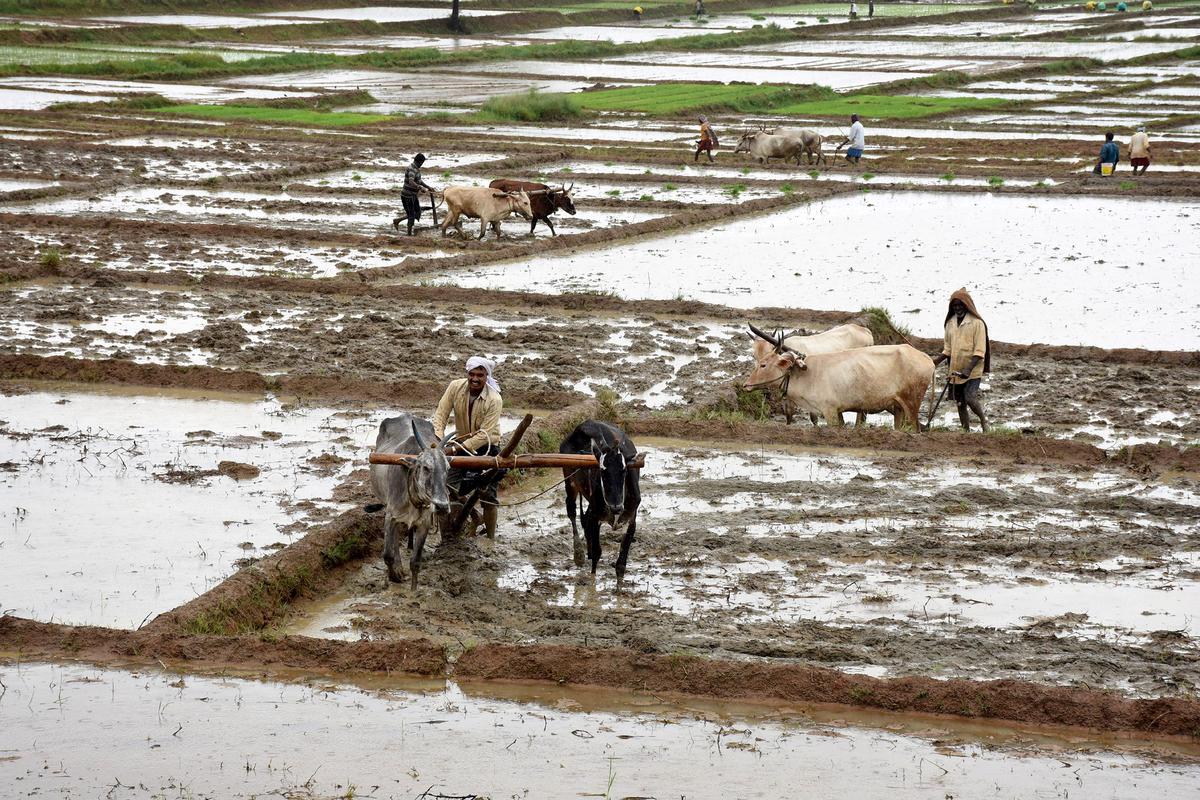
On March 1, 2011, the Prime Minister issued Decision No. 315/QD-TTg on the pilot provision of agricultural insurance during the 2011-2013 period, focusing on certain regions and key agricultural sectors such as rice, livestock, poultry, and aquaculture. The government offered insurance premium subsidies ranging from 20 to 100 per cent, depending on the participants, which included the poor, near-poor, and regular farmers.
Agricultural insurance payout rates tend to be high in Vietnam due to the substantial risks posed by natural disasters and disease outbreaks. Reports indicate that payout rates can range from 70-90 per cent for significant losses, particularly in areas like rice, shrimp farming, and livestock. In some cases, annual loss ratios have surpassed 100 per cent, and in extreme instances even exceeded 200 per cent.
However, this pilot agricultural insurance program encountered various challenges, particularly with procedures and monitoring mechanisms. Additionally, its coverage was limited, focusing on specific provinces and participant groups, which left many farmers in other areas without access to insurance.
The Ministry of Finance only allowed a select few insurance companies, such as Bao Viet Insurance, Bao Minh Insurance, and a handful of others to take part in the pilot. Given the high risks involved in the agriculture sector, many insurers remain cautious about entering the market. Moreover, they face their own difficulties in securing reinsurance for large-scale risks.
Why is there a lack of interest in agricultural insurance?
The challenges in increasing agricultural insurance penetration come from both supply and demand.
On the demand side, many Vietnamese farmers earn low incomes, making it difficult to afford insurance premiums, especially when there isn’t sufficient government support in sharing this responsibility. Additionally, many don’t clearly see the short and long-term benefits of taking out insurance. The claims process, meanwhile, can be complex, requiring specific assessments that take time, and the lack of accurate data to assess damage can lead to delays in payouts, which often fall short of farmers’ expectations.
On the supply side, climate change has heightened the risk of unpredictable natural disasters like storms and floods, increasing the uncertainty in the agricultural sector. This forces insurance companies to carefully consider the level of risk, premium rates, deductibles, and the terms of insurance policies.
To make agricultural insurance more effective in the future, awareness campaigns are needed to educate farmers on the benefits of taking out such insurance. The government should also offer appropriate financial support, such as the State and farmers sharing responsibility for taking out insurance, as mentioned earlier. If such measures were to be implemented, I believe agricultural insurance has the potential to make significant progress and deliver promising results in the years to come.
What is your outlook on the growth of agricultural insurance in the years ahead?
In my opinion, for an agricultural country like Vietnam, where over 60 per cent of the population lives in rural areas and primarily relies on farming, agricultural insurance will gradually become essential for several reasons.
Firstly, agriculture is heavily impacted by natural disasters, disease outbreaks, and climate change-related events such as storms, floods, droughts, and pestilence. Insurance products can help farmers share and reduce the financial burden of unforeseen risks, protecting their income and stabilizing their economic well-being. When losses occur, payouts provide financial support to help farmers recover and resume production quickly.
Secondly, when farmers know their assets are “protected from risks” through appropriate insurance products, they will feel more confident in expanding their production. If risks arise, insurance provides financial backing to help them get back on track. This will also encourage farmers to adopt new technologies and improve production efficiency without fearing natural disasters. This leads to increased productivity, better quality agricultural products for domestic and export markets, and greater demand for agricultural insurance and related industries like imports and exports. In turn, this will contribute to the sustainable development of Vietnam’s agricultural sector.
Thirdly, as agricultural insurance expands, it will contribute to the broader development of Vietnam’s insurance market. More insurance companies will enter the sector, offering a wider variety of products. This will create healthy competition between insurers, ensuring better products tailored to farmers’ needs and offering more choice for both individual farmers and agricultural businesses.
Globally, disaster insurance products for individuals and communities have seen significant growth over recent years. What has happened in Vietnam?
Insurance companies in Vietnam have been exploring and continue to explore the introduction of specialized disaster insurance products. These offerings include property insurance, home insurance, agricultural insurance, and business insurance.
Property insurance provided by these companies includes coverage for risks such as floods, storms, earthquakes, and landslides, like Typhoon Yagi. This type of insurance helps both individuals and businesses reduce financial losses from natural disasters.
As previously mentioned, agricultural insurance is a vital product for farmers and agricultural enterprises, offering protection for crops and livestock against natural disasters like storms, droughts, and floods. The Vietnamese Government has launched an agricultural insurance program with State support to encourage farmers to join, and I foresee this product gaining more momentum in the near future.
Typhoon Yagi resulted in the largest payouts in the history of Vietnam’s insurance industry. How do insurance companies manage their financial stability and ensure they can cover claims?
Vietnam’s insurance market has experienced rapid growth, and local insurers are increasingly recognizing the need to bolster their financial strength and establish contingency mechanisms to handle risks from natural disasters. Some of the methods employed include reinsurance, increasing capital, and building risk reserves.
Domestic insurers are enhancing cooperation with international reinsurance organizations through reinsurance agreements with major global reinsurers like Swiss Re and Munich Re to reduce risks and safeguard themselves from substantial financial losses when disasters strike. This ensures that insurance firms maintain strong financial health and can provide timely and adequate compensation to policyholders.
Over the past few years, many insurance companies have consistently raised capital and built reserve funds to better respond to natural disasters and set aside provisions for large, exceptional payouts when disasters occur.
In the current era of rapid digital transformation, how is technology being integrated into claims assessment and risk management in the insurance industry?
Drone technology, with unmanned aerial vehicles (UAVs) enabling broad damage assessments, and satellite systems will be utilized to monitor and evaluate damage in regions affected by natural disasters such as floods and storms; a practice already implemented in advanced European countries. This will streamline the claims assessment process, making it faster and more accurate while reducing compensation disputes.
Moreover, the insurance industry is leveraging big data and AI to analyze disaster patterns, predict risks, and more accurately calculate insurance premiums, which is known as risk modeling. Such technologies also enhance decision-making efficiency and help insurers manage risks more effectively.
Many insurance companies are also focused on improving disaster forecasting capabilities, which are critical for more accurate budget planning in response to natural disasters. This involves developing quantitative risk models and establishing databases on disaster risks, particularly for public assets. Such tools help determine the frequency and severity of disasters, allowing insurers to formulate appropriate financial and insurance plans.
The insurance industry is also expanding collaboration with international and regional organizations to exchange knowledge and gain financial and technical support for disaster risk management.
Additionally, insurers are partnering with reinsurance companies to conduct awareness campaigns and training sessions, aimed at raising public awareness about the importance of insurance in mitigating the impact of natural disasters.
Source - https://vneconomy.vn