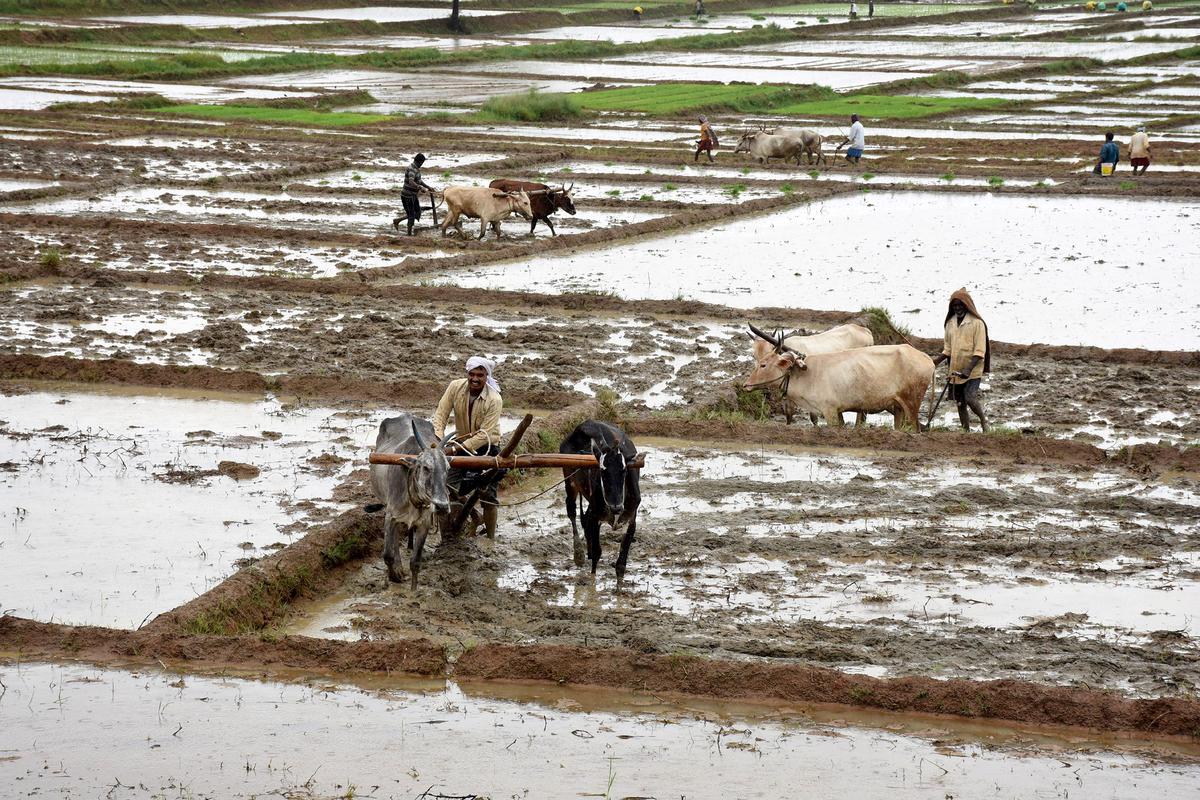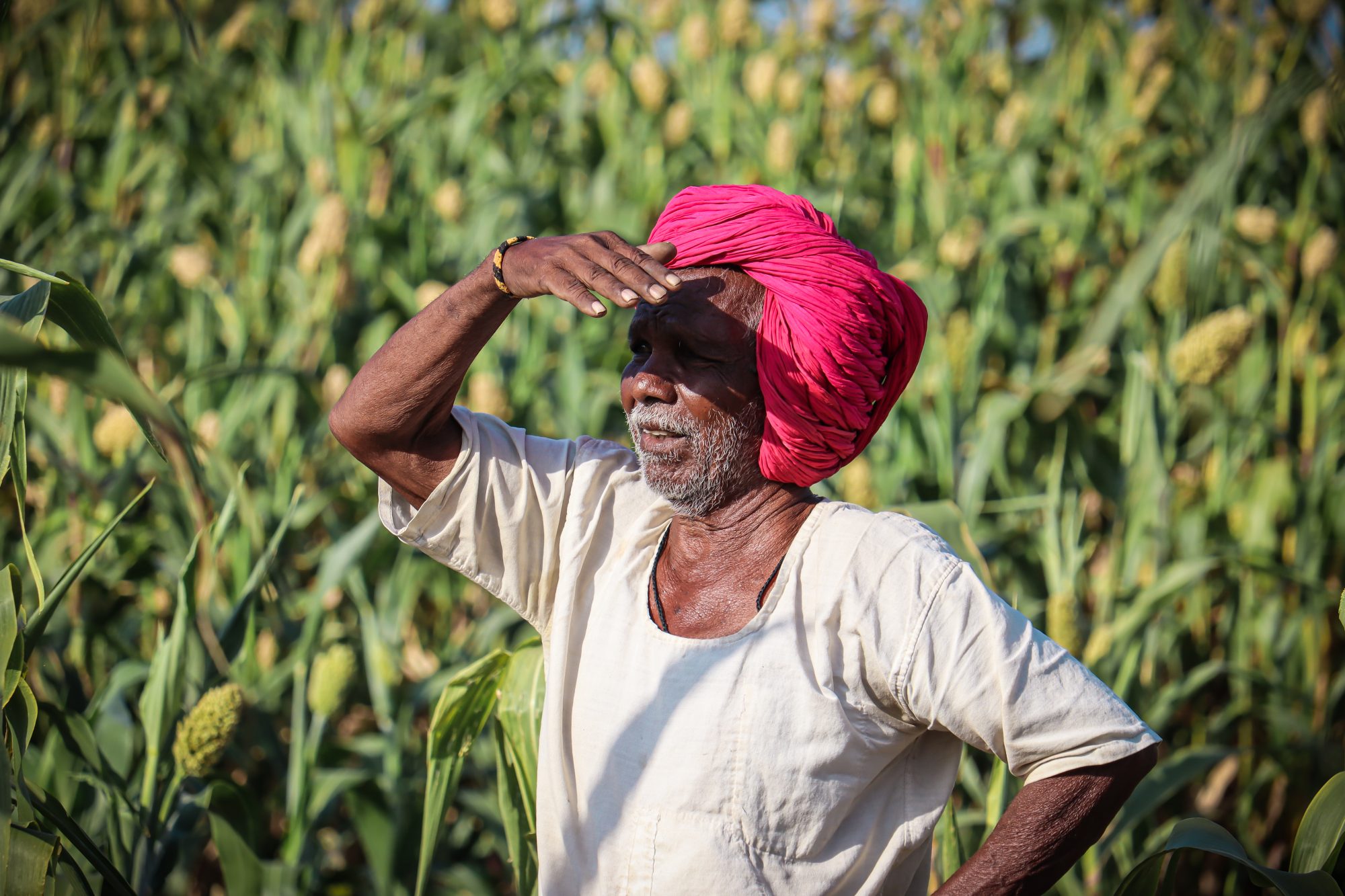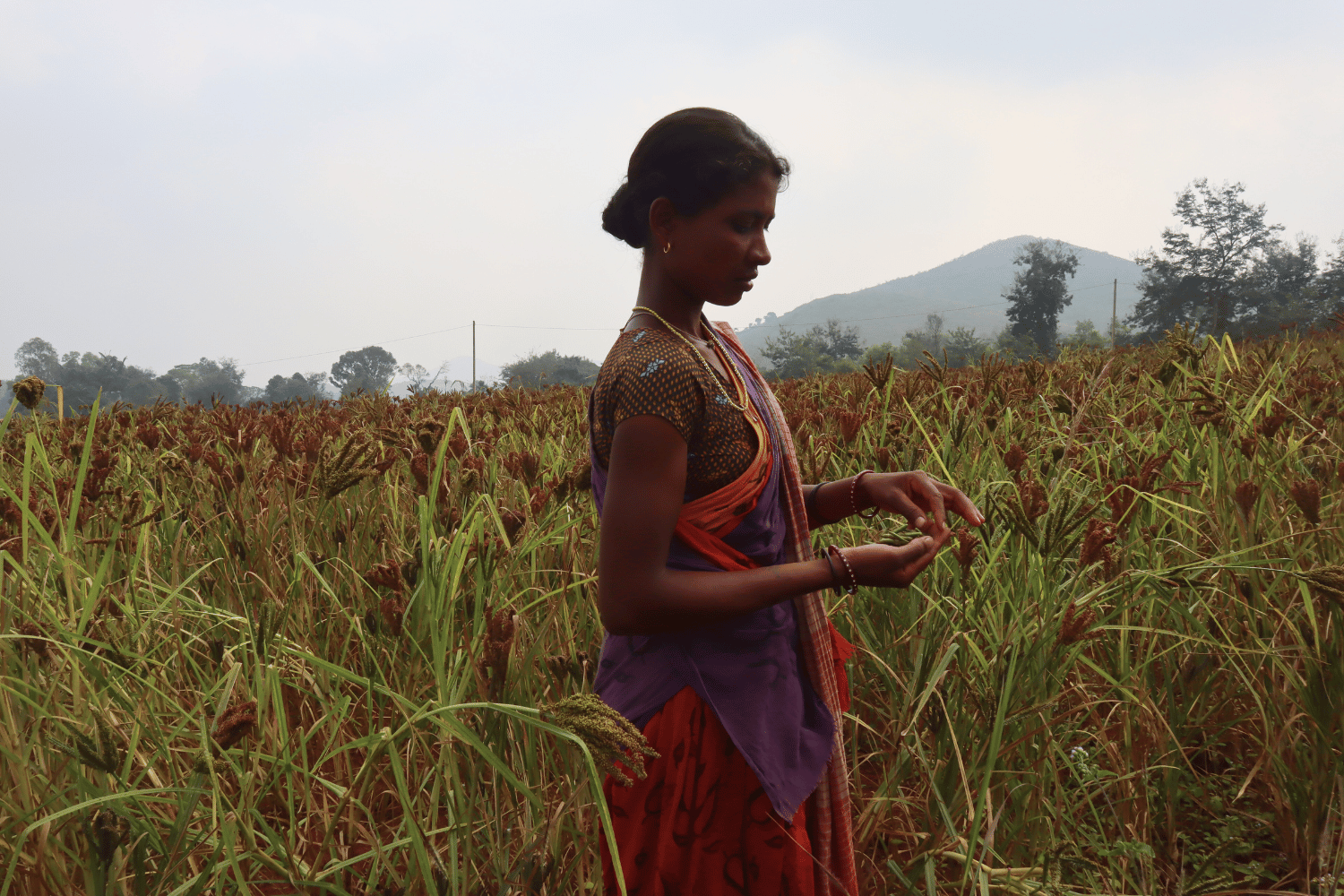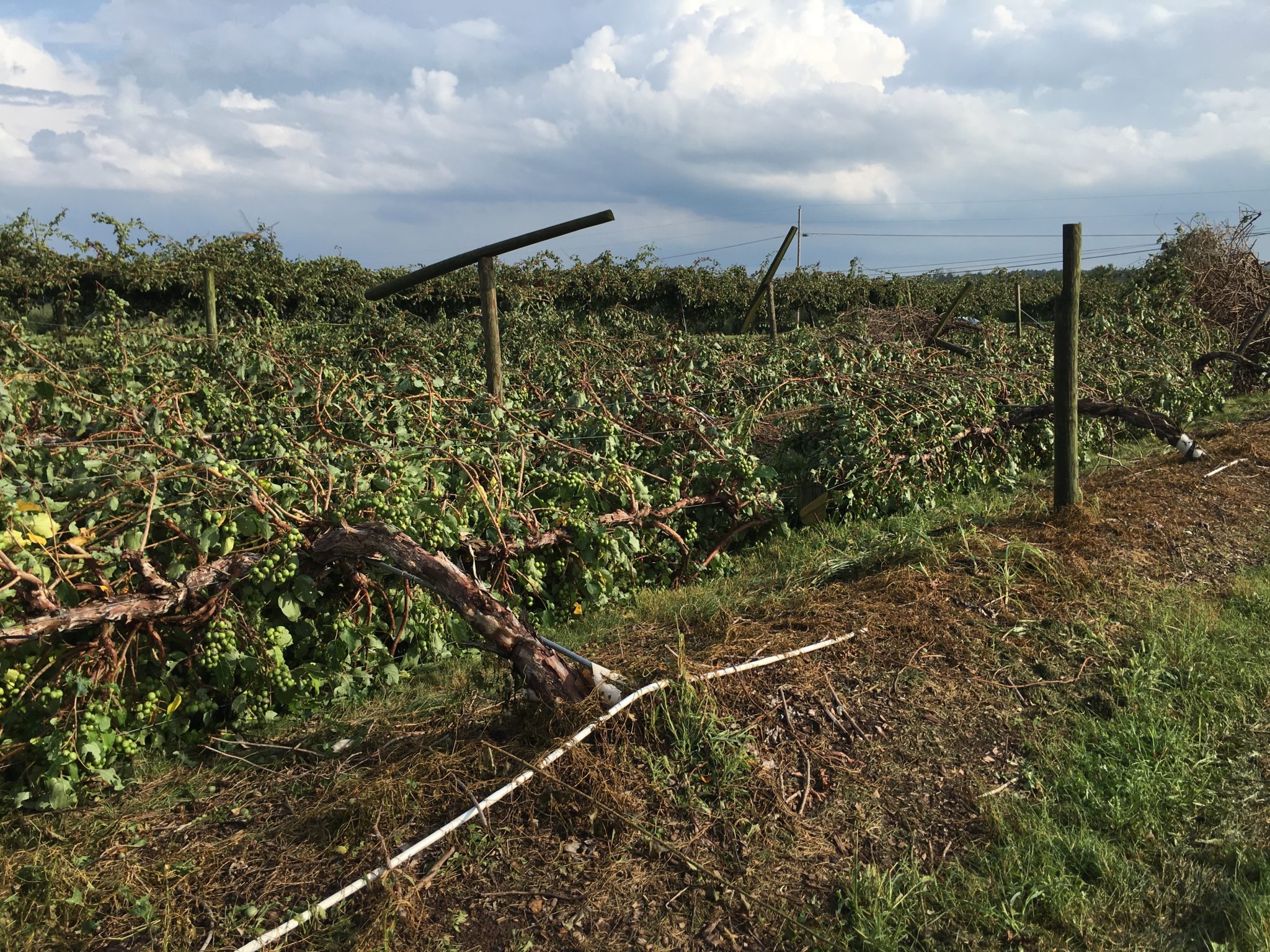
A long-term player in the Vietnamese insurance market, Swiss Re is committed to strengthening resilience across farming communities in the country. A first pilot launched in 2011 has paved the way for a new national insurance scheme that has the potential to reach large numbers of the 10 million farming population in Vietnam.
Together with the Vietnam National Reinsurer (VINARE), Swiss Re reinsures the scheme, which targets livestock, aquaculture and paddy rice farmers.
What makes this scheme really stand out is the commercial integration of satellite technologies that can capture rice planted areas, rice growth, damaged areas as well as estimate paddy rice yields. Because of this, it is a first of its kind index-based rice insurance product adopted in a public scheme by the Association of Southeast Asian Nations (ASEAN). A further advantage of integrating remote sensing technologies is that it enables swift payouts through simplified claims.
Protecting livelihoods against climate change
With its extensive coastline, Vietnam is among the world's most vulnerable countries to the impacts of climate change1. A large number of the population works in the agriculture sector; however, many are smallholders relying on sales of agricultural output for their livelihoods. With more and more adverse events impacting farming activity, the Government of Vietnam has been examining ways to build resilience to natural and man-made disasters in the agriculture sector, its main economic driver.
Alongside government agencies and the local insurance industry, Bao Viet, Bao Minh and VINARE, Swiss Re has had a strong history of capacity building in Vietnam since the launch of pilot 315 in 2011. In June 2019, the Decision 22/2019 was signed to endorse the national insurance scheme.
This new scheme aims to increase national food security as well as income safety for the farming population as insurance premium subsidies are also available to eligible farmers.
Vietnam harvests up to 45 million tonnes of rice per year2 and is the second largest rice exporter worldwide. Being able to monitor the health of rice crops is essential for food and income security.
Dedication pays off for public-private partnership
The technology providing yield data for paddy rice is enabled by RIICE (Remote Sensing-based Information and Insurance for Crops in Emerging Economies), a public private partnership between sarmap, the International Rice Research Institute (IRRI), the Swiss Agency for Development and Cooperation (SDC), the Deutsche Gesellschaft für Internationale Zusammenarbeit (GIZ) GmbH and Swiss Re.
As a multi-stakeholder public-private-partnership, RIICE has grown steadily over the last ten years to become a strong and versatile risk management product. The partnership's dedication to reducing the vulnerability of rice smallholder farmers in low-income countries in Asia and beyond has led to this latest successful innovation in Vietnam.
The Vietnamese insurance regulator approved the product proposal while the National Institute of Agriculture Planning & Projection (NIAPP) is the appointed agency to provide processed yield data to the government and insurance industry.
Swiss Re led the product development, as well as taking an active advisory role to the Vietnamese Ministry of Agriculture and Rural Development and the Ministry of Finance during the actual programme development.
Resilience boost for vulnerable communities
Because of the impact of the Covid pandemic, value chains have been disrupted in many parts of the world. Strong domestic food value chains have become a priority for many governments. Having policies and measures in place to help boost resilience among domestic farmers is therefore a matter of urgency.
Vietnam is a strong role model for the action it has taken to address systemic stress, for example introducing the government endorsed national agriculture scheme. Other members of ASEAN and countries around the world could also benefit from the advantages such an insurance scheme offers. One reason is that such a scheme protects selected population segments so governments would have the opportunity to focus attention on Covid-related response measures.
Harnessing the power of digital solutions
The global pandemic has also accelerated the need for digital solutions in all sectors. As a partner of RIICE and the insurance industry, we are privileged to have enabled a state of the art tech-enabled solution that helps monitor and predict rice yields in Vietnam.
The tool marks a leap forward for both the government and the insurance industry and provides the information needed for timely, remote and high quality decision-making. The satellite technology integration in this insurance scheme is a model for other countries looking to introduce innovative solutions to address food and income security swiftly and efficiently.
Source - Swiss Re