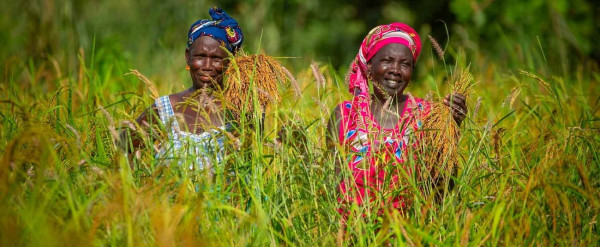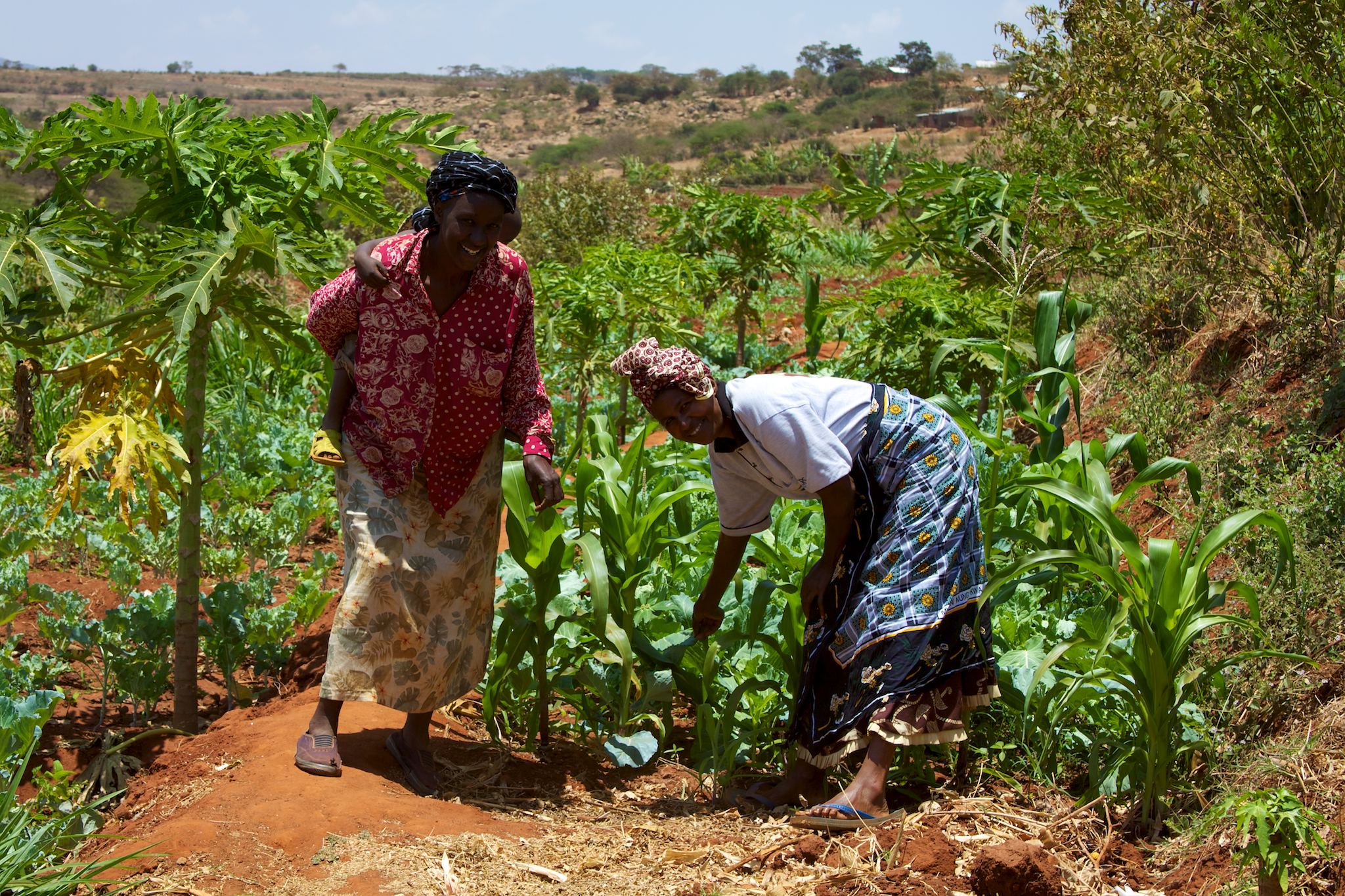
Millions of people in Zambia are facing extreme hunger that will worsen as the planet warms further. We must not forget the poorest, who are suffering first and worst. Catholic social teaching's preferential option for the poor demands urgent action.
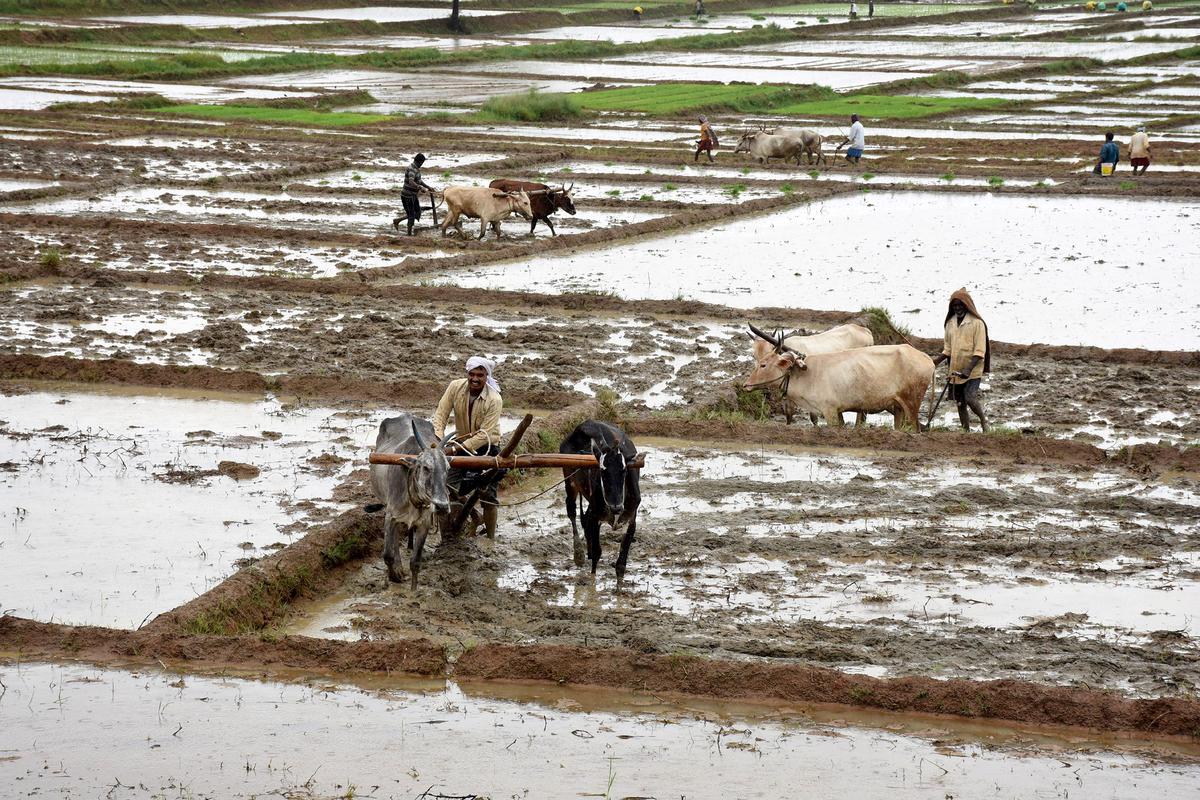
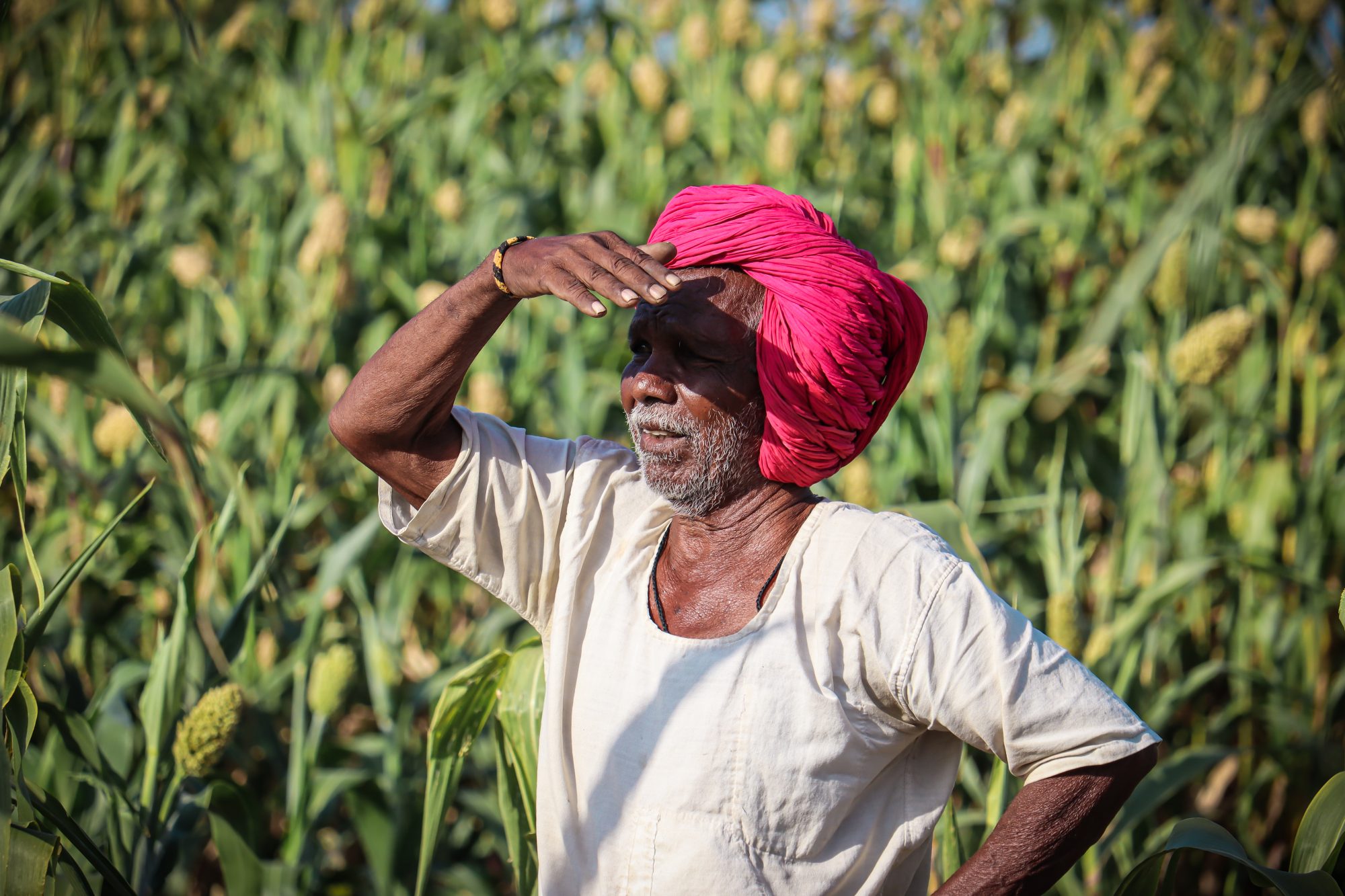
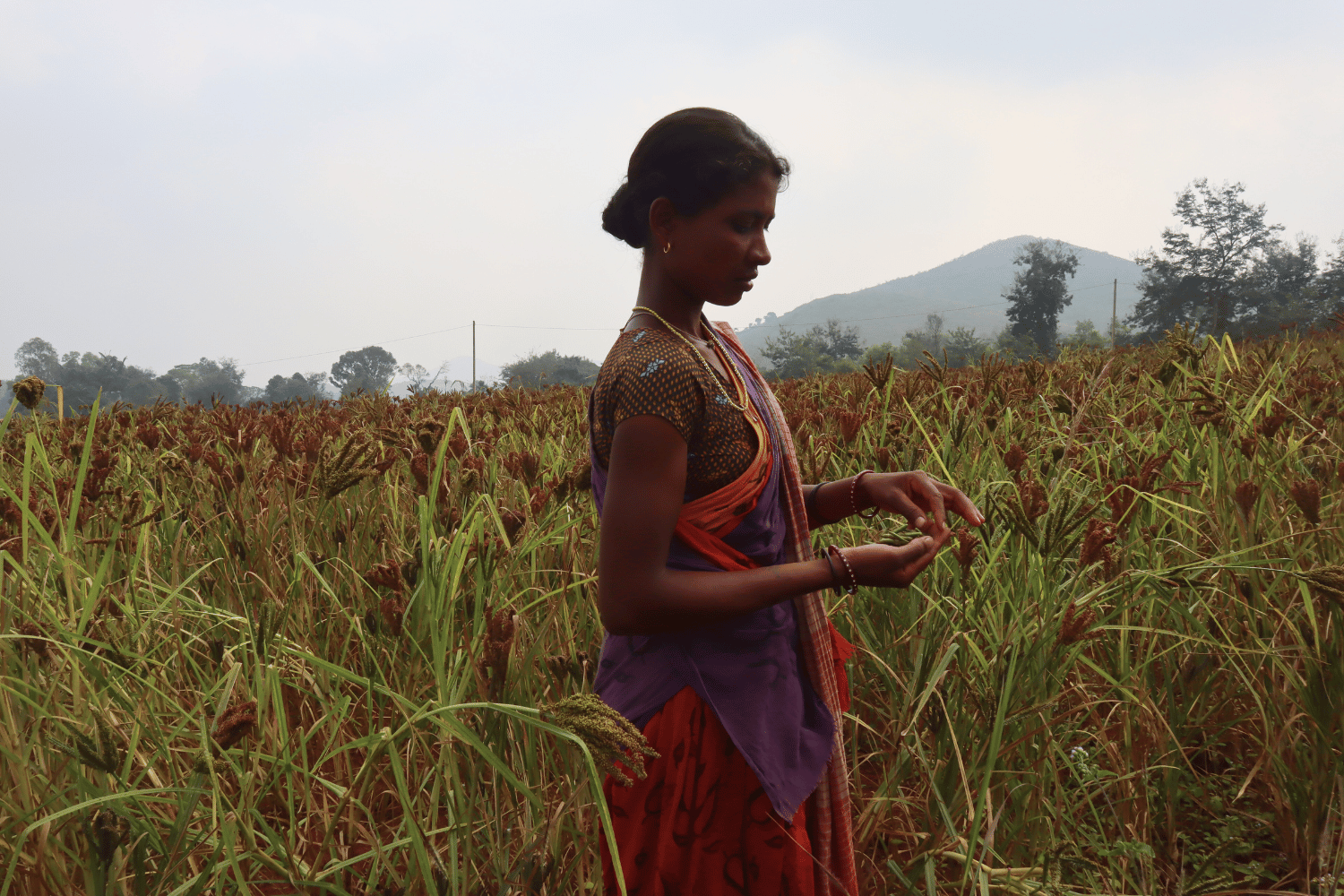
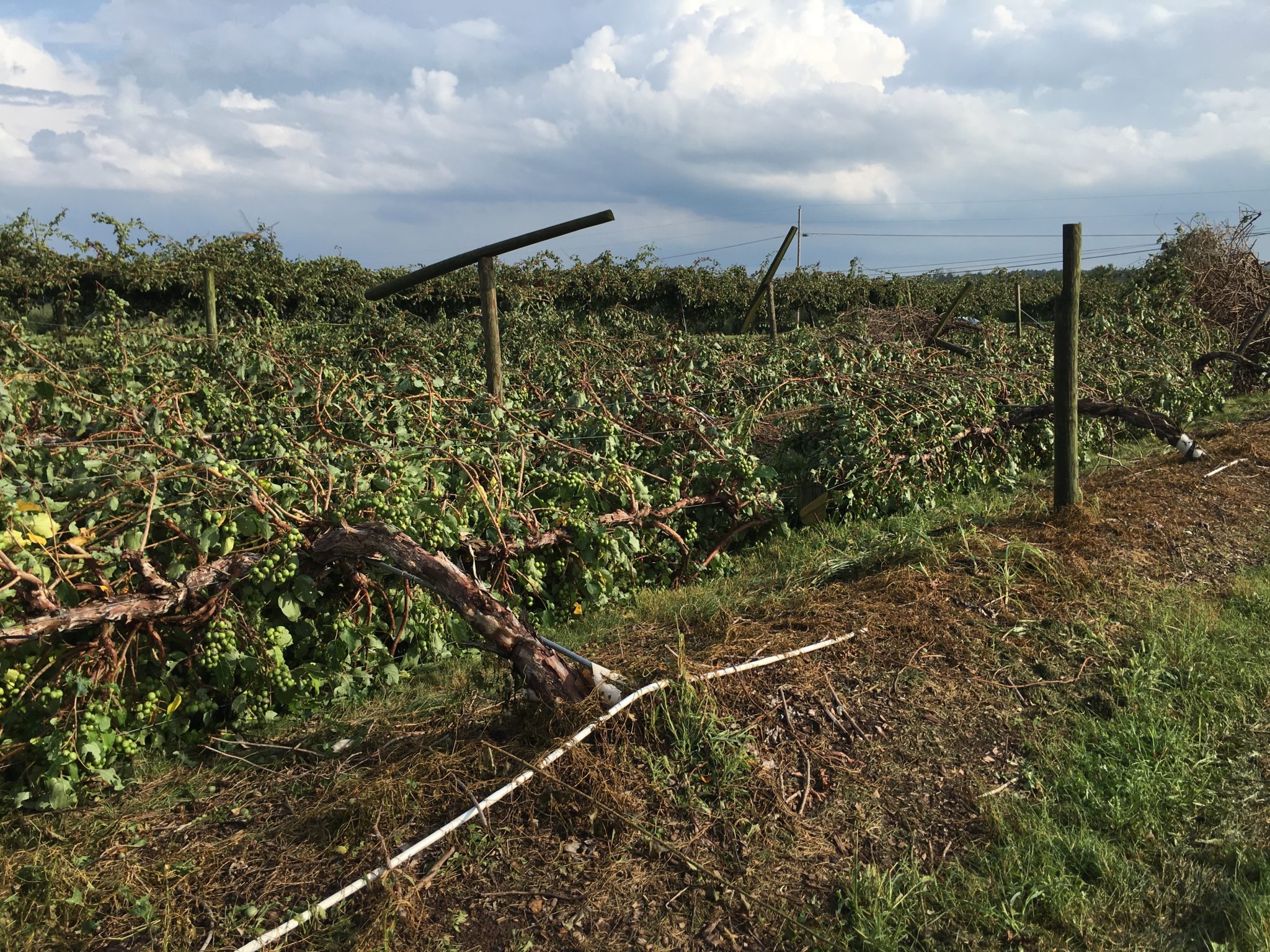
This year's crippling drought in Zambia has devastated agricultural production and caused extensive crop failure, with almost half of the nation's "planted area" destroyed. In rural areas, many small-holder farmers (who make up 72% of the population) have had to engage in emergency rationing, reduce their food intake to well below healthy levels and go without meals for days on end. In urban areas, supplies have been limited, prices have skyrocketed and emergency feeding programs have been stretched to their limits.
The current food crisis in Zambia is mirrored across Africa and elsewhere in the tropics. This has been exacerbated by the natural El Niño effect and by two more realities: anthropogenic climate change and a broken global food system.
At the United Nations climate change conference, COP28, in Dubai last year, world leaders formally established a fund for "loss and damage," the U.N. term for the impacts of climate change already being experienced. Almost $700 million was pledged to this fund at COP28, and it is hoped that many more billions will be attracted to the fund in years to come.
With some estimates suggesting that climate change associated events are costing developing countries $400 billion per year already, this fund will need significantly more investment if it is going to meet the scale of the need required.
A fully functioning, well-resourced Loss and Damage Fund could — and should — respond quickly to the needs of countries like Zambia at moments like this. By agreeing on a clear set of qualifying criteria, the Zambian government could quickly evidence to the Loss and Damage Fund board that the current crisis has been exacerbated by climate change, and receive direct budgetary support for its relief program. This could be supplemented by funding to community organizations that can get food and cash to communities rapidly and help them endure lean months when food prices skyrocket.
As the first developed country to commit finance to the Loss and Damage Fund, the Scottish government has valuable knowledge about how to spend this money effectively, and the new board of this fund should build on these lessons, and take them to scale.
In Laudato Si', Pope Francis draws out beautifully the connection between the Catholic faith and values of care for creation. Looking to Laudato Si' and the full body of Catholic social teaching, including Rerum Novarum, Caritas in Veritate and Fratelli Tutti, it is evident that this issue of loss and damage should be a particular concern for Catholics across the world.
A loss and damage fund is a preferential option for the poor — those who are already suffering from climate impacts. Any global action to address climate change must remember that this crisis is not just something of the future to be abated or avoided, but a present reality for poor people today.
Loss and damage might also be considered a means of repaying the ecological debt and addressing the injustice of our global economy. In Spes Non Confundit, the papal bull ahead of the jubilee year in 2025, Francis calls for the settling of unjust debts, highlighting the "ecological debt" that many countries in the industrialized world have to many of the poorest nations.
Loss and damage explicitly is about addressing this imbalance, recognizing that while many countries have profited from environmental breakdown, others are now paying the damages. No global order can function by ignoring such a blatant injustice.
Ultimately, addressing this injustice through a fully functioning, well-resourced Loss and Damage Fund is vital to achieving the common good globally. Through this fund redressing the unfairness of climate impacts, countries can come together in goodwill to engage in the collective decarbonization needed all over the world.
The board of the Loss and Damage Fund will meet for the second time on July 9 in South Korea. I hope it will pay heed to these concerns and build a fund that is able to meet expectations, to meet the scale of the global need, and to help build a world where everyone can achieve integral human development.
Caritas Internationalis, drawing on church teaching and extensive experience with communities, has produced a dossier of evidence for the new board, outlining an inspiring and positive vision for what this fund can achieve. I pray that the board heeds and responds to this learning. The ancient and sacred wisdom of the church can help build a vision of a better world, for people of all faiths and none, which can inspire us all to be hopeful.
We must keep raising our voices. I am joining with my old colleagues and friends at Caritas Scotland to petition the Loss and Damage Fund board to urgently get the necessary money pledged and quickly develop a plan to scale fundraising to meet global needs, especially to improve the broken global food system.
Source - https://www.ncronline.org