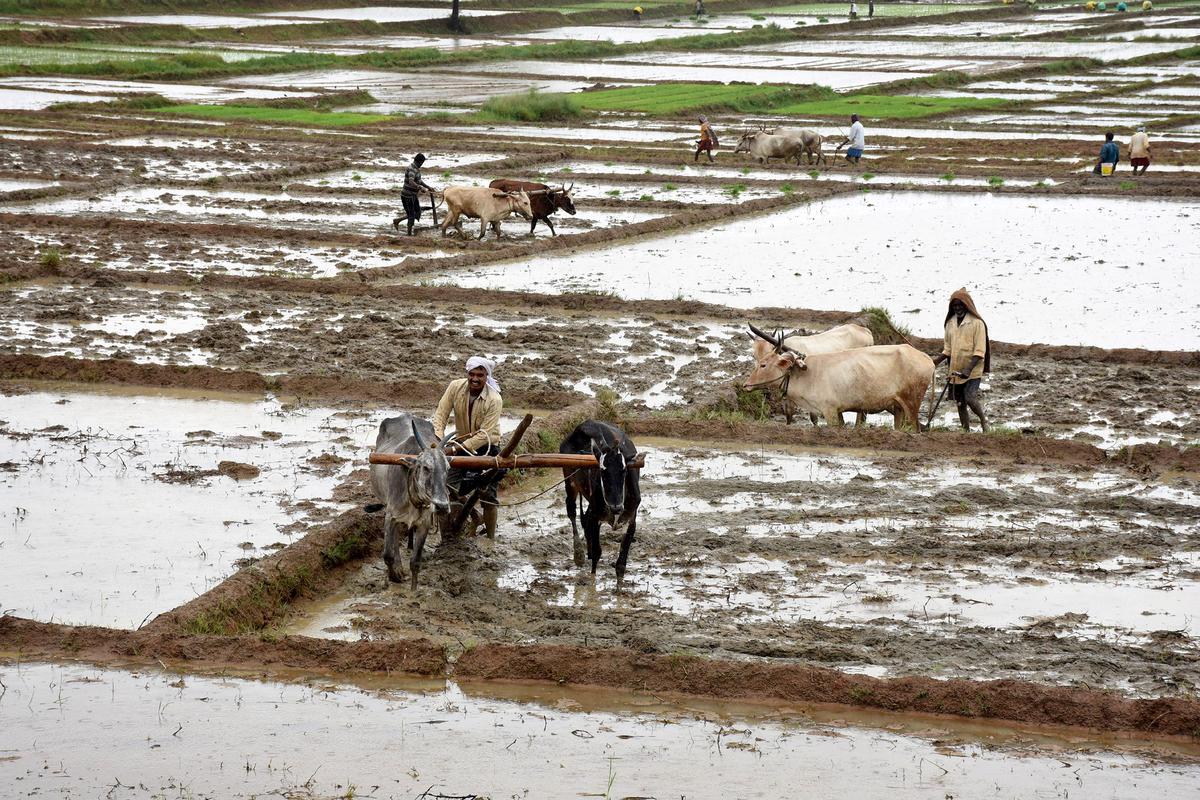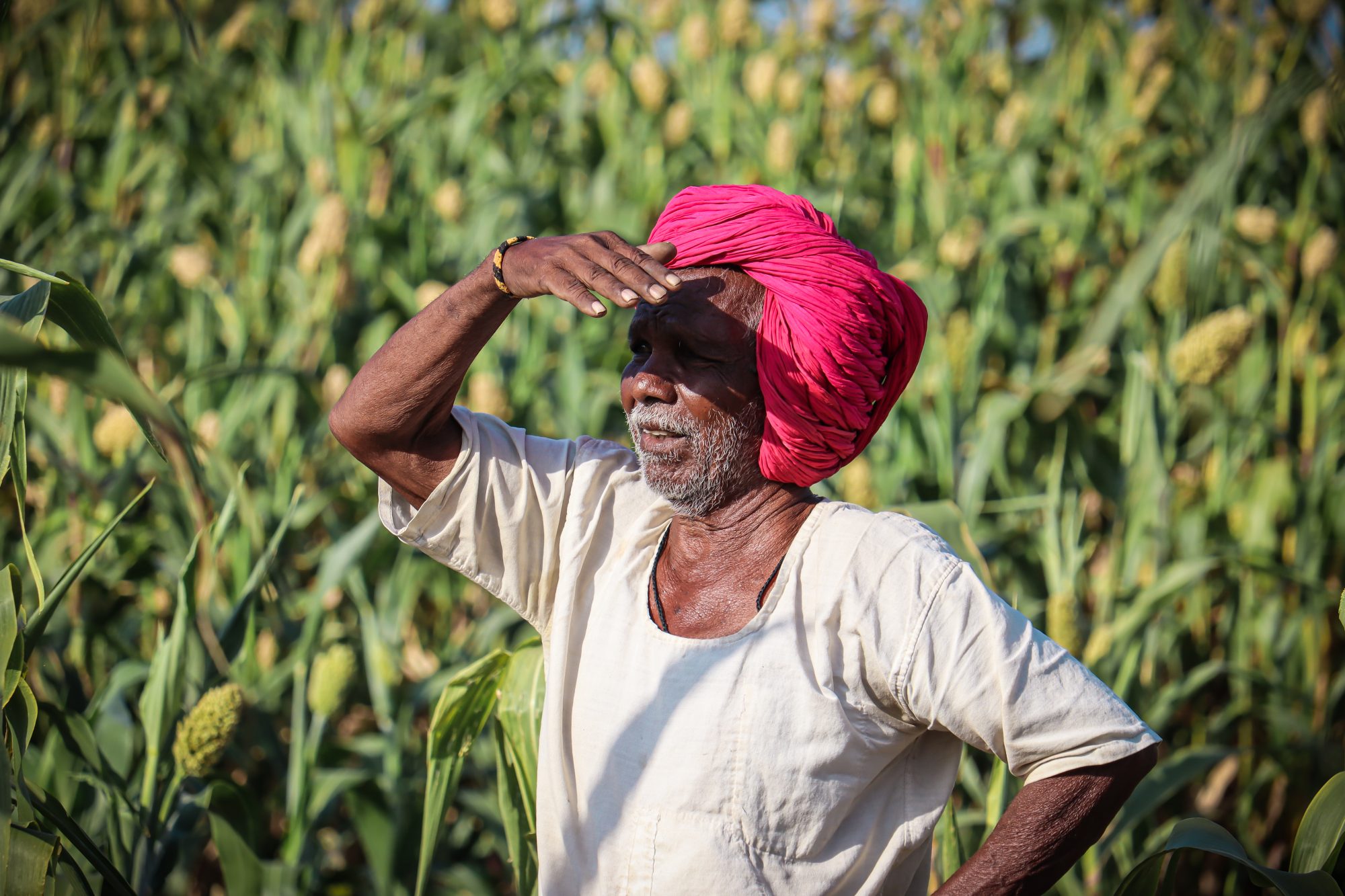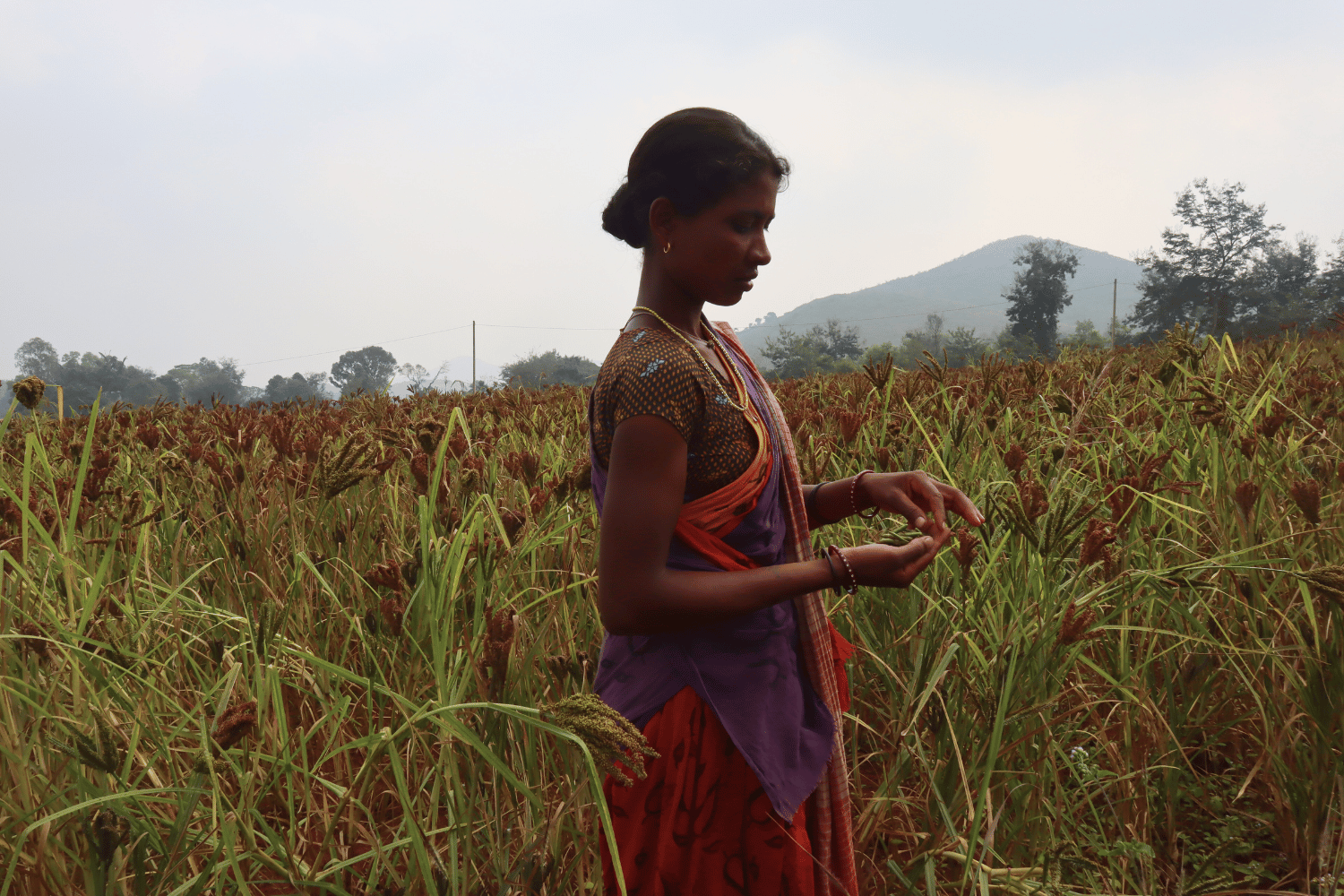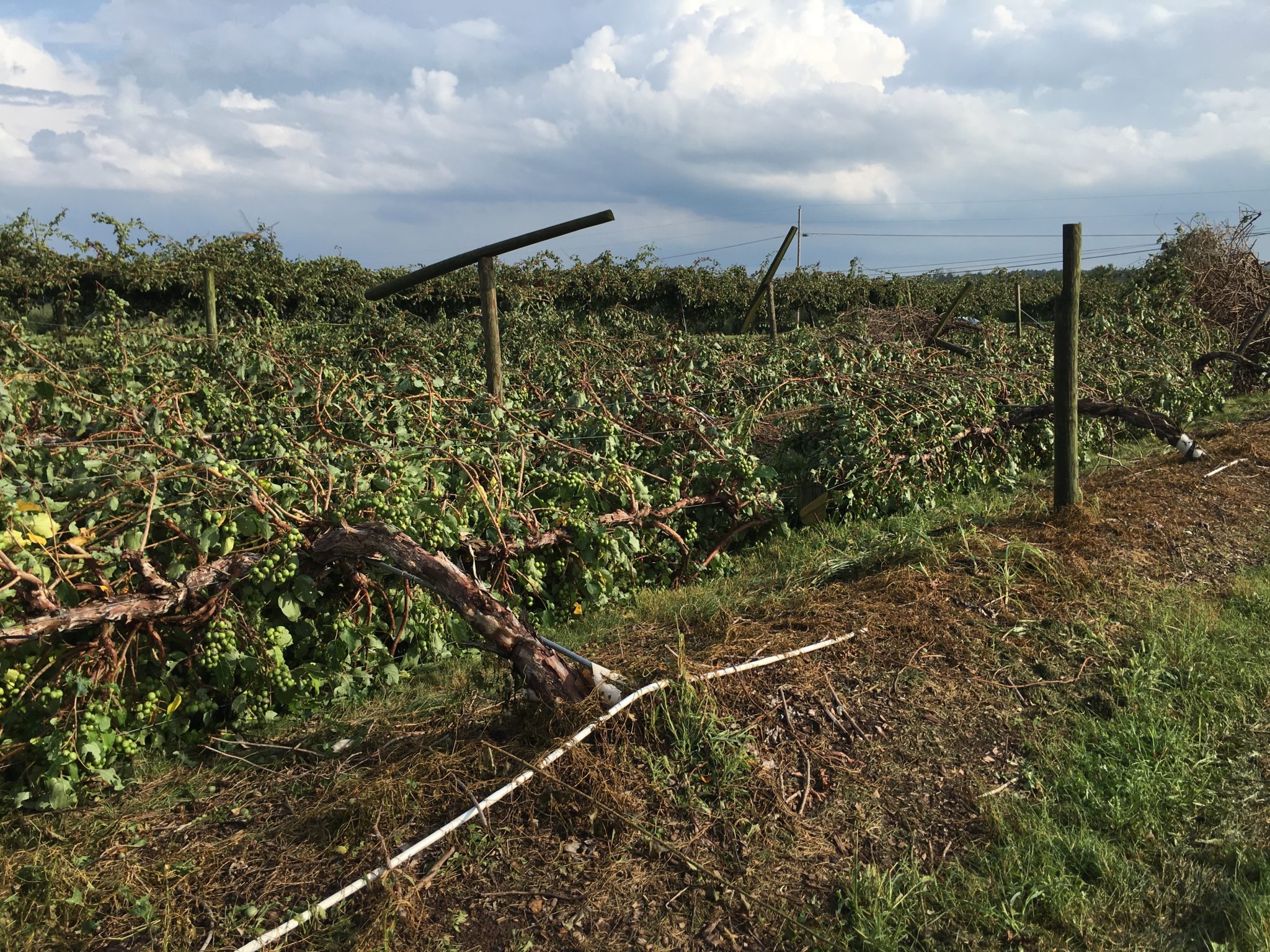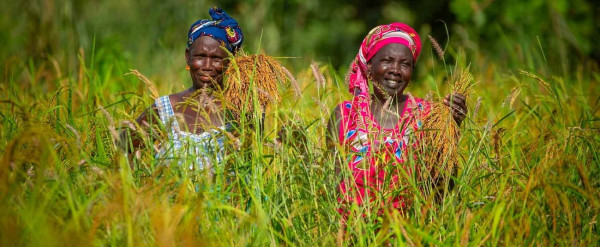
With Zambia having recentlycommemorated Farmer’s Day and the contributions and work made by farmers in the agricultural sector in the country, Hollard has highlighted the importance of ensuring the sustainability of farming in the country, by providing adequate disaster risk financing mechanisms as a means to protect farmers against natural and man-made disasters.
Choolwe Sianyinda, Chief Operating Officer of Hollard says, “The long-term sustainability of the agricultural sector in Zambia and prospects for the country’s socio-development hinges on the adoption of adequate cover and protection to mitigate against the increasingly volatile and erratic weather patterns – which are largely attributed to climate change – placing an extra burden on food security.”
The socio-economic development of Zambia is closely aligned with the success of the agricultural sector which accounts for 51% of the labour force and feeds 50% of the population which depends on the sector for food, primarily through smallholder production, according to a report by the African Development Bank Group titled: Country Food and Agriculture Delivery Compact.
According to the African Development Bank Group, the agricultural sector in Zambia is also the main source of raw materials for the manufacturing and food processing sectors and, therefore, offers additional job opportunities through downstream industries, especially for women and the youth. The sector also contributes to Zambia’s export earnings: agriculture currently accounts for approximately 29% of non-traditional exports and 7% of total national exports. Given this, agriculture offers a robust pathway for fostering Zambia’s envisioned diversified, inclusive national socio-economic transformation.
Climate change is emerging as a major challenge to agricultural development in Africa according to the United Nation’s Food and Agriculture Organisation (FAO). “Progress on rural development has already been hit hard by the combined effects of the global financial downturn and the food crisis and, as a result, hunger and malnutrition trends remain stubbornly high. Without extensive adaptation the effects of climate change on agriculture is expected to exacerbate Africa’s deepening food crisis, narrowing channels of food access and slowing efforts to expand food productivity,” the report reads.
“Agriculture is a key impact area where inclusive and sustainable insurance solutions can drive the long-term sustainability of the sector. To that end, we are exploring partnerships with financial institutions willing to provide credit to farmers, with insurance serving as a safety net to ensure that farmers can repay their loans in case of crop failure. This approach aims to build resilience among farmers and safeguard their livelihoods,” says Choolwe.
According to Hollard, while policy adaptations and investment are critical in driving the development of agriculture in Zambia, the smallholder and commercial farmers require insurance coverage for their farming inputs, tools or equipment and produce. Agriculture insurance plays a vital role in risk mitigation, allowing farmers to safeguard their businesses from financial losses. By minimising uncertainty, it enables farmers to efficiently manage their production and income.
Choolwe further explains that while commercial farmers rely on indemnity-based insurance, smallholder farmers have access to index insurance to secure their crops.
He says, “It is evident that farmers need more education and awareness about the benefits of insurance in dealing with climate change and natural disasters. Training and customer-centric products are essential, as is improved access to telecommunications and digital agriculture. Expanding distribution channels is crucial to reach more smallholder farmers.
“Addressing these challenges can be achieved through sensitisation efforts, which can boost the adoption of insurance as a coping strategy in times of disaster. Improving connectivity in the telecoms sector and promoting digital agriculture. Simplifying farmers’ access to technology like smartphones is essential, as is providing access to accurate meteorological data and information and collaborating with financial partners to make access to funding easier and more affordable for farmers.”
As a member of a consortium of insurers, Hollard provides insurance coverage to more than a million smallholder farmers through the Farmer Input Support Programme (FISP), a government initiative that aims to improve the accessibility of agricultural inputs for small-scale farmers at a reduced cost, thereby enhancing their productivity.
“As a consortium member we provide index insurance to over 97 000 households who are on Food Security Packs, and over 23 000 households on Sustainable Agriculture Financing Facility (credit facility window),” says Choolwe.
Furthermore, Hollard has collaborated with Financial Sector Deepening Zambia (FSDZ) to introduce an Inclusive Crop Insurance Scheme, offering Area Yield index to support smallholder farmers in managing the impact of climate change, droughts, pests, floods, and other natural disasters. The FSDZ has been providing technical assistance and subsidies to the farmers on the program.
Between 2021 and 2022, Hollard paid claims of up to ZMW1,656,904.38 to farmers. This figure increased significantly to ZMW16,136,309.72 between 2022 and 2023.
Choolwe says, “At the core of what insurance should deliver on, is enabling communities, and in this instance farmers, to create better futures, and become sustainable, even in the event of risk factors, from natural disasters and climate change to man-made disasters.”
“Our goal is not only to provide the necessary assistance, but also to help older farmers transition from subsistence to commercial farming. We are also actively seeking additional partners who would like to work with us. The digital agriculture industry is looking for ways to ensure farmers have smartphones and technology at their fingertips. Our approach to offering affordable and accessible solutions for farmers, especially smallholders, involves strategic partnerships. This also includes collaborating with insurance companies, co-insuring, working with technical partners like KMD and Pula, and partnering with Vision Funds and Zambia Co-operative Federations to subsidise insurance premiums.”
Looking ahead, Hollard is focused on expanding partnerships with organisations like MFI, Input suppliers such as ETG, Yara Zambia to integrate insurance and enhance accessibility for farmers. This will be done in collaboration with funders and donours such as Financial Sector Deepening Zambia and other entities that provide financial support through premium subsidies.
“Our vision includes investing in digital agriculture by providing innovative onboarding apps to smallholder farmers. We have implemented an agricultural onboarding app for agents, for improved accessibility and efficiency. In addition, we are exploring ways to enable farmers to take part in digital agriculture platforms, using affordable smartphones. We want to play a role in supporting small scale farmers into becoming commercial farmers, by providing them the tools to enable their sustainability,” says Choolwe.
Hollard highlights that for farmers to thrive, insurers need to provide tailored insurance solutions that address their unique challenges and facilitate access to financial support. By partnering with others and promoting innovative agricultural practices, insurers can ensure that farmers receive the coverage they need.
The World Bank forecasts show that sub-Saharan Africa will surpass Asia as the most food insecure region inhabiting 40-50% of undernourished people globally in 2080 compared with 24% today. Levels of viable arable land for production are predicted to decline by 9-20% of arable land becoming much less suitable for agriculture.
“The case for the agricultural sector to adopt insurance is more compelling than ever. Insurance is not only a nice-to-have for the viability of the sector but is an existential requirement for a sector that plays such a pivotal role in the lives of Zambia’s people and its economy,” says Choolwe.
The current drought challenge that has affected Zambia and other countries across southern Africa provides an opportunity for stakeholders and farmers to revisit the priority given to insurance, as it can serve a crucial role in providing a safety net to shield against such disasters and, in turn, enable them to create better futures.
Source - https://www.africa.com