NEWS
837
of 1225
News
10.10.2016

India - With deforestation, langurs turn crop raiders in Agumbe

Arecanut farmers are demanding compensation, since common langurs are a protected species Karnataka’s arecanut farmers have a new problem to add to fungal infections and the price slump: monkey menace. Common langurs, a protected species under The Wildlife Protection Act, 1972, are helping themselves to flowers and nuts. Not much can be done about it and killing the animal attracts punishment. Crop losses due to wild animal conflict are mostly covered by compensation, and farmers expect they will get funds, but Department of Forest does not honour claims for damage caused by langurs on the grounds that it is a semi-domesticated animal that can reside in forest as well as in human habitats. Agumbe is particularly hit. N. Prakash, a professor in animal pharmacology at Veterinary College, Shivamogga who hails from Hebri near Agumbe says deforestation has distorted the food habits and behavioural patterns of wild animals in Malnad region. The lion-tailed macaque, a shy primate that used to spend the major part of its life in the upper canopy of trees has now turned social and its members seek food from travellers along Agumbe ghat. The langurs can be seen feeding on flowers of the arecanut tree, locally known as singara and on tender nuts. Source - http://www.thehindu.com

10.10.2016

Turkey - Cold and windy weather affects kiwi yield in Ordu

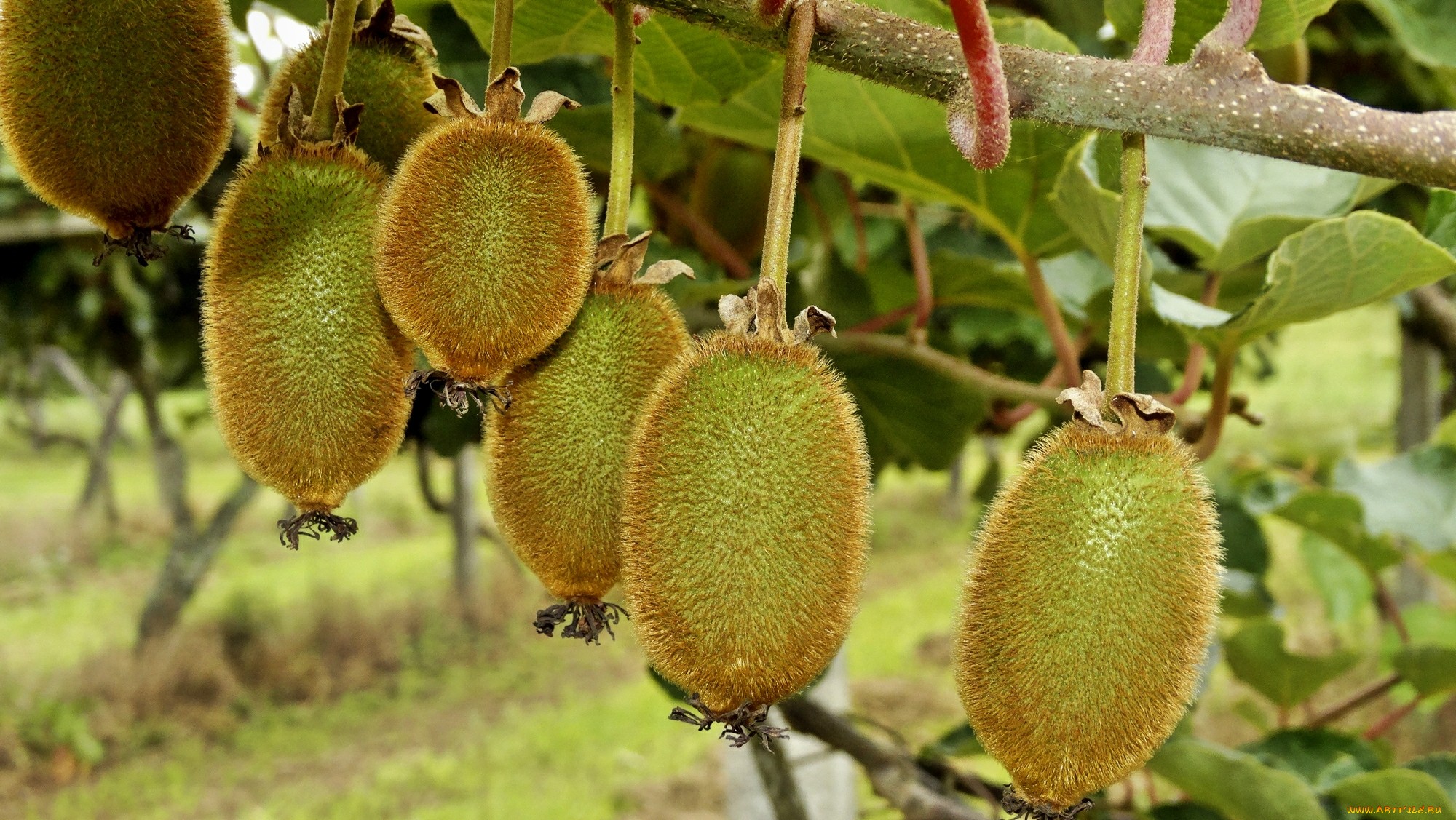
In Ordu, on the Black Sea coast of Turkey, kiwifruit production this season has significantly reduced as a result of cold and windy weather, according to the Ordu Food, Agriculture and Livestock Minister, Kemal Yılmaz. “The area has a production potential of nearly 10,000 tons. Last season the yield reached 6,500 tons but we estimate a 2000 tons reduction in yield this season, especially in high altitude areas,” stated Yılmaz. He added that the Ordu kiwi was the best in the country due to its distinct flavor.  Source - http://www.freshplaza.com

10.10.2016

Water and weather affect Californian & Mexican bell peppers

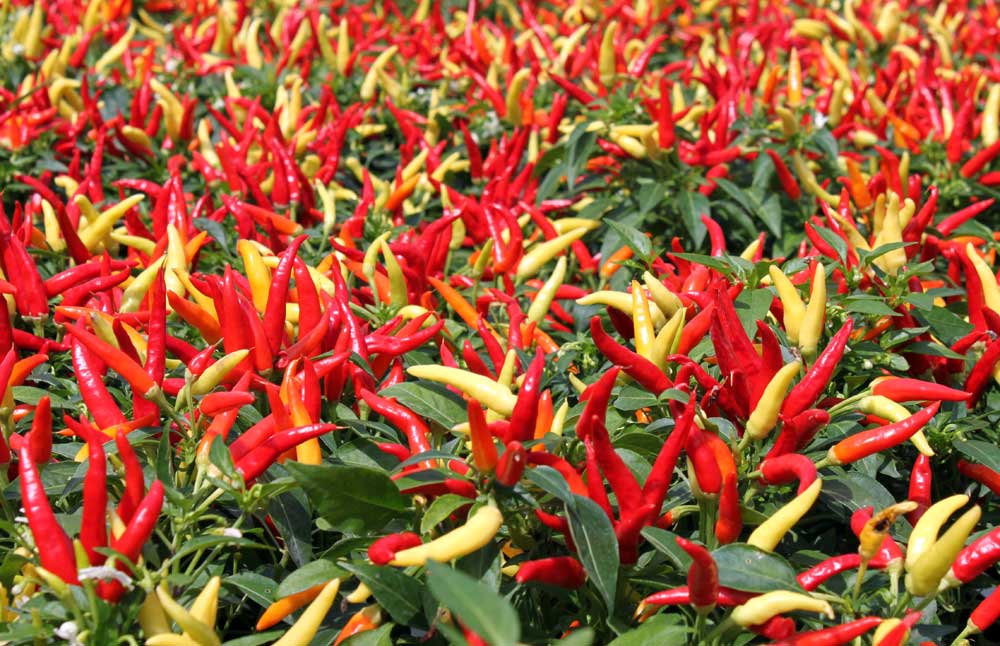
“We grow bell peppers 365 days of the year in seven locations in California and Mexico,” said Mike Aiton of Prime Time Produce. This means, that despite the long-standing drought plaguing California, this grower has to address several challenges to achieve its goal of harvesting enough bell peppers to satisfy consumers’ demand for this vegetable. “We have to water daily to keep the pepper flowers growing,” Aiton said. “When it’s hot, as it has been this past summer, we have to give the plants more water. Right now, we’re harvesting our bell peppers on the coastal areas—in Ventura and Orange counties. Further inland, the peppers are still growing and not yet ready for harvesting.” The drought means that Prime Time has had to get creative as it works to ensure a sufficient supply of water for its plants. “The need for water varies by growing region,” pointed out Aiton. “We have three resources available: wells, water rights or buying water. Water is more expensive this year than it was last year, and it was more expensive last year than the year before. “We rely on the ‘three Ws.’ Those are workers, weather and water, and all three give us challenges all the time. With this drought, weather and water are always problematic,” Aiton said. “This is a difficult time of the year. Peppers are available in 25 other states, which means there’s plenty of product available. Prices are weak. It’s the low point of the year for us in September and October. As the killing frost moves in, that will force the market back up,” Aiton predicted. Because Prime Time has farms located in several areas, it has been able to continue growing and harvesting conventional, hothouse and organic peppers to meet consumer demand. Source - http://www.freshplaza.com

10.10.2016

Mexico - Volcanic ash affects several crops in Comala

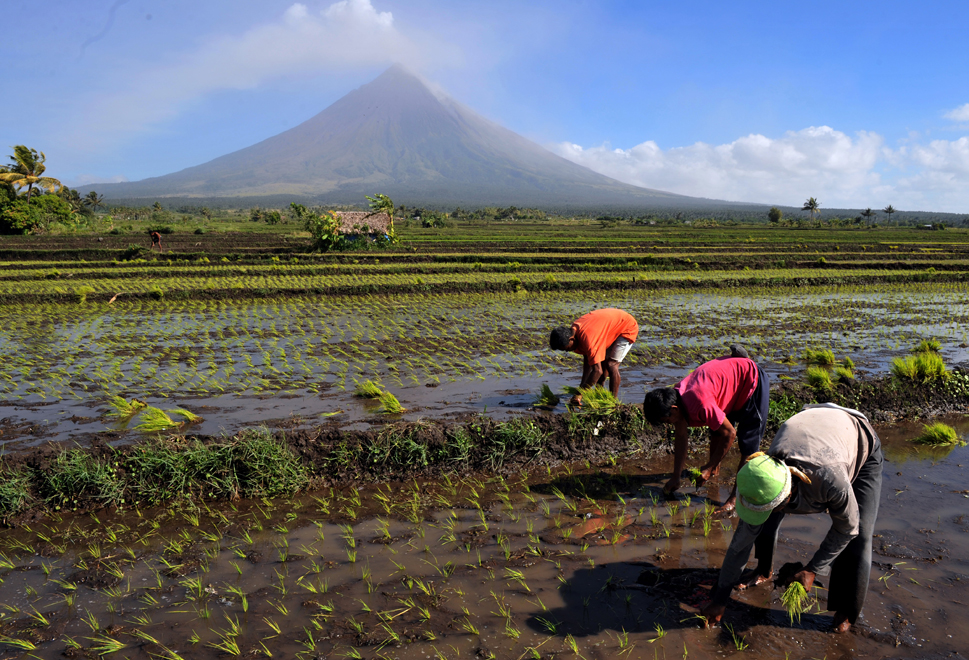
Agustin Morales, the head of the Ministry of Rural Development (Seder), stated that volcanic ash had damaged 95 hectares of various crops in the municipality of Comala, such as avocado, coffee, blackberry, lime, lemon and corn, and had affected 26 producers. He said the damages had been corroborated in an inspection tour made on Tuesday (October 4) by Seder staff, the General Comptroller, and a delegation of the Secretariat of Agriculture, Livestock, Rural Development, Fisheries and Food (SAGARPA) in the communities of La Yerbabuena and La Becerrera. "61 hectares of avocado were affected, 21 of coffee, 3 of blackberry, 3 hectares of lemon and lime, and 7 hectares of corn," the state official said. Additionally, Morales said, they were going to tour some land in the municipality of Cuauhtémoc on Wednesday, where farmers reported the avocado crops had been affected. Volcanic ash contains much sulfur, he said, and the rainwater of those days triggered a chemical reaction that burned the crops and many trees in the area. When asked if the federal government was going to provide economic assistance, after the Ministry of the Interior declared a state of emergency for the municipalities of Comala and Cuauhtémoc because of volcanic activity, he replied that they were exploring that possibility but that they still didn't know if the insurance taken out by the State Government would be available in his particular circumstances. Source - http://www.freshplaza.com

10.10.2016

India - Strong winds hit banana crop

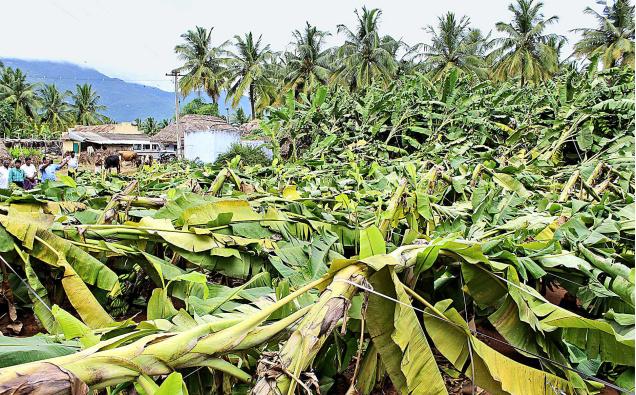
Standing banana crops were partially damaged in several fields in and around Vayalur, in the outskirts of the city, as gusty winds accompanied with mild showers lashed the area on Thursday night. Strong winds resulted in lodging of many banana trees in Vayalur and some neighbouring villages. The nendran variety, which was about six months old, was mainly affected. According to farmers, the trees had slumped in the wind, as the soil was loose and fields had just been irrigated. Irrigation was possible as water had been let in the irrigation canals after a long dry spell. Puliyur A. Nagarajan, president, farmers wing of the Tamil Maanila Congress, said that several trees in many fields in Vayalur, Kuzhumani, Allur and Pettavaithalai areas were damaged. Normally, farmers plant about 1,200 trees in an acre and 60 to 75 per cent of trees in many fields had suffered, he said. Following a request, a couple of scientists from the National Research Centre for Bananas, situated at neighbouring Thayanur, visited the affected fields to advise farmers on suitable remedial measures. The scientists, farmers said, had suggested that the affected trees be provided support with earth and poles. Trees which had slumped partially can be revived but it would be difficult to revive those which had fallen completely as the roots would have snapped. Farmers have also been advised to apply phosphate fertilizers to provide adequate nutrient support to the roots of the trees which had slumped. But farmers said that even if the trees were revived, there would be a loss in yield. Claiming that farmers had spent Rs.1 lakh for raising the crop in an acre, Mr. Nagarajan demanded that the Horticulture Department conduct a survey through the village administrative officers to identify the affected farmers. The government should sanction a compensation of Rs.1 lakh an acre. Alternatively, compensation should be granted for the number of trees affected at Rs.200 a tree, he demanded. However, sources in Horticulture Department maintained that only five per cent of the trees in Vayalur and Somarasampettai areas were uprooted and another 10 per cent had suffered lodging to a certain extent and these could be revived. Nevertheless, a survey would be carried out by the field staff of the department to assess the extent of the damage. Standing crops in other parts of the district, including Pettavaithalai, were not affected, an official said. Source - http://www.freshplaza.com

10.10.2016

Australia - Flood appeal launched for SA vegetable growers

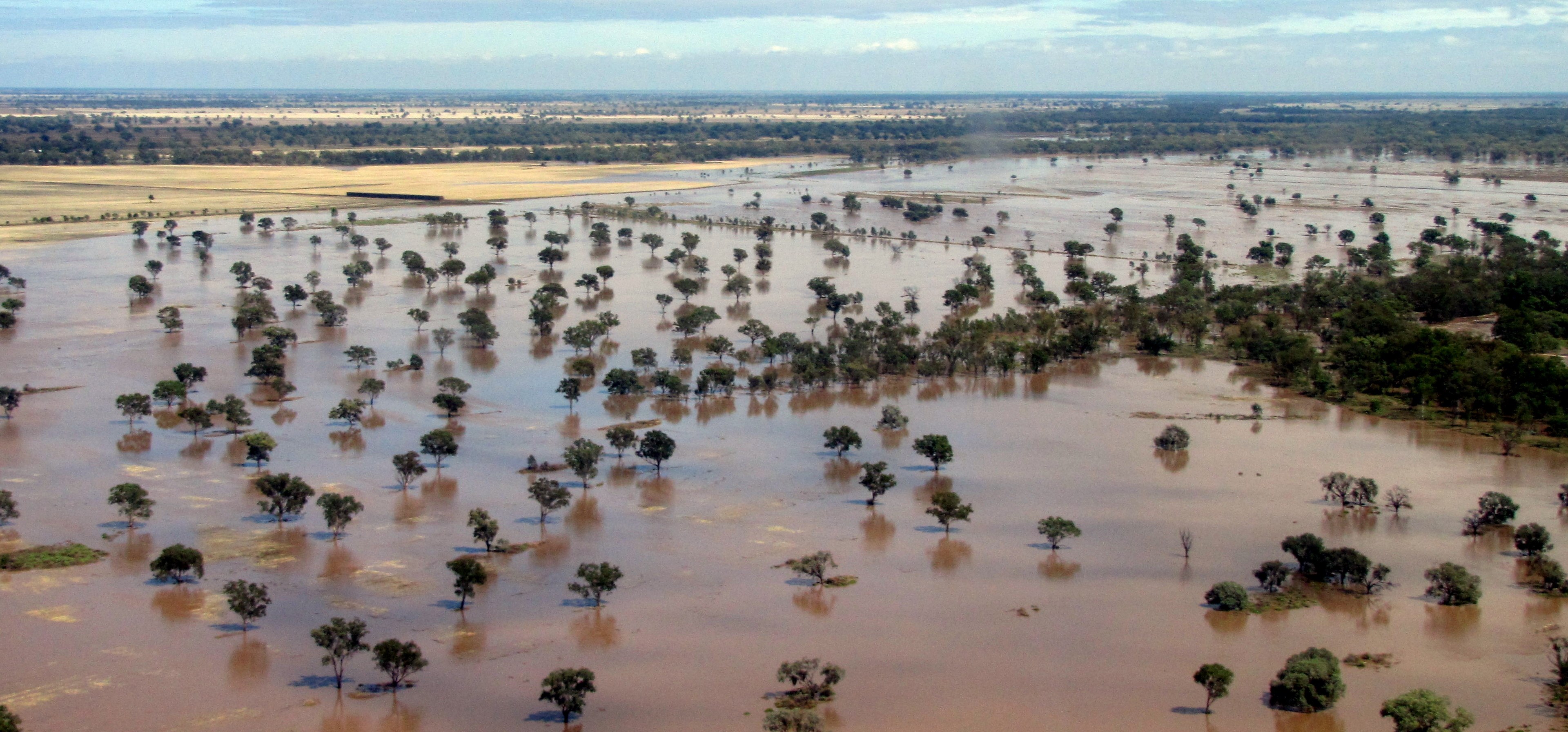
A Flood appeal has been established for vegetable growers on the Adelaide Plains. SA vegetable body, Ausveg SA, and the SA Produce Market, have teamed up to establish the SA Growers Flood Appeal, to rally support for local horticulture growers who have been affected by the recent floods and wild weather that have impacted the state’s horticulture producers. The Appeal has already received over $20,000 for flood-affected growers, with Ausveg SA, the South Australian Produce Market, Ausveg, Visy, Peats Soil and CRT Virginia providing initial support. The initiative also has backing from the Horticultural Coalition of SA. Ausveg SA state manager, Jordan Brooke-Barnett, said the damage bill could have a devastating affect on growers. “It is estimated that losses in Adelaide’s north could be upwards of $50 million as a result of the floods, which have had a devastating impact on the growers in that area,” he said. “We wanted to set up the SA Grower Flood Appeal to give the growers affected by the recent weather, throughout the state, a fighting chance to get back on their feet.” SA Produce Market chief executive officer, Angelo Demasi, said they had joined forces with Ausveg SA to unite industry and community support behind growers. “We are extremely grateful for the donations we have already received to help affected growers, and call on the industry and concerned members of the public to help out local growers by contributing to this fund,” said Mr Brooke-Barnett. The Appeal will fund seedlings, and other startup costs for affected growers, so they can get back on their feet, with funds administered by registered charity, Foodbank. Applications for financial assistance will be assessed by an independent panel of growers and industry members. Source - www.goodfruitandvegetables.com.au/

07.10.2016

India - Having options is the best option for Indian farmers

Agricultural markets in India are undergoing profound changes. Direct benefit transfers, reduction in subsidies, liberalisation and integration are increasing uncertainty and expanding the need for risk-shifting strategies. Options can be a valuable weapon in the farmer’s arsenal in the tactical war for survival. Across the world, the push for adoption comes when agricultural markets shift from government-regulated price stabilisation policies to a free market. A study in South Africa found that after liberalisation, 10 per cent of maize farmers directly participated in derivatives. Younger, less experienced but better educated farmers, especially those with debt and leased land, were the early adopters. In the US, 33 per cent farmers use derivatives. In the more protected EU market, that number is between 3 per cent and 10 per cent. India’s path towards adoption must begin from a realistic understanding of what options can and cannot do. Agricultural markets are inherently unstable. Because demand and supply of crops is fixed in the short run, prices fluctuate widely within a season and from one year to the next. The price volatility in pulses — from record highs to below minimum support price — within a few months shows the high variability in farm incomes. Farmers want protection from this shortterm price risk. The solution is to transfer the risk to someone else while marketing the crop. But the next question for the farmer is one of profitability: how does one transfer risk in a way that doesn’t eat into the margins needed to keep the farm running? Compared to mandis or contract farming, commodity exchanges are the biggest market for finding someone to pass on price risk. Though farmers can use futures contracts for protection against price volatility, they face challenges. Hedging, by nature, limits profits when prices rise. The daily demand for margin money affects farm cash flows. Time and effort are needed for initiating the positions, rolling over and liquidation. Options take away these pain points. Aone-time payment of premium gives the right, but not the obligation, to buy or sell a commodity to another party at a specific price on a specified date. So, for example, a chana farmer should be able to buy a put (right to sell) option in October as insurance against prices going down in March, when the harvest arrives. By paying the relatively small premium, he will insure the minimum price. If the market moves up, the premium he paid for the option will be lost. But he will be able to capitalise on selling chana physically at higher prices. If chana prices are likely to rise, instead of waiting in expectation, the same farmer can sell in the mandi and simultaneously buy a call (right to buy) option to profit from the rise. Options are the next step after crop insurance. Crop insurance only protects farm income against loss of harvest. Options protect farm income from the harvest that is reaped. Except in wheat and rice that have partial protection through government procurement, Indian farmers are buffeted by inefficient physical markets. Therefore, farmer producer companies and cooperatives can be encouraged to use options to manage commercial risk in the production, processing and marketing of agricultural products. Banks can extend credit to purchase price insurance. Food inflation and food subsidy can be stabilised. Through the ability to use options, processors and merchandisers can pay farmers the best prices for their crops and give consumers lower prices for food. Call options — that give the government the right, but not the obligation, to buy, say, pulses when prices rise — will reduce the need for accumulating physical stocks and add transparency by setting clear rules for government intervention. Potential speculators will get a strong signal to desist from hoarding. Formal price risk management is not for the poorest of the poor. The main clients for such insurance will be commercial-oriented farmers. They may have small farms but they are producing a surplus that they market. They get credit and spend money on inputs. These commercial farmers, too, will need educating. They have to understand that when you pay the premium for an option, you want to lose the money. Exactly like when we want to lose the accident insurance premium instead of wanting to collect it. Another issue is the willingness to pay. Put option premiums can be expensive exactly at the times when price insurance is most needed: that is, for longer dated periods and when price volatility is high. Options won’t reduce price volatility, but they can help manage its fallout.

07.10.2016

Greece - Floods cause great damage to organic crops in Epanomi[:ru]Greece: Floods cause great damage to organic crops in Epanomi

Recent floods caused by heavy rains have caused very severe damage to organic growers in Epanomi, Greece. "100% of the late melons and 99% of the tomatoes have been destroyed," as revealed to ANA-MPA by the president of the Union of Organic Farmers of Northern Greece, Chrysoula Skorditi, in a meeting held in Thessaloniki ahead of the 2nd National Conference of Organic Agriculture and Livestock. Moreover, he warned about the phenomenon of salinization affecting the crops in the region and called for measures for the management of water resources. Regarding the general situation of organic farmers, Mr Skorditi stressed the importance of making producers able to market "their products directly, while building trust with consumers." "Especially important is the support of biodiversity through the use of local seeds, and to this end, we call for the full reopening of the National Seed Production Centres," added Mr Skorditi. Source - news.makedonias.gr

07.10.2016

Kenya seeks to shield farmers from adverse weather conditions

The Kenyan government has introduced a crop insurance scheme to cushion farmers from adverse weather conditions, President Uhuru Kenyatta said Wednesday. Kenyatta said the scheme was being tested in Bungoma, Nakuru and Embu counties. “Already a thousand farmers in these counties have benefited from the premium subsidy at a cost of three million U.S. dollars,” Kenyatta said when he opened the Nairobi International Trade Fair. The government has also introduced a livestock insurance, which is being piloted in Turkana, Wajir, Marsabit, Isiolo and Tana River at a cost of 1.52 million dollars, the president added. “The results of the two pilot schemes are encouraging. Ultimately we intend to roll out these schemes to every county in the country,” he said. Experts say drought represents the single greatest cause of livestock mortality in parts of Kenya. Through the Kenya Livestock Insurance Program, the government will purchase drought insurance from private insurance companies on behalf of vulnerable pastoralists. The government has also taken a raft of other measures to ensure food security including the lowering of the cost of farm fertilizer, according to the president. He said his government had distributed more than 912,000 metric tonnes of subsidized fertilizer to 1.5 million farmers and reduced the average cost of fertilizer by half since 2013. He said the government had also commissioned two fertilizer plants in Eldoret and Nakuru respectively that together have a capacity of 500,000 tonnes. The cost of fertilizers will further go down once the two plants are fully operational, he said. Source - http://www.coastweek.com

07.10.2016

Canada - Don’t forget crop insurance quality factors

Crop insurance quality factors are going to be important this year, particularly in Saskatchewan. High fusarium levels in durum, badly downgraded lentils and frost-damaged chickpeas could put producers in a claim position even if their overall yield is higher than their production guarantee. In 2014, Saskatchewan Crop Insurance’s quality factor for durum with more than 10 percent fusarium was .1. It meant that a 40 bushel per acre durum crop designated as salvage account-fusarium was reduced to just four bu. per acre for crop insurance purposes (40 x .1). The quality factors are set each year based on a survey of market prices, which compares the market prices of various grades to the current price for the base grade of the particular grain. In the case of durum, the base grade is No. 2 with 11.5 percent protein. The quality factors aren’t determined and announced until December. A large number of grade separations are deployed to try to be as accurate as possible, but prices vary widely, especially on lower quality product, so this isn’t an exact science. It’s important to note that it isn’t the grade you received that matters if you’ve already sold your grain when your claim is processed — it’s the price. For example, let’s say the market price for the base grade of durum is $6 a bushel. Your durum has high fusarium and you sell it for $3 a bushel. Your quality factor becomes .5, meaning that your yield is cut in half for purposes of determining whether you’re in a claim position. It can often be to a producer’s benefit to hold off on marketing grain until after samples are taken and graded by crop insurance. Your quality factor could end up as a higher number than what the grading specifications would indicate if you clean your grain and manage to upgrade it or if you’re able to do a better than average job of marketing. Markets tend to develop and improve for severely damaged grain as the crop year progresses. There’s no guarantee, but in many cases, if you’re in a claim position, you’ll receive a more lucrative quality factor from crop insurance if it is grading your samples rather than just going by your sales results. You won’t see that advice at saskcropinsurance.com, but the website does have a full explanation of how quality factors work, complete with examples. The site also has lists of quality factors for insured crops from previous crop years. Historic grading factors may be interesting to look at, but grading factors for this year are a work in progress. There’s often little fanfare when they are finally determined each December, but in a year such as this, those numbers will have a large impact on crop insurance payouts. Many producers don’t have a solid grasp of their crop insurance coverage, and this is particularly true as it relates to quality coverage. Like most topics, people often don’t become interested until it matters to them directly. However, if you have significant quality issues on one or more of your crops, remember that quality factors could put you in a claim position even if your yield is higher than your guarantee. Secondly, capture any advantages of superior marketing and/or grain upgrading by not selling your grain before it’s graded by crop insurance. Source - http://www.producer.com

07.10.2016

Nepal - Agricultural insurance plan flops in Midwest

The subsidised farm insurance scheme launched by the government in midwestern Nepal has been a flop with not one policy sold in the last fiscal year. The utter failure has been blamed on the lack of initiative of the concerned authorities to promote the insurance programme which has been designed to protect farmers against crop losses. According to the Regional Agricultural Directorate (RAD), Surkhet, 10 midwestern districts—Dailekh, Jajarkot, Salyan, Pyuthan, Rukum, Rolpa, Kalikot, Mugu, Humla and Dolpa—recorded zero sales of crop insurance policies last year. “The district agricultural offices should take the blame for this, as they are the concerned authorities who should promote the scheme,” said RAD Director Shiva Narayan Chaudhary. “We have already warned the district agricultural offices not to repeat the mistake this fiscal year.” The directorate has also instructed them to mobilise local media to popularise the insurance programme among farmers Non-life insurance companies have been offering various agricultural insurance schemes since the introduction of the Crops, Livestock and Poultry Insurance Directive in January 2013. These schemes can be purchased by paying an annual premium equivalent to 5 to 6 percent of the insurance coverage. The insurer will pay compensation for losses to assets such as crops, poultry, livestock and farmed fish caused by disease or natural disasters. In a bid to promote sales of the insurance schemes that protect farmers against various types of risks, the government has been providing a 75 percent subsidy on the premium for the last three years. The incentive helped non-life insurance companies to insure agricultural assets worth Rs6 billion in the last fiscal year, as against Rs3.2 billion in 2014-15. Although more and more farmers in other parts of the country have started reaping benefits from the subsidised agricultural scheme, many farmers in midwestern Nepal are not aware of this programme. In order to promote the insurance programme, various private non-life insurance companies have expanded their reach to different districts of midwestern Nepal. Also, agricultural development offices have appointed ‘focal persons’ to generate awareness about the benefits of insuring agricultural products. Even then, many farmers are not aware of the programme. “We have farmer groups or agricultural cooperatives in almost every settlement. But we haven’t heard anything about an agricultural insurance programme from agricultural offices or insurance companies,” said Ram Prasad Pandey, a farmer of Seri, Dailekh. “What is the use of a programme that can’t benefit farmers?” Source -  http://bit.ly

07.10.2016

Liberia - Agriculture can help fix climate change

Moroccan Minister of Agriculture and Fisheries, M. Aziz Akhannouch, has called on African countries to invest more in agriculture as he believes the sector has immense potential to address the huge impact of climate change that the continent is currently experiencing. The Intergovernmental Panel on Climate Change (IPCC) states that agriculture is responsible for over a quarter of total global greenhouse gas emissions. Given that agriculture's share in global gross domestic product (GDP) is about 4 percent, these figures suggest that agriculture is highly greenhouse gas intensive. But Akhannouch said innovative agricultural practices and technologies can play a role in climate mitigation and adaptation. The Minister said adaptation and mitigation potential is nowhere more pronounced than in African countries, where agricultural productivity remains low; poverty, vulnerability and food insecurity remain high; and the direct effects of climate change are expected to be especially harsh. Therefore, he said, creating the necessary agricultural technologies and harnessing them to enable African countries adapt their agricultural systems to changing climate will require innovations in policy and institutions. In this context, institutions and policies are important at multiple levels. He noted that his country has been working in this direction for years now. Source - http://www.freshplaza.com

06.10.2016

Africa - Weather technology helps farmers plan for the future

Indigenous people such as Bedouin tribesmen and African farmers have long depended on traditional knowledge to help them coax food from the earth. Now a researcher hopes to meld this with science to create a drought-busting tool. Muthoni Masinde grew up in Kenya and currently works in South Africa as a weather scientist using advanced data-collecting tools to help to predict rain patterns. She is now combining the knowledge acquired through her PhD in computer sciences with the lore of local communities in order to map rainfall. "People have always depended on signs to predict weather and use them as a way of telling when to plant crops or prepare for poor rains," she says. "It can be the appearance of a type of pale frog, or the cattle acting skittish." However, these methods would depend on luck as much as anything else and farmers could end up making wrong decisions. For instance, planting too soon before the rains come could mean the crops die and the farmer is then left with no seeds and no way of replacing them. "Commercial farmers are better able to mitigate risk through crop insurance and bank loans as well as technical advice," Ms Masinde says. "Small-scale farmers have to carry the entire risk when they plant, which is why they need to have accurate information." What is needed is a scientific element to shore up local knowledge so that farmers can make the right decisions. Ms Masinde has devised a system of electronic sensors which can be placed with local communities and used to gather data necessary for computer modelling. The wireless sensors measure humidity and upload the data to a central server for analysis. These sensors are built from off-the-shelf parts and are considerably cheaper than conventional weather stations. This will allow them to be widely distributed. At the same time researchers will gather local knowledge that will also be sent to the central server. The combined information will be used to draw up a picture of the microclimate for participating communities, effectively providing them with their own weather service. The information is returned to the community via a mobile phone service such as SMS. "This is a tool developed specifically for small farmers," says Ms Masinde. "We can’t stop drought but we can help farmers make decisions that will help them prepare for it." Mobile phones are used to spread information since few farmers have computers or internet access, while most own a handset. Messages are simple and non-technical, for example: "There will be adequate rain during the first two weeks of the season; you are advised to plant early to take advantage of this rainfall". The system has been tested in Mozambique, Kenya and South Africa’s KwaZulu-Natal province. Its value goes beyond the commercial, as more than 70 per cent of Africa’s rural people depend on agriculture for subsistence. So successful has it been that Ms Masinde’s work has attracted the attention of the South African Weather Service (SAWS), the largest on the continent. The institution recently approached her and set up a collaborative effort to track weather patterns and work on drought prevention. "The more information and history we have the better we will become at anticipating weather anomalies such as drought," says the SAWS senior manager of research Nhlonipho Nhlabatsi. "The old guys living on a farm know the patterns of their area and this can now be added to our database to help determine the likelihood and timing of rain." SAWS already draws on a network of experts and scientists based at universities around the country. It is one of the most research-intensive organisations in Africa. "Water is a precursor to everything we need – it is essential for food security," Mr Nhlabatsi says. Research is especially important now as the country undergoes a crippling drought. Eight of South Africa’s nine provinces have been declared disaster areas because of the lack of rain. According to SAWS this past year has seen the lowest rainfall since 1904. Only Gauteng, the country’s industrial heartland with little agriculture is not a declared disaster area. However, residents of Johannesburg live with severe water use restrictions and face heavy fines for overuse. Farmers have been resorting to slaughtering cattle as herds starved from lack of grassland feed. South Africa only managed to produce 7.2 million tonnes of maize, down 28 per cent from last year’s 9 million tonnes. The country needs about 11 million tonnes annually, which means it will have to import some 4 million tonnes to feed itself. A study by South Arica’s First National Bank estimates the imports will cost around 22 billion rand (Dh5.88bn). Usually, rain falls in the spring for most of the country, which is the current season in the southern hemisphere. As yet there is little sign of it. Not only is South Africa affected, neighbouring countries such as Zimbabwe, Malawi and Mozambique are also struggling with a lack of water. Recently the UN Food and Agriculture Organisation said about 23 million farmers in southern Africa needed urgent assistance as the drought depletes their resources. While drought cannot be prevented, good planning should soften its effects, Mr Nhlabatsi says. Rather than treating drought as a natural disaster, policy planners should view it as a recurring anomaly and make preparations. Farmers can build up feedstocks and water-saving schemes can be implemented ahead of time to ensure that dams are full. The national treasury can prepare for the expected increased expenditure on imports, Mr Nhlabatsi says. At present, officials and farmers tend to ignore warnings and hope for the best instead of preparing for the worst. "We knew this [drought] was coming," Mr Nhlabatsi says. "What we needed was for people to listen to scientists and prepare." Source - http://www.thenational.ae

06.10.2016

Kenya - Farmers to be cushioned with crop, livestock insurance

President Uhuru Kenyatta on Wednesday said the government has introduced a crop insurance scheme to cushion farmers from adverse weather conditions. Uhuru said the insurance scheme is being tested in Bungoma, Nakuru and Embu counties. “Indeed, a thousand farmers in these counties have already benefitted from the premium subsidy at a cost of Sh300 million,” he said. He said his administration has also introduced livestock insurance, which is being piloted in Turkana, Wajir, Marsabit, Isiolo and Tana River at a cost of Sh152 million. “The results of the two pilot schemes are encouraging; ultimately we intend to roll out these schemes to every county in the country." Uhuru made the announcement when he officially opened this year’s Agricultural Society of Kenya Nairobi International Trade Fair at the Jamhuri Park Showground. To ensure farmers have a regular water supply to increase food crops and livestock production, the President said his administration has brought new more land under irrigation and revitalised older schemes. “My administration has, under the Expanded National Irrigation Program, rehabilitated and expanded national irrigation schemes by 27,000 acres between 2013 and 2015,” he said. He added: “Indeed, in just one of those schemes, at Mwea, we are set to double the area of land under irrigation.” The President said the government has also taken a raft of other measures to ensure food security including lowering the cost of farm inputs. He said his government has distributed 912,920 metric tonnes of subsidized fertiliser to 1.5 million farmers and reduced the average cost of fertiliser by half since 2013. “In 2013, you paid Sh6,000 for a 50 kg bag of fertilizer; today you are paying Sh3,000. That is, without a doubt, a real improvement for you, and for Kenya,” Uhuru said. In addition, Uhuru said the government this year commissioned two fertiliser plants in Eldoret and Nakuru that together have a capacity of 500,000 tonnes. The cost of fertilisers will further go down once the two plants are fully operational with the fertilisers tailored to conditions and requirements of the farmers. As part of the Jubilee Administration’s effort to revitalize coffee production and exports, the President said the Government has allowed a debt waiver of Sh9.5 billion. He said his administration has also developed the Kenya Coffee mark of origin to improve the country’s brand visibility. “Equally, we have abolished the 4 per cent ad valorem levy, and established the Commodities Fund, which has supported 100,000 coffee farmers with a total of Sh2.6 billion,” the President said. To support dairy farming, Uhuru said the Jubilee Government has installed 48 milk coolers nationally for improved milk marketing at a cost of Sh350 million. “To be clear: it is an investment we have undertaken because we recognize the wonderful work that our dairy farmers are doing,” he said. Other measures taken to enhance livestock production include setting up a new Sh400 million artificial insemination station in Kitale and the introduction of oil-based vaccines at a cost of Sh217 million. These are more potent than the water-based vaccines livestock farmers were using in the past. To ensure fully exploitation of Kenya’s marine wealth potential, the President affirmed that his administration has put in place a range of programs to revitalise the blue economy including reflagging an additional fishing vessel in the Indian Ocean. “Equally, we are in the process of procuring an offshore patrol vessel, at a cost of Sh3,715 million, to patrol the exclusive economic zone,” Uhuru said. In addition, the President pointed out that the Fisheries Management and Development Act 2016 has been enacted. The law will strengthen the governing of the fisheries industry and help us to stop illegal and unregulated fishing. “As a country, it is estimated that we have been losing revenue every year to the tune of Sh10 billion,” he noted. He said the government has also restocked Tana River dams, Lake Naivasha and Lake Jipe, leading to an increase of 1,300 metric tonnes of fish caught. Other speakers included Agriculture CS Willy Bett, Nairobi Governor Evans Kidero and Agricultural Society of Kenya National Chairperson Annabella Kiriinya. Source - http://www.the-star.co.ke

06.10.2016

Taiwan suffers repeated damage due to typhoon

Typhoon and heavy rains have severely damaged the whole Taiwanese agricultural industry. The total damage exceeds 1 billion TWD, with some well-known fruit varieties among the victims. It is feared that 75% of the persimmon production has failed and 66% of the Madou white pomelo. Guava took the hardest blow, no less than 87.5% of the harvest may be lost. Naturally, the farmers are completely disheartened. Source - www.taiwan.cn

06.10.2016

USA - Tri-State's peach and apple harvests damaged by bad weather

According to agricultural officials and growers, multiple spring freezes followed by late summer drought and high temperatures, have had a significant impact on the apple and peach harvest across the Tri-State area. Apple production in West Virginia is projected to be 10.2 million pounds less than 2015, while the peach harvest was projected to be 2,900 tons, half the amount of last year, the U.S. Department of Agriculture crop forecasts said. USDA statistics for Maryland and Pennsylvania showed declines as well, although not quite as dramatic. Peaches in Maryland are projected to take the largest hit between the two states, decreasing by about 40 percent from last year. Locally, the peach yield dropped by 50 percent or more, depending on the farm's location and varieties. In West Virginia, Berkeley, Jefferson, Morgan and Hampshire counties account for well over 90 percent of the state's apple and peach production, according to state figures. Greg Butler of B&G Orchards Inc. near Martinsburg reported similar results as a result of the spring freeze. He said the weather impact varied among apple varieties with some, like the state's native Golden Delicious, faring better than Red Delicious. The government reported about six "hard" freezes in April. He said the crops were further harmed by high temperatures and dry conditions in the late summer. The USDA reported in the first half of September that the brown marmorated stink bug — a notable pest for orchardists — was being found in "much greater abundance" in orchards than the same time last year. Several inches of rain that fell over the last few days of September was a welcome sight. It could help late-season varieties like Granny Smith and Fuji apples, but the damage has been done with varieties already off the tree, several farmers said. Lackluster appearance in apples has been identified as a problem by farmers around the region, and Tracey urged consumers to be "a little forgiving" this year in terms of the fruit's appearance. Despite the weather conditions, Butler said they expect their apple crop to be off by 20 to 30 percent, and saw a loss of about 30 percent of the peach crop among their 100 acres of trees. He said they burned round bales of hay, flew helicopters over their orchard and employed other tactics to try to combat the freezing conditions this spring. Although West Virginia ranks relatively high among the states for apple production, Butler said prices for processing apples for applesauce are particularly depressed due to the crop in Washington state, which grows more than all of the other states combined. Source - http://www.freshplaza.com

837
of 1225