NEWS
843
of 1225
News
16.09.2016

India - Government to pay premium on crop insurance

The government has decided to pay the premium amount on crop insurance in a single demand draft on behalf of ryots to help them and insurance companies. A group of ministers met on Thursday to review the scenario of agriculture insurance in Telangana. It was decided that the government consider a village as a unit and pay premium for crop insurance to the insurance company on behalf of ryots. Agriculture minister Pocharam Srinivas Reddy, irrigation minister T Harish Rao and health minister C Laxma Reddy attended the meet. They asked insurance companies to submit details of premium paid for 2014-15 and 2015-16 within two weeks. Ministers also instructed government officials to take steps to procure farm produce from farmers through primary agricultural cooperative societies by paying price profitable for ryots. Source - http://timesofindia.indiatimes.com

16.09.2016

Canada - Corn, soy beans hit by drought; bumper crop of tomatoes

Some corn and soy farmers in our area are facing a thirty percent hit in their pocketbook this harvest. The drought has affected the size of the crop. But for vegetable farmers, a bumper crop of tomatoes that are soaking up the sun. The threat of rain is in the air, but  it's too little, too late for many of the cobs of corn in Tom Black’s fields. “These should be eight inches higher,” he says of his stalks of corn. Black grows field corn and soy on his farm in southwest Ottawa. He pulls off one healthy looking cob, “This is what all the crops should look like this year,” he says, as he puts another cob beside it for comparison.  It is stunted, a third the size and many of the kernels are puckered and withered. Much of his crop is a stunted by the unusually dry, hot summer this year. “We are going to be down, at least in my fields, 25 to 30%,” he says. He is not alone. “I know some people are already writing (their corn) off for insurance and cutting it down for feed, round baling it and chopping it.” The situation is not much better with his soy beans. “There should be nice round beans in there, but they're flat,” Black says, holding up a soy bean. It is a double whammy for farmers; the yield is low and so, too are prices, “2015 was the best year in history I think,” says Black, “and we get spoiled and hope to have that every year.” Vegetable farmer Gerry Rochon has certainly been dealt a better hand this year.  Most vegetables love the heat as long as they are watered. “It’s better than average,” says Rochon, as he scoops up a handful of large, ripe tomatoes, “We've had some crops do very well, other crops better than average so we're happy this year.” What does all this mean for  consumers?  Well, bargains perhaps on some bumper crops like tomatoes.  But prices on soy and corn are generally set by what is happening in the United States, in particular the Corn Belt.  And many farmers in those areas are having an extremely profitable year, keeping prices this side of the border down. For Tom Black, it will be a disappointing year; all part of the gamble of being a farmer, he says. “It’s like las Vegas,” he says, “you pay your money and take your chances.” Source - http://ottawa.ctvnews.ca

16.09.2016

USA - Devastating flood wreaks havoc on corn crop

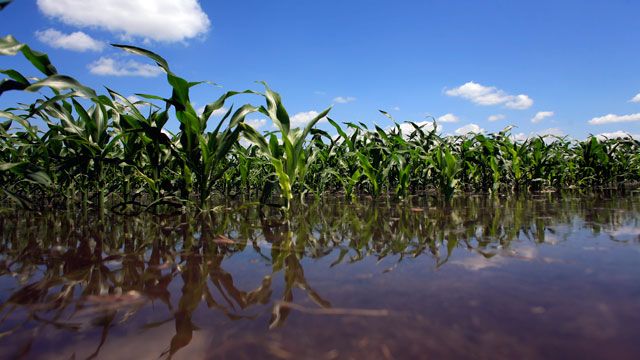
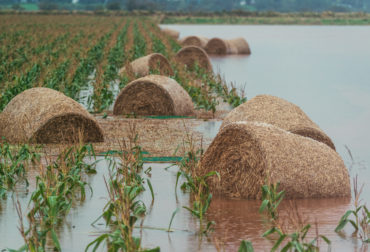
A corn field southwest of Wichita was destroyed by flood waters. "I've seen flood this high or higher," said landowner Roger Lemon near his field outside Viola. "Maybe four or five times during my lifetime but not with this particular type of damage." Lemon says that it rained between 12 and 13 inches during the storms which caused the flooding on Sept. 8 and 9. He says that Highway 42, which dissects his field, creates a dam between the storm run off and the Ninnescah River. "It just totally flattened the corn for quite a little area," Lemon said after floodwater poured from a nearby culvert flooding his field. Some of the corn was snapped in half, other parts were submerged in water. "We were just one week away from harvesting that crop," said farmer Tom Pauly. Pauly farms the ground Lemon owns; the pair share expenses and profits the land makes. "There was quite a bit of damage along the river where the water actually covered the crops," Pauly said. Any of the corn that was underwater but still standing had damage. Pauly found that some of the corn seeds were starting to sprout on the cob and many of the ears of corn were covered in fine dirt and mold. In addition to the corn being damaged, it might not be worth cutting. The fine dirt left by flood waters is abrasive on the machinery that harvests the corn and there is a high risk the floods left debris in the field that if ingested into a combine, would cause damage. "Its going to be hard on the combine ...there are going to be a lot of machines damaged by debris the flood waters deposited," Pauly said. Pauly has insurance on his portion of the field. Lemon is going to be out the damage because he did not have insurance. "We are not insured. I am guessing it is between a 22,000 and 25,000 dollar loss," Lemon said. Source - http://www.kake.com

15.09.2016

Tanzania - Yellow Dragon threatens citrus trees

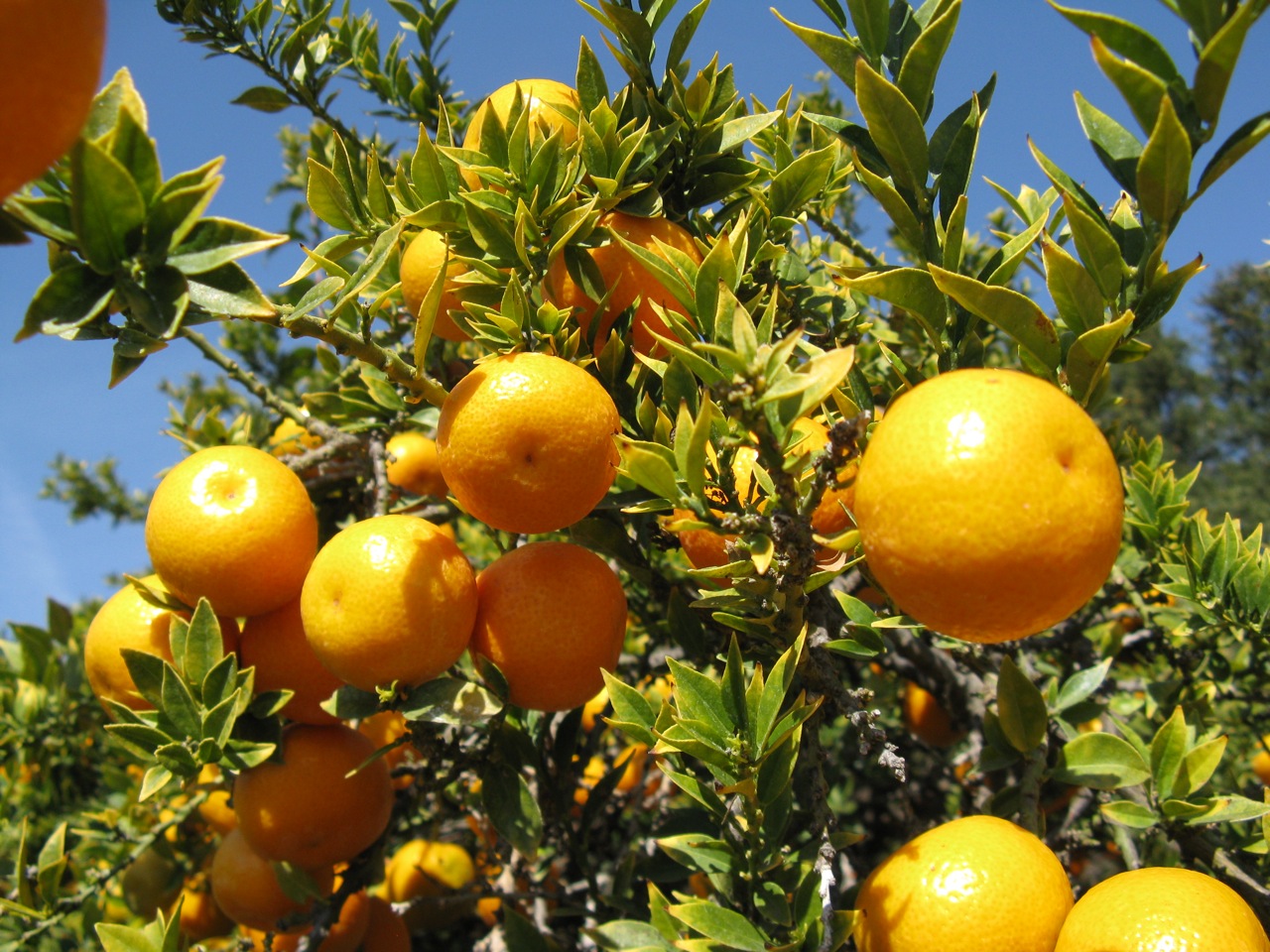
Scientists at the Institute of Agricultural Research in Mikocheni, Tanzania, have called for urgent measures to be taken to fight the Asian Citrus Psyllid. The insect, which attacks citrus fruit trees has already been reported in places including India, South-East Asia, Saudi Arabia, the Arabian Gulf and Madagascar, but was identified for the first time in Tanzania in 2015.  Dr Chris Seguni says that the pest has recently caused severe loss in the United States and in some South American countries such as Brazil. The insect is not yet all over Tanzania, and he believes it can be contained if a plan of action is made quickly.  The Asian Citrus Psyllid is the main carrier of the bacteria responsible for the Yellow Dragon, or Huanglongbing disease, which firstly leads to yellowing then leaves falling off and eventually the tree dies.  Source - http://www.freshplaza.com

15.09.2016

First report of foliar spots on spinach

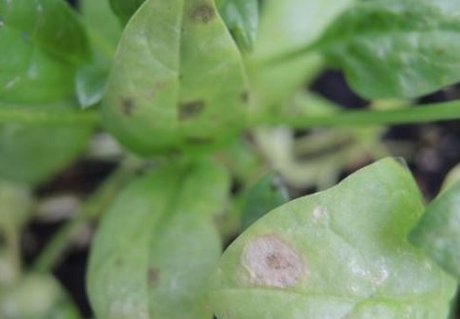
During the spring of 2015, the spinach plants cultivated in different polytunnels in Lombardy presented symptoms of a yet unknown foliar disease. 15 to 20-day-old plants presented small round grey-brownish spots (1-2 mm diameter) and the lesions extended to 30 mm forming concentric rings that covered the entire leaf (Figure 1). Cream to black sporodochia appeared in cases of high humidity (Figure 2). [caption id="" align="aligncenter" width="460"] Figure 1. (Photo by Agroinnova) [/caption] The symptoms affected 5-10% of the plants cultivated in 5 hectares of tunnels. 30 to 60% of the leaves were damaged. Phytopathologists from the Centro di Competenza per l'Innovazione in Campo Agro-ambientale (AGROINNOVA) of the Università degli Studi di Torino isolated a fungus morphologically corresponding to Myrothecium spp. The DNA was later used for a PCR reaction with ITS1/ITS4 primers, thus leading to its identification as M. verrucaria. [caption id="" align="aligncenter" width="460"] Figure 2. (Foto Agroinnova)[/caption] In order to confirm its pathogenicity, Agroinnova's phytopathologists inoculated 15-day-old plants and placed them in a unit at a temperature between 20 and 24°C with a high humidity level. After 7 days, similar spots to those observed in the tunnels appeared on 60-70% of non-inoculated plants. Inoculated plants showed no symptoms. A fungus morphologically identified as Myrothecium was consistently isolated.  Researchers reported that "this is the first report of M. Verrucaria on spinach not only in Italy, but worldwide." At the moment, the disease affects various companies in Lombardy. Losses are still limited, but the disease could spread. It is very important that plants are closely monitored at this stage." It is difficult to understand the origin of the disease, though it can be transmitted through seeds. Its sudden appearance in northern Italy could be due to the increase in temperatures caused by climate change. Specific studies are being carried out to understand the environmental factors that lead this disease. They are being carried out within Emphasis - Effective Management of Pests and Harmful Alien Species – Integrated Solutions, a project started by the European Commission as part of the Horizon 2020 programme.  Source - http://www.freshplaza.com

15.09.2016

Canada - Winter cereal planting expected to continue past crop insurance deadline

The Executive Director of Winter Cereals Canada is hopeful planting of the fall seeded cereal crops will continue past the mid-September deadline for crop insurance. Prolonged wet weather in Manitoba and Saskatchewan has delayed this year’s canola harvest leaving fewer available stubble crop acres for planting fall seeded cereal crops and made planting on the fields that are available difficult. Jake Davidson, the Executive Director of Winter Cereals Canada, says winter cereals are always at the whim of Mother Nature when it comes to planting. As far as winter wheat goes in both Saskatchewan and Manitoba the main magic date for insurance is the 15 of September. Manitoba has a second date about five days later but the reality is that, depending on the season, successful seeding can be done a lot later than September 15 and both Manitoba and Saskatchewan winter cereals groups are funding a large project through our Growing Forward-2 grant to actually research how to extend the seeding period both earlier and later. We’re working at extending those dates because they’re arbitrary calendar dates. They are not related to climate. If the weather’s looking good and we haven’t had too bad a fall, things are still growing out there, put it in the ground. The 15th of September is not a day when, once it’s passed, nothing happens. It’s just a technical date for seeding insurance. ~ Jake Davidson-Winter Cereals Canada Davidson says the challenge right now is getting the major cover crop, canola, harvested and getting the winter cereals planted. He says long time winter cereal producers aren’t particularly hung up on the September 15 planting deadline and he hopes to see the number of acres planted this fall increase from last year. Source - http://www.mysteinbach.ca

15.09.2016

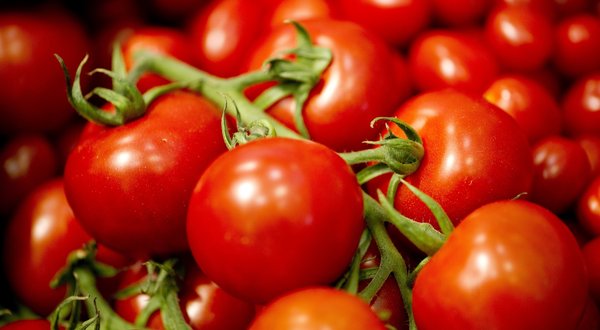
Italy - 60% of tomatoes lost due to rain

A state of emergency was requested for the territories hit by the exceptional bad weather in Puglia and especially in the Foggia area. "All tomato crops have been compromised and the damage is great also for table grapes - respectively 60 and 30% of the produce has been lost," explains Giorgio Mercuri, President of Alleanza delle Cooperative agroalimentari. (Photo: teleradioerre.it) "The tomato crops are the same that were hit by hailstorms last summer, so producers and cooperatives cannot return advance payments to banks. In addition, labourers will have no work." According to Coldiretti Puglia, in the Foggia province, the tomatoes that had yet to be harvested have been destroyed and pre-seeding operations have been compromised. In Galatina, a hailstorm damaged vegetable crops. Cia Puglia reports that 2,300 hectares of tomato crops have been destroyed. The damage amounts to dozens of million Euro. In addition, the rain will probably affect the quality of the produce and could cause mould and diseases. (Photo: teleradioerre.it) In the Bari province, the incessant and heavy rain could be a great problem for table grapes, which could become unsellable. The situation is worrying, but a few days must pass before the damage can be truly assessed. Prof. Giancarlo Colelli from the University of Foggia explains that "it has been raining heavily and for a prolonged period of time. This means water is moving quickly and eroding the soil. Often, when it could not reach the sea, water flooded dozens of hectares. Grape harvesting is blocked in many areas. Of course, bad land preservation contributed to creating this situation. Ostuni, one of the worse hit areas. Source - http://www.freshplaza.com/

15.09.2016

Monsanto Deal Offers Cheap Crop Insurance

Skepticism abounds over Bayer’s acquisition of seed giant Monsanto. That presents an opportunity for shareholders. Monsanto announced Wednesday morning it had agreed to an acquisition by the German conglomerate for $57 billion in cash. That would be a solid outcome for Monsanto shareholders, considering Bayer’s offer rose 5% from its first approach in May. Investors, however, greeted the news with caution. Monsanto shares traded nearly 17% below the offer price on Wednesday morning. Based on the deal’s expected closing date, that is an annualized return of 15% including dividends. Antitrust concerns are the primary cause for trepidation. After all, consolidation in the sector has already taken hold, and regulators will need convincing that this deal won’t further squeeze buyers of seeds. The U.S. Senate Judiciary Committee, for instance, is set to hold a hearing next week to discuss competition in the industry. The need to assuage regulators is reflected by the long closing timeline. Bayer said Wednesday it expects the deal to close by the end of 2017. But investors who are willing to take a risk appear to be well compensated for doing so. For starters, the wide deal spread limits shareholder downside if the deal falls apart. Furthermore, Bayer will owe Monsanto a breakup fee of $2 billion in that scenario. That would cut Monsanto’s net debt significantly and equals 3% of its pre-offer market value after tax. Then too, the future of the seed business, which is cyclical by nature, is likely brighter than the recent past. Analysts expect Monsanto booked $13.3 billion in sales for fiscal 2016, which ended in August. That would be the lowest total since 2011. But analysts expect sales to jump to $15.3 billion by 2019 as crop prices rebound, according to FactSet. Those are solid consolation prizes in the event of a busted merger. And if things go right with the antitrust police, the upside is far better. Monsanto is a risk worth taking. Source - http://www.wsj.com

15.09.2016

Australia - Southern irrigators keen to get back into rice

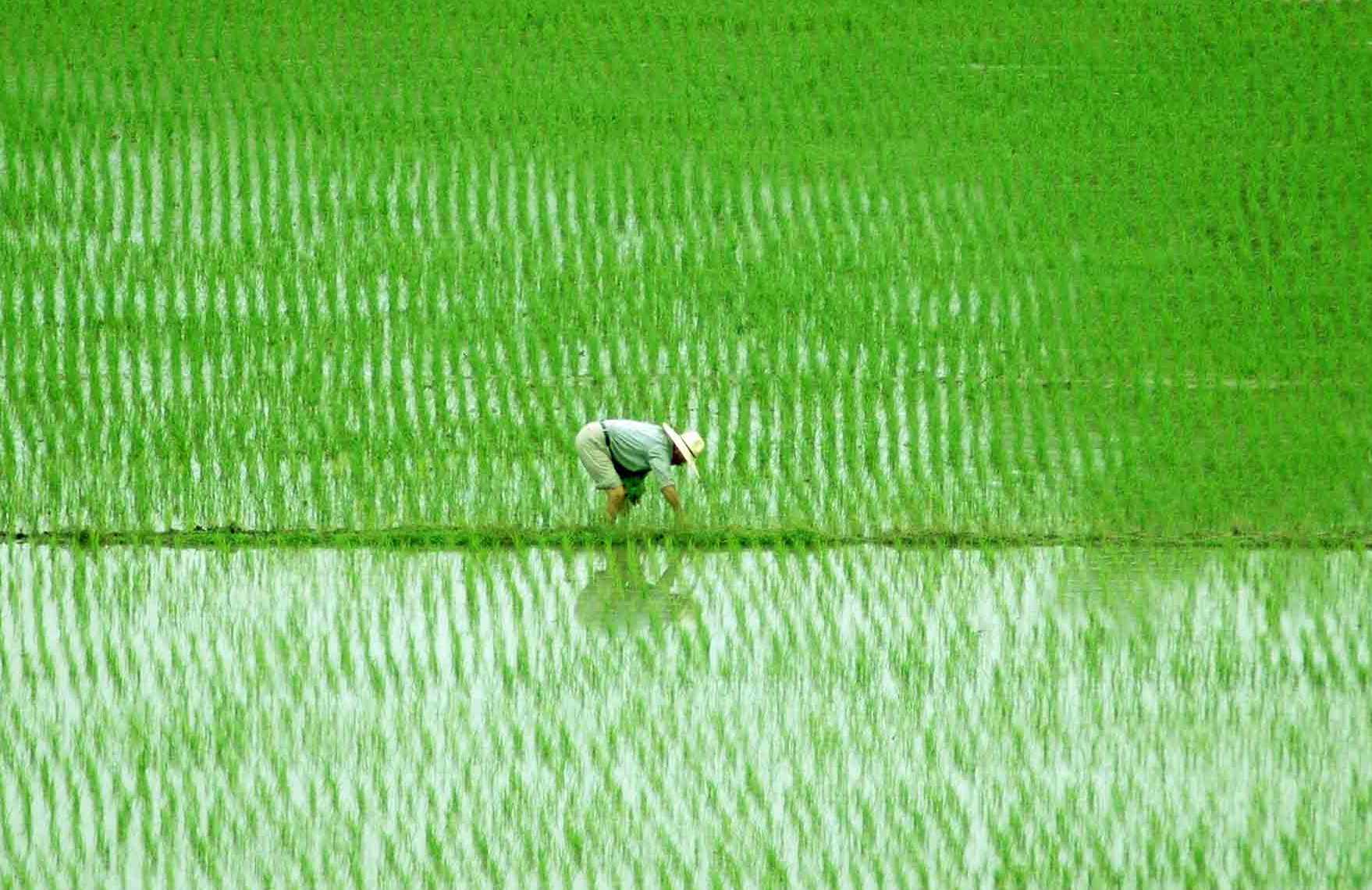
After three summers of dwindling rice production, growers are flocking in droves to pre-sowing advisory meetings in droves as the rain-blessed South West NSW prepares for a 300 per cent jump in planting area. Even the prospect of a potential fall in medium grain rice payments by almost $100 a tonne (about 25 per cent) for the 2016-17 season has not cooled optimism. Most major supply dams including Hume, Burrinjuck, Blowering, Lake Victoria and Dartmouth are spilling or near full, water allocation prospects for irrigators are rising and water trade prices are down around $110 a megalitre - about half the cost of a year ago. “Everybody’s looking forward to getting back into growing a decent crop again,” said Rice Growers Association of Australia (RGA) president, Jeremy Morton at Moulamein, whose organisation represents about 800 rice farming families. “There won’t be too many who don’t grow rice this year - it will be a significant increase in planting areas. “Pre-sowing meetings in the past week have recorded the biggest attendance numbers seen in years.” Mr Morton, who intends to plant about 200 hectares after growing no rice on his Murray Valley mixed sheep, beef and grain property “Riversley”, said unlike last year few farmers in his valley needed to tap into any of their water allocations to irrigate winter crops this year, leaving plenty of headroom for summer crop water use. At current market values, buying water would cost about $1200 a hectare less than 2015-16 year, making rice much more competitive against other southern crops competing for allocations, including the expanding nut and cotton sector. Last season many growers sold their limited water allocations to cotton irrigators, leaving SunRice to process just 244,000 tonnes - down from 690,000t in 2015 and 830,000t for 2014. This summer’s crop yields are tipped to rebound to yield around 800,000t from a forecast 80,000ha planting. Although increasing global rice stocks and a 34pc lift in medium grain plantings in California to 206,000ha were undermining rice markets, Mr Morton said rice was still a key factor in most farms’ enterprise mix, representing about 50pc of his own income in an average year. Apart from lower water costs this season, the crop rotation advantages of rice and the benefits of a damp soil profile when follow-up winter crops were sown on time meant irrigated rice margins were worth more than the face value of the rice market. The long timespan over which the pooled 2017 harvest would be sold was also likely to be an advantage because global commodity markets may be rising again in a year’s time. Source - http://www.farmweekly.com.au

14.09.2016

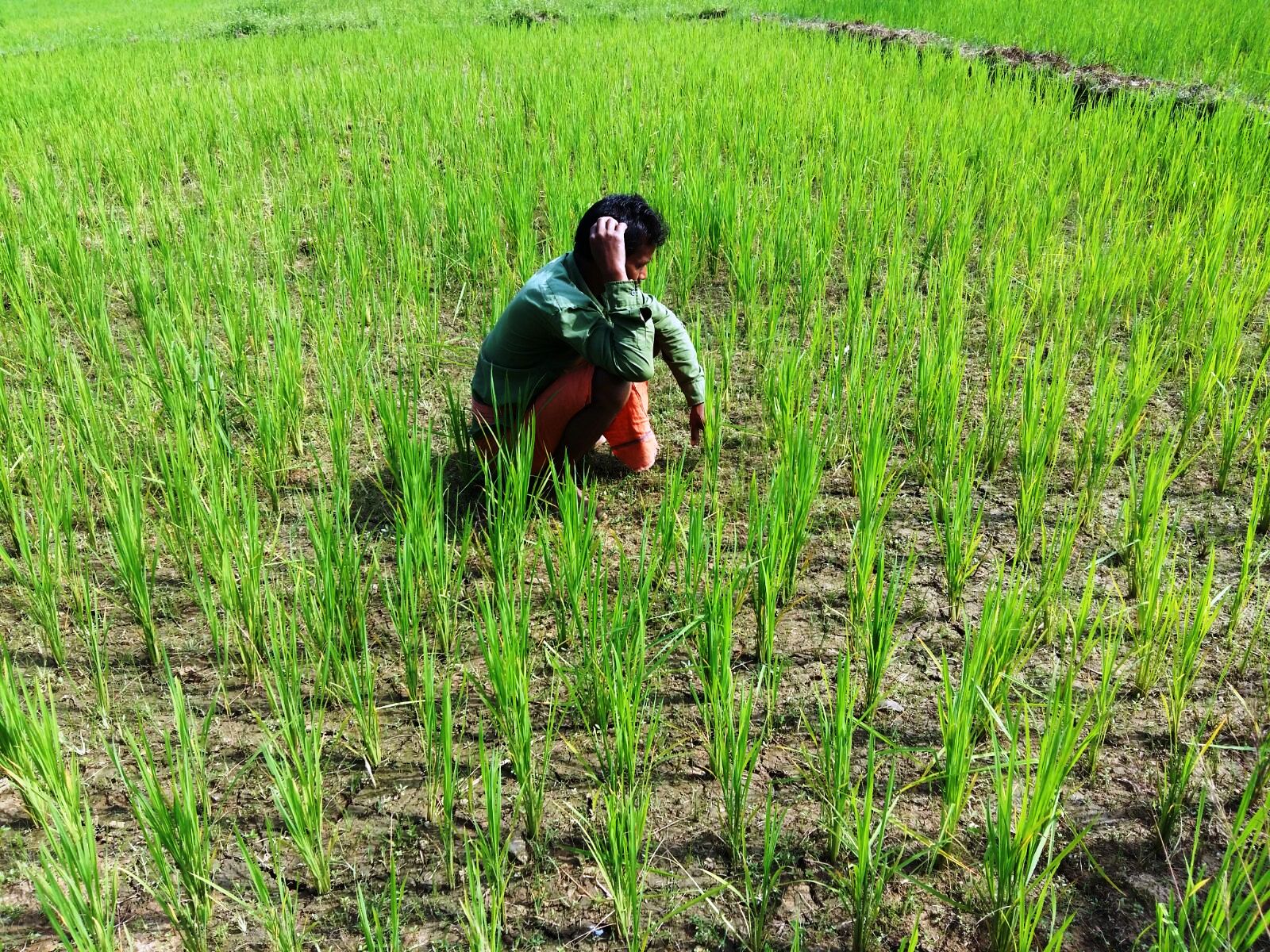
India - Farmer receives Rs 7.38 for crop loss

A farmer in a Chhattisgarh village has received a shocking Rs 7.38 as compensation for crop loss in his two-acre land last kharif season. Hariram Jadu, resident of Sasaholi village under Tilda block in Raipur district, said, “I had grown paddy in 3.15-acre land last kharif season, spending Rs 10 lakh. But, moisture stress destroyed the entire crop. Then I spent Rs 50,000 to grow paddy in 1.15 acres, which I insured,” he said. But that crop failed as well and he received Rs 7.38 in compensation. Several farmers have received equally ridiculous compensations ranging from Rs 62 to Rs 840 under the National Agricultre Insurance Scheme. Source - http://www.asianage.com

14.09.2016

India - Crop compensation demanded

With groundnut crop in 12 lakh acre reportedly affected due to drought conditions in the district, the Rayalaseema Abhivruddhi Vedika has demanded that a crop compensation of Rs 15,000 to be paid for every acre to farmers. The convenor of the Vedika, M Geyanand, MLC, alleged that the district authorities were not giving a clear picture about the extent of crop loss so that they could avoid paying compensation to affected farmers. Source - http://timesofindia.indiatimes.com  

14.09.2016

Philippines - Gov’t sets out solution to cocolisap infestation in Basilan

The government will undertake quick and long-term solutions to cocolisap infestation, that is now destroying the Php 2.2-billion coconut industry of Basilan island province. Agriculture Secretary Manny Piñol said a three-pronged solution to the infestation of insects had been agreed during the consultation-dialogue with farmer-leaders and local officials at the Basilan State College. Piñol noted that livelihood projects would immediately be provided to the farmers whose farms were destroyed by cocolisap. He said this would include rice, corn and vegetable seeds, livestock dispersal and grant of tractors to the different farmers’ groups. “In addition to the farming support, I also pledged to provide poor fisherfolk families with 1,000 units of fiberglass fishing boats complete with engines, nets and hook and lines,” he said. Piñol also committed the establishment of ice-making facilities in fishing towns in the province and the creation of a cold storage facility. He said the Philippine Crop Insurance Corp. was also instructed to cover with insurance the farmers of the province so that they would be able to recover from the devastation of the cocolisap. Loans through the Agricultural Credit and Policy Council would also be granted while scholarships for children of poor farmers and fishermen were offered in the Basilan State College, he added. Piñol said the medium-term solution involved the treatment of coconut trees already attacked by cocolisap, and the protection of coconut trees which have not been affected. He added the country would also establish strict quarantine measures to prevent the spread of the infestation. Further, the agriculture chief said the long-term solution includes replanting of new varieties of coconut trees in areas which have been totally devastated. He added secondary crops under the coconuts like abaca, coffee and cacao would also be introduced. President Rodrigo Duterte has ordered Piñol to help address the cocolisap infestation which destroys about three million coconut trees in Basilan. Source - www.mb.com.ph

14.09.2016

USA - Ag losses from March, August floods total $367M

Agriculture losses from the March and August floods totaled almost $367 million, according to an analysis by the LSU AgCenter, threatening the future of some of Louisiana's farmers. "It could be a knockout punch to a lot of people," said Caddo Parish rancher Marty Wooldridge, who had 2,000 acres of pastures flooded in March and again in May. "What's even worse is cattle prices are half what they were last year, and I think it's a similar story for other commodities." Acadiana farmer Richard Fontenot agreed. "Unfortunately, it's going to put some producers in dire straits," said Fontenot, who farms rice and soybeans in Ville Platte. Some of Fontenot's fields were submerged for a week in August. "It's a serious situation that's going to grow worse if we can't get some help." Fifth District Congressman Ralph Abraham said he plans to use the LSU AgCenter estimates to justify adding $400 million in agriculture specific aid to a $2.8 billion relief package the delegation and Gov. John Bel Edwards are seeking to push through Congress this week. Abraham, R-Alto, sits on the House Agriculture Committee. "We want to do it in one swipe if possible, but if that falls through I'm going to file a separate bill for the agriculture damage," Abraham said. "It's worse than we expected and the losses in agriculture will continue to rise. "When you see flooding in residential areas like Baton Rouge it's easy to see the devastation with carpet and drywall lining the streets. But we don't have that same optic with agriculture, even though it's just as devastating." Edwards and Louisiana Agriculture Commissioner Mike Strain are returning to Washington Wednesday to lobby lawmakers for help. "We're going  to try to get (ag relief) rolled into the package and ride it through together," Strain said. "The losses are so great a lot of our land could go fallow if we don't get some help." Most of the damage, $277 million, occurred during the August flood in southern Louisiana, when crops were ready to harvest and most vulnerable, but northern Louisiana producers lost about $90 million during the March flood. "In the Delta the spring floods caused quite a bit of replanting corn, which was expensive, and then pushed planting dates back," said Richland Parish farmer Dustin Morris, who is also Abraham's son-in-law. "That in tern affects yields. I would think we will generally see a 10 to 20 percent yield reduction (in northeastern Louisiana) across all crops." Soybeans and rice took the biggest hits in the August flood at $69 million each in losses, followed by corn at $44 million and cotton at $27 million. "I think we'll see losses of $350 to $400 per acre in (Acadiana) in quality and yield," Fontenot said. But there were significant losses in virtually every crop, as well as livestock. "We probably dealt with 10,000 head of cattle throughout the state that had to be relocated and thousands that were lost," said Wooldridge, who spearheaded the Louisiana Farm Bureau Federation's Hay Clearinghouse Program to deliver hay where needed. "We have distributed and placed about 5,000 square and round bales combined for both disasters." Other loss estimates from the LSU AgCenter from the August flood include: grain sorghum, $2.4 million; sweet potatoes, $6.6 million; sugarcane, $2.7 million; livestock, $4.3 million; hay, $8.2 million; fruits and vegetables, $3.4 million; ornamental horticulture, $1.4 million; and honey, $479,000. Return to USA Today Network of Louisiana throughout the day for updates on this story. Source - http://www.thenewsstar.com

14.09.2016

EU subsidies useful, but not essential

According to German grower Florian Amberger, EU subsidies are useful but not essential, even after a poor potato season on his Rhineland farm. As a grower of high-value crops, he says farm subsidies do not have a big effect on his farming even after wet weather in June hit the harvesting and yields of his early potato crop. He farms in the middle Rhine valley, 60 miles south of Frankfurt, in an area of intensive vegetable growing which relies heavily on irrigation. “If there were no subsidies, we would not be that much worse off. Subsidies are not really necessary in this region,” he tells Farmers Weekly. He argues that his high-value crops, such as early potatoes can produce an output worth €20,000/ha (£16,900/ha) compared with an EU subsidy of about €200/ha (£169/ha). “If my potatoes are making €20,000, I should not be farming if I can not work without subsidies,” he adds. This comes after a tough season for his 60ha of potatoes which suffered from cold temperatures in February and March following planting. “Yields decreased and soil conditions were bad, so it took a whole day to fill a 26t truck with potatoes whereas normally it takes four hours,” he says. In addition, the late season in Germany forced many retailers to buy more from Spain, Egypt and Greece and, with plenty of spuds, the price fell from about €50/100kg (£42/100kg) at the start of the season to below €40 (£34). He grows a range of crops including spuds, sugar beet, lettuce, cabbage and peas. Mr Amberger has been expanding his farming operation over the past four years from 70ha, despite high rents which average between €500/ha-€800/ha (£423/ha-£677/ha) with some land renting for as much as €2,500/ha (£2,116/ha). Source - http://www.freshplaza.com

13.09.2016

USA - Dairy Farmers Need to Study Risk Management Options for 2017

Dairy farmers are experiencing another cyclic downturn in prices, and this usually brings another look at what tools farmers could use to absorb some of the risk in price volatility. Dairy farmers face a unique situation in the market. Milk is produced 365 days per year, has limited storability and must be kept at low temperatures. Farmers can’t stockpile their product in hopes of higher prices. Milk is also unique in the complicated marketing rules in place to protect the farmer as well as ensure a safe product for consumers. There are only a few games in town to protect prices: the Margin Protection Program, Livestock Gross Margin, forward pricing through a cooperative or forward pricing on your own through the Chicago Merchantile Exchange. Another option is self-insuring by not participating in any market program. Farmers who do not take any insurance programs are nearly guaranteed to get the average milk price for the year, assuming fairly constant milk production. By taking part in any insurance program, the farm is incurring additional costs, which guarantees they will not get the average milk price for the year. This may seem to be the smart move, but what if milk prices drop to the point where insurance programs kick in? One insight that came out of the effort to pass the current Farm Bill is Congress’ reluctance to provide agriculture with handouts just for producing. Crop insurance requires involvement on the part of producers — if you want more coverage, you pay more of the costs. However, crop insurance is accepted by crop farmers and is part of the requirements set by lenders when loaning operating funds. Smaller scale dairy producers, on the other hand, are for the first time experiencing a crop insurance type of program in MPP. Congress does not seem to be interested in these programs anymore, so there is little chance the current Farm Bill’s dairy program will be changed. That leaves smaller scale producers, those producing less than 4 million pounds a year, with two practical options for managing price risk — MPP or doing nothing. MPP takes into account changing feed prices by basing coverage on the estimated returns over feed costs. There are valid complaints that the MPP does not reflect true feed costs in the Northeast. Generally a grain-deficit area, the Northeast pays extra transportation costs by importing corn and soy meal from the Midwest. Now it’s decision time. Dairy farmers have to choose a level of coverage for 2017. What do we know now that we didn’t know last year? First, few were predicting Class III milk prices would drop below $13 as they did in May, which lowered the estimated return over feed costs to $5.76 and triggered an MPP insurance payment to those farmers whose coverage was above $5.50. The predictions for 2017, according to the MPP decision tool, show expected prices at $9.73 to $10.29, well above the highest insurable level of $8 per hundredweight. This is the expected price based on predicted feed and milk prices. At this time, there is only a 10 to 15 percent chance that return over feed costs will drop below $8 and only a 1 to 2 percent chance that it will drop below $6.50. These probabilities do not encourage participation in the MPP program for 2017, but last year we saw similar projections before milk prices dropped below what had been projected. If not for concurrent falling feed prices, we would have seen lower returns over feed costs this year. Coverage in 2017 will range from $100 at $4 coverage to $17,799 at the $8 coverage level. The expected returns are negative for all levels at $5.50 or below, with some positive returns at the $8, $7.50 and $6.50 coverage levels. But would you be willing to spend $17,799 for the $8 coverage level with only a 10 to 15 percent chance the expected price will drop below $8? Under the extended deadline, Dairy farmers have until Dec. 16 to sign up at their Farm Service Agency office for the 2017 MPP program. As you consider the options, think about what could happen next year. Milk prices could go up due to booming exports with returns over feed costs ballooning to levels we only dream about. Or surging production in Europe and New Zealand could drive U.S. exports down and collapse prices. Mix in a dry year in the Midwest, and we could see surging corn and soybean prices. Which outcome is most probable? Which outcomes should be insured against? These are decisions the dairy farmer needs to make. Source - http://www.proag.com

13.09.2016

USA - Farmer Takes Financial Hit After Crops Destroyed By Tornado

Multiple acres of corn and soy bean fields in the path of the tornado near Homer were destroyed Friday. One farmer in Homer is looking at a $90,000 loss in this year's harvest. Mike Hastings said it took all summer for his crops to grow and now, two weeks before harvest, nearly 65 acres of crops are gone. Hastings tells Fox Illinois this is a gross loss of about $60,000. With a $28,000 put in for man power and machinery, he’s looking at a grand total loss of $90,000. Hastings said it’s a tough time for him and his family. "Next morning I went down and took a look, expecting to see some damage, but I had no idea how much it was going to be,” Hastings said. “You know, it’s disheartening to see the loss of crop and what a good harvest it was going to be… But there's always that risk." Hastings said now they will focus on cleaning up the debris that's scattered across the fields. He said the damaged crops are no longer harvestable. Hastings is hoping his insurance will be able to cover some damage, but as of right now, he said it’s not looking to be in his favor. Source - http://foxillinois.com

843
of 1225