NEWS
847
of 1225
News
22.07.2016

Rwanda - US$25 million plan to help fill in agriculture yield gaps for 360,000 farmers

The Afministry of agriculture and animal resources has said a five year business plan to benefit 360,000 farmers with an estimated budget of $25m, presented by the Alliance for a Green Revolution in rica (AGRA), will help to fill in agricultural yield gaps and boost the agricultural growth rate from 5.8% per year to 8.5%. Tony Nsanganira, the State Minister for agriculture in Minagri, made the announcement at a consultative meeting to refine the plan for 2016-2020. "We need modernization to move from subsistence agriculture to commercial activity, to increase incomes in rural areas and reduce poverty, and this plan will help achieve this. We have to make sure there is no duplication of efforts and enhance coordination. We must tap into existing gaps by looking at what we achieved and the way forward. This plan is part of a new policy we are developing", Nsanganira said. The agricultural sector contributes to over 33%, or an estimated $4,377m, of Rwanda's GDP, while employing over 4.95 million of people. Approximately 10.2% of the national budget goes into the sector. However, despite the progress yields of major crops remain below potential with yield gaps of 76% in Irish potatoes, 72% in beans, 61% in maize, 64% in cassava and 36% in rice due to limited use of mechanization and modern agricultural practices. According to Emime Ndihokubwayo, the representative of AGRA in Rwanda, the solution lies in strengthening the private sector's role in providing enhanced agricultural inputs such as better seeds and fertilizers, innovative finance, modern agronomic practices, improvement of post-harvest handling technology, linkage to markets, and others. "We had previously invested $11.5m with 22 grants in Rwanda for different activities such as seeds, agro-dealership development, fertilizers, land issues, access to market and others. From this year we are investing $6.5m in the agriculture inputs sector, and $10.5m in private-public partnerships in value chain development", she said. Ndihokubwayo added that another $2.2m will be invested in enhancing access to markets by reducing post-harvest losses through storage facilities, $3.1m in financial access and inclusion by helping in designing financial products including insurance products, as well as $1.3m to support the government in attracting private investment. The AGRA plan estimates that losses during and after harvesting amount to 25-30% of all crops produced, and by facilitating post-harvest management opportunities and access to markets, it hopes to close yield gaps for 500,000 farmers and ensure 50 % sell through structured markets by 2020. Source - allafrica.com
21.07.2016

Dominican Republic - Citrus shortage due to greening disease

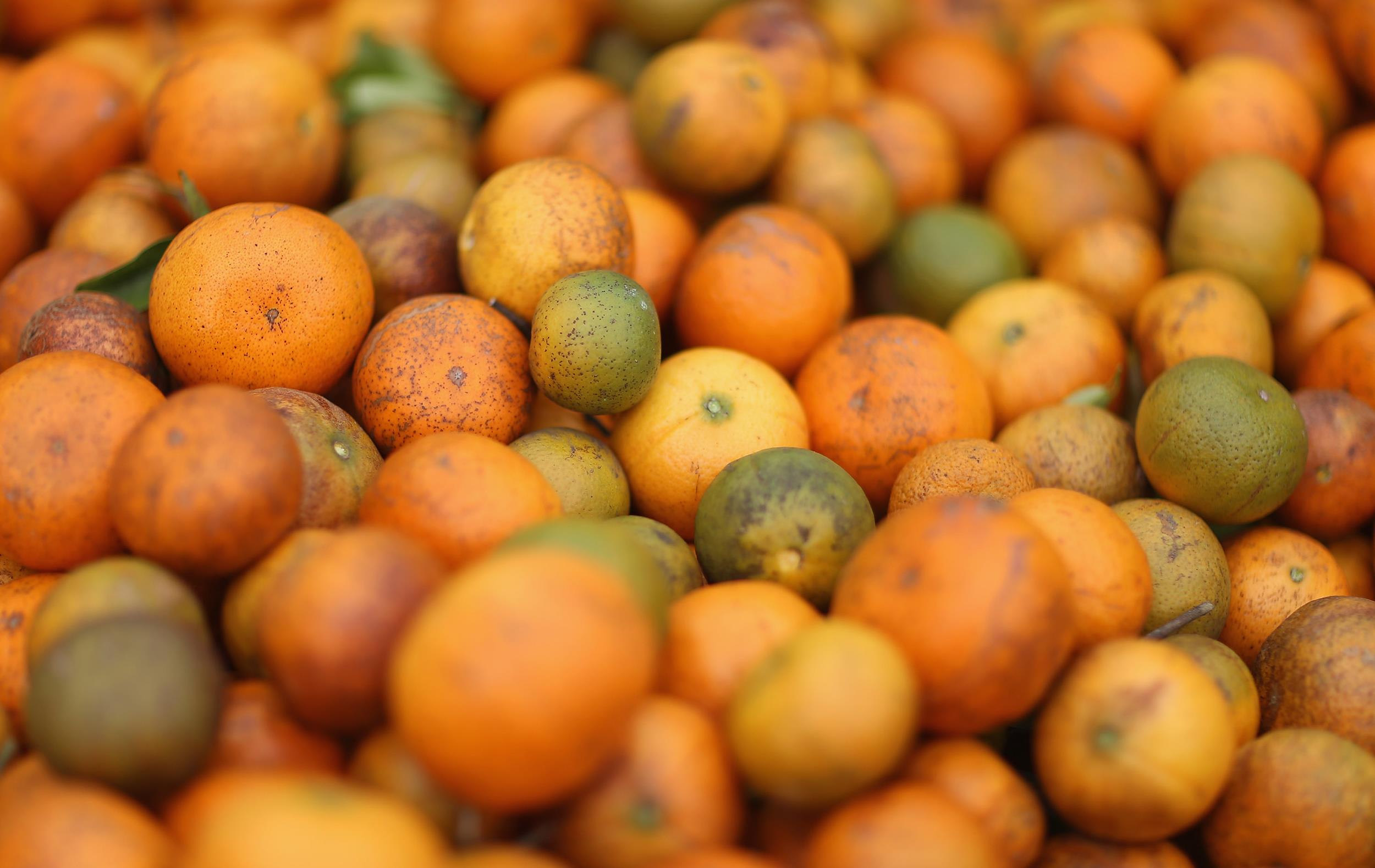
Citrus production, mainly of orange and grapefruit, has virtually disappeared in the domestic market due to the fierce attack of the Greening or Huanglongbing (HLB) disease, which has destroyed millions of citrus trees around the world. The disease was first reported in 2008 in Puerto Plata, but specialists in the field say that it arrived before (in 2000 or 2001). The HLB disease spread throughout the whole country, attacking oranges, grapefruit, mandarins, sour lime, and sour orange crops, which have proved stronger. Thousands of fresh orange and orange for juice, mandarin, grapefruit, and lime crops have been devastated in different parts of the country, such as in the Barcelo family citrus production estate, located in Hato Mayor, in the east. In these farms production has been reduced to a minimum because of the HLB. According to producers and technicians, the disease is still difficult to control, especially in a country where many people have diseased plants in their backyards and where there are many others in abandoned plots. Some companies with large citrus plantations imported new technologies and healthy materials to produce the plants in closed nurseries to prevent the plants from getting sick; a project that was unsuccessful and virtually abandoned. Following the explosion of the disease, the Ministry of Agriculture created a multidisciplinary committee, which includes the Dominican Institute of Agricultural and Forestry Research (Idiaf), the Center for Agricultural and Forestry Development (Cedaf), nurseries, and associated producers. The private agricultural business sector, which is interested in solving the problem, donated equipment for the diagnosis of systemic diseases and resources for operational expenses amounting to $150,000 dollars to the Idiaf. The purpose of this proposal was to establish the technology platform for the production of certified buds of different citrus varieties free of HLB and major systemic diseases affecting citrus, through a program to certify buds from a sanitized genebank. However, technicians have stated that everything has been performed so slowly that it's been impossible to implement an effective technology package against the HLB, a disease that has destroyed more than 100 million trees in the world. Source - www.freshplaza.com

21.07.2016

Flash storm Italian area damages melons, tomatoes

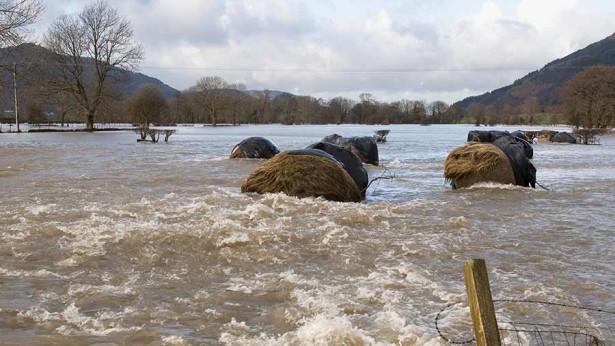
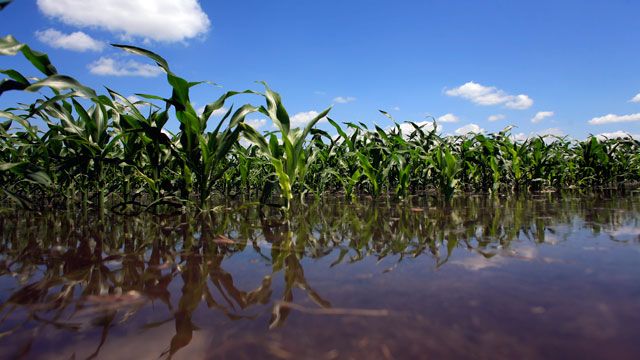
Summer was interrupted by bad weather in central-southern Italy. Last weekend, temperatures have been exceptionally low, 10°C below the period average. With the drop in temperatures, a Flash Storm brought the snow back on the Abruzzo mountains (Gran Sasson and even Altopiano delle Rocche). Strong rain hit the Bari area, especially along the coast and in the Bisceglie, Giovinazzo, Molfetta, Ruvo di Puglia and Terlizzi area. Between 50 and 60 mm of rain fell in just a few hours, causing many problems. Flooded melon fields Farm owner Michele Manicone explains that "our 3 hectare melon field was completely flooded (see photo above) and other crops were also partly damaged. Other sandy areas along the coast were spared. The rain started on the 15th and continued throughout 16th July. Other farms reported a lot of damage. My neighbour had just planted around four hectares of tomatoes and his fields are still under half a metre of water." Michele is hoping the state of natural disaster will be declared. "I would like to stress the fact that the problems have not been caused by the rain but rather by the poor management of the drainage canal, which has not been cleaned in 10 years. €200 thousand had been destined to the reparation of its margins a couple of years ago, but nothing happened." Flooded crops Manicone has been operating on open fields for four years and sells its products on the fresh market. "We produce melons, watermelons, tomatoes, peppers and aubergines. We also have a shop in Lido del Sole. We also produce Camone and chocolate-coloured tomatoes for direct sales." The company was also testing new tomato varieties. "We had planted around 10,000 plants, which were ready for harvesting, but everything has been destroyed." Coldiretti: €14 billion damage in 10 years This weather is due to climate change. We are passing from periods of draught to floods and intense rainfall with hailstorms. Over the past few years, Italian agriculture had to endure €14 billion worth of damage. Source - www.freshplaza.com

21.07.2016

USA - Hail destroys crops, delays wheat harvest

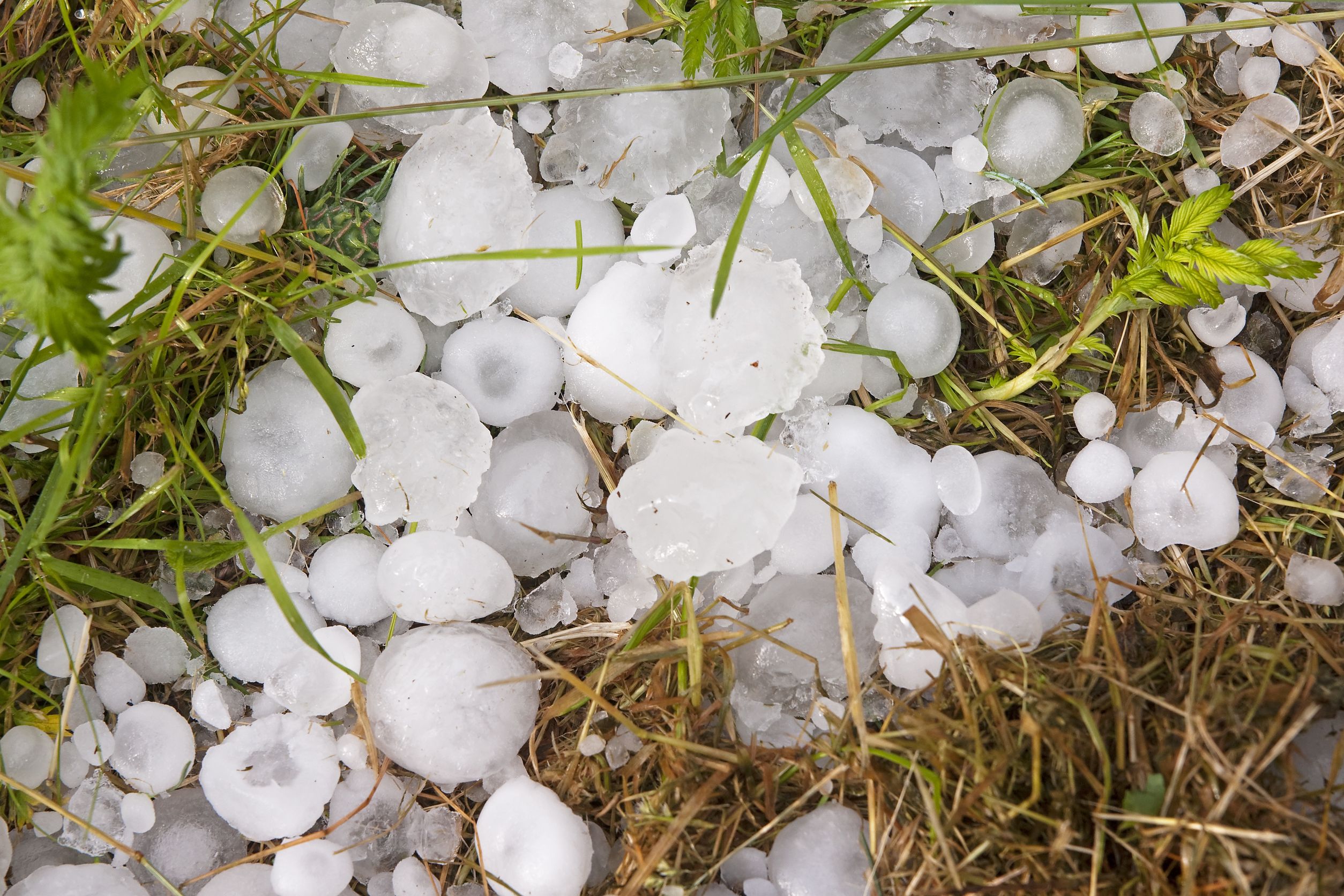
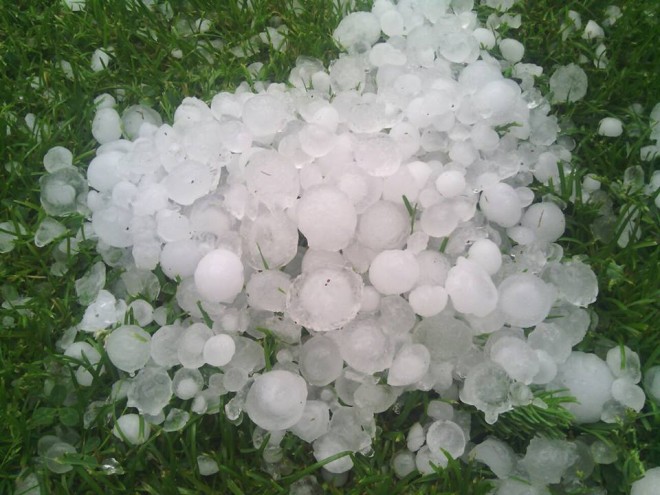
A hailstorm Sunday left some area farmers with 100 percent crop losses, others unscathed. "In the Egbert area and south, it's 100 percent crop loss," Derek Walls with Frenchman Valley CoOp said, adding, "That was wheat ready to be cut. It's rough for a lot of people. They just were getting ready to take their combines out." Walls said along with wheat crops, corn growing in the area was a complete loss. Monetary losses have not yet been assessed. Some farmers suffered little or no damage to their crops. But farmers just down the road didn't have the same luck. During the afternoon hours of Sunday, July 17, the National Weather Service declared a severe thunderstorm warning for southeastern Laramie County. Residents in Pine Bluffs heard from their friends in Burns that the hail was at least the size of golfballs. Although Pine Bluffs experienced pea-sized hail, it was spared the large hail reported elsewhere. NWS Meteorologist Becca Mazur said the supercell originated in the Horse Creek area between Cheyenne and Laramie before taking a southeast turn. "We had reports of anywhere from golfball to baseball-sized hail," Mazur said. Mazur explained the storm is typical for this time of year. She added that in summer supercells, the weather can vary greatly over just a few miles. The storm, while large, had a narrow hail swath, Mazur said. That narrow swath is what left some farmers unscathed, while others experienced 100 percent crop losses. Matt Hockersmith, who farms just south of Pine Bluffs, said he remembers hearing the reports and watching the storm close in. He said he didn't lose any crops, but others weren't so lucky. His neighbors's car had its windshields shattered. Just nearby, there were reports of injured livestock and antelope that were killed by the storm. But that's the nature of farming. "You're just sitting out here looking at a beautiful cornfield thinking, 'Will this still be here in five minutes?'" Hockersmith said. Harvest continues Despite the setbacks, area farmers whose crops were spared from Sunday's storms are moving forward with harvest, but they're not out of the woods yet. Expect the possibility of similar weather throughout the week as the National Weather Service predicts temperatures into the 90s. According to Mazur, severe weather in southeastern Wyoming becomes more likely through late July into early August. "We're dealing with storms and getting as many acres harvested as we can before we get (a severe storm)," David Dudney, who is currently harvesting wheat north of Albin, said Monday. Dudney said he was working when Sunday's storm came through. "We knew it was coming, and we hoped it would miss us. We just got a little sprinkle, enough to stop us for the day," Dudney said, adding, "We have a good crop. Hopefully the Great White Combine stays away." Source - www.pinebluffspost.com

21.07.2016

USA - Deer causing soybean losses across state

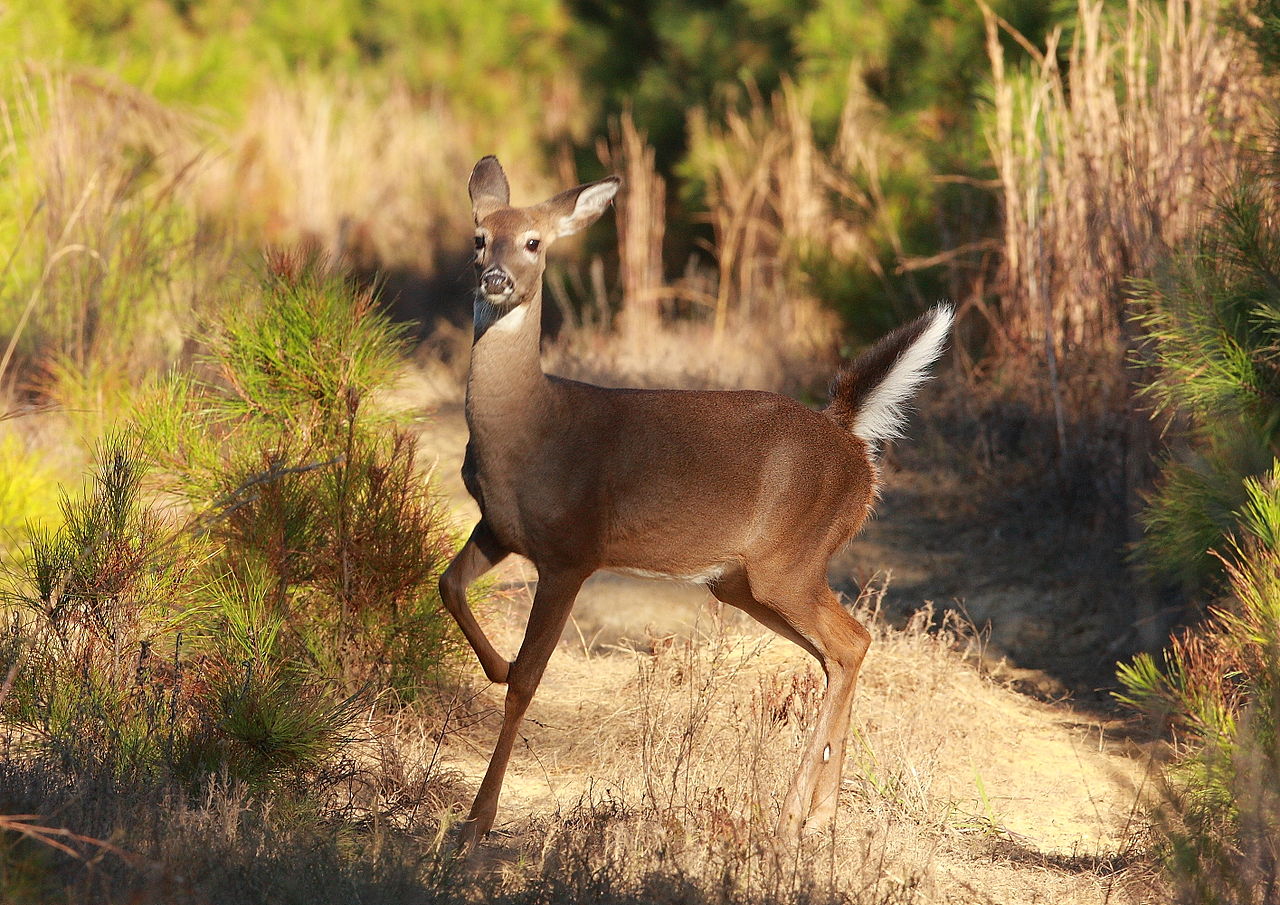
Clemson University researchers are attempting to save South Carolina’s soybean growers millions of dollars each year by investigating alternative methods for reducing damage caused by white-tailed deer. Extension specialists Jeremy Greene, David Gunter, Cory Heaton and Jonathan Croft are conducting trials in soybean fields at Clemson’s Edisto Research and Education Center and also at a privately owned farm. “Deer damage in soybean crops varies from insignificant to complete crop failure. Producers in high deer-density areas of South Carolina frequently see 50% or greater yield losses as a result of deer feeding activities,” said Heaton, a Clemson Extension agriculture and natural resources agent. “Identifying effective repellents could greatly reduce the multimillion dollar losses South Carolina farmers are currently experiencing each year.” Orangeburg County farmer Tommy Bozard has been struggling with deer damage in his soybean fields for years despite trying a variety of methods to ward off the large ruminants. In many instances, portions of his planted acreage have been completely destroyed. “Farmers like Mr. Bozard are desperate to find a solution that will allow them to make a crop,” Heaton said. “Unless you have farmed, it’s hard to describe the disgust that comes from seeing someone’s livelihood destroyed during the night.” In keeping with the organizational mission, Clemson Extension Service is working to help solve this major production issue. The ongoing trials will evaluate insecticides that are commonly used on soybeans throughout the state, some of which are believed to have some effectiveness at repelling deer. In addition to the insecticides, five commercially available deer repellents will be included in the trials, which will include three weekly sprays following emergence of soybean plantings. Deer damage to these plantings will be monitored throughout the spray regime and for two weeks after the third spray. Data collected from the study will be analyzed in hopes of identifying successful deer repellent combinations to improve production abilities for soybean growers in high deer-density areas. “We hope to identify effective deer-repellent strategies that are feasible for South Carolina growers and that can be easily incorporated into the crop management program,” Heaton said. Trials were planted in mid-June following the wheat harvest. Soybeans received their initial repellent spray shortly after emergence. Beans will be sprayed with their corresponding treatment two more times. Deer damage to beans has been monitored weekly since their emergence and will continue to be monitored until the end of July. Producers can expect to see research results by the end of the growing season. In South Carolina, damage caused by deer can range from barely noticeable to complete crop failure. Growers in areas with high deer densities have often abandoned soybean production because of the devastating impacts of deer feeding on yields. Farmers often apply for deer depredation permits from the S.C. Department of Natural Resources that allow farmers to apply lethal control techniques to reduce deer numbers in crop fields. “Depredation permits are not solving deer damage issues for all farmers,” Heaton said. “Removal of deer through depredation permits requires significant night-time work on top of the daily duties of running a farming operation. Farmers can’t spend 24 hours a day monitoring each field. Our research aims to identify a passive technique that will provide around-the-clock protection without the presence of a farmer.” Source - manninglive.com

21.07.2016

India - Farmers lose 15-25 pct potential crop output due to pests, weeds, diseases

Chairman Standing Committee of Parliament on Agriculture and Farmers Welfare Hukmdev Narayan Yadav called for concerted efforts to forge an R and D-led strategy to save the loss of crops due to pests, weeds and diseases. An estimated 15-25 percent of potential crop production is lost due this menace at a time when India needs not only to raise production but also ensure food security and nutrition for its growing consumption needs. Addressing the sixth National Agrochemicals Conference - 2016 on the theme 'Next Generation Indian Agriculture - Role of Crop Protection Solutions', organized jointly by FICCI and the Department of Agriculture Cooperation and Farmers Welfare and Department of Chemicals and Petrochemicals, Government of India here today, Narayan said that the need of the hour was to adopt a holistic approach to be implemented in a very systematic manner to farming sector in India. The strategy would have to be implemented with full involvement of farmers who are the main stake holders, he added. He invited the farming community to imbibe latest knowledge and technologies and thus empower themselves. He also suggested for more focus to research and development for ensuring sustainable development. Expressing concern at the rising menace of spurious pesticides including biologicals laced with chemicals, Narayan suggested that the situation should be tackled collectively by farmer associations, industry players, government and pesticide regulatory bodies in a time bound manner. Crop protection and crop enhancement solutions, based on best global practices and the latest technologies available are the answer. There are good emerging trends and solutions for sustainable crop protection which include crop protection chemicals, agronomy, fertigation, seed treatment, bio-technology development etc. The next generation agriculture in the country will have to encompass all such possible solutions using the best mode in a given scenario. The sector has huge unrealized potential for growth, given the presently very low levels of application of crop protection chemicals, as compared to the global norms coupled with fast increasing awareness in young, educated farming class. The sector faces many challenges and solution to same can lead to India becoming a global manufacturing hub of quality crop protection chemicals. The conference debated various challenges faced by Indian Agriculture, such as High monsoon dependence/Unpredictable weather patterns/ Falling water tables/Reduction in arable land (per capita availability)/Decreasing farm sizes/Low per hectare yield/Increasing pest attacks/A very long supply chain (dominated by middle men) etc. Various speakers advocated for application of best solutions, be that linked to agronomy, Plasticulture, fertigation, seed treatment, crop protection chemicals, bio-technology, precision farming etc. The conference covered topics of relevance to the sector, incl. Facilitating ease of doing business. Making India global manufacturing hub of quality crop protection solutions, Key Issues and challenges faced by the industry, export potential of the sector as also some of the futuristic technologies such as Vertical Farming (a concept on which a party from Belgium made a presentation) etc. in a sustainable manner. Good presence and active participation of farmers indicated the keen interest of the farming community in the programme. Source - www.newkerala.com

21.07.2016

Australia - Hungry wild ducks destroy organic crops

An organic market farm on Queensland's Sunshine Coast is under attack from wildlife. Destructive native wood ducks have wreaked havoc on Shambhala farm's crops, eating thousands of dollars worth in recent weeks. Farm manager Mick Warren likened the ducks to an "army" that had decimated entire beds of lettuce and leafy Asian greens in the fields at Doonan, near Noosa. The native wood ducks arrived with the first full moon of winter. "On the full moon they just attack because it gives them light so they can see," Mr Warren said. "All night, all day, 24 hours a day they eat it. "On the full moon we could get up to 50 I reckon, you can hear the noise that they make. "They call their mates in as well." Mr Warren said the crop losses were as high as 100 per cent for lettuce during what is the peak growing season of the year. "You have to net it or they just eat the whole lot: it's crazy. "That's the only way I can stop them, but they even get under the net as well. "They've eaten six or seven cos that aren't under the net, little buggers. "I've tried electric fences and strobe lights, like nightclub flashing lights, and it works to a certain extent. "But netting is best and it does get a bit expensive if you want to net the whole lot." For a while trapping and relocation worked, but Mr Warren said the wood ducks have wised up to his wire trap that has a wide entry point and narrow end, similar to a crab-trap. "I was catching up to 20 at a time in there at the start, but they've got a bit smarter now and they're getting in and getting out as well," Mr Warren said. "I need to upgrade my trap I think and get a better system." Before Shambhala farm owner Craig Hubbard took over the property Mr Warren shot up to six ducks a month with a State Government issued mitigation permit, but now the farm runs on holistic principles, the ducks have been declared off limits. "The boss, he's not into the shooting, so it's just the trap," Mr Warren said. "Plus the neighbours are quite close now and we don't really want to have any bullets going over the fence." Rows of what should have been premium priced organic produce have been ploughed back into the ground. Shambhala farm's communications chief, Erin Young, said the wild wood ducks were part of nature, but the damage was disheartening. "You look at the amount of work that goes into preparing this ground and planting it out," Ms Young said. "The whole point of why we are here is to feed our community and feed ourselves, so there's a whole lot of energy lost and we'll have to start again. "It makes me really grateful that we know other growers who can support us at this time and that's what resilience is about." To ensure supply is kept up to customers at the Noosa and Kawana Waters weekend markets, and the farm's home delivery service, Ms Young said Shambhala is now acting as a food hub, working with other organic growers to source fresh produce. "One thing that we're really working towards is food resilience, which comes in local food systems and broader food systems as well, and having sustainable approaches to support the whole ecology of this food growing system." Farm manager, Mick Warren, was not about to admit defeat to the ducks. "Oh we'll get them, definitely, or we'll just get smarter with what we grow." Source - www.abc.net.au

20.07.2016

Mexico - 1,100 hectares of pumpkin at risk due to drought

Nearly 1,100 hectares of pumpkin could be lost to the drought, said Manrique Rodriguez Ventura, leader of the National Peasant Confederation (CNC) of Bacalar. He also said that if the drought continued they could lose all their crops. There have been some rains which could have an impact on crops, he said, but they haven't been enough and they haven't been everywhere. Producers cultivate a pumpkin known as chihua because it does not require much water. According to official data, there are 1,100 hectares devoted to pumpkin crops, but producers say there's a higher number because they generally grow more, to try to make more profits. Last season, the conditions of the pumpkin crops were very similar to this year but producers were able to rescue some of their production. This season, producers hope they can save some of their production again. Source - www.freshplaza.com

20.07.2016

Spain - Kaki campaign threatened by whiteflies

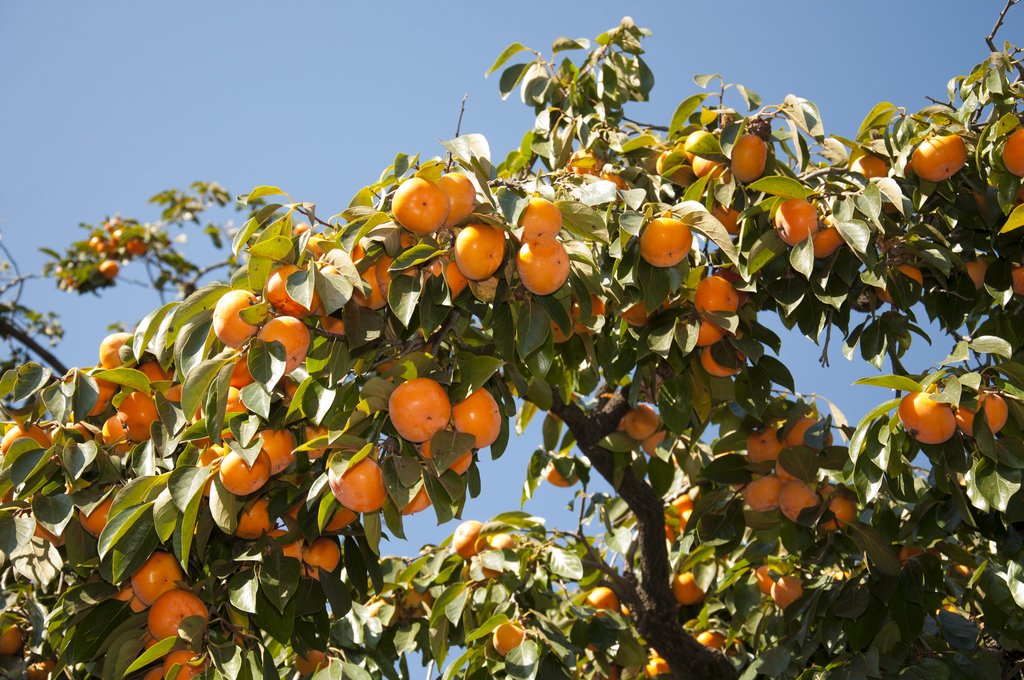
The Unió de Llauradors (Growers' Association) has called for a meeting to take place on Tuesday 19 July in the municipality of Alginet, next to the City Hall and the town's agricultural cooperative, in order to inform kaki growers about the best strategies that need to be adopted to tackle the virulent whitefly attacks that the fruit's plantations are suffering in many areas of the county of La Ribera. The Unió noted that, given the scale of the problem, there is a need for coordinated action between growers and technical experts, who have to report the right time to carry out the treatments in order to control the whitefly population and minimise the damage caused to the kakis. The fact is that the current campaign is under threat by a pest which had been either practically non-existent so far or had gone unnoticed by the crop's producers. The conversion of citrus to kakis has entailed that some pests that up to now have only affected citrus have found a new place to multiply. Some worth noting are the Planococcus citri or the Cryptoblabes gnidiella, but especially whiteflies (Dialeurodes citri, Paraleyrodes minei and Aleurothrixus floccosus). In large areas of the region of La Ribera Alta, a large population of Dialeurodes citri has been detected. The damage caused by the fly is direct, as by sucking the sap, they cause a weakening of the tree, but also indirect, as it can cause damage to both leaves and fruit which can lead to serious quality and marketing problems. Source - www.freshplaza.com

20.07.2016

USA - Sunday's thunderstorm in New Raymer damages wheat crop

Until Sunday night, the wheat harvest in the New Raymer area was going well. A massive thunderstorm changed that. “It was pretty devastating,” New Raymer wheat farmer Jim Mertens said of Sunday’s storm. “It’s definitely going to affect the harvest because there’s only half as much wheat out there now.” Mertens grows wheat, corn and millet. Both the wheat and the corn were damaged by the storm, according to Mertens’ son Cole, who also farms on the family’s land, although there was no harm done to the millet. Summer storms have the potential to wipe out a wheat crop, and Sunday’s storm was especially bad because of hail. Hail is especially damaging because it can break the wheat, meaning its stalks are cut, making it useless for harvest. Such storms, while crushing, are an accepted reality in the farming industry. “Hail is the big one,” said Scott Haley, a wheat grower at Colorado State University. “If the storm doesn’t come with hail or it doesn’t last long, it will cause less damage, but there’s really not much a farmer can do about it.” Haley said weather is only half the problem, though. Wheat, especially in the New Raymer area, also can fall victim to the wheat stem sawfly, an insect which cuts the stems of the crop and leaves it vulnerable to high winds. Farmers can take precautions against the worst of these risks, but there is no guarantee. “Timely harvest is really the thing that comes to mind,” Haley said. “And farmers can diversify, too. If farmers have, say, both corn and wheat, the damage to one crop might not be as bad to one as it is to the other.” For farmers like Cole and Jim Mertens, there’s little to be done after a storm like this. Cole said crop insurance will help them get some returns on the wheat, but not as much as the crop itself would have brought in. “The wheat that was out there was way better than anything the insurance would get us, so it would’ve been a lot more money,” Cole said. Sometimes, the harvest is still out of farmers’ hands. “There’s nothing you can do about the weather,” Haley said. Source - www.greeleytribune.com

20.07.2016

India - Govt to use drones for agricultural mapping, crop and insurance assessment

The Indian government has launched a collaborative research project involving use of drone technology in farming sector for assessing quality of soil and compensation for losses due to flood, the Ministry of Agriculture said in a Lok Sabha query. The project aims to implement Hyperspectral Remote Sensing using drone systems and developing a locally researched prototype for soil health monitoring and integrating it with satellites for large scale agricultural applications in the future. Drones will soon be seen scouting over farm fields in India, gathering required geographical data using sensors, pictures, etc. and transmitting such information in real time. This technology will be used primarily in farming sector at regional/local levels for assessing land and crop health; extent, type and severity of damage, issuing forewarning, and settlement of compensation under crop insurance schemes. The project which is dubbed as “SENSAGRI: Sensor based Smart Agriculture” is formed by Indian Council of Agricultural Research (ICAR) involving six partner institutes, and will be funded by the government of India, Department of Electronics and Information Technology (DEITY), Ministry of Communication and Information Technology, Information Technology Research Academy (ITRA), and ICSR as well. Use of drones in agriculture In February, Weather forecasting company Skymet in partnership with Agriculture Insurance Company (AIC) had earlier conducted a pilot in Gujarat and Rajasthan, which involved use of drones for surveying farmer’s crops, helping them map crop diseases along with assistance for insurance companies in settling claims, as indicated by Economic Times. Earlier in 2014, Skymet, AIC and the Gujarat government implemented satellite remote sensing technologies and drones across 10 villages in Morbi district of Gujarat, the report added. Interestingly, Drone-tech startup Aarav Unmanned Systems which had raised an undisclosed amount funding in April provides crop monitoring, assessment, analysis and other agricultural and industrial applications for the general public. Apart from this, Chennai based ZUPPA provides farm, irrigation, and crop monitoring through use of drones and aerial mapping. Drone policy in India In May, the Director General of Civil Aviation (DGCA) had released a draft paper with guidelines for obtaining a Unique Identification Number (UIN) and permission to fly a civil unmanned aircraft system (UAS). The DGCA cited increasing civil use of UAS for damage assessment of property and life in areas with natural calamities, for surveys, infrastructure monitoring, commercial photography, aerial mapping etc., as reasons for the requirement of guidelines. More here In March, the Government of India had amended the Customs Baggage Declaration regulations to make it mandatory  to declare drones in customs forms, for people coming to India. On declaration, users will need to report to the customs officer at the Red Channel counter and are liable to pay duty on the item. The regulation will come into force on the 1st of April. Source - www.medianama.com

20.07.2016

Somalia - Banana farmers in Afgoye district have suffered huge losses

Banana farmers in southern Somalia’s Afgoye district have suffered huge losses due to the damage caused to banana plantations by the drought earlier this year. The river Shabelle in this part of Lower Shabelle region dried up in March after the faisure of the rains, causing the numerous farms dependent on river irrigation to shrivel up. Afgoye is one of the richest agricultural districts in Somalia. The chairman of the local banana farmers’ cooperative, Hassan Barkhadle Wardone, told that about 300 plantations had been destroyed in Afgoye and the surrounding villages of Jambaluul, Awdheegle and Arimoog. A number of local farmers replanted in May and were irrigating the new trees hoping to get an early fruit yield after five months. It usually takes up to 11 months for a banana tree to produce fruits. Mire Warsame told that he had spent $29,000 on replanting 30 of his 70 hectare land with banana trees. The entire plantation dried up in the drought. Osman Maalim Fanah, a banana trader in Afgoye, told that bananas were now scarce and prices had shot up.  A sack of bananas priced at 400,000 shillings ($18) four months ago was now selling for 1.2 m shillings ($54.5). He said the transportation of bananas to other regions for sale had ceased and a dozen stores that used to sell bananas had closed. Residents wishing to buy a single banana to eat would pay today what it used to cost to buy 15 pieces of the fruit. Bananas form a significant part of the diet for Somali families. Source - www.geeskaafrika.com

20.07.2016

USA - Some crops 'a total loss' in flooded parts of northern Wisconsin

Torrential rains not only washed out roads in far northern Wisconsin last week, it also flooded cropland, with some areas called a total loss, according to the weekly crop report. The USDA National Agricultural Statistics Service progress report for the week ending July 17 said multiple thunderstorms dumped up to 10 inches of rain in northwestern Wisconsin, with extensive flooding damaging crops, roads, buildings and coast line. "Some low-lying fields along waterways are a total loss," an Ashland County/Iron County report said. "Throughout the area, many crops are turning yellow in the low-lying areas of fields, due to excessive moisture." The Department of Agriculture, Trade, and Consumer Protection (DATCP) will connect affected farmers with crop damage and livestock shelter needs for assistance and counseling, through its Farm Center and Animal Health Division. Despite the flooding in the far north, rains were less severe and very welcome in dry regions of the state. "A nice 1.25 inches of rain fell on Sunday morning to freshen things up," a Waupaca County report said. "Overall, crops are in about the best condition for mid-July in many years." Crops statewide were ahead of last year, with most condition reports rating the crops as either good or excellent. Corn in the silking stage was at 33 percent, with the crop rated at 86 percent good to excellent. Seventy percent of soybeans were at or beyond blooming with 23 percent setting pods, both way ahead of average, with the crop rated at 85 percent good to excellent. Oats were 97 percent headed, 68 percent coloring and 8 percent harvested. The crop was rated 85 percent good to excellent. Almost all of the winter wheat crop was coloring, with 11 percent harvested. The crop was rated 89 percent good to excellent. The second cutting of alfalfa was 84 percent complete and the third cutting was 14 percent complete, with all hay rated at 89 percent good to excellent. Pasture was rated 77 percent good to excellent, and potatoes were rated 95 percent good to excellent. Both topsoil moisture and subsoil moisture were at 88 percent adequate to surplus. Source - host.madison.com

20.07.2016

Norway - State refuses to cover berry losses

Norwegian strawberry farmers who have seen their crops ruined by a fungus this summer quickly demanded that the state compensate their losses. They’re disappointed after a meeting at the agriculture ministry. “We did ask them whether they wanted to reallocate some of the money they’ve already been granted by the state,” State Secretary Terje Halleland from the Progress Party told. He said the farmers turned that down. They were out after additional funding to cover financial losses after their plants have been attacked this season by the fungus known as gråskimmel, which turns berries grey and makes them rot in the field. The fungus is a constant threat but has hit strawberry growers especially hard this year in the southern counties of Agder, and has been spreading to other counties. Halleland agreed to meet representatives from the berry growers’ group Agderbær and one of Norway’s powerful farming lobby organizations, Norges Bondelag, who sought state assistance in what they call an “extraordinary” situation. While state officials refused to provide more financial aid to the farmers, they did agree to support studies of the strawberry plants’ resistance problems. “We wished the ministry had more to offer,” Bjørn Gimming, deputy leader of Norges Bondelag. He said this year’s overall strawberry crop has been reduced by 40 percent, with some growers reporting total losses. Agriculture Minister Jon Georg Dale, also from the conservative Progress Party, had earlier expressed that the farmers must be responsible for their own risk and losses. Opposition politicians in Parliament disagreed, claiming it was necessary to compensate the growers who’ve lost their berry crops. “Asking the  farmers to use money from their state funding package for this, which no one could anticipate, amounts to shirking responsibility,” Karin Andersen, a Member of Parliament for the Socialist Left (SV) told. The Labour Party and the farmer-friendly Center Party also called for additional aid for the farmers. The state does offer compensation for berry crops that are damaged by frost or other climate-related problems, but nothing specific for the fungus growers are now battling, although it has been tied to heavy rain at the start of the season. “We have no problems sympathizing with the farmers,” Halleland said, “but strawberry production entails a certain amount of risk.” The government believes that’s the farmers’ responsibility, not the state’s. Source - www.newsinenglish.no

19.07.2016

France - Pear production affected by cold spring

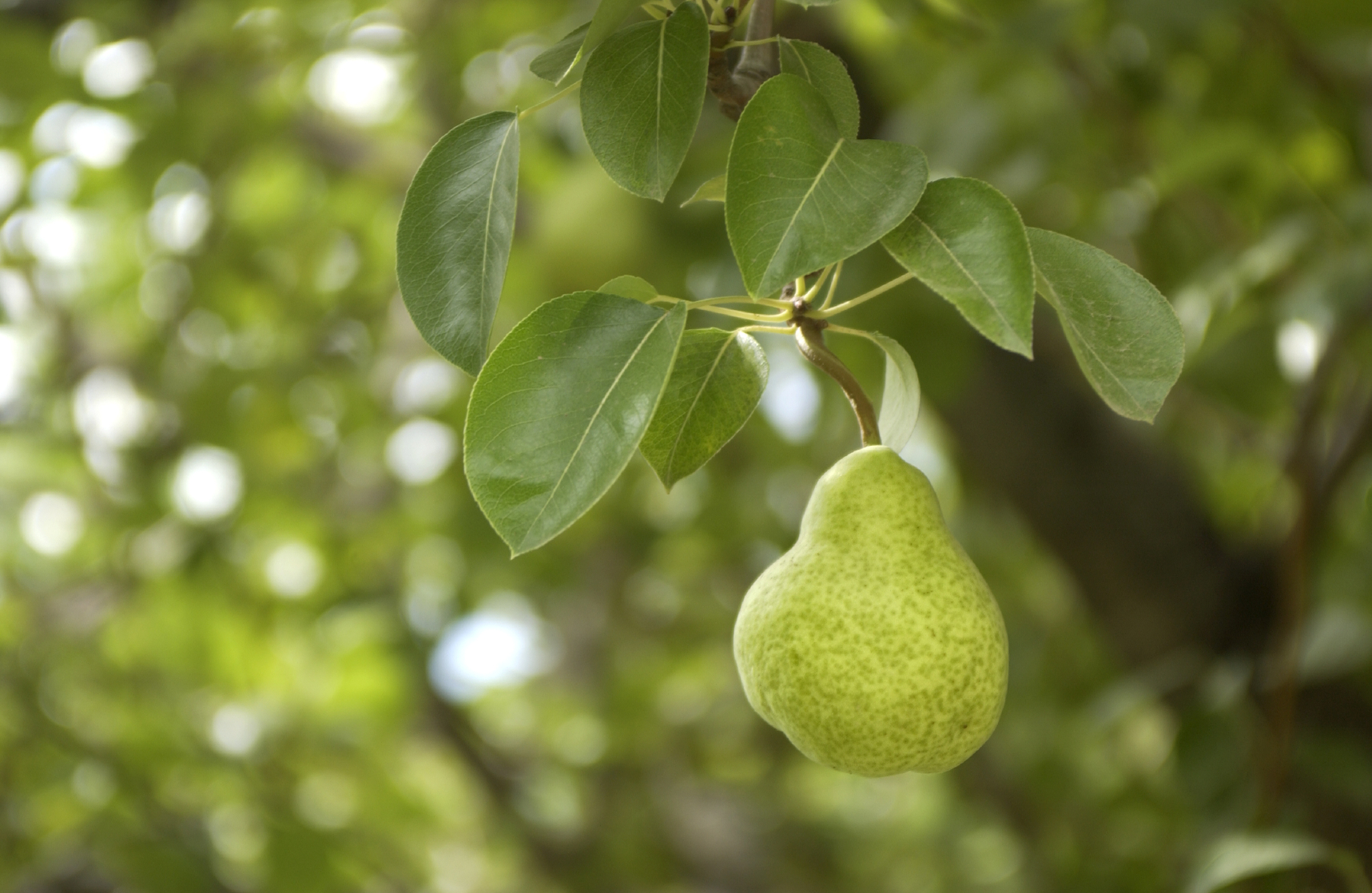
According to Agreste, on the 1st July the 2016 pear harvest was estimated at 125,000 tons, 11% below that of 2015. Summer pears have been particularly effected by the cold weather at the end of spring; flowering and fruit setting for these varieties did not occur under the best conditions. The Guyot variety is expected to suffer the most from the spring weather in the Languedoc-Roussillon and PACA. The Guyot represents almost half of production in PACA. In the Centre region, the cold and wet weather led to a lot of fruit falling. Aquitaine has also had a decrease in yield. The Pays de la Loire and Rhone-Alpes regions could see a slight increase in harvest if conditions remain good. Source - www.freshplaza.com

19.07.2016

Ukraine - Grain crops condition

Weather conditions were favorable for winter and spring grain crop development in May-July. During the first week of July soil moisture reserves were satisfactory except for Western regions. Last week was rather hot with minor precipitations. Currently, a dry weather phenomenon is observed in some Southern, Eastern and Western regions. Early spring crops are at the final stage of XI organogenesis phase. Forecasted productivity is 5-6.5 MT/ha. Their condition is mainly good. Grain ripening is observed in spring barley, and farmers of Steppe continue its harvesting. Heavy rains and strong winds in the Central regions caused lodging of spring barley. Grain filling is seen in spring wheat with 17-21 spikelets formed in the head. Plants condition is good. Depending on sowing terms and variety corn plants undergo tasseling-flowering of tassel stages, at early sown varieties – flowering of ear. Plants are 92-161 cm high and in the best sowings - 176-257 cm. Corn condition is mainly good. Source - www.blackseagrain.net

847
of 1225