NEWS
846
of 1225
News
06.09.2016

USA - Hermine causes millions in damage to South Georgia pecan farm

Four days after tropical storm Hermine, Ashley Paulk says nearly 30% of his crop is gone. He says more than a thousand pecan trees were torn down by the storm last week. "Some of the orchards, you could just look down the row and you couldn't see down the row," says Paulk, co-owner of Shiloh Pecan Farms. Paulk says it wiped out nearly 30 to 40 acres of his farm. Three weeks out from harvest and mid-hurricane season, Paulk says, all you can do is pray. "Forty to 55 mile per hour wind is devastating," says Paulk. "We've lost roughly a thousand trees, at least a million pounds of nuts, and that translates to over $4 million in losses." Many of them were even ripped off the branch, which he says, 45 to 60 pecans costs them a pound. "In a good year they'll produce 130 million pounds, so we would have 4 to 5 million of that 130 million." Paulk says that amount comes out to around $14 million. "There's a very good demand for pecans and this storm will probably affect the price." Despite the significant loss, he says he's still thankful. "It could've been worse. No one on the farm got hurt. We didn't have any houses damaged, so we're blessed in some ways." Paulk says 60 people are working on the cleanup, which he expects to take 6 to 7 days. Source - http://www.wctv.tv

06.09.2016

USA - Jefferson County pushes for drought aid

Jefferson County hopes to be included in a federal drought disaster declaration in the next week or two. On Tuesday, The U.S. Department of Agriculture listed 15 counties, plus nine contiguous counties, as drought disaster areas. Jefferson County wasn’t on the list. That surprised Jay Matteson, the county’s agricultural coordinator. In an update released last week, he said his office has been hearing from farmers about crop loss and a potential shortage of forage feed, and there are worries about groundwater shortages that could stretch into next year. "I have farms drilling trying to hit water. I have one farm in particular that's told me they've drilled six wells and not hit water." Matteson said Gov. Andrew Cuomo has already sent a request to the USDA to expand the initial declaration to more of New York’s counties, including Jefferson. He said he asked Rep. Elise Stefanik (R-Willsboro) for help in speeding up the process. The designation makes low-interest loans and other federal programs available to farmers who suffer losses because of the weather. "Part of it is expected," he said. "You own a business, you run into these things. But if the state and the USDA could provide some financial assistance to help them get through this, that would be huge." Matteson said area farm leaders are also working closely with state representatives on local drought response. In the meantime, the county has put together a drought response webpage, listing resources now available. Source - http://wrvo.org

06.09.2016

Australia - Avocado growers warned to prepare for rain and prevent crop losses

Avocado growers are being urged to prepare their orchards now to protect them from spring and summer rains and prevent crop losses. Avocados Australia chief executive John Tyas said the fruit trees were highly susceptible to drowning in wet conditions, which could lead to reduced availability of fruit. "The real problem with rain at this time of year, you've got trees that are flowering and setting fruit, so they're very susceptible to disease," he said. "Avocado trees are very susceptible to just drowning, they can't have waterlogged conditions for more than a couple of days otherwise they'll keel over. At a recent field day in Bundaberg, Queensland Department of Agriculture extension horticulturist Simon Newett outlined the risks of over-watering and high rainfall. "While [avocado] has a big need for water, it also is very sensitive to over-irrigation, not only from encouraging phytophthora root rot, but also from basically asphyxiating the roots," he said. "Avocado roots have a very high oxygen requirement. "It's a fine line, it has to be managed very well and very balanced." He said growers that had not prepared for wet conditions could be vulnerable to phytophthora, a soil fungus that causes root rot and could kill out entire orchards in a single season of heavy rain. "Avocado evolved in Central America, and the phytophthora organism, pathogen, they think evolved in the New Guinea area," he said. "We do have some root stocks that are more tolerant than others, but it's extremely susceptible to phytophthora." He said the impact could be devastating. "I think we've seen in the Bundaberg area when we had the really wet weather probably four years ago, that has impacted on yields for three years and they're only just coming out of them," he said. Over the next three months most growing regions are likely to see average rainfall, but the weather bureau is on La Nina watch. Avocados Australia chief executive John Tyas said growers should take steps now to ensure any rain they do receive in coming months works for them and not against them, especially if they are new to the industry. "There's a whole lot of things growers can do from selecting the right site, avocados are really dependent on really deep well-drained soils and a good supply of good quality water," he said. "Then there's a whole range of management practices, making sure that growers mound their orchards, make sure that they put good drainage systems in. "If all those things are done then it's quite manageable." Bundaberg bouncing back Mr Tyas said consecutive flooding in the Bundaberg region in 2010/11 and 2013 showed how severe the impact on yield could be, and that further impacted the availability of fruit nationally. "This region traditionally about five years ago got up to about 20,000 tonne, which was a really significant part of the total supply," he said. "The wet weather ... that we had over the last few years really knocked around a lot of orchards so a couple of years ago production got down to half of that with trees that died ... a lot of trees were really unwell and needed to be rejuvenated so production really took a hit. He said so far 2016 had been a good year for avocado growers, but the Bundaberg example showed how destructive heavy rain could be if it was not managed well. "Nationally production's up again this year, I think it's about 16 per cent up on last year and obviously some regions are up and some regions are down," he said. "But generally the industry's on a pretty steep growth path." Source - http://www.abc.net.au

06.09.2016

SenseFly Reveals New eBee SQ Drone for Agriculture

Drone manufacturer senseFly has launched its new eBee SQ fixed-wing agricultural drone. The unmanned aircraft system (UAS) is built for the Parrot Sequoia multispectral camera and can cover up to 10 times more ground than small quadcopter drones, according to a senseFly press release. “It represents a platform-proven upgrade for those who may have been trialling drone technology — for example by flying quadcopters over their crops — including those who already own a Parrot Sequoia­,” says senseFly’s CEO, Jean-Christophe Zufferey. “By upgrading to the eBee SQ, these operators gain a professional-grade, easy-to-use system that can cover many more acres in a single flight.” The eBee SQ is an advanced agricultural system that is designed to take professionals such as crop consultants, growers and researchers from drone to action, simply and efficiently. It builds on the success of senseFly’s popular eBee platform, which has recorded more than 300,000 successful customer flights to date over seven continents. The arrival of the eBee SQ provides Parrot’s Sequoia­ camera with its very own drone. The eBee SQ combines the benefits of precise crop imaging with large ground coverage and is fully compatible with existing agricultural workflows. Once the drone’s images have been processed using a solution such as Pix4Dmapper Ag/Pro software or cloud-only solutions such as MicaSense ATLAS and AIRINOV’s, the Sequoia’s broad spectral data enables numerous vegetation indices to be computed including NDVI, NDRE, MCARI and CCCI. The resulting index maps can then be employed to assess factors such as a plant’s chlorophyll levels, a key indicator of crop health. The eBee SQ can fly for up to 55 minutes on a single battery charge. This performance enables it to cover up to 500 acres  in a single flight at 400 feet above ground level. The eBee SQ’s supplied planning and control software, called eMotion Ag, is compatible with Farm Management Information Systems (FMIS) and ag machinery. eMotion Ag was developed with expert input from agriculture service provider AIRINOV, whose team of agronomists has worked with more than 5,000 farmers across France and beyond. The eBee SQ is available for purchase immediately via senseFly’s global network of distributors. It is available with the Parrot Sequoia in a bundle, or without Parrot Sequoia for existing owners of the camera. About senseFly senseFly develops and produces aerial imaging drones for professional applications. The automated data collection tools are employed by customers around the world in fields such as surveying, agriculture, GIS, industrial inspection, mining and humanitarian aid. senseFly was founded in 2009 by a team of robotics researchers is now a specialist in professional mapping drones. Source - http://www.pobonline.com

25.07.2016

Republic of Srpska - Frost damage up to 25 mln for fruit and veg

The Republic of Srpska has experienced up to 25 million euro in damages to fruit and early vegetables. The assessment for the Federation of Bosnia and Herzegovina is not yet finished. The Republic of Srpska government has said that it will provide help for fruit and vegetable growers, with the aide amount per hectare to be announced soon. However, there are currently good conditions for the crops which are now in season. The rainy period was long and, up to now, there has not been a drought. The ministry of agriculture estimates for planted vegetables are around 18.800 hectares; with cucumber at 1.150 ha, tomato 1.200 ha, potato 10.500 ha, carrot 450 ha, onion 1.300 ha, beet 125 ha, bean 1.000 ha and cabbage at 1.500 ha. Expected total production is 390.000 tonnes and production value,75 million euro. Source - www.freshplaza.com

25.07.2016

Australia - Tribunal questions value of crop cover subsidies

Installing more weather stations in NSW would be of greater benefit to drought-hit farmers than offering subsidies for multi-peril crop insurance, a draft report has found. The state’s Independent Pricing and Regulatory Tribunal (IPART) assessed five measures to help farmers under the State Government’s drought strategy. They are a proposed subsidy for multi-peril crop cover premiums; installation of additional weather stations; the Farm Business Skills Professional Development Program; a proposal to waive stamp duty on multi-peril crop insurance premiums; and a proposed initiative to improve sharing of information with insurers. The report says while multi-peril crop insurance can play an indirect role in increasing crop farmers’ self-reliance, it is unlikely to displace government assistance. It says because droughts can be predicted months in advance and crop cover is offered on an annual basis, farmers and insurers can decide whether to use or offer a product in adverse conditions. “In periods of very low soil moisture prior to cropping, insurers are unlikely to offer policies that cover drought, because the likelihood of paying out on the policies is too high. “However, we consider that this can provide an important signal to crop farmers not to plant, because the likelihood of crop failure is high.” IPART says farmers can self-insure by increasing production in good times. It says there have been no studies linking crop insurance and increased productivity. “Multi-peril crop insurance is a more suitable product for insuring against non-drought climatic events, particularly those that cannot be accurately forecast several months in advance.” IPART says farmers would still rely on government drought assistance payments. And because most go to livestock farmers, governments would not reduce their assistance bills by offering crop cover premium subsidies. “Cropping farmers who are furthest away from best practice are the least likely to purchase multi-peril crop insurance, but the most likely to encounter financial difficulties during droughts.” IPART Chairman Peter Boxall says none of the steps considered encourage greater take-up of multi-peril crop insurance. “Of the five measures assessed, we have found the installation of additional weather stations, while unlikely to lead to a higher uptake of multi-peril crop insurance, is likely to deliver the largest net benefit per dollar,” he says. Submissions on the draft IPART report can be made before August 15. The final report is due in October. Source - www.insurancenews.com.au

25.07.2016

Canada - Tornadoes, hail batter bumper crops

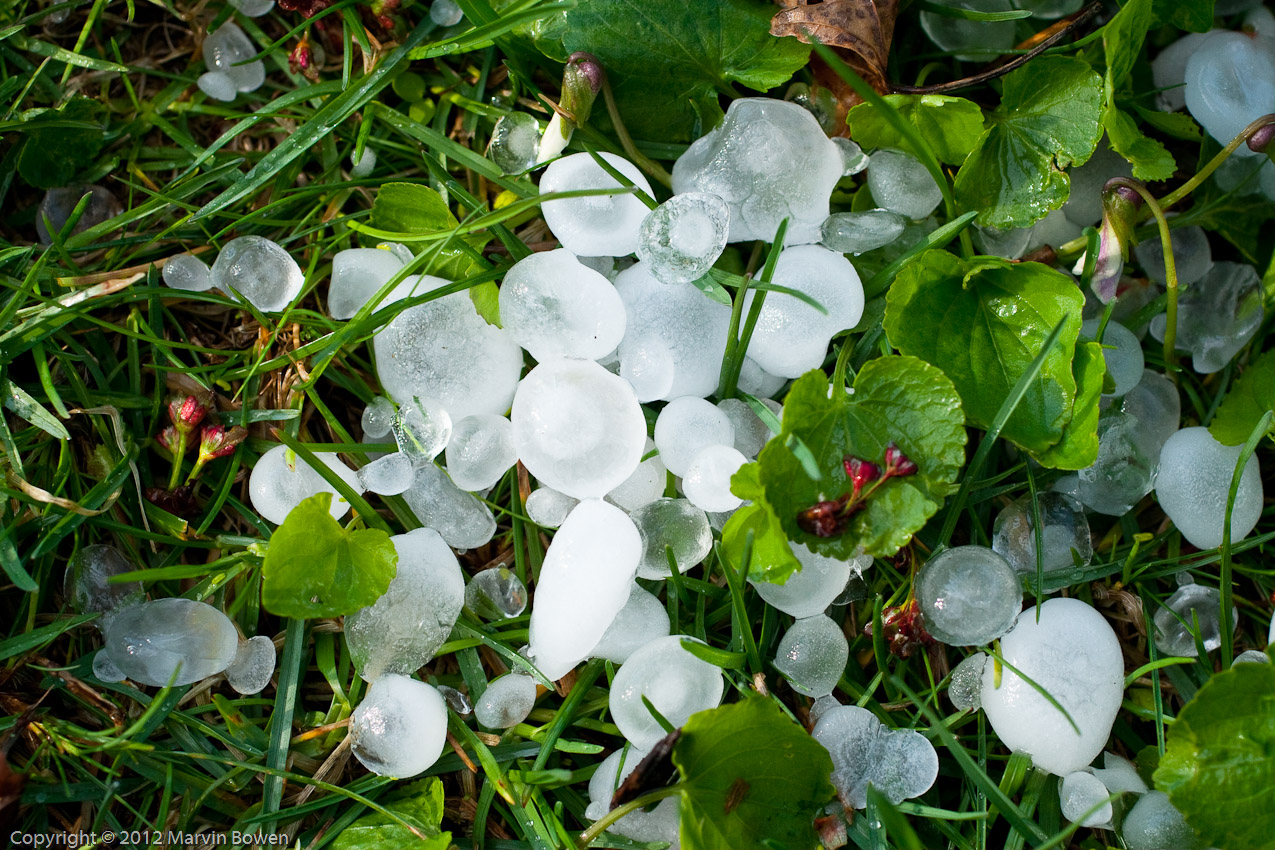
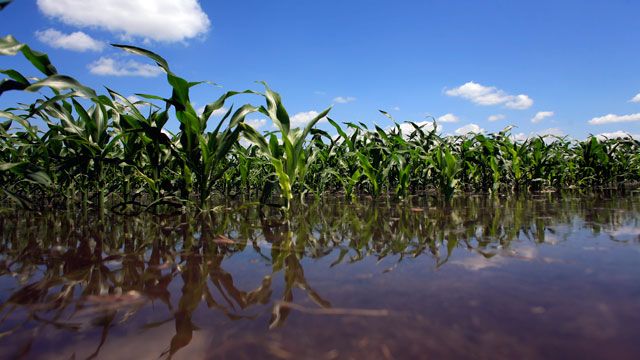
Tornadoes, hail and heavy rain battered Canada’s crops in Manitoba and Saskatchewan this week, as recurring storms curb the upside of expected bumper crops. Environment Canada reported two tornadoes touching down in southwestern Manitoba, causing widespread building damage near Long Plain First Nation. A tornado also damaged properties around Davidson, Sask., on Tuesday. Hail, ranging from the size of a golf ball to a tennis ball, battered a large part of southwestern Manitoba as well as some of southeastern and east-central Saskatchewan, said Brian Proctor, meteorologist at Environment Canada. Strong winds and heavy rain also swept across the region after hot temperatures. Canada is a major wheat exporter and the world’s biggest exporter of canola. Traders and analysts are expecting some of the biggest crops in recent memory, according to a Reuters poll last week. Western Canada’s crops are still likely to be large, but in southern Manitoba, many crops drowned in the last few weeks under heavy rain that has not quickly drained from fields, said Brian Voth, president of Prairie Farm Consulting. The rain has noticeably damaged soybean, corn and pea crops in Manitoba, and raised concerns about disease, with cereal grains faring better, Voth said. “The good stuff looks really good and the bad stuff looks really bad,” he said. Environment Canada forecasts hot temperatures to continue across Manitoba, Saskatchewan and Alberta for the next week, broken up by some rains. Saskatchewan Agriculture’s weekly crop report to July 18 said. Significant amounts of rain fell on much of the province throughout the week. Precipitation varies from trace amounts to almost 100 millimetres. Heavy rain over the past couple of weeks has caused crops to lodge, and they remain under flooding stress in some areas. Lentils and peas in many areas of the province are suffering from too much moisture. Diseases and hail have also caused crop damage in some places. Source - www.producer.com

25.07.2016

Australia - Supermarkets face national baby leaf salad supply shortage after storms and flooding hits Victorian crops

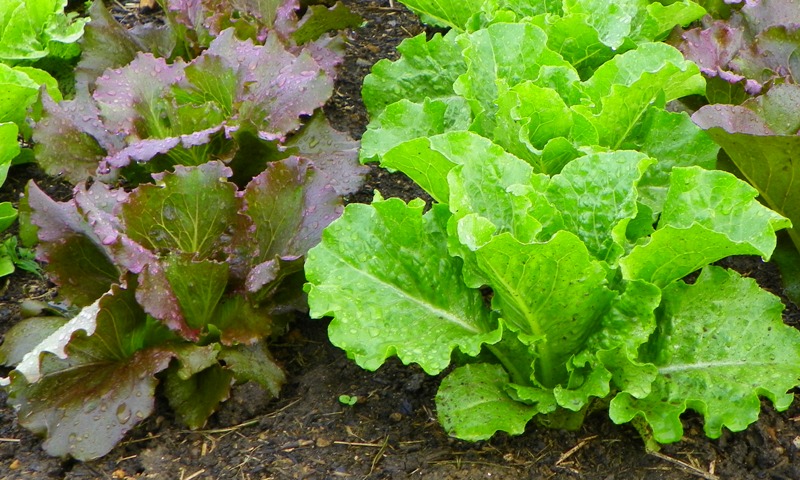
Major supermarkets are set to face several weeks of baby leaf shortages as some of Australia's largest vegetable growers recover from storm and flood damage. Close to half of Australia's baby leaf salad crops are grown in Gippsland in eastern Victoria, which has been plagued by cold conditions, storms and flooding this winter. Lindenow vegetable grower Andrew Bulmer is one of the largest baby leaf producers in the country and exports lettuce, baby spinach, baby salad leaf, and broccoli. Mr Bulmer said he and neighbouring properties had suffered significant losses this year during the difficult weather conditions. "After a recent flood it sort of knocked out a couple of our plantings we had in the ground," he said. "We're probably looking at about 50 per cent of our production is missing for about six to seven weeks." Mr Bulmer said six of the top 10 salad producers in Australia were based in Gippsland, which meant that any significant weather events affected national production. "They've all been affected by rain events so they haven't been able to stick to their planting schedules," he said. "Or they may have had weather that's damaged their crops or it has just generally been cold, so things are not growing quite as quickly as they usually would." Mr Bulmer said supermarkets would likely face shortages of baby leaf products for the next six to seven weeks. But he said there should be no change to pricing for consumers because most baby leaf products were pre-packaged. "Most of it is sold in packets in the supermarket and they're all on set pricing," he said. "And what you get in your pubs, clubs and restaurants seems to be pretty stable pricing, so it won't vary too much." Tasmania's vegetable harvest delayed Months of consistent rain in Tasmania has delayed the vegetable harvest by weeks. Jim Ertler from Premium Fresh says the lack of rain-free days in all growing regions across the state have reduced supply to local supermarkets and export markets. "It's been pretty difficult over the last six to eight weeks," Mr Ertler said. "We are still supplying some of our customers with product that we would have normally finished by the end of June or first week of July. "It's stretched it on, but products kept pretty well in the ground actually." Premium Fresh is a Tasmanian vegetable export business supplying primarily carrots and onions, as well as a suite of other vegetables, to local supermarkets and export markets in the Middle East and Asia. Lettuce dying in the boggy paddocks The biggest salad leaf producer in Tasmania, Houstons is being impacted significantly by the continuing wet conditions. General manager for Marketing and Innovation Alison Clark estimates production is down 60 to 70 per cent because of wet soil. "Salad leaf sales are slower at this time of the year, but we have been unable to get onto our fields because of the soggy soil. "Some of the lettuce is dying and we can't plant new lettuce because of the state of the paddocks," Ms Clark said. "We are barely meeting orders and have cut back drastically on the amount of product we normally send to the mainland. "This will impact us for some time, and we have to look after the soil to remain sustainable," Ms Clark said. Source - www.abc.net.au

25.07.2016

Canada - Hail damage claims skyrocket in Manitoba

The massive storms that have steamrolled through parts of Manitoba are causing significantly higher than average hail damage claims, according to the Canadian Crop Hail Association. The association’s most recent hail report said the ratio of claims to policies have soared due to storms on July 4, July 10 and July 16, which affected large areas in south central and south west Manitoba. With the most recent cloudburst on July 20, David Koroscil with the Manitoba Agricultural Services Corporation said the amount of claims they’ve received so far has already surpassed the annual average. “We’ve received 2,200 claims so far this year to date. The average is 2,100 for the entire year,” Koroscil said. Claims are still rolling in from the last couple of days and more are expected in the weeks ahead, Koroscil said July 21. “Everyone’s seen the most severe, extensive storm this year because of the size of the hailstones — the one that went through Holland, Treherne, Notre Dame, Somerset and the Darlingford area a few days ago — but we still don’t know the size or the impact of that,” he said. So far, storms have been considered moderate to minor because crops were at an early stage and able to recover, Koroscil said. “We’re starting to run into situations now where the crops are all headed out and the damage becomes more severe because crops can’t recover at this stage,” Koroscil said. “We already know of reports where there has been significant damage to crops.” With a month left in growing season, Koroscil said this year looks like it will be a significant one. Last year was one of the highest years on record, with 2,800 claims paid out for $31.1 million for the year ending Oct. 21, Koroscil said. With hailstorms typically continuing throughout August and into September, Koroscil said this year is shaping up to be similar, if not higher than last year. “It’s just a matter of what type of weather we receive and how many more storms we get along the way,” Koroscil said. “Another thing that plays a big role is how early harvest is, if it starts in mid-August and a lot of crops get taken off that reduces our liability as well.” After September long weekend, the likelihood of hail drops off, but the next six weeks are critical for hail damage, Koroscil said. Source - www.manitobacooperator.ca

25.07.2016

Australia - Winter warms up in Queensland's wine growing region

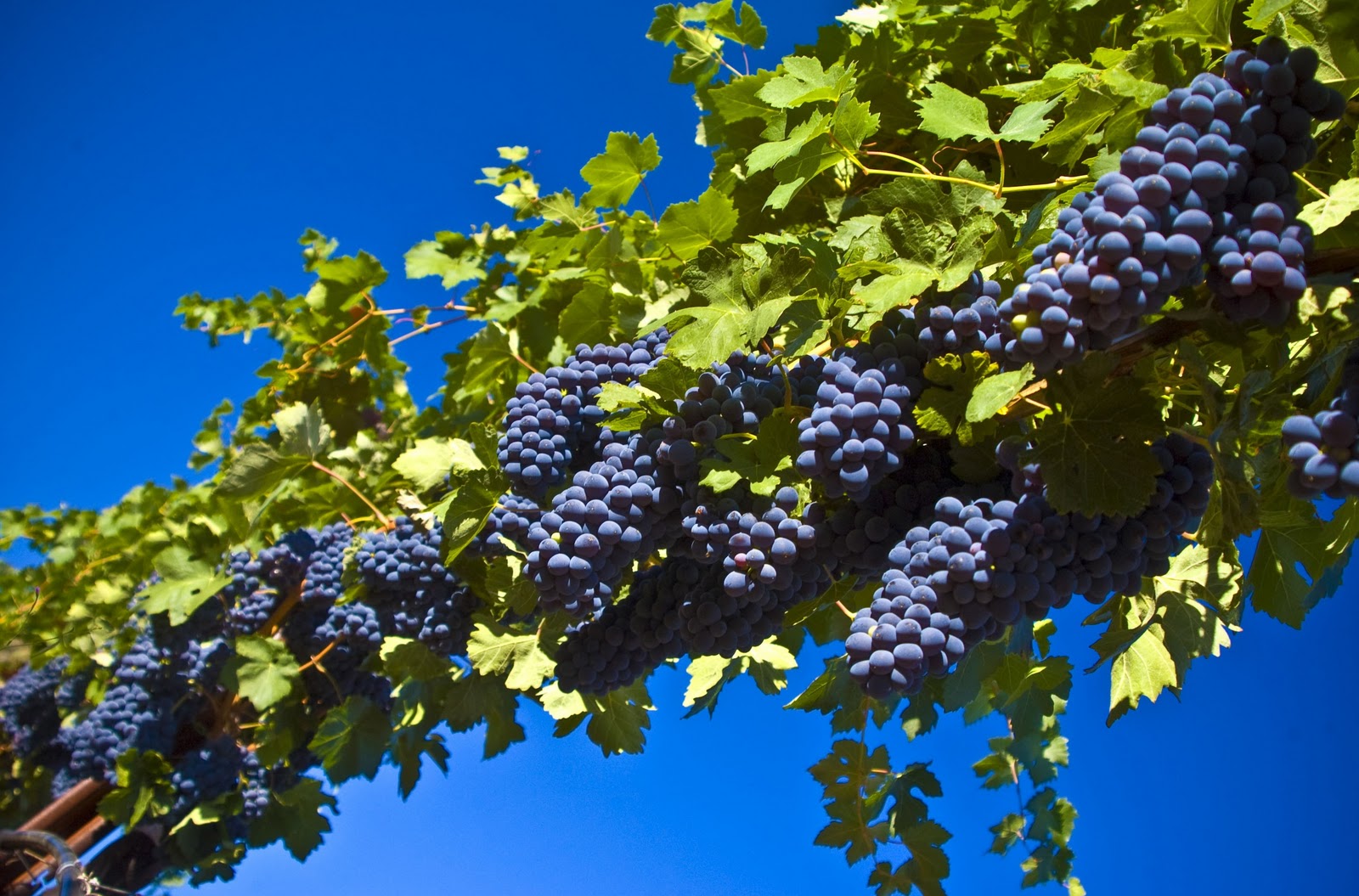
Warm winter weather is causing worry for wine growers on southern Queensland's Granite Belt. The cool climate Granite Belt has experienced its warmest July day on record, with 22 degrees recorded at Stanthorpe last week, and the warm weather was wreaking havoc with the vines. Mike Hayes from Symphony Hill Wines said the warmer conditions presented a serious challenge for growers. "I was pruning the vines out at the winery and while I was pruning I thought I was completely overdressed, I kept stripping down my clothes and I probably could have been wearing shorts and a singlet," he said. "July is our coldest month, this is our brass monkey season, this is when the tourists come here, but this is the trend worldwide and global warming is here and it's quite scary. Not only here in Stanthorpe but all over Australia and the world," he said Mr Hayes said growers were now faced with a dilemma. "You've got to be careful because if you go in and prune too early and ... we get another cold snap, that can damage the crop load for that coming season," he said. "We can't rush out and prune, but then we'll run out of time, so it's a bit of a tricky situation. Granite Belt growing conditions changing over time While a cold snap was anticipated this week, Mr Hayes said the temperatures were far from what he was used to, growing up in the area. "When I grew up here in the '70s, we were recording temperatures of -6, -7, -8 and [this week] they're talking two and three degrees, so that's 10 degrees above what was experienced in the '70s," he said. He said while southern growing regions were not experiencing the same problems, they did face extreme problems in the harvest season with temperatures well above average. "The grapes are cooking on the vine and because of the vastness of the South Australian wine regions, as it heats up, everything comes in at once and they haven't got the people or the workforce to get the grapes off," Mr Hayes said. Mr Hayes said the Granite Belt wine industry, which specialised in growing alternative varieties at high altitude, was better positioned to cope with climate change than many wine regions around Australia. "What we've got to look at is that we are seeing this year in and year out and we've got to adapt and by changing our varieties and looking at varieties that do grow in warmer conditions," Mr Hayes said. "We're ahead of the black ball, so to speak, compared to the rest of the industry throughout Australia," he said. Source - www.abc.net.au

25.07.2016

Zimbabwe - Farmers struggle to borrow from banks

Farmers who benefited from Zimbabwe's controversial programme to redistribute land taken from white farmers, struggle to borrow money from banks due to a lack of security of tenure or title deeds. Charles Samuriwo, is one such farmer from the Odzi area north west of Mutare city. He was a beneficiary of land redistribution and has been working his tobacco farm since 2001. Today he is struggling because 15 years after taking over the farm, he still has no security of tenure or title deed. Without such collateral, he cannot borrow from a bank to buy machinery or pay for seasonal expenses such as seeds or fertiliser. "As farmers, we have nothing but the land," Samuriwo told the Thomson Reuters Foundation. "Financial institutions need a form of security for them to lend us money. We want to invest in irrigation but without financial support we are not able to do that." His fears for the future have grown amid the severe, prolonged drought induced by the El Nino weather phenomenon that has hit southern Africa hard. Legal loophole The source of insecurity for both farmers and banks in Zimbabwe lies with section 72 of the 2013 constitution, which sets out the state's rights and powers over agricultural land. It says: "Land, right or interest may be compulsorily acquired by the state by notice published in the Gazette identifying the land, right or interest, whereupon the land, right or interest vests in the state with full title with effect from the date of publication of the notice." Even though the government moved in 2006 to offer 99-year land leases and permits to some farmers, banks have consistently refused to recognise these as secure collateral for loans. To date, fewer than 200 of the leases have been issued. Source - www.freshplaza.com

22.07.2016

Devastating Droughts Continue as El Nino Subsides

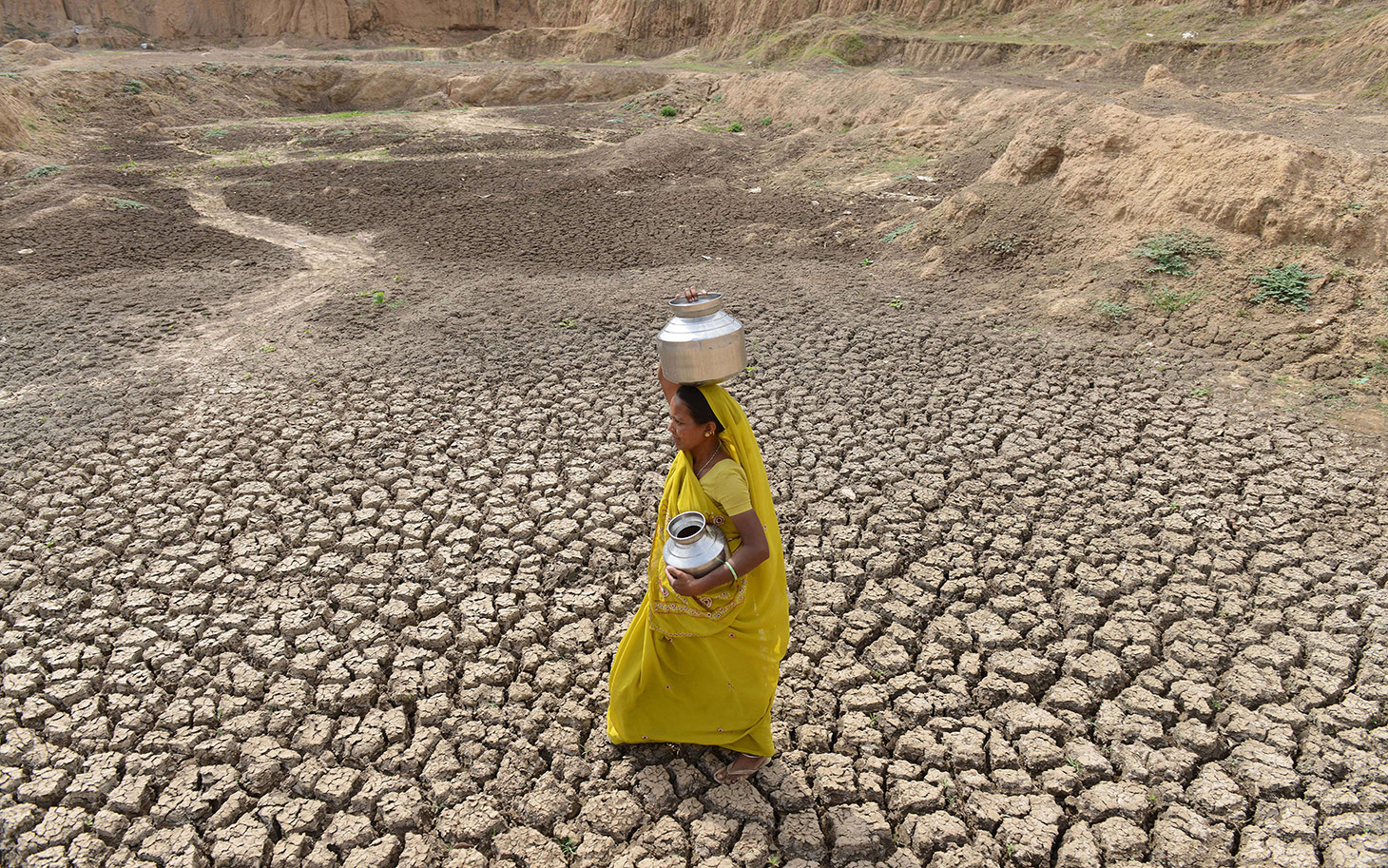
Although the devastating El Niño of 2015 to 2016 has now subsided, in many parts of Africa, Central America and Southeast Asia rains and harvests are not expected to recover until 2017. “We should expect future events to be less predictable, more frequent and more severe, starting with La Niña… The challenges to our response go far beyond humanitarian action,” said Secretary General Ban Ki-Moon. The UN is calling for donors to provide funds to help address the current and deepening humanitarian crisis resulting from El Niño. However at a high level meeting about El Niño this week UN and NGO representatives also called for UN member states to take action on climate change. “This is a human-induced aggravation of a traditional weather pattern. We’re into a new normal where it is no longer El Niño – it is El Niño affected by climate change”, said Mary Robinson, UN Special Envoy on El Niño and Climate at a press briefing here on 18 July. “The international community has to take responsibility, particularly the countries that are more responsible for (carbon) emissions.” In Southern Africa El Niño has caused the worst drought in 35 years. Ertharin Cousin, Director of the World Food Program (WFP) shared her insights from Malawi on Tuesday: “I heard and saw firsthand the hardships and worries… El Niño’s impact in Malawi alone has been severe: 6.5 million people will endure food insecurity, almost 40 percent of the population.” The crisis does not only cause hunger. “Young girls and women need to queue through the night for maize, to get maize in the morning – which is a problem in Southern Africa because the prices for maize have just gone through the roof, and in doing so they are at risk of sexual exploitation” Rebecca Sutton, the El Niño Campaign Manager of Oxfam International, told IPS. The landlocked country of Malawi is one of several countries in desperate need of immediate support. “The lean period in Southern Africa is always between January and March. Because we had a drought last year and now we had El Niño this year, the lean period is coming forward to September,” Sutton explained to IPS. “There is a small harvest due in September/October, but it’s not the big harvest: the big harvest is next March/April. So people somehow have to get through this enormously intense time and then, on top of that, we’ve got La Niña.” Although La Niña is considered the opposite event to El Niño historically the two were separated by years of normal weather patterns, however this is beginning to change with los Niños increasingly occurring back to back. In Southeast Asia, droughts caused by El Niño have similarly destroyed most of the crops. Macharia Kamau, who is UN Special Envoys on El Niño & Climate alongside Robinson, described what he saw in Timor-Leste: “In case of one community in Timor-Leste, they hadn’t seen proper rain for over 24 months. So they had lost basically 4 planting seasons… And were left for two years to the point where they had lost all their assets.” “A significant number of affected communities are resorting to negative coping strategies such as selling assets for cash and to meet food needs,” said Sutton. The government of Timor-Leste is coordinating its response with NGOs, including Oxfam, and UN agencies, said Sutton. But apart from giving first aid, what plans does the international community have against los Niños? National as well as UN representatives agree that a more long-term strategy is needed. “The main thing that we have to do is help them finding a type of agriculture that is more resilient to this kind of climate shock – which might involve having different seeds, dry resistant seeds for example, or it might involve different irrigation systems to help people work through times of droughts, it might involve insurance schemes as long as they are targeted at the very poorest people,” Sutton from Oxfam presented some approaches. It is essential that words are turned into operations: In 2017, the farmlands might recover, but the next El Niño could start three years from now. Source - www.ipsnews.net

22.07.2016

Canada - Farmers, communities continue to tally damage from floods

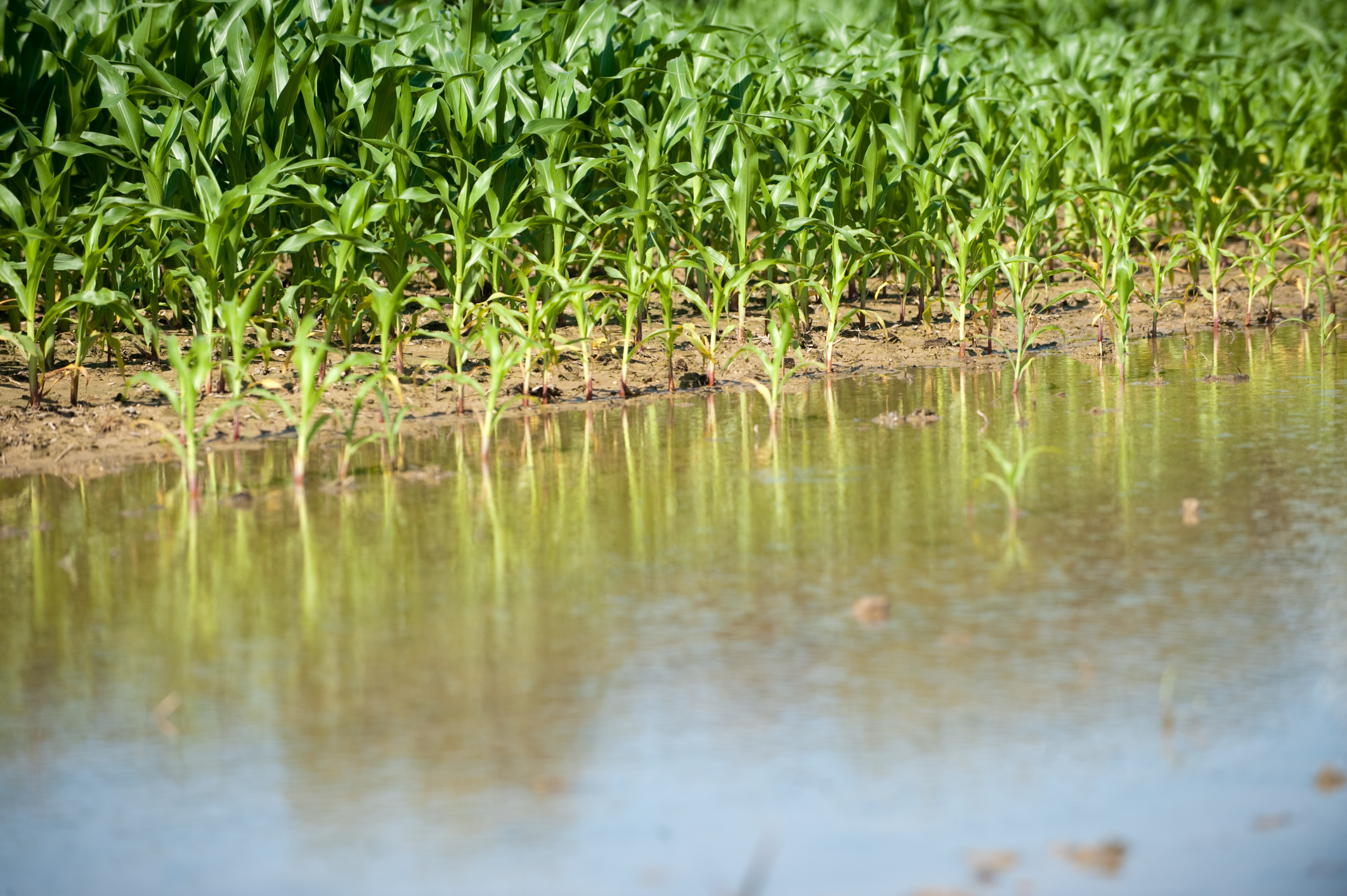
Southern Saskatchewan residents continue to tally the effects of last week’s heavy rain, which took a toll on crops and communities. The low-pressure system stalled in the grain belt from July 11-13, pounding some areas with up to 130 millimetres of rain. The Estevan area was hard hit, as was the area reaching north and east from Melfort. Shannon Friesen, acting cropping management specialist at the Ag Knowledge Centre in Moose Jaw, said an estimate was not available on how many acres were affected. “A lot of the lodged cereals have bounced back, which is good,” she said July 18. “But the pulses may not be in the greatest shape.” Reports are now coming in of disease concerns, including sclerotinia and botrytis, which she wouldn’t normally expect to see for another week or two. The hay crop, if cut and lying in the field, will likely suffer weathering and nutrient losses, said regional forage specialist Rachel Turnquist. “It’s going to be tough to get it to dry down,” she said. “We were having a fairly normal year before this.” Standing hay will likely be in better shape but could start to lose quality if it over- matures from standing too long, she said. “We aim to cut at 10 percent bloom,” she said. After that, the fibre goes up and protein and digestibility start to go down. “Be patient,” she advised producers. “Don’t get out there and bale too wet.” Arle Nelson, a producer from Hallonquist, said there were reports of as much as 180 mm of rain west of his farm and running through Wiwa Creek. He said it was reminiscent of the 2000 flood that devastated nearby Vanguard and was the highest creek level in years. However, the creek was clearing the water quickly and his flooded hay might be OK. “I really don’t know. But now I could have pieces of wood and fence posts in the high hay,” he said. Environment Canada said the 48-hour period beginning the morning of July 11 produced 119 mm of rain in Bjorkdale, 112 mm in Pennant and 104 mm in both Zenon Park and an area east of Watrous. The Estevan rain of 130 mm came the day before. Most regions reported at least 25 mm. While many in the southwest will take any rain they can, the southeast and northeast have likely had enough. At least one farmer in the southeast, near Lampman, has reported losing 13 quarters of crop to the series of rain storms that pelted the area. In the northeast, a road holding back water about 14 kilometres south of Arborfield gave way after a culvert couldn’t move the water fast enough, leading to an evacuation, many flooded homes and a state of emergency. Local emergencies were also declared in Estevan, Carrot River, the Rural Municipality of Arborfield, Shoal Lake Cree Nation and Red Earth Cree Nation. Water levels have since been receding, leaving a mess to clean up but allowing evacuees to return home. Source - www.producer.com

22.07.2016

Canada - Rain the dominant topic in Sask crop report

Lots of rain fell on much of the province throughout the week to July 18, says Saskatchewan Agriculture’s weekly crop report. Rain varied from trace amounts to almost 100 millimetres. Heavy rain over the past couple of weeks has caused crops to lodge and in some areas they remain under flooding stress. Lentils and peas in many areas of the province are suffering from too much moisture. Diseases and hail have also caused crop damage. Almost all crop development is at or ahead of normal maturity. In fall cereals, only one percent is behind while six percent of spring cereals, oilseeds and pulses are behind. Provincially, cropland topsoil moisture is rated as 22 percent surplus, 76 percent adequate and two percent short. Hay land and pasture topsoil moisture is rated as 11 percent surplus, 86 percent adequate and three percent short. Farmers are busy with haying operations and controlling diseases and insect, the report said. Livestock producers continue with haying operations, although frequent rain and high humidity have slowed progress. Twenty-two percent of the hay crop has been cut and 28 percent is baled or put into silage. The five year average (2011-15) for hay progress is 23 percent cut and 40 percent baled or put into silage. Average dryland hay yields for the province are 1.6 tons per acre for alfalfa, 1.5 tons per acre for alfalfa/bromegrass, 1.3 tons per acre for other tame hay and 2.2 tons per acre for greenfeed, the report said. Dryland hay yields are slightly above the five- and 10-year averages of 1.4 tons per acre overall. Irrigated hay is estimated at 2.2 tons per acre for alfalfa and 2.3 tons per acre for alfalfa/bromegrass. Hay quality is rated as nine percent excellent, 62 percent good, 26 percent fair and three percent poor. Despite the rain and humidity slowing down cutting and baling, the standing hay crop remains in good condition due to favourable growing conditions, the report said. Source - www.producer.com

22.07.2016

USA - Drought conditions settle in Montana

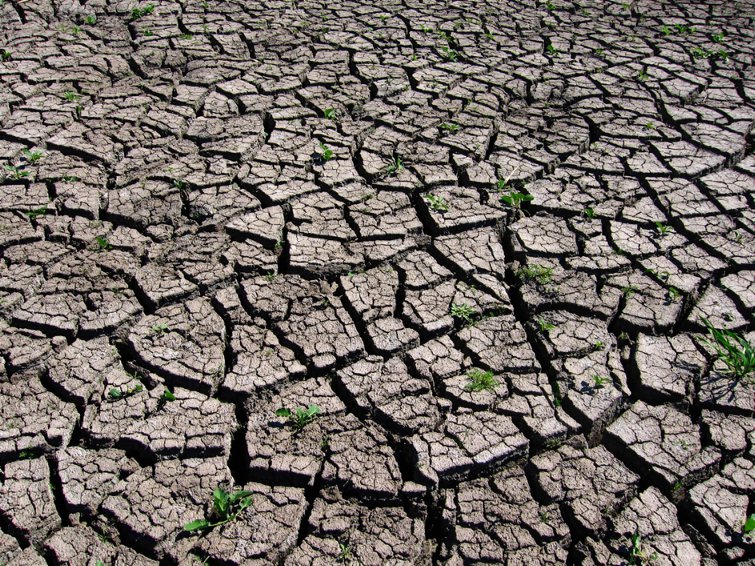
Southern Montana is on drought alert as temperatures trend above 90 degrees and the rivers draw down. Communities from Big Timber to Miles City were included in a 14-county drought alert area identified this week by the Governor’s Drought and Water Supply Advisory Committee. Water supply and soil moisture reports from state and federal agencies prompted the move. “I was putting in fence posts and I fought that thing all the way down,” said Eric Sommer of the National Agricultural Statistics Service. There’s no measurable moisture in the statistician’s Lewis and Clark County property. “Two feet into the ground, it didn’t even turn dark.” In parts of the Montana, the dryland hay harvest is down 30 to 50 percent of normal, Sommer said. Because wheat prices are so low and the cost of hay is rising, some farmers have reported baling their wheat for animal feed. South Central Montana farmers near Billings and Hardin have been cutting wheat for about week. Winter wheat conditions seem good, but with drought conditions emerging, farmers report concern about the spring wheat crop which won’t be ready for a few weeks. Fire danger is high. The Department of Natural Resources and Conservation tapped severity funding this month and positioned fire and helicopter crews across southcentral and southeastern Montana expecting extreme fire conditions as July wears on. The U.S. Drought Monitor lists portions of 12 Montana counties with moderate drought conditions and one county in severe drought. Included in the list are Big Horn, Carbon, Carter, Flathead, Glacier, Lake, Lewis and Clark, Missoula, Sanders, Stillwater, Sweetgrass, Teton and Yellowstone counties. Current Drought Monitor mapping is markedly better than they were at this time last year, when half the counties in the state were in drought condition and northwest Montana was a tinderbox. However there’s an undertone of drought that isn’t showing up in the monitor, said Ada Montague, drought coordinator for the Governor’s Drought Advisory Committee. A few timely rain and hail events across the state kept Montana drought conditions just below the surface for the first two weeks of July, Montague said. Snowcams at Big Sky Ski Resort and Bridger Bowl were showing white landscapes around the first week in July. Hail near Glendive piled like spring snow. Those conditions did not make up for an extremely dry June, the driest recorded in 82 years in Yellowstone County. “We left the month of June with pretty bad conditions and then we got some pockets of rainfall that influenced the precipitation input for the U.S. Drought Monitor,” Montague said. But for the second year in a row, snow left the mountains early and consequently river flows are declining rapidly. The Yellowstone River gauge at Billings is the reporting flows normally not seen until August. River flows are slightly more than half of what they were a week ago, according to the U.S. Geological Survey. In southwestern Montana, fishing has been canceled on portions of the Gallatin, Jefferson and Madison rivers. Source - billingsgazette.com

22.07.2016

India - Small tea growers seek insurance cover

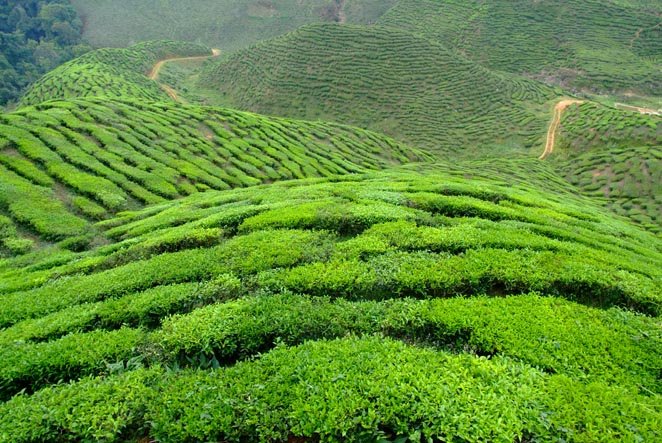
Small tea growers in the state have sought the inclusion of the Centre's insurance scheme for plantation crops in the 100-day action programme charted out by the state government. They said the move would not only send a positive signal to the small growers here but also provide them relief from the vagaries of climatic variations and price fluctuations. Chairman of the advisory committee for small tea growers, Bidyananda Barkakoty, said recently they had a meeting with finance minister Himanta Biswa Sarma and industries minister Chandra Mohan Patowary on the Centre's Revenue Insurance Scheme for Plantation Crops (RISPC). Barkakoty said the funding would be shared by the Centre, state government and the growers in the ratio of 75:15:10 under the scheme. "As the scheme is already in place, the state government has to roll it out for the small tea growers. We have explained the scheme in details to the finance and industries ministers. Sarma has assured us that the finance department will look into the scheme," Barkakoty, who is also the vice-chairman of the tea board, said. He said as the funding was on a shared basis, the primary task of the state government was to roll out the scheme. In a pre-budget memorandum to the finance minister, Barkakoty said the government could start rolling out the scheme by including it in its 100-day action programme. The North Eastern Tea Association (NETA) has been demanding an insurance cover for small tea growers to guard them from production-related risks and price volatility. NETA's argument is that as the price small tea growers obtain for the green leaves is dependent on the price of the finished product from the tea factories, an insurance scheme for them has become imperative to cover production-related risks and price volatility. "I was pursuing the Centre to help small tea growers avail an insurance cover. The commerce ministry has recently informed me that RISPC is in place. The scheme has been devised to protect farmers of plantation crops. Small tea growers are also covered under the scheme. Now, the state government only needs to roll it out," Barkakoty added. Source - timesofindia.indiatimes.com

846
of 1225