NEWS
848
of 1225
News
19.07.2016

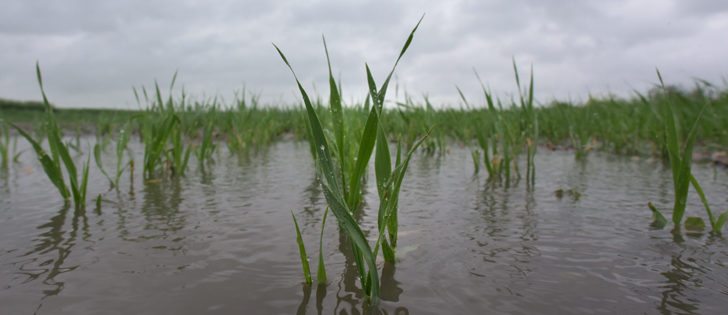
Canada - Flooding now causing most crop damage

If crop insurance data is an indicator, flooding may now be the most common plague in Saskatchewan. Statistics from the Saskatchewan Crop Insurance Corp. show that excessive rain caused 49 percent of all crop losses from 2006-15. In comparison, drought was responsible for 18 percent of all losses during that decade. Lorelei Hulston, the crop insurance corporation’s executive director for research and development, said the excess rain versus drought results were surprising. “Being a Saskatchewan girl, I expect drought is going to float to the top,” Hulston said. “(But) the last few years have been so wet the numbers reflect (the conditions)…. It’s been 10 years since we’ve had significant drought.” The Saskatchewan crop insurance numbers are similar to Manitoba Agricultural Services Corporation data: • Excess moisture caused 55 percent of the crop losses in Manitoba from 2005-14. • Drought and heat caused 22 percent of the losses. Crop production losses for 2016 won’t be known until the fall, but it’s a safe bet that excess rain will dominate claims in Saskatchewan this year. Seven-day precipitation map for the Prairie region – July 11 – 17. | Agriculture Canada A massive amount of rain fell on the province in the second week of July. Environment Canada said 24 Saskatchewan communities received more than 50 millimetres July 11-12. Several towns in the northeast part of the province received nearly 100 mm of rain, swelling creeks and soaking cropland. Drenched fields may be responsible for most of the crop loss claims over the last decade, but drought still presents the largest financial risk for the insurer. “The total indemnity that we (pay) isn’t as significant in those wet years as it is in the big drought years,” Hulston said. “In 2002, that was our biggest loss ever in the province. It was all due to drought. In a real drought year, (losses) are more significant than excess rainfall will be.” Insurance losses from a wet year are usually lower because the entire province is rarely inundated with water. Typically, if part of Saskatchewan gets too much rain, the other regions have a sufficient amount of precipitation. “When it’s really wet here (eastern Saskatchewan), it means the west side is getting enough moisture and they’re pulling off good crops.” Source - www.producer.com

19.07.2016

Brazil - Unexpected moderate frost hits central coffee belt

A moderate frost surprised producers in several areas of Brazil's main coffee belt early Monday morning, where it is likely to trim the country's output in 2017, agricultural engineer Andre Alvarenga at Procafe analysts said on Monday. The degree to which the frost damaged trees, which are highly vulnerable to freezing temperatures, will only be known in the coming few days, Alvarenga said. But he said he expects some areas to suffer damages from the sudden cold snap. "We were not expecting this. Both farms with higher elevations as well as lower lying areas were hit," he said. "We will follow this in the field in the coming days to measure the damage." Alvarenga said the Mogiana region of Sao Paulo and the southern part of the Cerrado region in Minas Gerais were the most widely affected areas, but frost was also reported in several areas of South Minas and in isolated areas of Parana. Photographs and video on Facebook and other social media sites showed the top few nodes of branches on coffee trees in areas such as Sao Pedro da Uniao with a moderate level of frost covering their new shoots. The frost can cause the leaves of coffee trees to die, cutting the productive potential of the next crop. The current bumper crop, which is about at the midway point of harvesting, will be unaffected, as beans are fully developed and will not suffer from colder temperatures. Futures prices for the commodities often shoot up on reports of frost. ICE September futures contracts were trading up 1 percent on Monday at $1.461. This was the second case of frost so far this season in the coffee belt, though the previous occasion did not cause any significant losses to trees' productive capacity for the next crop. Source - www.reuters.com

19.07.2016

Canada - Late blight detected in a western Manitoba potato crop

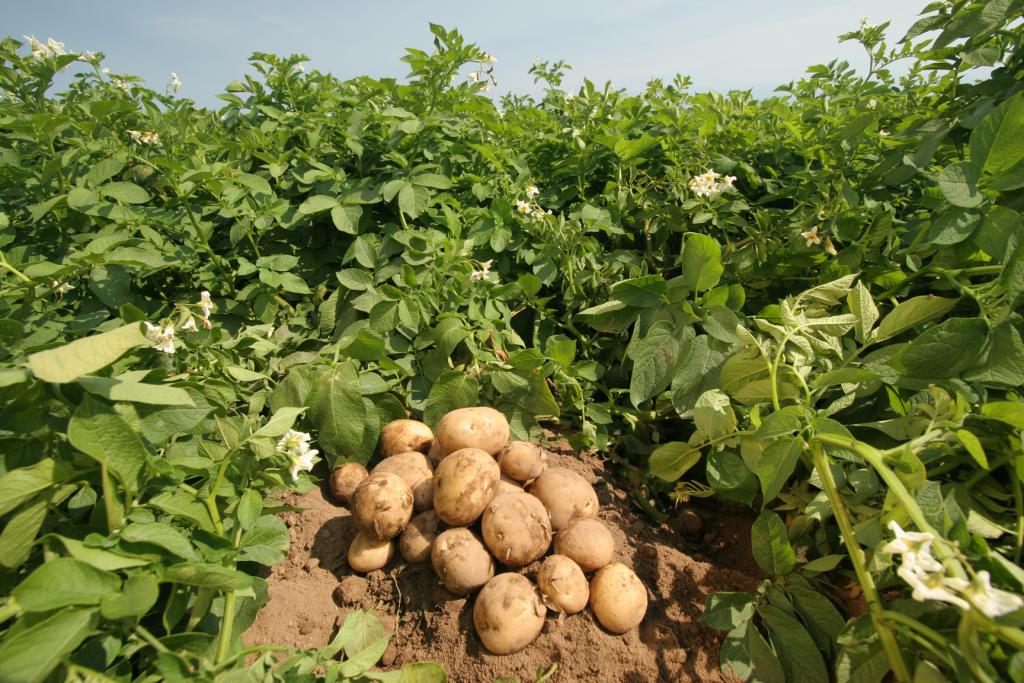
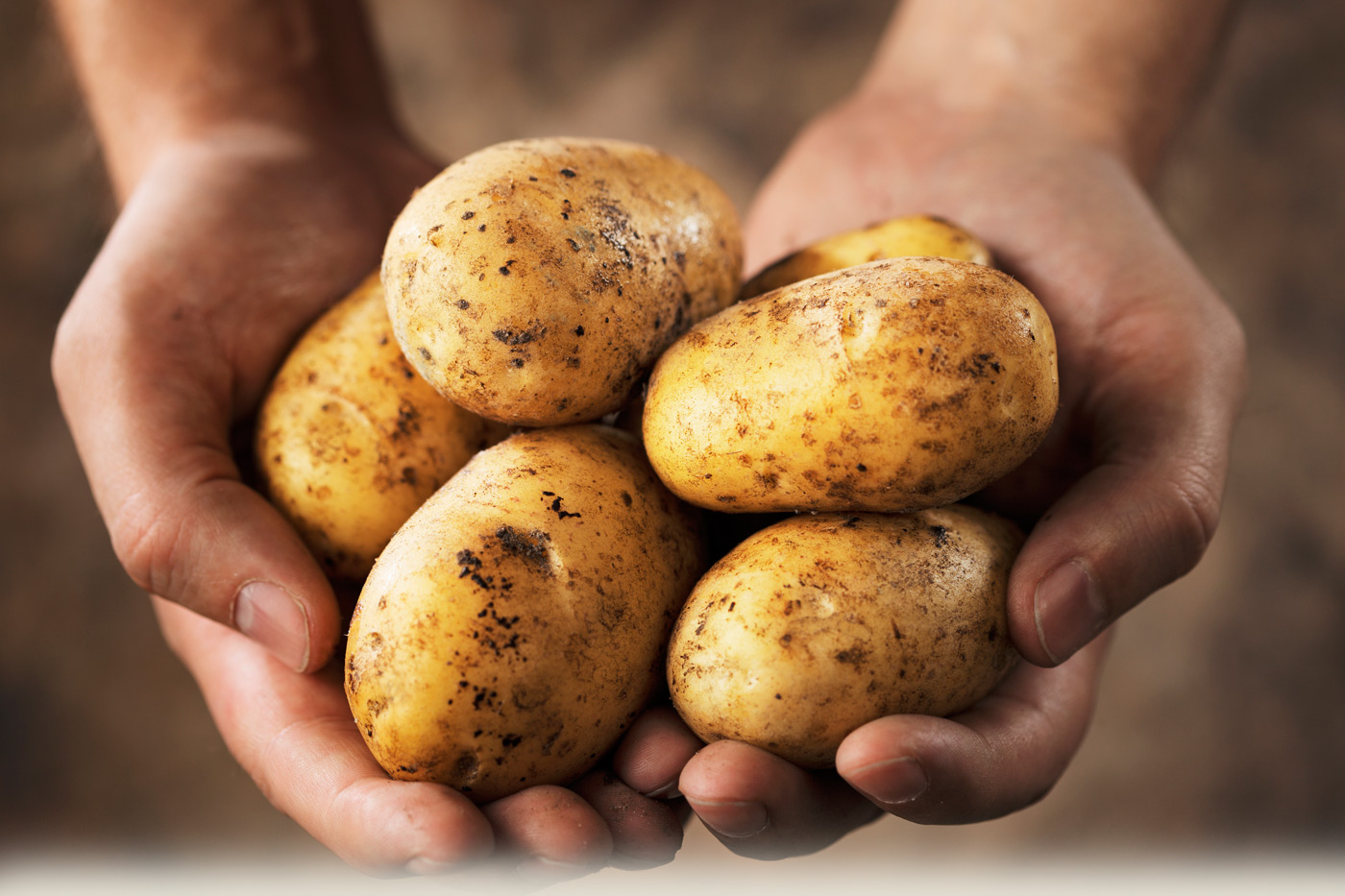
Manitoba's first case of late blight for the year was found in a western Manitoba field over the weekend. Manitoba Agriculture plant pathologist Vikram Bisht says they can't speculate on the source of this disease, but notes that in this case, the lesions have already reached sporulation. Bisht says farmers need to be scouting carefully for late blight. "Especially in low-lying areas of the fields, or in areas where (plants) are protected by the tree line because the air movement is very slow in that area, so they stay wet for a longer period, and the fungus has a chance to sporulate in those areas and cause infection," Bisht says. Home gardeners should also be on the lookout for the disease, as late blight can affect tomato plants, too. "If (home gardeners) are able to get some protectant fungicides for late blight, that will be the way to go," Bisht says, "but if they are unable to control (the disease), especially in the tomatoes, it is best to take those plants out, put them in a garbage bag, and keep in the sun so the plants in the garbage bag basically get cooked." Bisht says it is important not to put infected plants onto the compost pile, as this will still give the disease a chance to develop. Thunderstorms forecast for Tuesday could also increase the chance to late blight to spread, as the wind and storms can transport spores. But aside from the increased disease risk, potato crops in Manitoba are growing well in the abundant precipitation, with most fields at the mid-stage of the crop.   "Compared to last year, we may be about a week ahead," Bisht says. "The tubers are forming very well, anywhere from, you can say, quarter-sized or slightly larger." Bisht says hail damage has set some patches back three to five days in growth. He also says a big concern for potato growers right now is European corn borer, which infected quite a few fields last year, causing mortality and losses in patches. "We are already starting to see lots of European corn borer moths. We have set up some pheromone traps, and we are catching lots of moths in them," he says. "We have started finding some eggs masses on the underside of leaves, and the emergence of larvae is the most critical stage for applying insecticide." Bisht says there are a fair number of insecticides available for corn borer, adding the critical timing for spraying is two to three days after producers notice the eggs in their field. Source - www.pembinavalleyonline.com

19.07.2016

USA - Potato leafhoppers causing problems in Michigan alfalfa fields

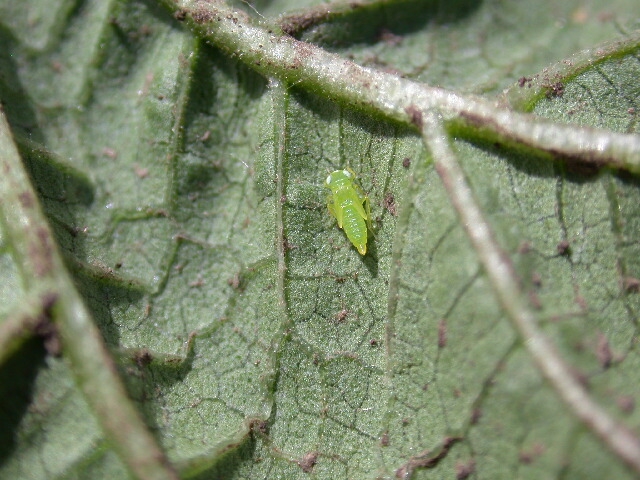
Weather always has a significant impact when projecting what may happen with a particular crop from year to year. Potato leafhopper infestations are being reported in alfalfa fields in many areas of Michigan. Potato leafhoppers annually arrive in Michigan with storms originating from the Gulf Coast states. In alfalfa, the hot, dry weather often leads to increased populations of potato leafhoppers. Growers may not always notice the increased populations until damage has already occurred. Adult potato leafhoppers are a small (0.125 inch long) green to greenish-yellow, wedge-shaped insect. These insects are able to reproduce at very rapid rates and can overwhelm a field. Potato leafhoppers feeds on the plants and the insect’s toxins (digestive enzymes) are injected into the plant during feeding, causing a condition known as hopper burn (see photo). Growers mistakenly assume these symptoms are caused either by a nutrient deficiency or by the lack of rainfall. The effects of potato leafhoppers are a reduction of yield, forage quality, plant vigor and winter hardiness. In other words, nothing good for an alfalfa stand. Many companies offer new alfalfa varieties with leafhopper resistance. However, the need to scout fields is still a necessity. Stands that are not cut every 30 days, such as a new seeding that needs additional time to be established, are at a high risk of damage. Potato leafhopper-resistant varieties will have glandular hairs that exude droplets of a sticky compound. The resistance may fail to hold back the insects in years where the population is very high and it may still be necessary to control the pests with an insecticide. Potato leafhopper damage in a new alfalfa seeding For potato leafhopper control, producers have several options: Cultural control: Cutting alfalfa will kill the adults and nymphs in the forage, leading to a disruption in the potato leafhopper lifecycle. Genetic resistance: Use new potato leafhopper-resistant varieties that have up to 85 percent resistance genetically bred into the alfalfa. Chemical control: Once the alfalfa is over threshold, this is the most viable method of control if the field is not scheduled to be cut in the next seven days. Many options are available. Generally, the cost of an insecticide application, including application cost, will be about $12 per acre. Source - msue.anr.msu.edu

18.07.2016

USA - New Potato Disease Causing Major Impact

Dickeya blackleg, often just called Dickeya, is a new disease in the United States. It is caused by a bacterium, Dickeya dianthicola. This aggressive pathogen has the potential to cause more severe losses than species of Pectobacterium (aka Erwinia) causing the type of blackleg that has been occurring. High temperatures (exceeding 77 F) are favorable for Dickeya, consequently the greatest losses have been in the southern portion of the northeast (especially the mid-Atlantic region) and further south. Total crop loss has occurred. Dickeya was severe in 2015 at least partly reflecting hotter weather than previous 2 years when the pathogen likely was present. This new disease is developing again in 2016. Symptoms First symptom is poor emergence (skips in a production field) due to rotting seed. Plants that emerge from contaminated seed wilt and typically have black stems extending upwards from rotting seed piece. Poor emergence: Dickeya Infected seed or poorly suberized seed may decay after planting, resulting in uneven stands (Courtesy: Amy Charkowski, UW) Occasionally, especially late in the season, only internal stem tissue will be discolored. The fact stem symptoms start at the seed and progress upward illustrates that Dickeya dianthicola is in potato seed. Symptoms typically develop following a period of hot weather especially when plants are also stressed. In 2015 on Long Island a lot of plants dropped out during flowering. Blackleg caused by Pectobacterium differs from Dickeya in that it starts on the outside of stem tissue, infects through wounds, and then moves downward as well as upward causing stem rot that is dark brown. Affected tissue typically has an offensive odor and is slimy. In contrast, plant tissue affected by Dickeya typically has an earthy smell; occasionally it has an offensive smell indicating soft rot bacteria are also present. Plants affected by Dickeya can just appear unthrifty if they have a sub-lethal titer of the bacterium. Symptoms of Dickeya blackleg in these photographs were found the first week of June 2016 (starting May 31). Affected plants had black stems extending up from the plant base and rotting seed piece, typically with an earthy smell that occasionally was offensive indicating soft rot bacteria were also present. High temperatures (in the 80s) during late May provided conditions favorable for symptom development. (Courtesy: Cornell University) No symptoms may develop when the temperature never becomes hot during the growing season. Management Dickeya is a destructive pathogen that cannot be managed when present in production fields. There are currently no resistant varieties and no effective fungicides. This bacterium is not known to be able to survive in soil more than about two months, which is not long enough to be able to serve as a source of inoculum the following growing season. Potato seed that is free of Dickeya is the best management practice for this disease. One challenge is that symptom development is limited by cool temperatures that are typical in seed producing areas: the pathogen can be present in a plant but cause no symptoms (wilt or black stem). Unfortunately there is not a reliable seed testing procedure identified yet. Infected seed can appear healthy. Dickeya is developing in crops established in 2016 with seed that tested negative with the dormant tuber test. Most affected seed was produced in Maine; some lots came from New Brunswick or Wisconsin. There is differing opinion about whether there should be no tolerance for Dickeya, similar to bacterial ring rot, in certified potato seed or whether a low percentage of contaminated seed can be tolerated as is the case with other diseases such as late blight. A major difference is that there are resistant varieties and effective fungicides for managing late blight. Grower Checklist for Preventing Dickeya A potato plant with Dickeya-fueled blackleg, with a blackened stem and wilting leaves (Courtesy: Steve Johnson). Plant certified, disease-free tubers, into well-drained soil with temperature under 10 C. Plant whole seed tubers if possible. Suberize cut seed before planting. Plant seed tubers during conditions that favour fast emergence. Clean and disinfect tools and equipment used for cutting and planting seed. Avoid wounding during seed cutting, planting and harvest. Fungicidal seed treatment of potatoes to prevent seed piece decay can indirectly prevent seed contamination, especially during the cutting operation. Rogue diseased plants. Utilize crop rotation of two or more years with a non-host crop. Avoid over-irrigation. Avoid excessive fertilization, which may impact plant and tuber maturity. Consider copper fungicides, which are are partially effective against disease and dry out existing lesions. Delay harvest until skin set is complete (up to 21 days after top-kill). Avoid wet conditions during harvest to prevent soil from sticking to tuber skins. Store contaminated potato lots separately. Provide adequate ventilation in storage. Check storages regularly for temperature increase and odours. If problems are detected, hot-spot fans can be used to cool the pile. Dry potatoes before storage or shipping. Source - http://www.potatopro.com

18.07.2016

India - Maharashtra empanels insurance firms for implementation of crops insurance scheme

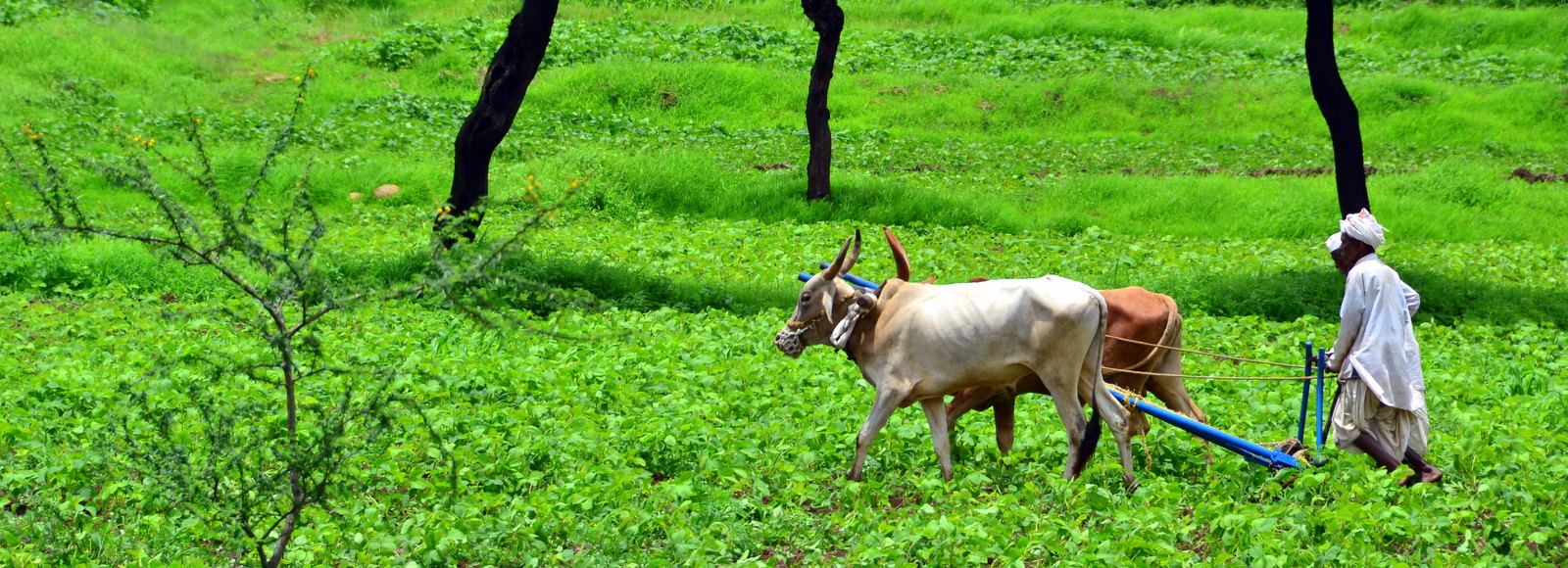
The state government declared the list of the insurance firms empanelled for Pradhanmantri Fasal Bima Yojana on Saturday. The crop insurance scheme is one of the flagship programmes of the central government launched in January this year and is administered under the ministry of agriculture and farmers' welfare. The main aim of the scheme is to provide insurance support to the farmers so as to sustain in the period of damage to their crops. The state government has formed the clusters of the districts for the implementation of the scheme. For every cluster an insurance firm has been selected by the government. Under the insurance plan the premium rate for the Kharif and Rabi crops will be 2% of the actual sum assured while for the commercial and horticultural crops the premium rate will be 5%. The insurance plan will be functional from the next Kharif season of crop cultivation as per the guidelines of the scheme released by the central government. Source - http://timesofindia.indiatimes.com

18.07.2016

World Bank funds 1.15 thousand crore project to save Himachali apples

While climate change and global warming is posing threat to Rs 3,500 crore apple economy of Himachal Pradesh, state government has launched Rs 1,115 crore horticulture development project funded by the World Bank. This project spread over a period of seven years would focus on providing new technologies to the horticulturists for increasing their crop productivity and capacities. Besides, protecting fruit crops, especially, apple from hailstorm, the state government has enhanced the subsidy on anti-hail nets to 80%. Apple is the mainstay of 1.70 lakh families across the seven districts of the state and constitutes 49% of the total area under fruit crops and about 85% of the total fruit production. Apple is largely produced in the districts of Shimla, Kullu, Kinnaur, Mandi, Chamba and Sirmaur. Now, even in the tribal Lahaul Spiti district, people are taking to apple plantation at large scale. A senior official from horticulture department said that in order to safeguard the interests of the apple cultivators during adverse climatic conditions, the state government has introduced several schemes for their welfare. He said weather based Crop Insurance Scheme has been launched in the state for protecting the crops from natural vagaries. Officials said that coverage under the scheme has been extended during the consecutive years keeping in view the popularity of this scheme. In addition to this, 17 blocks have been covered under add-on cover scheme to protect the apple fruit crop. The apple cultivators have insured their 61, 69,865 apple trees for which the state government has borne 25 percent premium subsidy of Rs 9.22 crore. During the Rabi season 2014-15, as many as 97,246 farmers have been covered under the weather based Crop Insurance Scheme for apple, out of which, it benefitted more than 92,000 farmers with a claim of Rs 34.50 crore Source - http://timesofindia.indiatimes.com

18.07.2016

Uzbekistan - Agricultural lands dying, but all is not lost, yet

The Uzbek regions of Karakalpakstan, Khorezm, Bukhara and Kashkadarya have suffered intense droughts in the past 15-20 years. The Chimbay district of the autonomous Republic of Karakalpakstan is home to around 110,000 people. The entire area’s economy depends on farming and animal husbandry. No water means no economy. The difficulties of agriculture are of immense economic significance. According to the Labor Ministry, around 27 percent of the working population is employed in the agricultural sector. Almost every second person out of Uzbekistan’s 31-million strong population lives in the countryside. Scientist Zinovy Novitsky, who has for many years studied the problem of desertification, warns that the spread of degraded land is growing with every passing year, particularly in the area around the nearly vanished Aral Sea. The impact of the Aral disaster on farming is difficult to fully comprehend. “Every year, more than 150 million tons of salt, dust and salt are thrown up into the air off the dried-up seabed of Aral. They drift across thousands of kilometers and drop again in the form of salt showers and snowfalls, provoking strong salinization of irrigated land. The fertility of soil is falling, as are, consequently, crop yields. Eventually, this land will be dead,” Novitsky told EurasiaNet.org. Agriculture in Uzbekistan is especially reliant on a strong system of irrigation, which uses up 90 percent of the country’s available water resources. And most farmers and specialists agree that the amount of water now flowing in from Kyrgyzstan and Tajikistan simply is not sufficient for requirements. When it comes to water shortages in Uzbekistan, the agricultural elephant in the room is cotton. Irrigating 10,000 square meters of cotton fields requires 500 cubic meters of water. The crop needs four cycles of irrigation before it reaches the mature stage of its life cycle. Uzbekistan has 30,000 square kilometers of land for agricultural use. Of that, around 13,500 square kilometers is used for cotton. Another 13,000 square kilometers is for cultivating grains. The rest is for fruit and vegetables. The country annually produces around 3.5 million tons of raw cotton, which is grown in all of Uzbekistan’s 12 regions, as well as in Karakalpakstan. “In theory, we have enough water. The whole problem is in the ineffective management of water resources and the outdated irrigation system. New irrigation technologies are widely available, but there is no interest in them, not least as they cost a lot,” a farmer in the Ferghana Valley told EurasiaNet.org. In 1995, Uzbekistan became a party to the United Nations Convention to Combat Desertification. As part of the country’s efforts to address the problem, Novitsky is studying how to increase the proliferation of desert plants that might help secure the shifting sands. He believes not all is lost. “Planting forests and plants on degraded land will enable the creation of pastures in the deserts of Uzbekistan,” he told EurasiaNet.org. “This country cannot do without growing cotton, since this is a strategically valuable crop. But we need to economize water, and so far we have been very wasteful in this regard.” Source - eurasianet.org

18.07.2016

Iride Uva nets provide protection against brown marmorated stink bugs

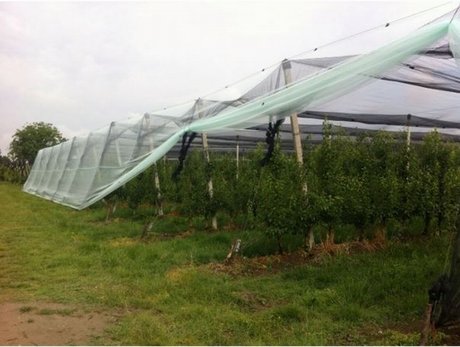
The Halyomorpha Halys, or brown marmorated stink bug, is well known in pear orchards in Emilia-Romagna, so much so that both producers and technicians have become rather worried. It moves quickly and is resistant to pesticides, so its population is increasing and expanding to new areas. Field tests show that nets are the only way to prevent it from invading the orchards. Arrigoni S.p.a., a leading company in the production of nets for biological and climatic control, developed Iride Uva - a single-thread HDPE net for the control of Halyomorpha Halys.Iride Uva is the anti-stink bug net suitable for both orchards that already have anti-hail nets and for single-thread installations. 2240KR Iride Uva Anti-hail warp-knitted fabric, dense weave, weight 70 g/m2, hole dimension 7.1 x 1.7 mm The virgin HDPE filament of European origin, hole size (mm. 7.1x1.7), type of weaving, elasticity and warp-kitting make Iride Uva the most effective and functional technical means against stink bugs. In addition, the net also works against codling moths. The results obtained in the fist commercial orchards were excellent. Stink bugs attacks on pear trees in Novi di Modena The net was presented in Novi di Modena. Monitoring shows there are no bugs inside the net while there are both bugs and damaged fruit on the outside. Monitoring will continue during summer and results will be showcased in September. We will keep you posted! Above and below: Iride Uva to protect pear trees on an orchard with anti-hail nets. Source  - http://www.freshplaza.com

18.07.2016

India - Crop insurance scheme to cost state 500cr

The Tamil Nadu government has announced a new crop insurance scheme for farmers by joining the Prime Minister's Crop Insurance scheme. As per this, the state government will need to spend 500 crore as its share against the 40 crore being spent for the present scheme. "Though the government will have to shell out more money each year, it has been decided to implement the scheme as it would benefit farmers in the state," said chief minister J Jayalalithaa in a statement. "I had promised a new crop insurance scheme in our manifesto and the state will participate in the Prime Minister's Crop Insurance Scheme by sharing the expenses along with the Centre," the chief minister said. Soon after taking charge as chief minister in May, Jayalalithaa announced waiver of cooperative credit taken by small and marginal farmers. Under the new scheme, crop loss will be calculated at the village level instead of the block level. "Such a calculation will give the actual loss suffered by farmers and they would get better relief from insurance companies," said Jayalalithaa. In block-level assessment, a cluster-level calculation is done and some villages would be left out. This could be addressed in the new scheme, sources said. Crop loss due to natural calamity in nine districts, including the delta districts of Nagapattinam and Tiruvarur, would be calculated based on the average agriculture production of the previous 7 years, leaving out the worst drought or flood years. The risk level has been increased to 70% so that farmers would get more money. "Farmers will have to pay 1.5% of the total insurance premium between October and March. Farmers who cultivate between April and September will have to pay 2% of the total premium. The balance will be spent by central and state governments," said Jayalalithaa. Government sources told TOI that the state did not implement the PM's Crop Insurance Scheme early this year as the model code of conduct was in force. Source - http://timesofindia.indiatimes.com

15.07.2016

Canada - Significant rainfall leaves Saskatchewan crops sitting in water

Heavy rain this week in Saskatchewan has left a lot of crops sitting in water. According to the province’s weekly crop report released Thursday, the significant rainfall resulted in localized flooding, saturated fields and crop lodging in the hardest hit areas. A key concern for farmers are peas and lentils, as those crops don’t tolerate the moisture as well as cereals. Shawn Jaques of Saskatchewan Crop Insurance Corporation says that the impact on crops will vary by area. According to the crop report, those outside the flooded areas are in good to excellent condition, with 51 per cent of the fall cereals, 69 per cent of the oilseeds and 70 per cent of the spring cereals and pulses at their normal developmental stages for this time of year. Saskatchewan Agriculture Minister Lyle Stewart says crops are among the best ever seen although he did mention that some fields have had too much moisture, especially around Estevan, Carrot River and Humboldt. But generally speaking, Stewart said crops look lush and he can’t remember on a province-wide basis when crops looked this good. Cropland topsoil moisture is rated as 33 per cent surplus, 66 per cent adequate and one per cent short, with hay land and pasture topsoil moisture rated at 18 per cent surplus, 81 per cent adequate and two per cent short. Aside from flooding, damage to crops over the past week was caused by hail, wind, leaf spot and root rot. Source - http://globalnews.ca

15.07.2016

USA - Crop Hail Damage Claims on the Rise in Montana

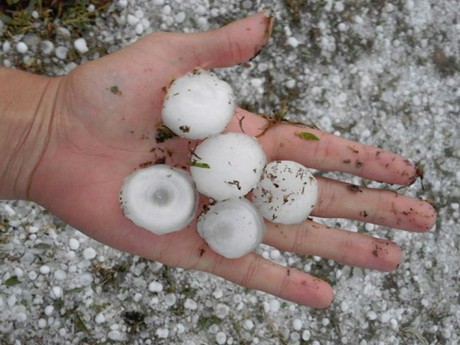
State officials say damage claims for Montana crops due to hail are nearly double what they’ve been in recent years. The Billings Gazette reports the state Department of Agriculture’s Walt Anseth says farmers submitted 200 insurance claims from January to May. Claims from June haven’t yet been counted, but officials usually receive only about 100 claims through early July. Federal data shows Montana has had 266 reports of hail at least three-quarters of an inch in size this year. That’s a little more than the 20-year average of 263 reports of hail that size a year. Anseth says the department’s hail program will cover the claims. The program had provided refunds to farmers for years up until 2013, when storms in central Montana and the Hi-Line raised claims. Source - http://www.insurancejournal.com

15.07.2016

Turkey - After frost and hail, apricot growers hit by rain

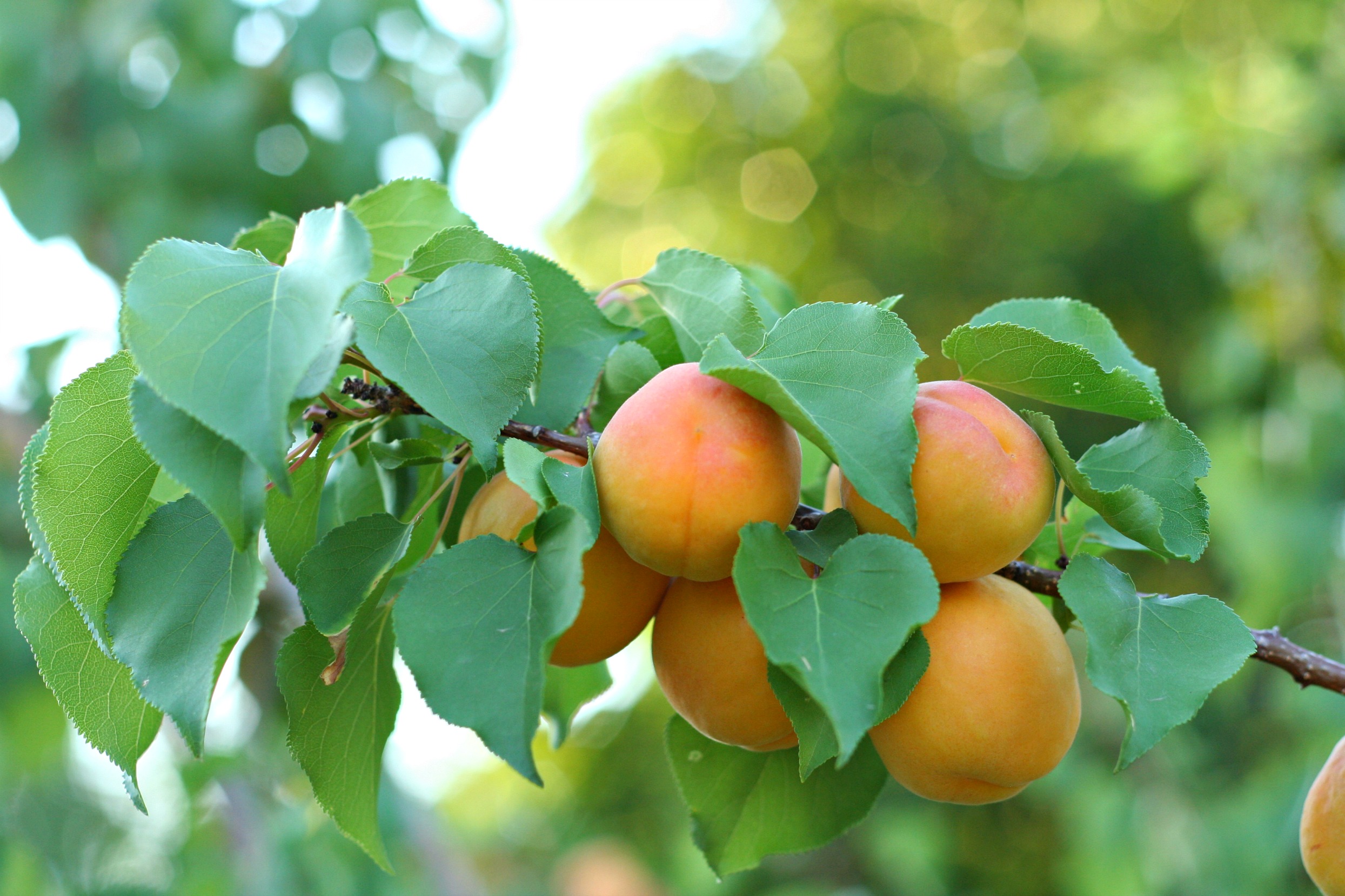
During the religious Eid holiday, Malatya, Turkey’s famous apricot growing region was hit by heavy rain as growers were harvesting their fruit and leaving it out to dry. After already suffering through frost and hail, the rain caused huge damage. The rain began on the first day of the holiday and continued throughout, causing devastating damage to all of Malatya’s apricot growers who were preparing their crop for drying. The apricots left on the trees were also hit by the rain and winds. Deputy Chairman of the Republican People’s Party, Veli Agbaba said ''Malatya has experienced disaster after disaster this year. Between the 17th and 21st of April, frost damaged almost all of the apricots in the region. On the 24th May hail damaged the apricots which managed to survive the frost. The apricots that managed to survive the frost and hail were ruined by the heavy rains over the holiday.’’ After every natural disaster, the apricot growers have issued reasonable demands for support, explains Agbaba ''Malatya’s economy relies on apricots, everyone is closely affected. Frost, hail and heavy rains indicate that Malatya’s economy will suffer a huge crisis this year.’’ Source - haber46.com

15.07.2016

India - Insure crops, farmers told

Farmers in the district were asked to subscribe to the Prime Minister Fasal Bima Yojana (PMFBY), a new crop insurance scheme that compensates farmers for the crop loss. At an awareness campaign organised at Krishi Vigyan Kendra at Sandhiyur here on Wednesday, programme coordinator N. Sriram said that the new scheme makes it easier for the farmers to get crop insurance and coverage. He said that horticultural crops, commercial crops, rabi crops and kharif Crops are eligible under the scheme at different premiums. Joint Director of Agriculture N. Elango released the booklet on the scheme and explained the service provided by the department. He also stressed the importance of crop insurance scheme and how it protects the farmers during crop loss. M. Prabhu, Deputy Director of Horticulture explained about the shade net technology, precision farming technology, turmeric and banana cultivation technologies and shared the successful farmers’ experiences with the stakeholders on the occasion. District Development Manager, NABARD, Bhama Bhuvaneswari explained about the importance of the new scheme and also how it is different from the old schemes. She also narrated the schemes promoted by the NABARD and other development banks in the district. Lead Bank Manager A. Udayakumar explained about the schemes and services operated by the bank and how banking schemes could effectively be utilized for improving the farming productivity and income. Ravikumar, Chief Revenue Officer of District Cooperative Bank also spoke about critical inputs and farming machinery units operated in the primary cooperative societies for the benefit of the stakeholders. Panamarathupatty Panchayat Union Chairman Lakshmi Venkatachalam inaugurated the crop insurance cum technology exhibition. Also, agri exhibition showcasing the kharif technologies was also inaugurated. Health awareness campaign exclusively for TB awareness among the farming community was also conducted. Source - http://www.thehindu.com

15.07.2016

USA - Crop Insurance Continues to Strengthen Rural Communities

America’s farmers and ranchers work hard to provide food for the world, contributing to the nation’s economy, as well as to the strength of our rural communities. To support our nation’s hardworking producers, we’ve developed programs designed to help them stay at the forefront of global production, to adapt to market changes and protect their operations even after bad years. Although many farm programs have come and gone, one program has continued to grow and become even more critical to the farm safety net. Federal crop insurance has become the preeminent risk management tool for our nation’s agricultural producers, and has adapted to meet the diverse needs now more than ever. In fact, even Congress recognized the importance of the federal crop insurance program in the 2014 Farm Bill. As other programs were eliminated or reduced, new requirements and expansions were mandated for the program as a cost-efficient and proven way to keep agriculture strong. New policies like the Supplemental Coverage Option (SCO) and APH Yield Exclusion (APH YE) were implemented by the Risk Management Agency as a result of the Farm Bill, providing new options for producers suffering from years of drought or other severe weather conditions. The Whole-Farm Revenue Protection policy (Whole-Farm), also outlined in the Farm Bill, was developed by USDA’s Risk Management Agency (RMA) in concert with producer groups, to provide an innovative and effective tool for smaller farms, diverse farms, and those growing specialty and organic crops. Whole-Farm was first offered in 2015, and by 2016 it was available in every county in the nation – a first for federal crop insurance. Even as the crop insurance program expanded, RMA took steps to strengthen program integrity. It reduced its error rate for improper payments by more than half; and at 2.2 percent, it is well below the government-wide average of 4.39 percent. The agency also improved its compliance methodology to include additional layers of data analysis, to continue to have better oversight of program dollars. These expansions and the efficient delivery of the program have helped keep the rural economy going, even after severe weather has ruined fields and lowered prices for crops. When crop prices are low, access to credit is critical for farmers to manage risk. Producers who purchase federal crop insurance have better access to credit and are often able to receive lower loan interest rates. The program continues to grow for the 2016 crop year and into the future. More crops than ever will be eligible for organic price elections, offering organic producers the ability to insure their products closer to market value than the conventionally-grown equivalent. Expansion in the availability of SCO for certain crops will continue, just as more crops will be eligible under the APH YE program, meaning more producers hit with years of drought will be able to find some relief. Even the Whole-Farm Revenue Protection program has expanded. It provides coverage under one policy for all revenue from a farm, up to $8.5 million. This now can include greenhouse and nursery products up to $1 million and animals and animal products up to $1 million as well. However farming and farm products change to meet the market need, crop insurance will continue to adapt and strengthen its programs to meet the needs of our producers. Source - http://blogs.usda.gov

15.07.2016

India - Crop insurance cover up by 10%, farmers to benefit

In a piece of good news for distressed farmers, the state government has decided to increase the indemnity level for crop insurance from 60% to 70%. This will mean more agricultural area will be covered for crop losses and farmers could get higher compensation. This has been done under the new farm insurance scheme called the Pradhanmantri Pik Bima Yojana (PPBY). This is a central government initiative and has been implemented in the state from June 1. The state government will have to fork an additional sum of over Rs 1000 crore to accommodate this change. "With the severe drought this year, we found that many farmers would not get their insurance amount as their losses were more than 60%. This increase in indemnity levels will help many," said a senior official. So far, two agencies have been finalized for three circles in the state, for the others, the process to finalize the agency is on. Officials say under this scheme post-harvest losses have also been covered which were not included in any other scheme so far. The scheme provides crop insurance for two weeks after they have been harvested. Activists say that this provision may be helpful as crop losses due to rainfall or disease attack to the harvested crop is very high. The insurance is compulsory for all farmers who take loans from banks as per RBI and NABARD guidelines. Under the scheme, premium for grains is 2% of the total insured sum, for cash crops it is 5% and for orchards it is 5%. The last date to pay the crop premium is July 31 while for orchards it was July 12. Last year's data shows that in the Kharif season, of the 1.36 crore farmers in the state, 83.37 lakh farmers who had taken insurance for their crops, have got Rs 4,205 crore as compensation, highest since 1999. Both the state and central governments paid close to Rs 1,800 crore each, while the farmers share of the premium was close to Rs 400 crore. "The scheme offers more coverage and greater safeguard for farmers. We are trying to get as many farmers possible under PPBY," said the official.

848
of 1225